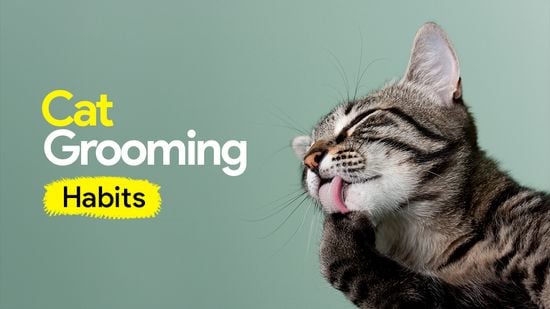
Have you ever wondered how often your cat really needs to visit the groomer? Keeping your furry friend clean and comfortable isn’t just about looks—it’s about their health and happiness too.
But how do you know the right grooming schedule for your cat? Whether your kitty loves getting pampered or hides at the sight of a brush, understanding when and why to visit the groomer can make all the difference. Keep reading to discover simple tips that will help you keep your cat looking and feeling their best.
Cat Grooming Basics
Understanding the basics of cat grooming is essential for every cat owner. Grooming is more than just keeping your feline friend looking neat; it plays a vital role in their health and happiness. Knowing what grooming involves and why it matters can help you decide how often your cat should visit a professional groomer.
Importance Of Grooming
Regular grooming helps prevent mats and tangles, especially in long-haired cats. It also reduces shedding and hairballs, making your home cleaner and your cat more comfortable.
Grooming allows you to check for signs of health issues like skin infections, parasites, or unusual lumps. Catching these problems early can save your cat from discomfort and expensive vet visits.
Have you noticed how your cat reacts when you brush them? Many cats enjoy gentle grooming because it mimics the natural cleaning they do themselves. It’s a great way to bond and show affection.
Types Of Grooming Services
Professional groomers offer a range of services tailored to your cat’s needs. Basic grooming usually includes brushing, nail trimming, and ear cleaning.
Other services might include:
- Bathing with cat-safe shampoos
- Deshedding treatments to reduce loose fur
- Haircuts or trims for long-haired cats
- Dental cleaning
Some cats may need special care like flea treatments or medicated baths, which groomers can provide. Asking your groomer about the best options for your cat’s breed and lifestyle can ensure they get the right care.

Credit: www.latimes.com
Factors Influencing Grooming Frequency
Several factors affect how often a cat needs grooming. Each cat is unique, and their grooming needs can change. Understanding these factors helps keep your cat healthy and comfortable. Grooming frequency depends on breed, age, health, lifestyle, and environment.
Breed And Coat Type
Different breeds have different coat types. Long-haired cats like Persians need more frequent grooming. Their fur can mat and tangle easily. Short-haired cats require less grooming but still benefit from regular care. Cats with thick or double coats shed more in certain seasons. Grooming helps remove loose fur and prevents hairballs.
Age And Health
Kittens and young cats usually groom themselves well. Older cats may need extra help as they lose flexibility. Health issues like arthritis or obesity can reduce grooming ability. Cats with skin problems or allergies may require special grooming routines. Regular grooming checks can spot health problems early.
Lifestyle And Environment
Indoor cats often stay cleaner than outdoor cats. Outdoor cats get dirtier and may carry ticks or fleas. Active cats may need more frequent grooming to remove debris. Cats living with other pets might need extra grooming due to shared dirt or fur. A clean environment supports a healthy coat and skin.
Recommended Grooming Schedules
Knowing the right grooming schedule for your cat can make a big difference in their comfort and health. Different types of cats need different levels of care, and recognizing this can save you time and stress. Let’s look at how often you should take your cat to the groomer based on their coat and special needs.
Short-haired Cats
Short-haired cats usually need less frequent grooming. A trip to the groomer every 8 to 12 weeks is often enough to keep their coat shiny and skin healthy.
Regular brushing at home can reduce shedding and hairballs, so you might find fewer visits necessary. However, if your cat sheds excessively or has skin issues, more frequent grooming could help.
Have you noticed your short-haired cat scratching more than usual? It might be time to check with a groomer or vet to prevent problems early.
Long-haired Cats
Long-haired cats demand more attention. They benefit from grooming every 4 to 6 weeks to prevent mats and tangles, which can cause discomfort and skin infections.
Owners often find that maintaining a regular grooming schedule reduces the need for emergency visits due to severe mats. Groomers also help with trimming nails and cleaning ears, essential for long-haired breeds.
If you have a long-haired cat, ask yourself: Are you spending enough time brushing them daily? Professional grooming complements your care and keeps your cat happy.
Special Needs Cats
Cats with special needs, such as senior cats or those with medical conditions, may require customized grooming schedules. Some might need visits every 3 to 4 weeks to manage coat and hygiene issues effectively.
Groomers experienced with special needs cats can provide gentle care and spot problems early. This attention can improve your cat’s quality of life significantly.
Think about your cat’s unique challenges. Could more frequent grooming ease their discomfort or prevent future complications?

Credit: www.latimes.com
Signs Your Cat Needs Grooming
Matted fur, excessive shedding, and a greasy coat often signal a cat needs grooming. Regular visits help keep your cat clean and comfortable. Checking your cat’s coat frequently reveals when professional grooming is necessary.
Cats, like humans, need regular grooming to stay healthy and happy. Grooming helps maintain their coat and skin health. But how do you know when your cat needs a trip to the groomer? Here are some clear signs that your feline friend might be due for some grooming attention.Matting And Tangles
Cats with long fur are prone to matting and tangles. These knots can cause skin irritation and discomfort. Regular grooming prevents mats from forming, keeping your cat comfortable.Excessive Shedding
Shedding is normal, but excessive fur loss can indicate a grooming need. Grooming helps manage shedding and reduces loose hair around your home.Skin Issues
Look for signs like redness, flakes, or irritation. These could mean your cat’s skin needs attention. Grooming can help address these issues and maintain healthy skin.Choosing The Right Groomer
Finding the right groomer for your cat can make a huge difference in how comfortable and safe your pet feels during grooming sessions. A good groomer not only keeps your cat looking great but also ensures their health and happiness. You want someone who understands your cat’s unique needs and treats them with care and patience.
What To Look For
Look for a groomer with experience specifically in cats, not just dogs. Cats have different grooming needs and often require a gentler touch. Check if the facility is clean and calm, as a noisy or chaotic environment can stress your cat out.
Ask if they use cat-friendly products and have knowledge about handling different cat temperaments. Certifications or training in pet grooming show professionalism. Also, see if they offer additional services like nail trimming or ear cleaning, which can save you extra trips.
Questions To Ask
- How do you handle cats that are nervous or aggressive?
- What grooming services are included in the price?
- Do you have experience with cats that have special health needs?
- Can I stay with my cat during the grooming session?
- What is your policy if my cat gets injured or stressed?
These questions help you understand the groomer’s approach and build trust. It’s important that you feel confident your cat will be safe and comfortable.
Preparing Your Cat
Before the grooming appointment, get your cat used to gentle handling. Touch their paws, ears, and coat regularly to reduce anxiety during grooming. If your cat isn’t used to being brushed, try short sessions daily to build tolerance.
Bring your cat’s favorite toy or blanket to the groomer for comfort. Also, make sure your cat is calm before the visit—play with them or let them rest beforehand. Preparing your cat helps the groomer do their job more effectively and keeps your cat relaxed.
Credit: temeculapetsalonandspa.com
Diy Grooming Tips
Taking care of your cat at home helps keep them clean and comfortable. Regular grooming supports their health and reduces trips to the groomer. Simple grooming tasks can be done with a little practice and patience. These DIY tips help you maintain your cat’s coat, skin, and nails with ease.
Brushing Techniques
Use a brush suited for your cat’s fur type. Long-haired cats need a wide-tooth comb or slicker brush. Short-haired cats do well with a soft-bristle brush.
- Brush gently in the direction of hair growth.
- Start from the head and move toward the tail.
- Focus on areas where mats form, like behind ears and under legs.
- Brush regularly to reduce shedding and hairballs.
Bathing At Home
Bathing is rarely needed but helps if your cat gets very dirty. Use a mild cat shampoo and warm water. Prepare everything before starting to keep your cat calm.
- Wet your cat slowly, avoiding the face and ears.
- Apply shampoo gently and rinse well.
- Dry your cat with a soft towel, avoiding hair dryers.
- Bathing once every few months is usually enough.
Nail Trimming
Regular nail trimming prevents scratches and nail damage. Use a sharp, pet-specific nail clipper. Handle paws gently and trim only the sharp tips.
- Look for the pink part inside the nail (quick); avoid cutting it.
- Trim nails every 2-3 weeks or as needed.
- Offer treats to keep your cat relaxed during trimming.
- If unsure, ask a vet or groomer for guidance.
Grooming Costs And Scheduling
Caring for your cat’s coat often involves visits to a professional groomer. Understanding grooming costs and how to schedule appointments helps maintain your cat’s health and comfort. Planning ahead ensures your cat gets the care it needs without surprises.
Typical Price Ranges
Grooming prices vary by location and cat size. Most sessions cost between $40 and $80. Long-haired cats or those needing extra care may pay more. Services often include bathing, brushing, nail trimming, and ear cleaning.
Special treatments like de-shedding or flea control add to the price. Some groomers charge extra for mat removal. Always ask for a price list before booking.
Booking Appointments
Schedule grooming appointments every 4 to 8 weeks. Cats with long or thick fur may need more frequent visits. Short-haired cats usually require fewer sessions.
Book early, especially during busy times. Weekends and holidays fill up fast. A regular schedule keeps your cat calm and healthy.
Seasonal Considerations
Seasonal changes affect grooming needs. Spring and summer often require more frequent brushing and bathing. Cats shed more during warmer months.
Winter may call for less grooming but check for dry skin or mats. Adjust your grooming schedule based on your cat’s coat condition and environment.
Frequently Asked Questions
How Often Should Short-haired Cats Visit The Groomer?
Short-haired cats generally need grooming every 8 to 12 weeks. They require less frequent grooming than long-haired cats. Regular visits help maintain a healthy coat and reduce shedding.
When Do Long-haired Cats Need Professional Grooming?
Long-haired cats should visit the groomer every 4 to 6 weeks. Frequent grooming prevents matting and tangling. It keeps their fur clean and healthy, avoiding skin problems.
Can Indoor Cats Skip Professional Grooming?
Indoor cats still benefit from grooming every 8 to 12 weeks. Groomers help remove loose fur and dirt. Grooming also checks for skin issues and keeps cats comfortable.
What Signs Indicate My Cat Needs A Groomer?
Look for matted fur, excessive shedding, or a dirty coat. Cats may also scratch more or have skin irritation. These signs mean it’s time for a grooming session.
Conclusion
Regular grooming keeps cats healthy and comfortable. Most cats visit the groomer every 4 to 8 weeks. Long-haired cats need more frequent care than short-haired ones. Watch your cat’s coat and skin for signs of mats or dirt. Clean fur helps prevent health problems and reduces shedding.
Grooming also helps catch issues early, like skin infections or parasites. Talk to your vet or groomer about the best schedule for your cat. A happy, clean cat means a happy home. Simple, routine grooming makes a big difference.



Leave a Reply