Have you ever wondered how often your cat really needs professional grooming? It’s a question every cat owner should ask because keeping your furry friend clean and healthy goes beyond just a quick brush at home.
The right grooming schedule can prevent painful mats, skin problems, and even reduce shedding around your house. You’ll discover exactly how often your cat should visit a grooming expert and why it matters for their comfort and well-being. Keep reading to learn the simple steps that can make a big difference in your cat’s life.
Benefits Of Professional Grooming
Professional grooming offers more than just a neat look for your cat. It supports their overall well-being and can positively influence their daily behavior. Understanding these benefits helps you decide how often to schedule grooming sessions for your feline friend.
Health Advantages
Groomers can spot health issues early, such as skin infections, lumps, or parasites. Regular grooming reduces hairballs and prevents matting, which can cause painful skin problems. Your cat’s nails are trimmed safely, lowering the risk of injury to both your pet and you.
Have you noticed your cat scratching more than usual? Professional grooming can help identify underlying issues that may be causing discomfort. Keeping up with grooming can even reduce allergies by removing loose fur and dander.
Appearance Improvements
Beyond health, grooming makes your cat look their best. A professional groomer cleans ears, trims fur evenly, and can style your cat’s coat to match their breed’s standards. This not only enhances their appearance but also boosts their comfort by removing excess fur.
Imagine how a shiny, well-maintained coat reflects your care for your pet. Groomers have tools and skills to tackle tough tangles and dirt that you might miss at home. This leads to a cleaner, fresher-smelling pet that you’ll enjoy cuddling even more.
Behavioral Impact
Regular grooming can improve your cat’s behavior over time. Cats that are groomed professionally often become more accustomed to handling, which makes vet visits and home care easier. It can reduce stress and anxiety by providing a calm, controlled environment during grooming.
Have you seen how some cats become restless during at-home grooming? Professionals know how to keep cats calm and comfortable, turning grooming into a positive experience. This can strengthen your bond, as your cat learns to trust the process and you more deeply.
Factors Influencing Grooming Frequency
Knowing how often your cat needs professional grooming depends on several key factors. These influence how quickly their coat may tangle or collect dirt and how often they require expert care. Understanding these will help you decide the best grooming schedule tailored to your cat’s unique needs.
Breed And Coat Type
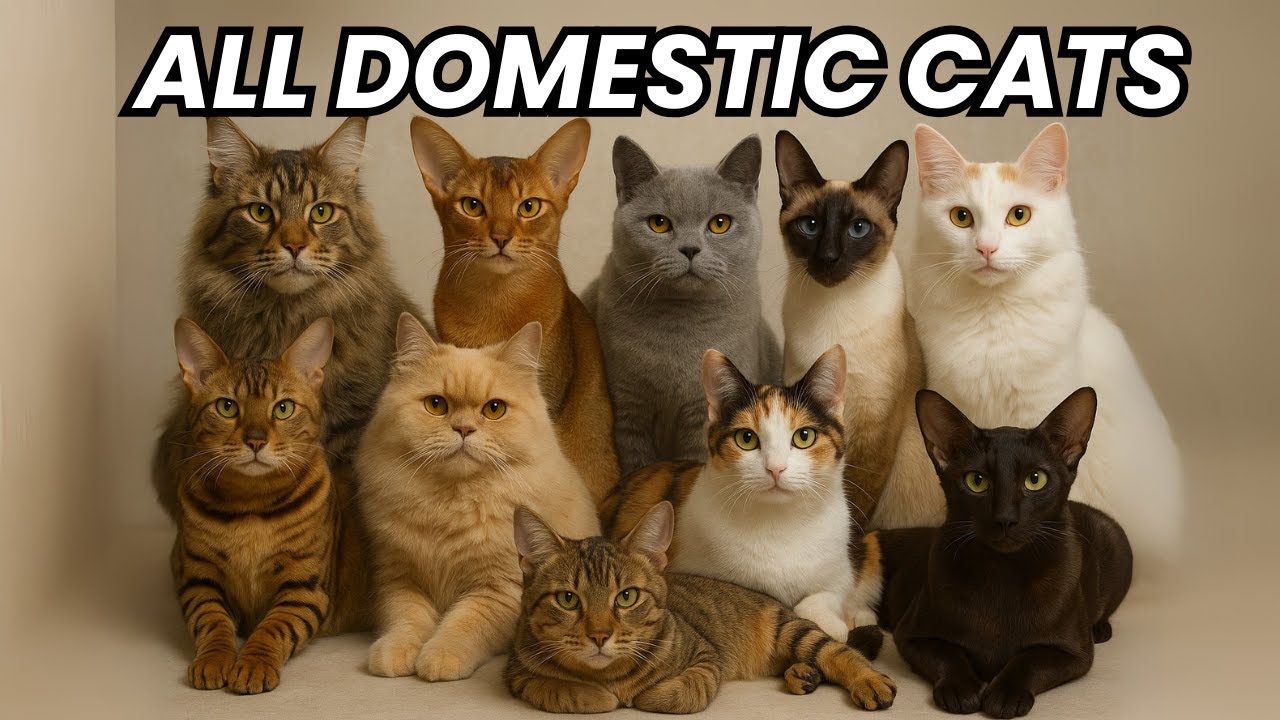
Different breeds have very different grooming needs. Long-haired cats like Persians or Maine Coons usually need more frequent grooming to prevent mats and tangles. Short-haired breeds tend to groom themselves well and often require less frequent professional attention.
Even within short-haired breeds, some cats shed more, which may call for occasional grooming to manage loose fur. Have you noticed how some cats seem to lose fur constantly while others barely shed? Your cat’s coat type is a big clue about their ideal grooming frequency.
Age And Health Conditions
Kittens and senior cats often need extra care during grooming sessions. Young cats might not tolerate grooming for long periods, requiring shorter but more frequent visits. Older cats or those with health issues, such as arthritis, might need gentler handling and more regular grooming to keep their coat and skin healthy.
Health conditions like obesity or skin problems can also affect how often your cat should be professionally groomed. If your cat isn’t able to groom themselves properly, professional grooming becomes even more important. Have you checked if your cat’s grooming habits have changed recently? It could signal a health issue.
Lifestyle And Environment
Your cat’s daily routine and surroundings shape how dirty or tangled their fur gets. Outdoor cats or those who spend time in dusty or grassy areas usually need more frequent grooming. Indoor cats often stay cleaner but may still require grooming if they shed heavily or have a tendency to develop mats.
Consider your cat’s activity level and where they spend most of their time. A playful cat that loves exploring may bring in debris that requires regular cleaning. How does your cat’s environment affect their coat? This can guide you in setting up an effective grooming plan.
Recommended Grooming Intervals
Knowing how often to groom a cat professionally helps keep them healthy and comfortable. Different fur types need different care schedules. Regular grooming removes loose hair and prevents mats. It also helps spot skin problems early. Understanding the right intervals supports your cat’s well-being.
Short-haired Cats
Short-haired cats usually need grooming less often. Their fur does not tangle easily. Professional grooming every 8 to 12 weeks is often enough. This keeps their coat shiny and clean. It also reduces shedding around the home. Brushing at home between visits helps maintain their coat.
Long-haired Cats
Long-haired cats require more frequent grooming. Their fur can mat quickly without care. Grooming every 4 to 6 weeks is ideal. This prevents painful knots and keeps fur soft. Regular trims may be necessary for very long coats. Owners should brush daily to avoid tangles.
Special Cases
Cats with health issues or skin conditions may need extra care. Older cats might benefit from more frequent grooming. Cats that spend time outdoors may also require closer attention. Breeds with dense or curly coats need tailored grooming schedules. Always follow the advice of a veterinarian or groomer for special needs.
Signs Your Cat Needs Grooming
Knowing when your cat needs professional grooming can save you from bigger problems down the road. Cats are usually good at cleaning themselves, but certain signs indicate it’s time to call in the experts. Watch closely for changes in your cat’s coat and skin that signal grooming is overdue.
Matting And Tangles
Matting happens when your cat’s fur gets tightly clumped together, making it uncomfortable or even painful. Long-haired cats are especially prone to this, but short-haired cats can get tangles too. If you notice your cat avoiding touch or grooming, or if you see visible knots, it’s a clear sign professional grooming is needed.
Excessive Shedding
Shedding is normal, but when it becomes excessive, it might mean your cat needs a grooming session. Loose fur can lead to hairballs or clogged fur around the house. Regular grooming helps remove dead hair and keeps your cat comfortable. Have you noticed more fur on your clothes or furniture than usual?
Skin Issues
Look out for redness, dryness, or flakiness on your cat’s skin. These symptoms often mean your cat’s grooming routine isn’t enough to maintain healthy skin. Sometimes, skin problems come with itching or bald patches, signaling that professional care is necessary to prevent infections or discomfort.
Choosing The Right Groomer
Choosing the right groomer for your cat is crucial. Cats need regular grooming for a healthy coat and skin. A professional groomer can help keep your cat clean and comfortable. But not all groomers are the same. You need to find one that suits your cat’s needs. Here’s what you should consider.
Qualifications And Experience
A groomer’s qualifications matter a lot. Check if they have certifications from reputable grooming schools. Experience is also important. An experienced groomer knows how to handle different cat breeds. They understand the specific grooming needs of each breed. This ensures your cat gets the best care possible.
Services Offered
Different groomers offer various services. Look for those that provide a full range of grooming options. Basic services include bathing, brushing, and nail trimming. Some may offer specialized services like de-shedding or flea treatments. Choose a groomer whose services match your cat’s needs.
Customer Reviews
Customer reviews can guide your decision. Look for reviews online to get an idea of a groomer’s reputation. Happy customers often leave positive reviews. They can share valuable insights about the groomer’s skills and care. Consistently high ratings indicate a reliable service.
Home Grooming Tips Between Appointments
Keeping your cat well-groomed at home between professional visits helps maintain their coat, skin, and overall health. Regular attention to grooming tasks prevents mats, reduces shedding, and keeps your feline friend comfortable. Here are some practical home grooming tips to keep your cat looking and feeling great.
Brushing Techniques
Brushing your cat regularly removes loose fur and prevents tangles. Use a brush suited to your cat’s coat type—slicker brushes work well for long-haired cats, while rubber brushes are perfect for short-haired breeds.
Brush in the direction of hair growth with gentle strokes to avoid irritating your cat’s skin. Notice how your cat reacts; a calm pet means you’re doing it right. Try brushing for just a few minutes daily to make it a positive routine.
Bathing Guidelines
Bathing cats isn’t always necessary, but occasional baths help with dirt or oily fur. Use lukewarm water and a cat-specific shampoo to protect your pet’s skin from irritation.
Keep the experience calm—talk softly and use a non-slip surface in the sink or tub. If your cat hates water, consider using waterless shampoos or wipes for a quick clean instead.
Nail Care
Trimming your cat’s nails prevents them from becoming too sharp or getting caught in fabrics. Use a pair of pet nail clippers and avoid cutting too close to the quick, the sensitive area inside the nail.
Try clipping nails while your cat is relaxed or even sleepy. Reward your cat with treats afterward to build a positive association. Do you know the signs that your cat’s nails need a trim? Look for clicking sounds on hard floors or if your cat seems to have trouble retracting them.
Frequently Asked Questions
How Often Should Cats Get Professional Grooming?
Cats typically need professional grooming every 4 to 8 weeks. Frequency depends on their coat type, age, and health. Long-haired cats require more frequent grooming to avoid mats and tangles. Regular grooming helps maintain skin health and reduces shedding.
Can Indoor Cats Benefit From Professional Grooming?
Yes, indoor cats can benefit from professional grooming. It helps remove loose fur, reduces hairballs, and keeps their coat clean. Grooming also detects skin issues early and supports overall hygiene, even if the cat doesn’t go outside.
What Are Signs My Cat Needs Professional Grooming?
Look for mats, excessive shedding, or dirty fur. Also, check if your cat smells bad or scratches often. These signs indicate it’s time for professional grooming to maintain comfort and health.
Is Professional Grooming Stressful For Cats?
Professional groomers use gentle techniques to minimize stress. Many cats relax with experienced groomers. It’s important to choose a calm, cat-friendly groomer to ensure a positive experience.
Conclusion
Regular grooming keeps your cat healthy and happy. Most cats need grooming every four to eight weeks. Long-haired cats may need it more often. Short-haired cats can go longer between sessions. Watch your cat’s coat and skin for signs. Matted fur or skin issues mean it’s time to groom.
A clean cat feels better and stays comfortable. Professional grooming helps prevent health problems too. Choose a schedule that fits your cat’s needs. Keep your furry friend looking their best with care.

Leave a Reply