You love your cat and want to keep them happy and healthy. But how often should your cat be groomed?
It’s a question many cat owners wonder about. Grooming is more than just making your cat look good—it helps prevent health problems and strengthens the bond between you and your furry friend. You’ll discover the best grooming schedule for your cat’s unique needs.
Keep reading to learn easy tips that will make grooming a stress-free and enjoyable routine for both of you.
Grooming Frequency Basics
Understanding how often to groom your cat helps keep them healthy and happy. Grooming removes loose hair and dirt. It also reduces hairballs and skin problems. Each cat’s needs differ based on coat type and lifestyle. Some cats need daily care, while others do fine with less.
Regular grooming builds trust and strengthens your bond. It also lets you check for injuries or parasites early. Knowing the basics of grooming frequency helps you set a routine that suits your cat’s needs.
Daily Grooming Needs
Short-haired cats often need light daily grooming. A quick brush removes loose fur and dirt. Cats with sensitive skin benefit from gentle strokes. Long-haired cats may need daily brushing to prevent tangles. Daily grooming helps spot lumps or cuts fast. It keeps your cat comfortable and clean every day.
Weekly Grooming Routine
Most cats benefit from a thorough weekly grooming session. Use a comb or brush suited to your cat’s coat. Focus on areas that mats or tangles easily. Check ears and eyes for dirt or signs of infection. Trim nails if they grow too long. Weekly grooming keeps your cat neat and healthy.
Monthly Grooming Tips
Monthly grooming includes deeper care tasks. Bathe your cat if it tolerates water well. Clean teeth with a cat-safe toothbrush. Check and clean ears to prevent infections. Look for fleas or ticks and treat if needed. Monthly care supports overall health and well-being.
Factors Influencing Grooming
Several factors affect how often a cat needs grooming. Not all cats have the same grooming needs. Understanding these factors helps keep your cat healthy and comfortable. Grooming frequency depends on breed, age, health, and lifestyle.
Breed And Coat Type
Coat length changes grooming needs. Long-haired breeds like Persians need daily brushing. Short-haired cats require less frequent grooming, about once a week. Cats with thick or curly coats may also need extra care. Grooming prevents mats, tangles, and hairballs.
Age And Health Conditions
Kittens need gentle grooming to get used to it. Older cats might groom less due to arthritis or illness. Cats with skin problems or allergies need special attention. Regular grooming helps spot health issues early.
Indoor Vs Outdoor Cats
Outdoor cats face more dirt and parasites. They may need grooming several times a week. Indoor cats stay cleaner and need less grooming. Still, indoor cats benefit from regular brushing to reduce shedding and hairballs.
Essential Grooming Tools
Having the right grooming tools makes all the difference in keeping your cat healthy and happy. You don’t need a full salon kit, but choosing the essentials tailored to your cat’s needs can turn grooming into a stress-free routine. Let’s look at the key tools that will help you care for your feline friend effectively.
Brushes And Combs
Different cats need different brushes. For short-haired cats, a soft-bristle brush works well to remove loose hair and stimulate the skin.
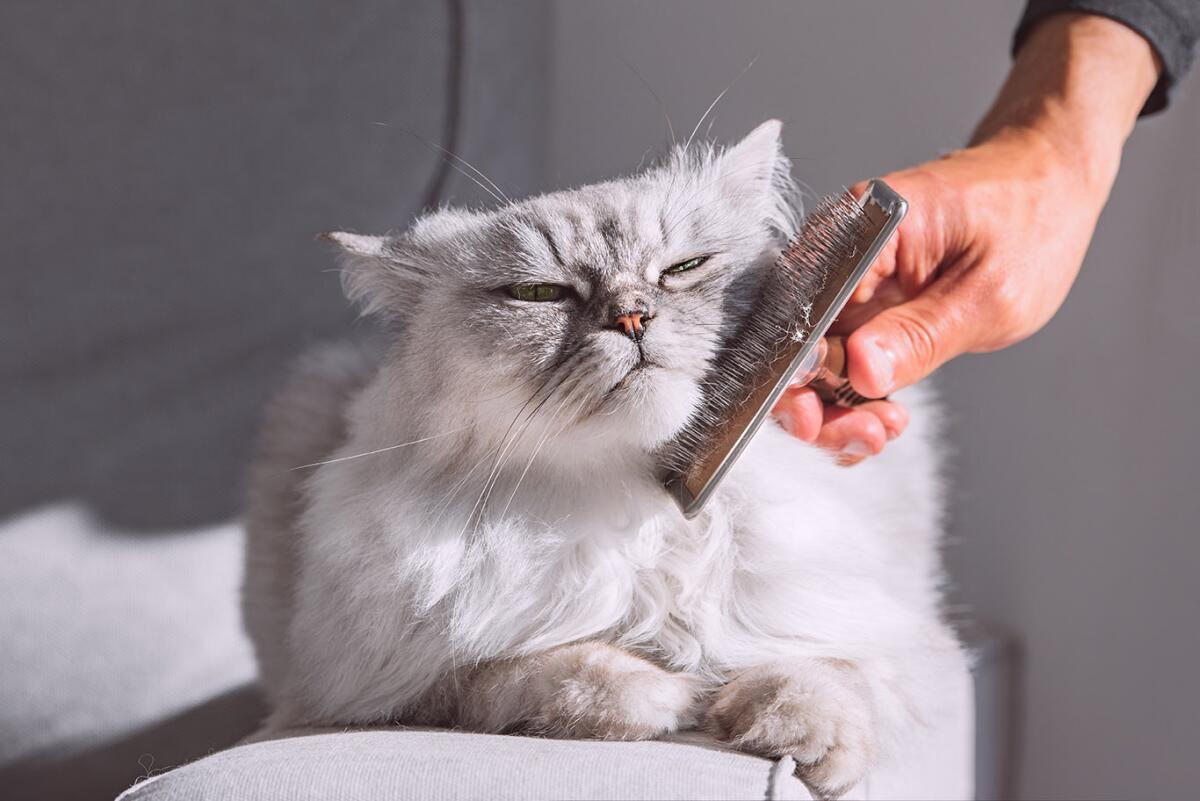
Long-haired cats require a slicker brush or a wide-toothed comb to prevent mats and tangles. I once switched from a regular brush to a slicker for my Maine Coon, and grooming became much easier and faster.
Choose tools that feel gentle on your cat’s skin. Does your cat enjoy being brushed, or do they shy away? Trying a few types can help you find the right fit.
Nail Clippers And Trimmers
Trimming your cat’s nails prevents damage to furniture and reduces the risk of painful scratches. Look for clippers designed specifically for cats, as they’re usually smaller and safer.
Scissors-style clippers offer more control, while guillotine clippers can be quicker but require practice. I recommend starting slowly and rewarding your cat to make nail trimming less stressful.
Have you noticed your cat scratching excessively? It might be time to check their nails. Regular trimming keeps their claws sharp but manageable.
Shampoos And Wipes
Not all cats need frequent baths, but when they do, use shampoos made for cats to avoid skin irritation. Avoid human shampoos, as the pH balance is different and can harm your pet.
For quick cleanups, grooming wipes are a great alternative. They help remove dirt and dander without the hassle of a full bath.
Consider your cat’s skin sensitivity and allergies when choosing products. Have you tried wipes after outdoor adventures? They can be a lifesaver for keeping fur fresh between baths.
Step-by-step Grooming Process
Grooming a cat is essential for their health and happiness. A structured grooming routine keeps their coat shiny and reduces shedding. It also helps prevent hairballs and identifies any skin issues early. Let’s explore the step-by-step grooming process.
Brushing Techniques
Regular brushing removes loose fur and reduces tangles. Use a brush suitable for your cat’s fur type. For short-haired cats, a soft-bristle brush works well. Long-haired cats benefit from a wide-toothed comb.
Begin by gently brushing in the direction of hair growth. This process minimizes discomfort for your cat. Focus on areas prone to tangles, like the belly and legs.
Bathing Your Cat
Cats are generally clean animals and rarely need baths. Use a mild shampoo designed for cats. Fill the tub with a few inches of warm water.
Wet your cat slowly, avoiding the head. Gently lather the shampoo into their fur. Rinse thoroughly with clean water to avoid irritation.
Nail Care
Regular nail trimming prevents overgrowth and scratching issues. Use cat-specific nail clippers for safe trimming. Hold the paw gently and press the pad to extend the claw.
Trim only the sharp tip, avoiding the quick. The quick is the pink part of the nail that contains nerves and blood vessels.
Ear And Eye Cleaning
Check your cat’s ears weekly for dirt or wax build-up. Use a cotton ball dampened with a vet-approved cleaner. Avoid inserting anything deep into the ear canal.
For eye cleaning, use a soft, damp cloth. Wipe away any discharge gently, moving from the eye’s corner outward.
Common Grooming Challenges
Grooming your cat is essential, but it often comes with challenges that can test your patience and skills. Understanding these common hurdles helps you prepare better and keep the experience positive for both you and your furry friend. Let’s dive into some of the most frequent grooming issues and how you can handle them effectively.
Handling Difficult Cats
Some cats simply don’t enjoy being groomed. They may squirm, scratch, or even try to escape, making the process stressful. Have you noticed your cat stiffening or trying to bite during grooming? That’s a clear sign to slow down and adjust your approach.
Try breaking grooming into short sessions to avoid overwhelming your cat. Use treats and gentle praise to build trust. Sometimes, wrapping your cat in a soft towel can help keep them calm and prevent scratches.
Dealing With Mats And Tangles
Mats and tangles are a common problem, especially for long-haired cats. They can cause discomfort and even skin issues if left untreated. Have you ever felt that tough knot in your cat’s fur and wondered how to remove it without causing pain?
Use a detangling spray or a wide-tooth comb to gently work through mats. If the mat is tight, carefully cut it out with blunt-ended scissors, but be cautious not to hurt your cat. Regular grooming sessions reduce the chance of mats forming in the first place.
Preventing Hairballs
Hairballs form when cats swallow loose fur while grooming themselves. These can be uncomfortable and sometimes lead to digestive problems. Have you seen your cat coughing or hacking up hairballs frequently?
Regular brushing removes loose hair before your cat ingests it. You can also add hairball control treats or diets recommended by your vet. Keeping your cat hydrated helps fur pass through the digestive system more easily.
Health Benefits Of Regular Grooming
Regular grooming offers many health benefits for cats. It helps keep your cat’s skin and coat in top condition. Grooming also aids in spotting health problems early. It reduces shedding and allergens, making your home cleaner and safer.
Skin And Coat Health
Brushing your cat removes dirt and loose fur. It spreads natural oils that keep the coat shiny and soft. Grooming prevents mats and tangles that can cause pain. It helps avoid skin infections and irritation. A healthy coat reflects a healthy cat.
Early Detection Of Health Issues
Regular grooming gives a chance to check your cat closely. You can find lumps, bumps, or wounds early. Detecting fleas or ticks is easier during brushing. Catching problems early means quicker treatment. It can save your cat from serious health issues.
Reducing Shedding And Allergens
Grooming cuts down on loose hair around the house. It lowers the amount of hair your cat swallows. This helps reduce hairballs and digestive issues. Regular brushing also reduces allergens in your home. It creates a cleaner space for allergy sufferers.
When To Seek Professional Help
Knowing when to seek professional grooming for your cat can make a big difference in their health and happiness. While regular brushing at home is important, certain situations call for expert care. Recognizing these moments helps you keep your cat comfortable and looking their best.
Signs Your Cat Needs Grooming Services
Watch for matted fur that you can’t safely remove yourself. Mats can pull on your cat’s skin and cause pain or infections.
If your cat starts scratching excessively or develops bald patches, it might be time for a professional check and grooming. Sometimes, grooming experts spot skin problems early before they worsen.
Notice if your cat struggles with shedding more than usual or has long nails that you find hard to trim. These are clear signs that a groomer can help maintain their coat and claws.
Choosing The Right Groomer
Look for groomers who specialize in cats, as they understand feline behavior and needs better than general pet groomers.
Check reviews and ask about their experience with different breeds, especially if your cat has a unique coat type or temperament.
Visit the grooming salon beforehand. Is it calm and clean? Are the staff gentle and patient? Your cat will thank you for a stress-free environment.
Ask about the products they use—safe, hypoallergenic shampoos and conditioners are essential for sensitive skin.
Have you considered how your cat reacts to strangers? A groomer who is patient and skilled can turn a stressful experience into a positive one.
Frequently Asked Questions
How Often Should I Groom My Cat?
Groom your cat weekly to remove loose fur and prevent mats. Long-haired cats may need grooming 2-3 times a week. Regular grooming promotes healthy skin and reduces shedding.
Can Grooming Reduce Cat Hairballs?
Yes, grooming helps reduce hairballs by removing loose fur before ingestion. Brushing your cat regularly minimizes swallowed hair. This decreases the frequency and severity of hairballs.
What Tools Are Best For Cat Grooming?
Use a soft-bristle brush for short-haired cats and a comb for long-haired cats. Slicker brushes help remove tangles and mats gently. Choose tools suited to your cat’s coat type.
Is Grooming Stressful For Cats?
Grooming can be relaxing if done gently and gradually. Start with short sessions and reward your cat. Consistent positive experiences reduce stress during grooming time.
Conclusion
Regular grooming keeps your cat healthy and happy. Short-haired cats need less frequent brushing. Long-haired cats require grooming several times a week. Pay attention to your cat’s coat and skin condition. Grooming helps reduce hairballs and prevents matting. It also strengthens the bond between you and your pet.
Make grooming a calm, gentle routine. Your cat will enjoy the care and attention. Stay consistent for the best results. Healthy fur means a healthier cat overall.

Leave a Reply