Have you ever wondered if your cat is using the litter box too much or too little? Knowing how often your cat should use the litter box can tell you a lot about their health and comfort.
If you notice changes in their bathroom habits, it might be a sign that something is wrong. You’ll discover the normal frequency for litter box use and what to watch for. Keep reading to make sure your furry friend stays happy and healthy!
Cat Litter Box Basics
Understanding the basics of your cat’s litter box can make a big difference in their comfort and health. How often your cat uses the litter box depends on more than just their bathroom habits—it’s also about the type of box, the litter you choose, and where you place it. Getting these right helps prevent accidents and keeps your cat happy.
Types Of Litter Boxes
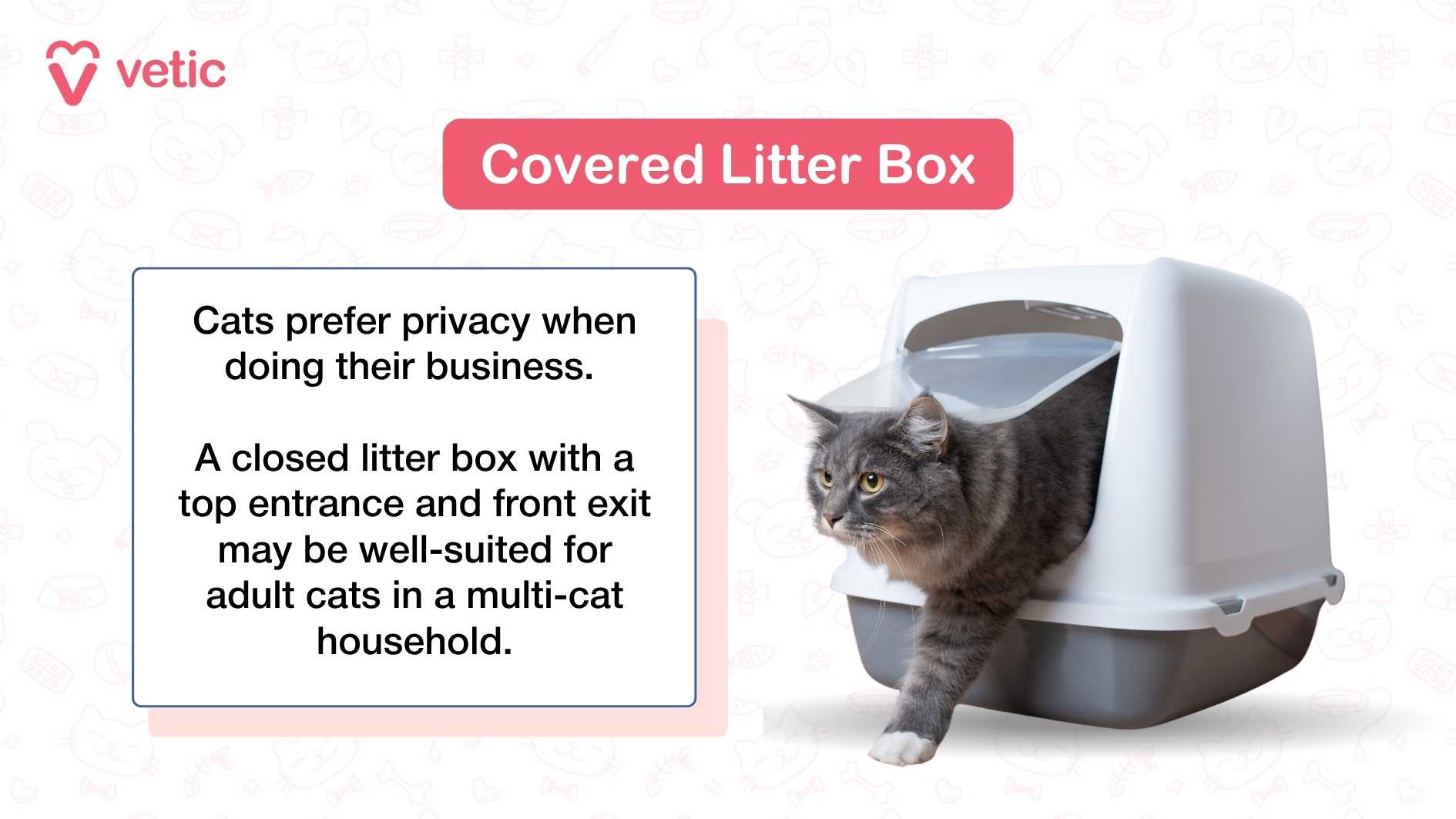
There are many litter boxes to choose from, each with its own benefits. Open litter boxes are simple and easy to clean, making them a popular choice for many cat owners. Covered boxes offer privacy and help contain odors, but some cats may dislike the enclosed space.
Self-cleaning litter boxes can save you time, but they might be noisy or intimidating for shy cats. Consider your cat’s personality when picking a box—have you noticed if they prefer open spaces or more privacy?
Choosing The Right Litter
The type of litter you use affects how often your cat wants to use the box. Clumping litter makes cleaning easier by forming solid clumps, while non-clumping litter can be less dusty and gentler on paws. Some cats prefer natural litters made from materials like corn or pine, which can reduce odors without harsh chemicals.
Pay attention to your cat’s preferences. If your cat suddenly starts avoiding the box, could the litter type be the cause? Experiment with different litters until you find one that your cat likes and that controls odor well.
Ideal Litter Box Location
Where you place the litter box is more important than you might think. Cats like quiet, low-traffic areas where they feel safe but not isolated. Avoid placing the box near their food and water bowls, as cats don’t like to eliminate near their eating space.
Have you noticed your cat hesitating or walking away from the box? Try moving it to a different spot—sometimes just a small change in location can make your cat more comfortable and encourage consistent use.
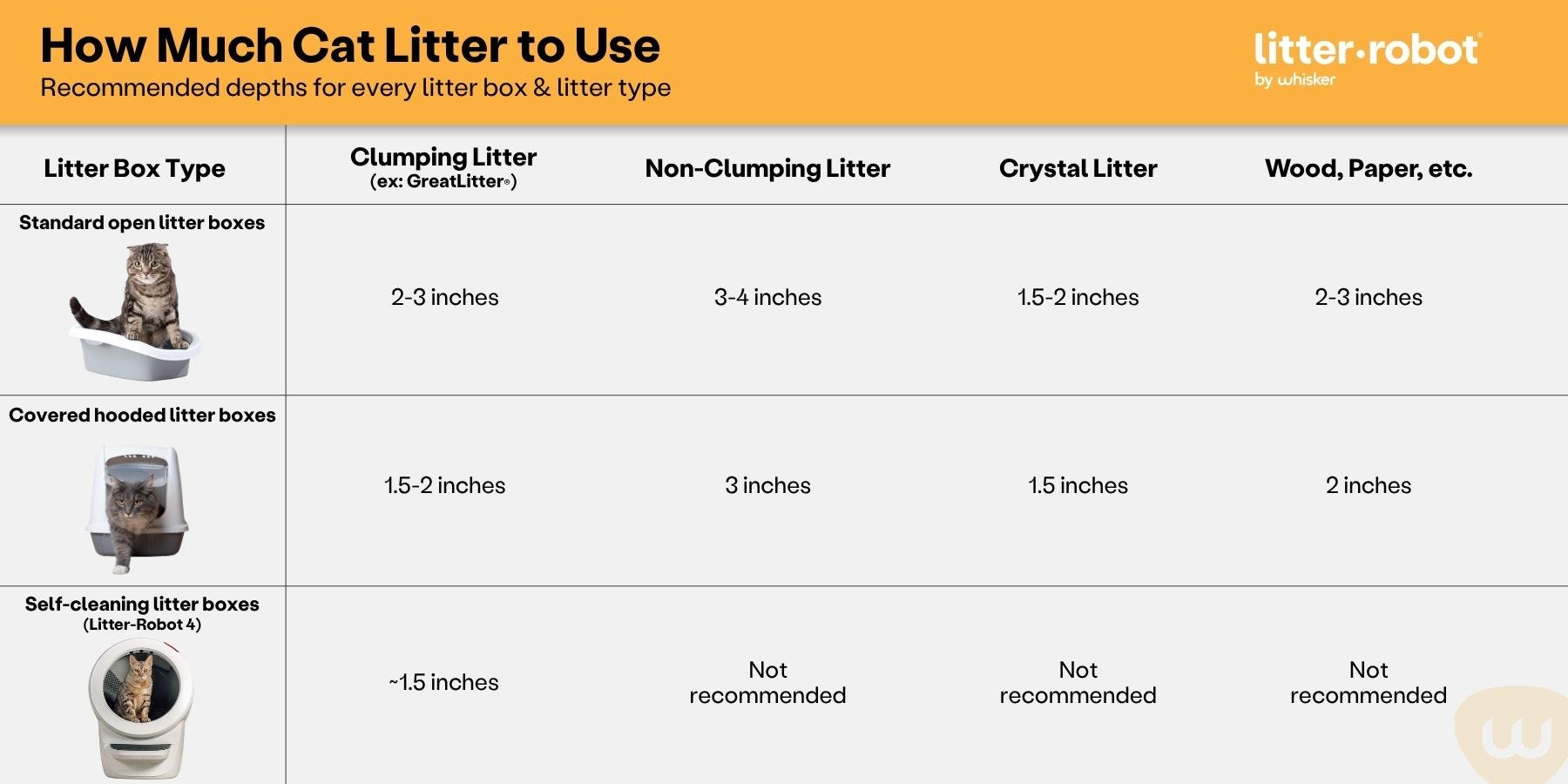
Credit: www.litter-robot.com
Normal Litter Box Usage
Normal litter box usage helps you understand your cat’s health and habits. Cats usually have regular patterns for using the litter box. Watching these patterns can alert you to changes in their health. Healthy cats use the litter box several times a day. The exact number varies depending on several factors. Knowing what is normal helps you spot problems early.
Frequency Of Urination
Cats typically urinate two to four times daily. This depends on their water intake and diet. Some cats may go more often, while others less. Consistent patterns are a good sign of health. Sudden changes in urination frequency can indicate health issues. Keep the litter box clean to encourage regular use.
Frequency Of Defecation
Most cats defecate once or twice a day. Some may go every other day without problems. The stool should be firm and easy to pass. Loose or very hard stools need attention. Changes in defecation frequency or stool quality can signal illness. Observe your cat’s habits for any sudden shifts.
Factors Affecting Usage
- Diet type and amount of water intake
- Age and overall health of the cat
- Stress or changes in the environment
- Number of cats sharing the litter box
- Cleanliness and location of the litter box
Each factor can change how often your cat uses the litter box. Cats may avoid dirty boxes or places with noise. Older cats might need more frequent bathroom breaks. Stress can cause more or less frequent visits. Understanding these factors supports your cat’s well-being.
Signs Of Litter Box Problems
Recognizing signs of litter box problems early can save your cat from discomfort and prevent damage to your home. Cats are usually consistent with their bathroom habits, so any change can be a red flag. Paying close attention to these signs helps you address issues before they escalate.
Changes In Frequency
If your cat suddenly uses the litter box more or less than usual, it might indicate health issues like urinary tract infections or stress. A cat that urinates too often could be in pain, while less frequent visits might point to constipation or dehydration. Have you noticed your cat’s litter box habits shifting? Tracking these changes can be crucial for timely vet visits.
Avoidance Behavior
When a cat starts avoiding the litter box, it often means something is wrong with the box itself or your cat’s health. Your cat might be rejecting a dirty box, a new litter type, or a location that feels unsafe. Observe if your cat is choosing unusual spots to go instead — this signals frustration or discomfort that needs addressing.
Messy Or Incomplete Usage
Messy litter box habits, like kicking litter everywhere or only partially covering waste, can suggest anxiety or physical pain. Sometimes, a cat may squat but not fully relieve itself, indicating a possible urinary or digestive problem. Does your cat’s litter box experience have these messy patterns? Cleaning routines and vet checks can help improve the situation.

Credit: www.petplan.co.uk
Health Issues Impacting Usage
Cats not using the litter box might signal health issues. Understanding these can help address problems early. Let’s explore some health issues that can impact litter box usage.
Urinary Tract Infections
Urinary tract infections can cause pain during urination. Cats may associate this pain with the litter box. They might avoid it, seeking relief elsewhere. Signs include frequent urination or straining.
Digestive Problems
Digestive issues can disrupt regular litter box use. Diarrhea or constipation may lead to accidents outside the box. Cats might also avoid the box if it’s painful to use.
Stress And Anxiety Effects
Stress can significantly impact a cat’s behavior. Changes in environment or routine might cause litter box avoidance. Anxiety can also lead to inappropriate elimination.
Tips To Encourage Proper Use
Encouraging your cat to use the litter box properly is key to maintaining a clean home and a happy pet. It takes more than just placing a box in the corner—your cat needs a comfortable, inviting space. Let’s look at some practical tips that can help you guide your feline friend toward consistent litter box habits.
Cleaning And Maintenance
Keeping the litter box clean is one of the most important things you can do. Cats are very particular about hygiene; a dirty box can quickly turn them away.
- Scoop waste at least once a day to keep the box fresh.
- Change the litter completely and wash the box with mild soap every week.
- Use unscented, clumping litter to help control odors without overwhelming your cat’s sensitive nose.
Have you noticed your cat avoiding the box after a few days? It might be time to clean more often.
Positive Reinforcement
Reward your cat immediately after they use the litter box. Positive reinforcement builds good habits faster than punishment.
- Offer treats or gentle praise right after your cat finishes in the box.
- Use a calm, happy tone to let your cat know they did a great job.
- Consider clicker training if you want to add a fun way to encourage proper use.
Have you tried rewarding your cat? You might find that small treats make a big difference.
Adjusting Environment
Where you place the litter box matters a lot. Cats prefer quiet, low-traffic areas where they feel safe and undisturbed.
- Avoid putting the box near loud appliances or busy doorways.
- Make sure the box is easy for your cat to access, especially for kittens or older cats.
- If you have multiple cats, provide one litter box per cat plus one extra to reduce territorial issues.
Have you noticed your cat hesitating near the box? Moving it to a calmer spot can help improve their comfort and encourage regular use.

Credit: www.purina.com
When To See A Vet
Knowing when to take your cat to the vet regarding their litter box habits can make a big difference in catching health issues early. Changes in how often or how your cat uses the litter box might seem minor at first. But some signs deserve immediate attention to keep your furry friend safe and comfortable.
Persistent Changes
If your cat suddenly starts urinating or defecating outside the box and this behavior continues for more than a day or two, it’s time to get professional advice. Occasional accidents happen, but consistent changes could signal urinary tract infections, kidney problems, or digestive issues. Don’t wait to see if it resolves on its own—persistent changes often need medical evaluation.
Signs Of Pain Or Discomfort
Watch for signs like straining, crying, or frequent trips to the litter box with little output. These symptoms often mean your cat is in pain when urinating or defecating. If you notice blood in the litter box or your cat licking its genital area excessively, these are urgent red flags. Your vet can diagnose and treat conditions like bladder stones or infections that cause this discomfort.
Behavioral Concerns
Sometimes, litter box issues are rooted in stress or anxiety rather than physical illness. Has your cat recently experienced changes like moving, new pets, or loud noises? If your cat suddenly avoids the litter box or hides more, it might be reacting to something stressful. A vet can help rule out health problems and suggest ways to reduce anxiety and improve your cat’s behavior.
Frequently Asked Questions
How Many Times Should A Cat Use The Litter Box Daily?
A healthy cat typically uses the litter box 2 to 4 times a day. Frequency depends on age, diet, and health. Monitoring usage helps detect health issues early. Consistent litter box habits indicate good well-being and hydration levels.
What Signs Indicate Litter Box Problems In Cats?
Signs include sudden changes in frequency, straining, or accidents outside the box. These may signal urinary tract infections or stress. Immediate veterinary consultation is advised to prevent serious health complications.
Can Diet Affect A Cat’s Litter Box Usage?
Yes, diet influences hydration and stool consistency, impacting litter box habits. Wet food increases water intake, promoting regular urination. Dietary changes should be gradual to avoid digestive upset and litter box avoidance.
How To Encourage A Cat To Use The Litter Box Regularly?
Keep the litter box clean, odor-free, and in a quiet location. Use the right litter type and maintain consistent placement. Positive reinforcement encourages regular use and reduces accidents outside the box.
Conclusion
Cats usually use the litter box several times a day. Watching their habits helps spot health problems early. A clean, quiet litter box encourages regular use. Change the litter often to keep it fresh and odor-free. If a cat stops using the box, it may feel stressed or sick.
Keep the box in a calm, easy-to-reach place. Understanding your cat’s litter box routine supports their well-being. Small changes can make a big difference in their comfort. Stay observant and patient; your cat will thank you.



Leave a Reply