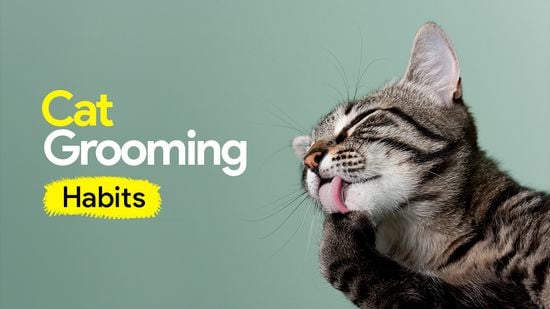
You love your cat and want the best for them, right? One important way to keep your furry friend happy and healthy is through regular grooming.
But how often should a cat get groomed? Too little, and their coat can become matted and uncomfortable. Too much, and you might be stressing them out unnecessarily. Finding the right balance can make a huge difference in your cat’s comfort and well-being.
Keep reading to discover the grooming routine that fits your cat’s unique needs and helps them look and feel their best every day.
Credit: temeculapetsalonandspa.com
Cat Grooming Basics
Understanding the basics of cat grooming sets the foundation for keeping your feline friend healthy and comfortable. Grooming is more than just brushing fur; it’s about maintaining skin health, preventing hairballs, and strengthening your bond. How often you groom your cat depends on several factors, starting with the type of fur your cat has and the right tools you use.
Why Grooming Matters
Grooming helps remove dirt, loose hair, and prevents matting, which can cause discomfort or skin problems. Cats groom themselves, but they often miss hard-to-reach areas or may not groom enough if they are older or overweight.
Regular grooming reduces shedding around your home and cuts down on hairballs, which can lead to vomiting or digestive issues. It’s also a chance to check for lumps, parasites, or skin irritations early.
Types Of Cat Fur
Cats come with different fur types, each needing a unique grooming routine. Short-haired cats usually require less frequent grooming but still benefit from weekly brushing to remove loose hairs.
Long-haired cats need daily grooming to prevent tangles and mats, which can cause pain and skin infections. Some cats have double coats that shed heavily seasonally, requiring extra care during those times.
Grooming Tools You Need
- Brushes:Slicker brushes work well for long fur, while bristle brushes suit short-haired cats.
- Combs:A fine-toothed comb helps remove tangles and check for fleas.
- Grooming gloves:These are great if your cat dislikes traditional brushes but enjoys petting.
- Nail clippers:Keeping nails trimmed prevents scratching injuries.
- Ear and eye wipes:Use these to gently clean sensitive areas.
Have you noticed which tools your cat tolerates best? Trying different ones can turn grooming time into a bonding moment rather than a struggle.
Credit: www.latimes.com
Grooming Frequency
Grooming keeps cats clean and healthy. The right grooming schedule depends on your cat’s coat type and age. Regular grooming helps prevent mats, hairballs, and skin problems. It also strengthens the bond between you and your pet.
Short-haired Cats
Short-haired cats need less grooming than long-haired ones. Brushing once a week is usually enough. This removes loose fur and reduces shedding. Bathing is rarely needed unless your cat gets very dirty. Check ears and trim nails regularly.
Long-haired Cats
Long-haired cats require more attention. Brush their fur several times a week to avoid tangles. Mats can cause pain and skin infections. Regular grooming also reduces hairballs. You might need to trim fur around sensitive areas. Bathing every few months helps keep their coat clean.
Kittens Vs Adult Cats
Kittens benefit from gentle grooming early on. It helps them get used to being handled. Brush kittens a few times a week with a soft brush. Adult cats have established grooming habits. They may need less frequent brushing but pay attention to changes. Older cats might need extra help with grooming.
Signs Your Cat Needs Grooming
Recognizing when your cat needs grooming is key to keeping them healthy and comfortable. Cats are usually good at grooming themselves, but certain signs indicate they need your help. Paying attention to these signals can prevent discomfort and skin problems before they start.
Mattes And Tangles
Have you noticed clumps of fur that stick together or feel rough to the touch? Mattes and tangles not only look unpleasant but can cause pain and skin irritation. Long-haired cats are especially prone to these, but even short-haired cats can develop mats if grooming is neglected.
If your cat resists grooming or you spot tight knots, it’s a clear sign they need a thorough brushing session. Regular combing helps prevent mats and keeps their coat shiny and smooth.
Excess Shedding
Shedding is normal for cats, but when you find hair all over your furniture and clothes, it could mean your cat needs grooming more often. Excess shedding can lead to hairballs and discomfort for your pet.
Brushing your cat frequently removes loose fur before it falls off around your home. It also stimulates blood circulation and spreads natural oils, improving coat health.
Skin Issues
Have you spotted red, flaky, or irritated patches on your cat’s skin? These might indicate your cat’s grooming habits aren’t enough to keep their skin healthy. Sometimes, skin problems arise from allergies or parasites, but poor grooming can worsen these conditions.
Regular grooming helps you spot skin issues early, giving your cat a better chance at quick relief. If you notice persistent problems, a vet visit is necessary, but grooming remains a vital part of your cat’s care.
Grooming Techniques
Grooming your cat is more than just a routine; it’s a way to strengthen your bond and keep your feline friend healthy. Understanding the right techniques helps you make grooming a positive experience for both of you. Let’s look at some practical tips for brushing, bathing, and nail trimming that you can easily apply at home.
Brushing Tips
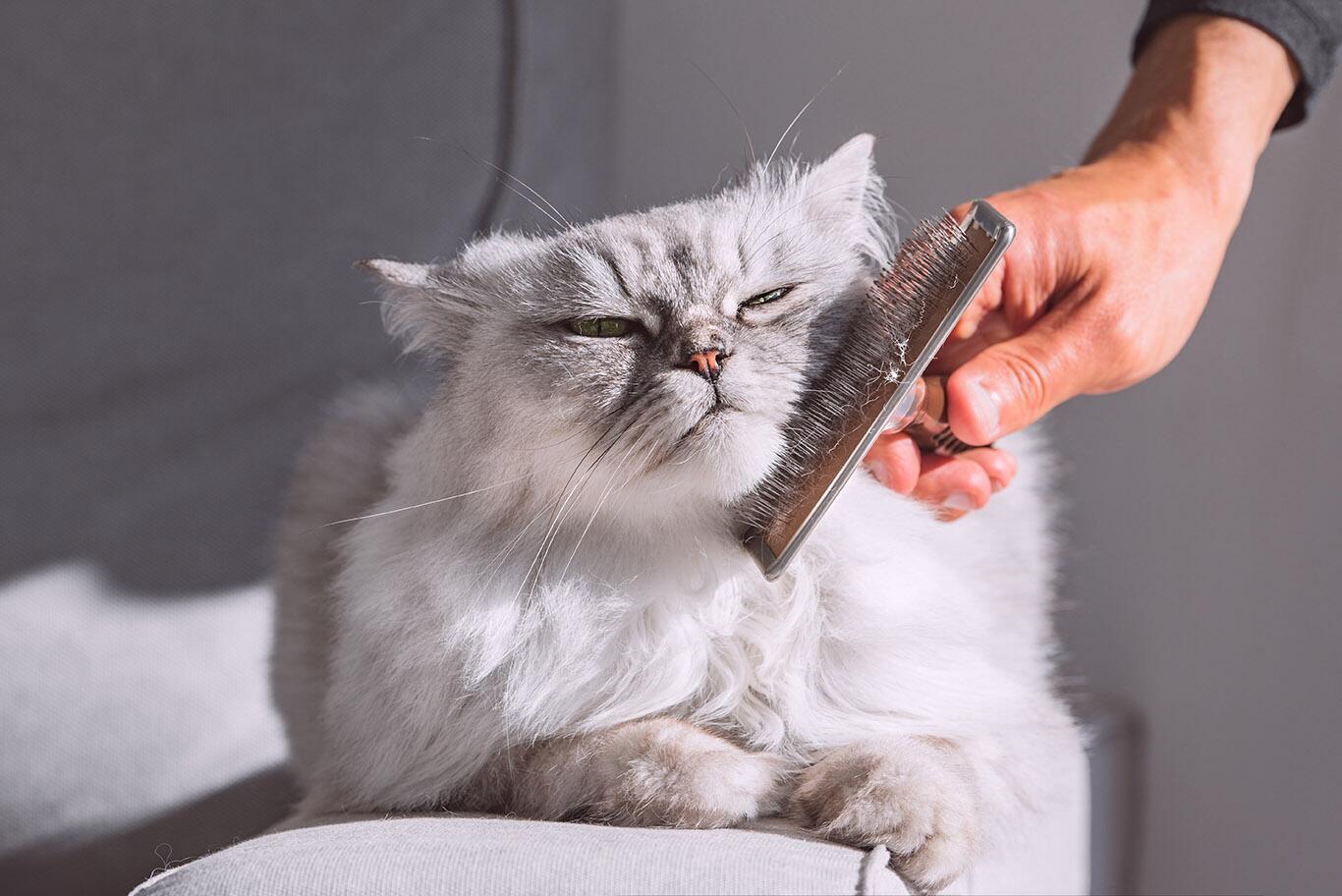
Brushing your cat regularly prevents mats and reduces shedding. Use a brush suited for your cat’s coat type—slicker brushes work well for long-haired cats, while short-haired cats prefer rubber brushes.
Start brushing gently from the head and move toward the tail, paying attention to sensitive areas like the belly and behind the ears. If your cat resists, try short sessions and offer treats to create positive associations.
Bathing Guidelines
Bathing cats isn’t usually necessary unless they get particularly dirty or have skin issues. Use lukewarm water and a cat-specific shampoo to avoid skin irritation.
Keep the bath short and calm; talk softly to soothe your cat. Make sure to rinse thoroughly and dry your cat quickly with a towel or a low-heat hair dryer if they tolerate it.
Nail Trimming Basics
Trimming your cat’s nails every few weeks keeps them from getting too sharp or causing injury. Use a special cat nail clipper and avoid cutting the quick, the pink part inside the nail, which can hurt your cat.
Hold your cat’s paw firmly but gently and trim just the tip of each nail. If your cat is nervous, try trimming a few nails at a time and reward them with treats for cooperation.
Special Grooming Considerations
Cats with long fur need grooming more often to prevent mats and tangles. Short-haired cats can be brushed weekly to keep their coat healthy and clean. Regular grooming also helps spot skin problems early.
Special grooming considerations are essential when it comes to maintaining your cat’s health and happiness. Some cats require extra attention due to age, health issues, or specific grooming needs. Understanding these special considerations can help you tailor your grooming routine to suit your feline friend better. Let’s dive into some unique situations that may influence how often your cat should be groomed.Senior Cats
As cats age, their grooming needs can change significantly. Older cats may have less flexibility, making it harder for them to groom themselves effectively. Regular grooming sessions can help keep their fur tangle-free and their skin healthy. You might notice your senior cat appreciates the extra attention and care during these sessions.Cats With Health Problems
Cats dealing with health issues often need more frequent grooming. Conditions like arthritis, obesity, or skin problems can make self-grooming difficult. Regular grooming can prevent matting and improve their comfort. Be gentle, especially around sensitive areas, and consider consulting your vet for specific advice tailored to your cat’s condition.Professional Grooming Services
Sometimes, enlisting the help of a professional groomer can be beneficial. If your cat has complex grooming needs or you’re unsure about the best approach, a professional can offer valuable assistance. They are trained to handle various grooming challenges and can provide tips for at-home care. Plus, a professional groom can sometimes be a soothing spa experience for your cat.
Credit: www.latimes.com
Creating A Grooming Routine
Creating a grooming routine for your cat is essential to keep their coat healthy and reduce shedding. Regular grooming sessions can also help you spot health issues early. The key is to make grooming a consistent and positive part of your cat’s life.
Setting A Schedule
Decide how often your cat needs grooming based on their fur type and lifestyle. Short-haired cats might only need brushing once a week, while long-haired breeds often require daily care. Pick specific days and times that fit your routine, so grooming becomes a natural habit for both you and your cat.
Try to keep sessions short at first, around 5 to 10 minutes, and gradually increase as your cat gets used to it. Ask yourself: Is there a quiet time when your cat is calm and more likely to cooperate? Consistency will help your cat expect and accept grooming without resistance.
Making Grooming Stress-free
Turn grooming into a calm, soothing experience rather than a chore. Use gentle, slow strokes and soft brushes to avoid pulling on fur or irritating the skin. If your cat shows signs of stress, pause and let them relax before continuing.
Consider grooming in a familiar, quiet spot where your cat feels safe. Play soft music or speak in a gentle voice to keep them calm. What small changes can you make to your environment to help your cat feel more comfortable during grooming?
Rewarding Your Cat
Positive reinforcement makes a big difference in how your cat views grooming. After each session, offer treats, affection, or playtime to create a positive link to grooming. This encourages your cat to look forward to the experience rather than dread it.
Experiment with different rewards to find what your cat values most. Even a simple “well done” in a loving tone can help. How can you make grooming a moment of bonding and trust between you and your cat?
Frequently Asked Questions
How Often Should Short-haired Cats Be Groomed?
Short-haired cats need grooming about once a week. This helps remove loose hair and reduces shedding. Regular brushing keeps their coat shiny and healthy. It also prevents hairballs and skin problems.
How Frequently Do Long-haired Cats Need Grooming?
Long-haired cats require grooming daily or every other day. Their fur can easily mat and tangle without frequent care. Regular grooming prevents painful mats and keeps their coat clean and soft.
Can Grooming Frequency Vary By Cat’s Age?
Yes, grooming needs change with age. Kittens may need less grooming, while older cats may need more help. Senior cats might have difficulty grooming themselves, so increased brushing is beneficial.
Does Indoor Or Outdoor Living Affect Grooming Needs?
Outdoor cats usually need more grooming due to dirt and debris. Indoor cats typically require less frequent grooming. However, all cats benefit from regular brushing to maintain a healthy coat.
Conclusion
Regular grooming keeps your cat healthy and happy. Long-haired cats need grooming more often than short-haired ones. Watch your cat’s behavior to know when grooming is needed. Clean fur means less hairballs and fewer mats. Pay attention to your cat’s skin and coat condition.
Grooming also helps you bond with your pet. Make grooming a calm and gentle routine. Keep your cat comfortable and look for signs of discomfort. A well-groomed cat feels better and looks great too. Simple care makes a big difference in your cat’s life.




Leave a Reply