Have you ever wondered how often your cat should be using the litter box? Understanding your cat’s bathroom habits is key to keeping them healthy and happy.
If you notice changes or have questions about their routine, it can be a sign that something’s off. You’ll discover what normal litter box use looks like and what to watch for. By the end, you’ll feel confident in knowing when your cat’s behavior is perfectly fine—and when it’s time to take action.
Keep reading to learn the simple signs that can make a big difference for your furry friend.
Normal Litter Box Frequency
Understanding how often a cat uses the litter box is important for its health. Normal litter box frequency varies based on several factors. Observing your cat’s habits helps spot changes early. These changes might indicate health issues or dietary needs.
Average Uses Per Day
Most cats use the litter box about two to four times daily. This includes both urination and defecation. Some cats may go more or less often depending on their routine. Regular use means your cat is likely healthy and comfortable.
Variations By Cat Age
Kittens tend to use the litter box more often than adult cats. Their small bladders mean they urinate frequently. Older cats might go less often but may also show signs of health problems. Watch for any sudden changes in litter box habits at any age.
Impact Of Diet On Frequency
A cat’s diet directly affects litter box frequency. Wet food usually increases urination because of higher water content. Dry food may lead to fewer trips but larger deposits. High-fiber diets can increase bowel movements. Always note changes after switching foods.
Signs Of Litter Box Issues
Noticing changes in your cat’s litter box habits can tell you a lot about their health and comfort. Cats are usually very clean animals. They prefer to use their litter box regularly. Any unusual behavior around the litter box can be a sign of a problem.
Watch closely for changes in how often or where your cat goes. These signs help you catch issues early. Acting quickly can prevent bigger health problems.
Decreased Usage
If your cat stops using the litter box as often, it may mean discomfort or illness. Pain from urinary tract infections or bladder issues can cause this. Sometimes the litter box is dirty or in a noisy place. Cats avoid unpleasant spots. Check the box’s cleanliness and location first.
Excessive Use
Using the litter box too often can also signal trouble. It might mean your cat is drinking more water or has a health problem like diabetes. Sometimes stress or anxiety makes cats visit the box frequently. Keep an eye on your cat’s behavior and water intake.
Spotting Outside The Box
Finding urine or feces outside the litter box is a clear sign of an issue. Your cat might be unhappy with the litter type or box size. Medical conditions can also cause accidents. Look for patterns in where your cat goes outside the box. This helps identify the cause faster.
Health Factors Affecting Usage
Cats have unique habits when using their litter box. Health issues can greatly affect their usage patterns. Understanding these factors helps ensure your cat’s well-being.
Urinary Tract Infections
Urinary tract infections (UTIs) can cause discomfort. Cats with UTIs might avoid the litter box. They associate it with pain. Frequent urination is a common sign. Watch for any signs of discomfort. Immediate veterinary attention is essential.
Digestive Problems
Digestive issues impact litter box habits. Cats with diarrhea may not reach the box in time. Constipation can also cause problems. Cats may strain or avoid the box. Monitor their habits closely. Consult a vet if problems persist.
Stress And Anxiety
Stress affects cats’ litter box usage. Changes in environment or routine can trigger anxiety. New pets or family members might cause stress. Cats might avoid the box or urinate outside it. Ensure a calm and stable environment. Provide comfort and reassurance.
Credit: vetic.in
Litter Box Maintenance Tips
Maintaining a clean litter box is essential for your cat’s health and comfort. A well-kept box encourages regular use and prevents accidents around the house. Simple care routines help keep odors low and your cat happy. Small changes can make a big difference in how often your cat uses the box.
Cleaning Schedule
Clean the litter box daily by scooping out waste. Replace the litter completely at least once a week. Wash the box with mild soap and warm water during each full change. Avoid strong-smelling cleaners that can upset your cat’s sensitive nose. Consistent cleaning keeps the box inviting and fresh.
Litter Type Choices
Choose a litter your cat prefers. Most cats like clumping clay or natural options like wood or paper pellets. Avoid dusty or heavily scented litters. Some cats may refuse to use a litter that irritates their paws or smell. Testing different types can help find the best fit.
Box Placement Advice
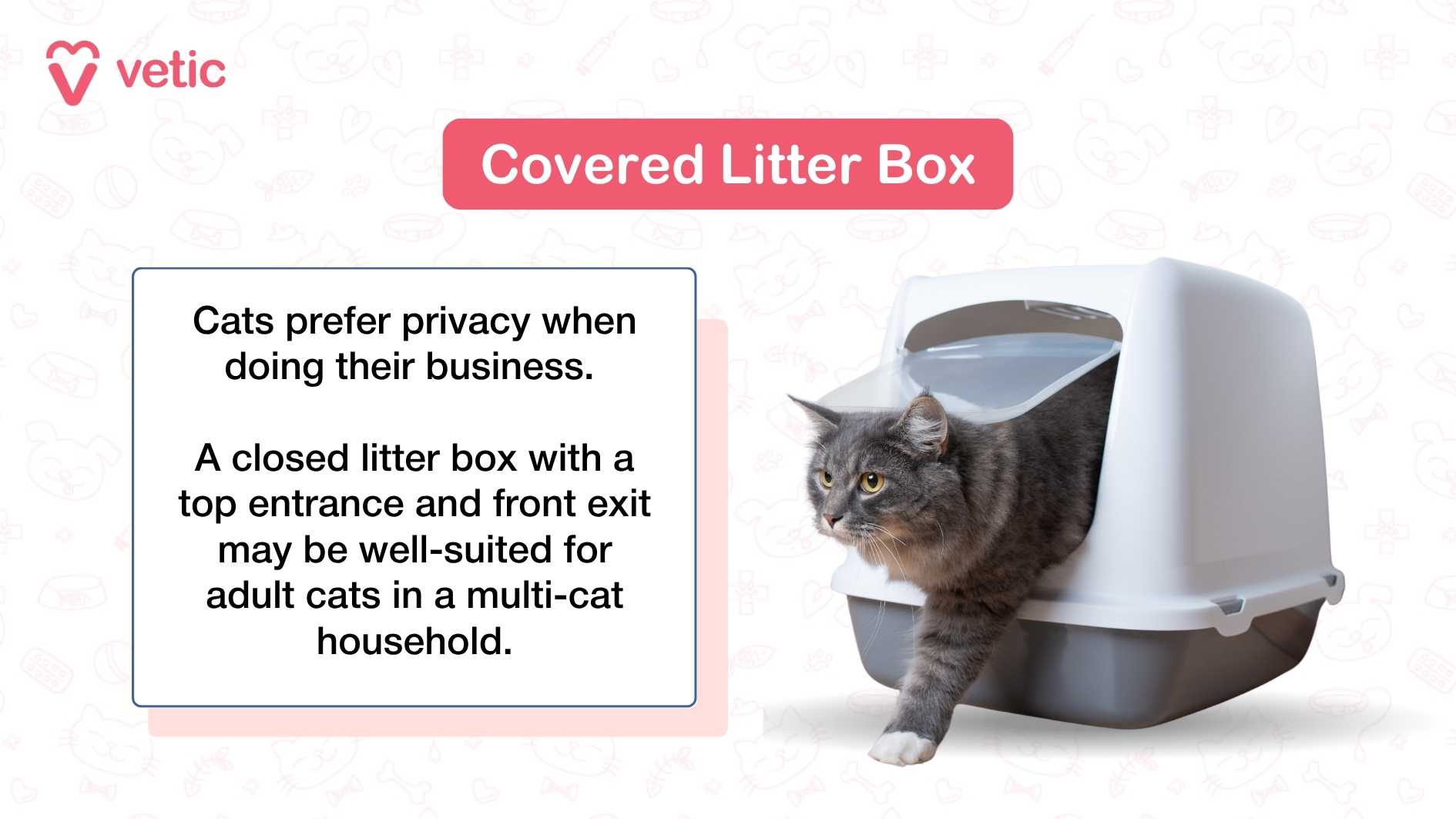
Place the litter box in a quiet, low-traffic area. Cats need privacy to feel safe using the box. Avoid placing it near their food or water bowls. Ensure the spot is easy for your cat to access at all times. Proper placement reduces stress and encourages regular use.
Encouraging Consistent Use
Encouraging consistent litter box use is essential for a clean home and a happy cat. Cats appreciate routine and a familiar place to do their business. Creating a calm and inviting environment helps your cat feel safe and comfortable. Consistency also reduces the chance of accidents outside the box. Simple changes can make a big difference in your cat’s behavior and health.
Training Kittens
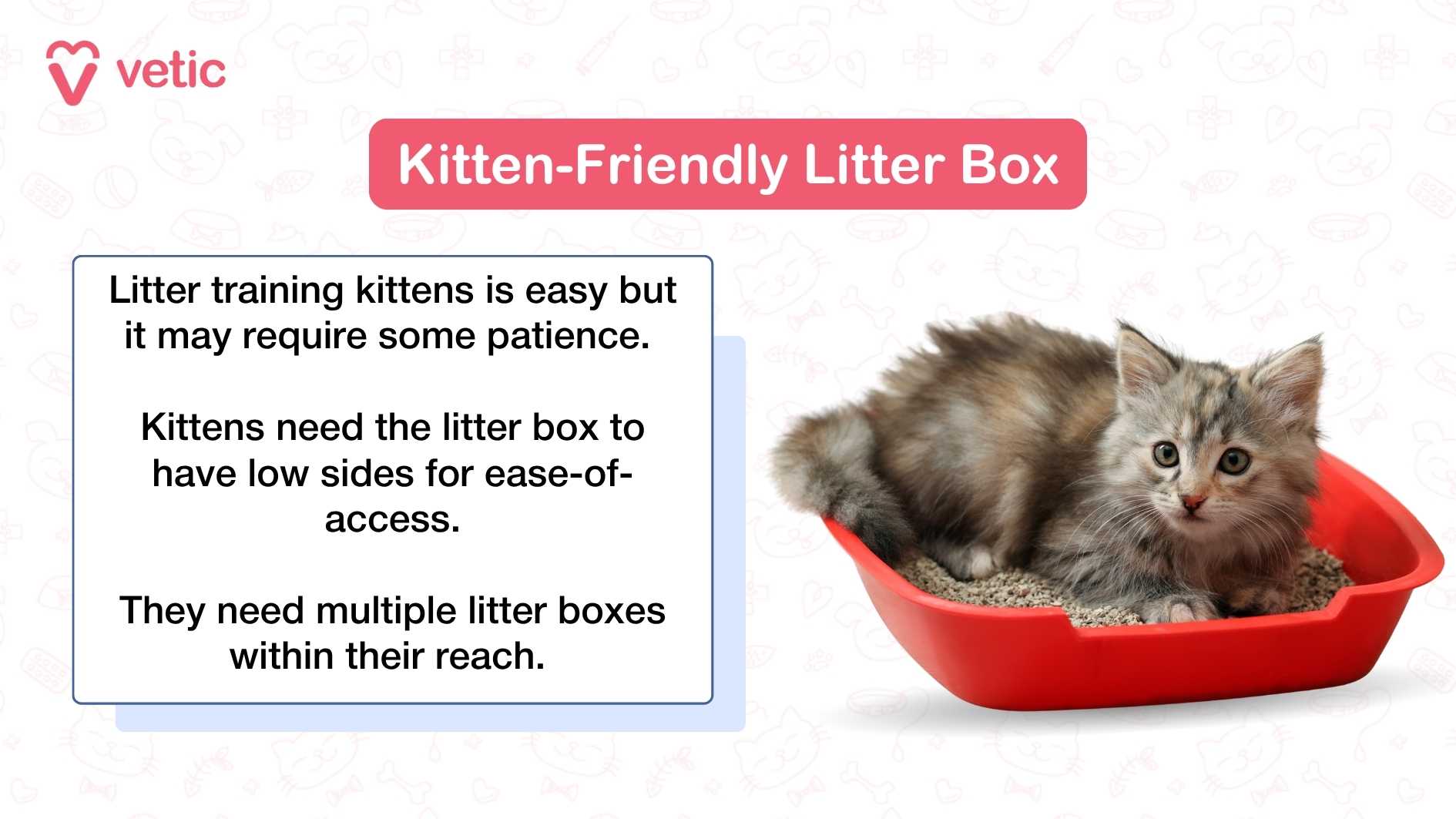
Start litter training as soon as kittens open their eyes. Place them in the box after meals and naps. Use a shallow box with soft litter to ease their first steps. Praise and gentle petting encourage positive habits. Keep the box clean to attract kittens back. Avoid moving the box too often. Consistent placement helps kittens learn faster.
Dealing With Behavioral Issues
Some cats avoid the litter box due to stress or fear. Watch for changes in their environment or routine. Provide multiple boxes in quiet, accessible spots. Use unscented, clumping litter to reduce odors. Clean boxes daily to maintain freshness. Avoid punishment; it increases anxiety and worsens behavior. Observe your cat’s preferences and adjust accordingly.
When To Consult A Vet
Sudden litter box avoidance may signal health problems. Watch for signs like frequent urination or blood in urine. A vet can check for infections, bladder issues, or pain. Behavioral problems can also have medical causes. Early diagnosis prevents complications and discomfort. Regular vet visits support your cat’s overall well-being.

Credit: www.purina.com

Credit: perfectpetzzz.com
Frequently Asked Questions
How Often Does A Healthy Cat Use The Litter Box?
A healthy cat typically uses the litter box 2 to 4 times daily. Frequency varies by age, diet, and water intake. Monitoring litter box habits helps detect health issues early and ensures your cat’s well-being.
What Affects A Cat’s Litter Box Usage Frequency?
Factors like diet, hydration, age, and stress impact litter box use. Medical conditions such as urinary tract infections can also change frequency. Observing changes helps in early diagnosis and maintaining your cat’s health.
When Should I Worry About Litter Box Changes?
If your cat suddenly uses the box less or more than usual, consult a vet. Consistent changes may indicate health problems like infections or stress. Early attention can prevent serious issues and keep your cat comfortable.
Can Litter Box Habits Indicate Cat Health Problems?
Yes, unusual litter box frequency or behavior can signal health issues. Problems like urinary tract infections or kidney disease often show through litter box changes. Monitoring habits helps catch illnesses early for effective treatment.
Conclusion
Cats usually use the litter box several times a day. This is normal and shows they are healthy. Watch for changes in how often your cat uses the box. Changes can mean your cat needs a vet check. Keep the litter box clean to encourage regular use.
A clean box helps your cat feel comfortable. Pay attention to your cat’s habits. Knowing these habits helps you care for your pet better. Regular litter box use means a happy, healthy cat.



Leave a Reply