Have you ever wondered how often your cat should be using the litter box? Knowing this can tell you a lot about your furry friend’s health and happiness.
If your cat is going more or less than usual, it might be a sign that something’s wrong. You’ll discover what’s normal, what’s not, and how to keep your cat comfortable and healthy. Keep reading to make sure you never miss an important clue about your pet’s well-being.

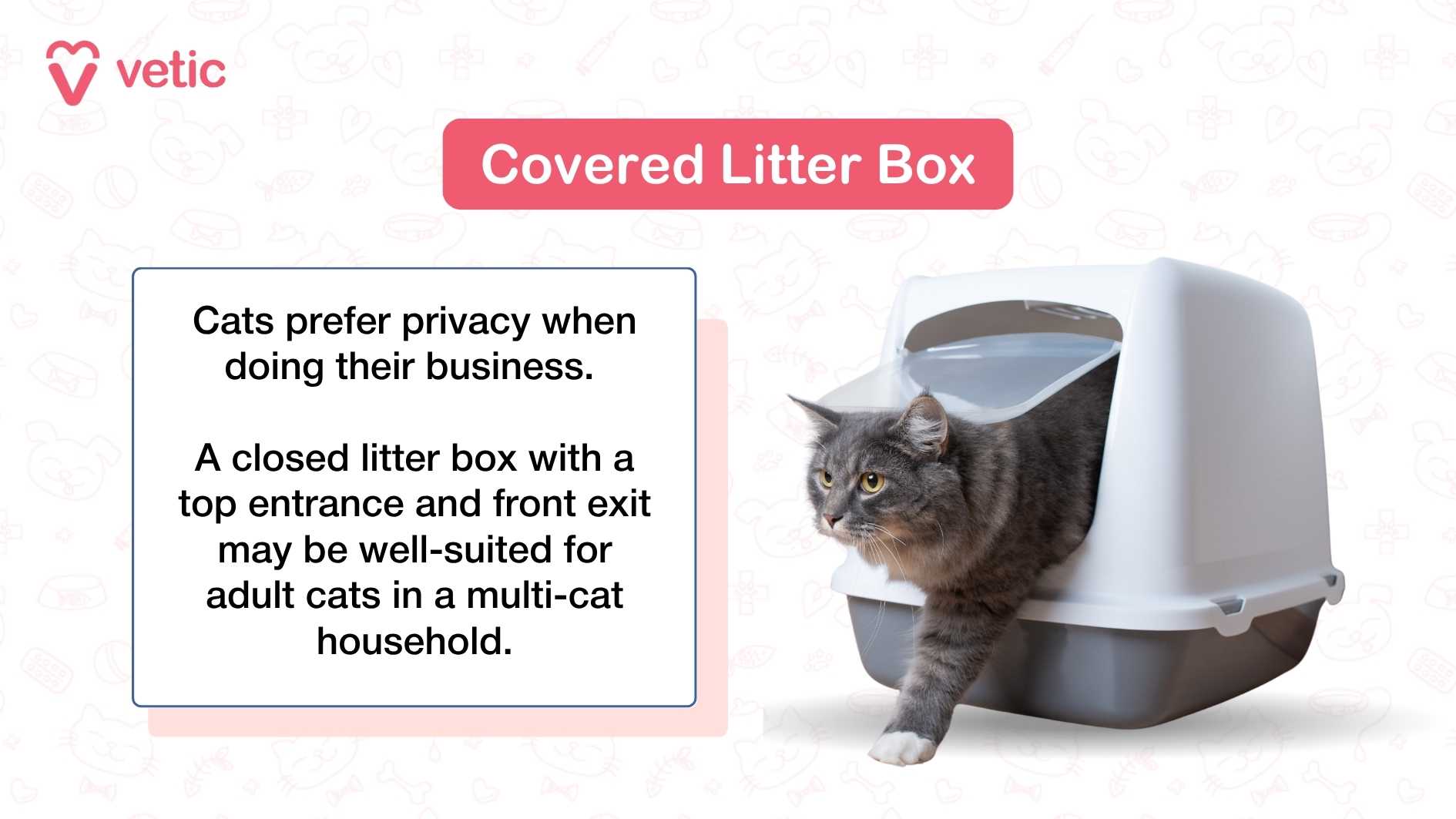
Credit: www.petplan.co.uk
Cat Litter Box Basics
Caring for a cat involves understanding its daily habits, especially litter box use. A cat’s litter box is more than just a toilet. It’s a place where your cat feels safe and comfortable. Knowing how often a cat uses the litter box helps you notice changes in health or behavior early.
Each cat has its own pattern, but there are common basics to learn. Cleanliness and location of the litter box affect how your cat uses it. Let’s explore the typical frequency and factors that influence your cat’s litter box habits.
Typical Usage Frequency
Cats usually use the litter box several times a day. Most cats urinate two to four times daily. Bowel movements often happen once a day but can vary.
Kittens may use the box more often as they eat and drink frequently. Older cats might visit less or more, depending on their health.
Watching these patterns helps spot problems early. A sudden change in frequency can mean illness or stress.
Factors Affecting Usage
- Diet:What a cat eats and drinks changes how often it uses the box.
- Health:Illnesses like urinary tract infections can increase or decrease visits.
- Stress:New pets, moving, or loud noises can affect litter box use.
- Box Cleanliness:Cats avoid dirty boxes and may hold in urine.
- Number of Boxes:More cats need more boxes to prevent accidents.
- Box Location:Quiet, private places encourage regular use.
Age And Health Impact
Age and health greatly affect how often a cat uses the litter box. Cats at different life stages show different bathroom habits. Health conditions can also change their litter box routine. Understanding these factors helps keep your cat happy and healthy.
Kittens And Elderly Cats
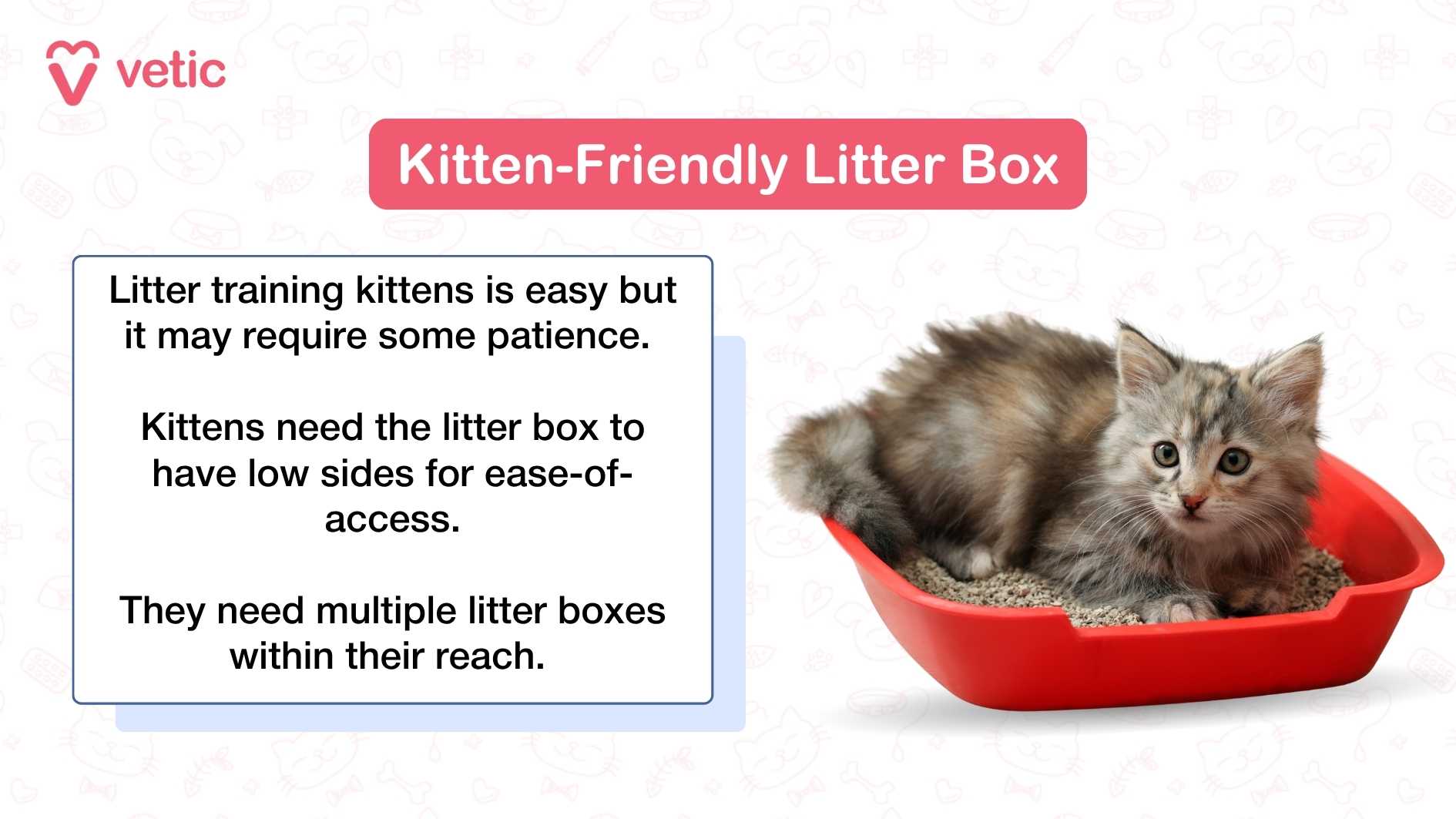
Kittens use the litter box more frequently than adult cats. Their small bladders mean they need to go often. They may visit the box every hour or two. Teaching kittens good habits early is important.
Elderly cats tend to use the litter box more or less often. Some may have weaker bladders and go more often. Others might have trouble reaching the box and go less. Watch for changes in their habits as they age.
Common Health Issues
Health problems can make cats change their litter box use. Urinary tract infections cause frequent or painful urination. Kidney disease may increase water intake and litter box visits. Diabetes can also lead to more bathroom trips.
Other issues include constipation or arthritis. Constipation means fewer visits but straining in the box. Arthritis can make it hard to get in and out of the box. Notice any sudden changes and consult a vet promptly.
Litter Box Preferences
Your cat’s litter box preferences play a huge role in how often they use it. If the setup isn’t right, your feline friend might avoid the box altogether. Understanding what your cat likes can help you keep their bathroom habits regular and stress-free.
Litter Type And Texture
Not all litters are created equal. Cats often prefer a fine, soft texture that feels gentle on their paws. I once switched from a clumpy clay litter to a silica gel type, and my cat immediately started using the box more consistently.
Consider offering a few options to see what your cat prefers. Some cats dislike scented litters, while others avoid those that are too dusty. Have you noticed your cat digging more or less depending on the litter type? That’s a good clue to follow.
Box Size And Location
Size matters when it comes to litter boxes. Your cat should have enough room to turn around comfortably without feeling cramped. I had a small box that my larger cat avoided, and upgrading to a bigger one made a big difference.
Where you place the box also affects usage. Cats like quiet, low-traffic areas. But avoid spots that are too isolated or hard to reach. Think about your cat’s daily routes—does the box fit naturally into their routine?
Behavioral Patterns
Cats have unique behavioral patterns that influence their litter box habits. These patterns can change based on their environment and feelings. Understanding these behaviors helps in keeping your cat healthy and happy. Monitoring litter box use reveals much about a cat’s mental and physical state.
Stress And Anxiety Effects
Stress and anxiety often cause changes in litter box use. A stressed cat might urinate more frequently or avoid the box entirely. New surroundings, loud noises, or changes in routine can trigger anxiety. Cats may also show signs like scratching outside the box or urinating in strange places. Recognizing these signs early helps prevent bigger problems.
Territorial Marking
Territorial marking is a natural behavior in cats. They use urine to mark their space, especially in multi-cat homes. This behavior can increase litter box visits or cause spraying outside the box. Unneutered males mark more often, but females and neutered cats may do it too. Providing enough litter boxes and safe spaces reduces territorial marking.
When To Worry
Cats usually visit their litter box several times daily. A consistent pattern is normal. But sudden changes might signal a problem. Understanding when to worry can help you catch issues early.
Signs Of Overuse Or Avoidance
Watch for signs your cat is overusing or avoiding the litter box. Overuse might mean frequent trips without results. Avoidance can show as urinating elsewhere. Both could indicate stress or health problems.
- Frequent visits with little or no output
- Urinating outside the box
- Scratching excessively around the box
Medical Conditions To Watch For
Certain medical conditions can affect litter box habits. Urinary tract infections cause pain, leading to avoidance. Diabetes increases thirst and urination frequency. Kidney disease also affects bathroom patterns.
- Urinary tract infections
- Diabetes
- Kidney disease
If you see these signs, consult your vet. Early action can prevent bigger problems.
Credit: vetic.in
Tips For Encouraging Proper Use
Encouraging a cat to use the litter box properly is key for a clean home and a happy pet. Some simple steps help build good habits. These tips focus on keeping the box inviting and teaching your cat gently. Consistency and care make a big difference.
Cleaning And Maintenance
Keep the litter box clean and fresh. Scoop out waste at least once a day. Wash the box with mild soap weekly. Avoid strong scents that can bother cats. Place the box in a quiet, private spot. Use enough litter, about 2-3 inches deep. Change all litter regularly to prevent odors. A clean box feels more comfortable for cats.
Training And Positive Reinforcement
Show your cat where the litter box is. Gently place kittens in the box after meals or naps. Praise or pet your cat when it uses the box. Offer small treats to reward good behavior. Avoid punishment for accidents; it confuses cats. Keep a regular feeding schedule to help predict bathroom times. Patience and kindness build trust and good habits.

Credit: www.purina.com
Frequently Asked Questions
How Many Times Does A Cat Use The Litter Box Daily?
Cats typically use the litter box 2 to 4 times a day. Frequency depends on age, diet, and health. Monitoring usage helps spot health issues early.
What Affects A Cat’s Litter Box Usage Frequency?
Diet, hydration, stress, and health conditions influence how often cats use the litter box. Changes in these can alter their habits.
Is It Normal If A Cat Uses The Litter Box Less?
Decreased litter box use may signal health problems like urinary tract infections. Consult a vet if usage drops suddenly.
How To Encourage A Cat To Use The Litter Box Regularly?
Keep the litter box clean, placed in a quiet area, and use preferred litter types. Positive reinforcement helps maintain regular use.
Conclusion
Cats usually use the litter box several times a day. Watching their habits helps spot health issues early. Changes in frequency or behavior may signal problems. Keep the box clean to encourage regular use. Providing a quiet, safe spot makes cats comfortable.
Understanding their routine supports a happy, healthy pet. Small efforts lead to big benefits for your cat’s well-being. Stay observant and enjoy a good relationship with your furry friend.

Leave a Reply