
Have you ever watched your cat spend hours licking its fur and wondered, “How often does a cat groom itself?” If you’re curious about your furry friend’s cleaning habits, you’re not alone. Understanding your cat’s grooming routine can help you spot any health issues early and keep your pet happy and comfortable.
You’ll discover exactly how often cats groom, why they do it so frequently, and what it means for your cat’s well-being. Keep reading to unlock the secrets behind your cat’s self-care rituals.

Credit: www.latimes.com
Cat Grooming Basics
Understanding the basics of cat grooming helps you appreciate how often and why your feline friend cleans itself. Grooming is not just about keeping a cat looking good; it plays a vital role in their health and well-being. Watching your cat’s grooming routine can reveal important clues about their mood and physical condition.
Why Cats Groom Themselves
Cats groom themselves primarily to stay clean. Their tongues have tiny, hook-like structures that help remove dirt, loose fur, and parasites. Grooming also regulates their body temperature by spreading natural oils across their fur.
Have you noticed how cats often groom after eating or waking up? This behavior calms them down and reduces stress. It also strengthens their sense of smell by covering their scent with their own unique odor, which is crucial for communication.
Common Grooming Behaviors
Most cats spend between 30 to 50 percent of their waking hours grooming. You might see them licking their paws and then rubbing their face, or cleaning their ears and tail. These actions are part of their daily routine to maintain hygiene and comfort.
- Licking fur to remove loose hairs and dirt
- Biting or nibbling to untangle knots
- Scratching to relieve itchiness or remove parasites
- Using paws to wipe their face and head
Some cats also groom each other, a behavior called allogrooming, which helps build social bonds. If your cat suddenly stops grooming or overgrooms, it might indicate health or stress issues worth discussing with your vet.
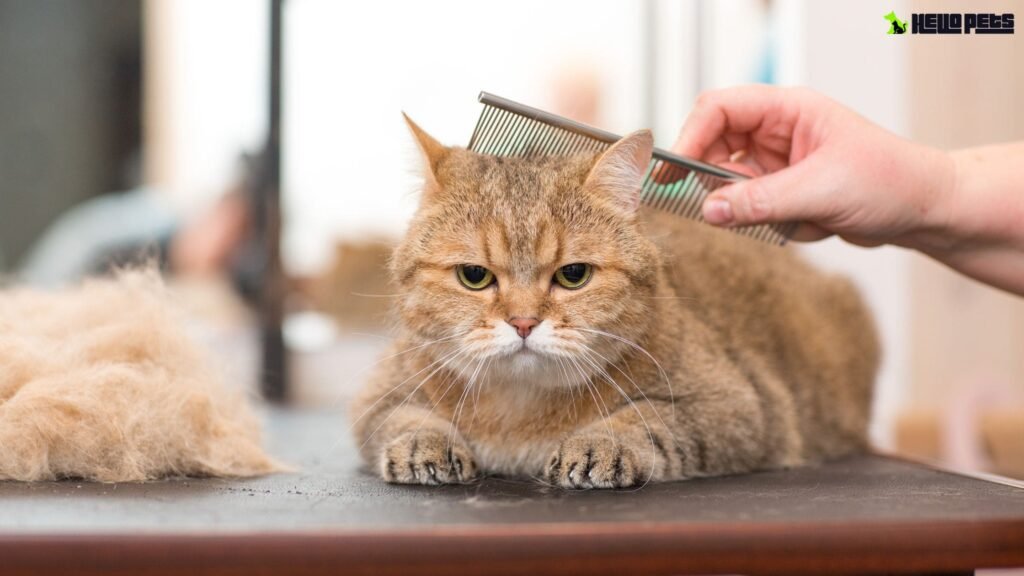
Credit: hellopetsinc.com
Frequency Of Grooming
Cats are well known for their grooming habits. They spend a large part of their day cleaning themselves. Understanding how often cats groom helps owners ensure their pet’s health and comfort.
Daily Grooming Patterns
Cats usually groom several times a day. This behavior keeps their fur clean and shiny. Grooming also helps cats regulate body temperature. They lick their fur to remove dirt and loose hair. Most cats spend about 30-50% of their waking hours grooming.
Grooming happens in short sessions throughout the day. Cats often pause to rest or play between grooming. They focus on different body parts like face, legs, and tail. This routine helps maintain their overall hygiene.
Factors Affecting Grooming Frequency
Several factors change how often cats groom. Age plays a big role. Young cats groom more frequently than older cats. Health issues can reduce grooming habits.
Long-haired cats groom more than short-haired ones. They need extra care to avoid matting. Stress or changes in environment can also affect grooming. Cats under stress may groom less or over-groom.
Diet and hydration impact coat condition too. Well-nourished cats have healthier fur and groom regularly. Observing grooming frequency helps spot health problems early.
Breed And Age Impact
Understanding how breed and age affect your cat’s grooming habits can help you support their health better. Different breeds come with unique coat types and grooming needs, while age influences how often and how well cats clean themselves. Observing these factors can guide you in providing the right care for your feline friend.
Grooming Differences By Breed
Short-haired cats like the American Shorthair usually groom less because their coats are easier to maintain. On the other hand, long-haired breeds such as Persians or Maine Coons spend more time grooming to prevent mats and tangles.
Some breeds, like the Sphynx, have minimal fur but still need regular skin care since they lack a protective coat. You might notice that cats with dense undercoats shed heavily during certain seasons, increasing their grooming activity.
- Long-haired cats can groom up to several hours daily to maintain their coat.
- Short-haired breeds often groom less frequently but still need brushing to remove loose fur.
- Hairless breeds require occasional baths to keep their skin healthy since they don’t groom fur.
How Age Changes Grooming Habits
Young cats and kittens are usually very thorough groomers. They have the energy and flexibility to reach every spot, keeping their coats spotless.
As cats grow older, their grooming habits may slow down. Joint pain, dental issues, or reduced mobility can make it harder for them to clean themselves properly.
Older cats might need your help with grooming, especially if you notice mats or dirt buildup. Regular brushing can keep their fur healthy and prevent skin problems.
Have you observed changes in your cat’s grooming as they age? Paying attention to these signs can ensure your cat stays comfortable and clean throughout their life.
Credit: temeculapetsalonandspa.com
Health And Grooming
Cats spend a good part of their day grooming themselves. This self-care keeps their fur clean and skin healthy. Grooming also helps cats relax and feel safe. Changes in grooming habits can show health issues. Watching your cat’s grooming can give clues about its wellbeing.
Signs Of Over-grooming
Over-grooming can harm a cat’s skin and fur. Cats may lick or bite one area too much. This causes bald spots, redness, or sores. Stress, allergies, or pain often cause over-grooming. Look for:
- Hair loss in specific spots
- Red or irritated skin
- Scabs or wounds
- Excessive licking or biting
Over-grooming needs attention from a vet. It might point to deeper health or emotional problems.
When Grooming Decreases
A drop in grooming can also signal trouble. Sick, old, or overweight cats often groom less. Poor grooming leads to matted fur and skin issues. Signs of decreased grooming include:
- Dirty or greasy coat
- Foul smell from fur
- Clumps of fur or mats
- Scruffy appearance
Less grooming can mean illness, arthritis, or dental pain. Notice these signs early and seek veterinary care.
Owner’s Role In Grooming
As a cat owner, your role in grooming is vital. Cats often groom themselves, but they still need your help. Regular grooming keeps your cat healthy and happy. It helps in spotting any health issues early. Understanding your cat’s grooming needs is essential.
Helping With Grooming Needs
Some cats need more grooming than others. Long-haired breeds require frequent brushing. This prevents matting and tangles. Short-haired cats also benefit from occasional brushing. It helps remove loose fur and reduces shedding. Be gentle and patient while grooming. Make it a bonding time with your cat.
Tools For Cat Grooming
Using the right tools makes grooming easier. A brush or comb is essential for all cats. Choose one suited for your cat’s fur type. Nail clippers help keep claws at a safe length. Use a gentle, cat-specific shampoo for occasional baths. Always have towels ready for drying.
Frequently Asked Questions
How Often Do Cats Groom Themselves Daily?
Cats groom themselves several times a day, usually between 2 to 4 hours. Grooming keeps their fur clean, controls oils, and helps regulate body temperature. It also reduces stress and strengthens their bond with themselves and other cats.
Why Do Cats Groom More When Stressed?
Cats increase grooming when stressed as a self-soothing behavior. Over-grooming can signal anxiety or discomfort. It helps them calm down and regain a sense of control. Monitoring grooming frequency helps identify stress in your cat early.
Can Grooming Frequency Indicate Cat Health Issues?
Yes, changes in grooming frequency can signal health problems. Less grooming may indicate illness or pain. Excessive grooming might point to skin conditions or allergies. Regular grooming habits help detect health issues early for timely care.
Do Kittens Groom Themselves As Often As Adult Cats?
Kittens groom less frequently than adult cats. They learn grooming habits by watching their mother and littermates. As they grow, their grooming time increases to maintain cleanliness and comfort. Proper grooming is vital for their development.
Conclusion
Cats groom themselves many times a day to stay clean and healthy. This habit helps remove dirt and loose fur. Grooming also keeps their skin fresh and cool. Some cats groom more than others, depending on their mood and health.
Watching your cat’s grooming can tell you a lot about their well-being. Regular grooming habits show a happy, healthy cat. Keep an eye on changes in grooming to catch any problems early. Simple care and attention go a long way in helping your cat feel good.




Leave a Reply