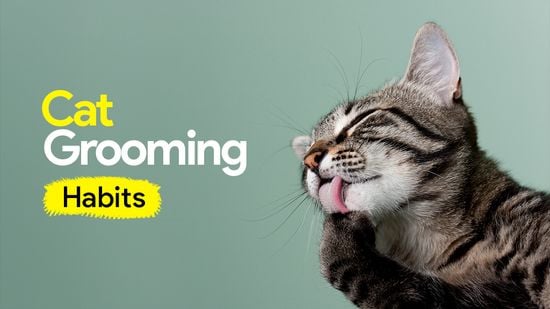
How often do you have to groom a cat? If you’re a cat owner, this question probably crosses your mind more than once.
Grooming isn’t just about keeping your furry friend looking good—it’s key to their health and happiness. But how often should you brush, bathe, or check their claws? Getting this right can save you from unexpected vet visits and keep your cat comfortable every day.
Keep reading, and you’ll discover simple grooming tips tailored just for your cat’s needs.
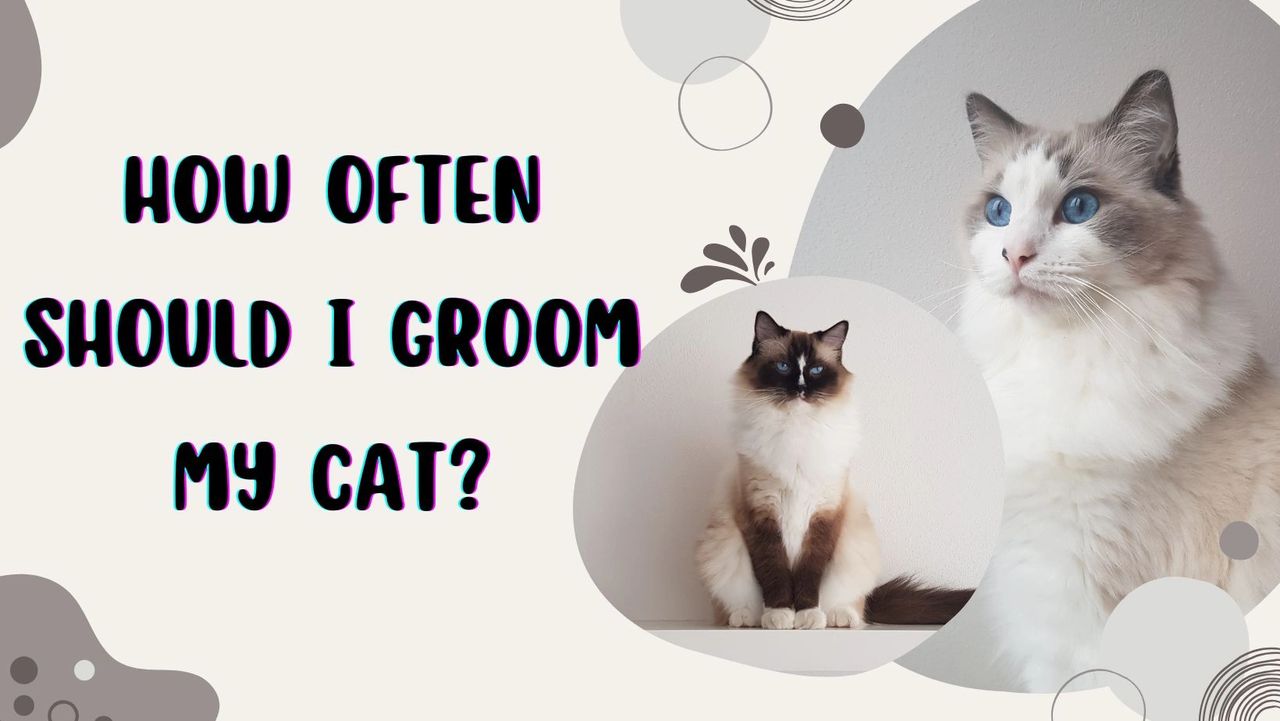
Credit: temeculapetsalonandspa.com
Grooming Frequency Basics
Grooming your cat isn’t just about keeping them looking good—it plays a big role in their health and happiness. How often you groom depends on several factors, including your cat’s fur type, age, and lifestyle. Understanding these basics helps you set a grooming routine that fits your cat’s unique needs.
Factors Affecting Grooming Needs
Each cat is different, so grooming frequency varies. A cat’s coat thickness, activity level, and even health conditions impact how often they need grooming. You might find your playful indoor cat needs less attention than an outdoor explorer who gathers dirt and debris daily.
Think about your cat’s shedding patterns too. Some cats shed heavily in spring and fall, requiring more frequent brushing to manage loose fur. Pay attention to your cat’s comfort and skin condition as clues for when to groom.
Short-haired Cats
Short-haired cats are often easier to care for, needing grooming about once a week. Their fur doesn’t mat as easily, but regular brushing helps remove loose hairs and reduces hairballs. I once had a short-haired cat who loved the attention during grooming sessions, making it a bonding moment.
Even if your cat has short fur, check for signs of dirt, fleas, or skin irritations. Grooming is a good chance to spot problems early before they become serious. Would you want to miss a hidden issue simply because you skipped a quick brush?
Long-haired Cats
Long-haired cats require daily grooming to prevent tangles and mats that can be painful. Their thick coats trap dirt and debris, which can lead to skin infections if left unchecked. A long-haired friend of mine once developed mats so tight that vet visits became necessary—something easily avoided with consistent care.
Using a wide-tooth comb and a soft brush helps keep their fur smooth and comfortable. Don’t forget to check areas behind the ears and under the legs where mats like to hide. How much time can you realistically dedicate each day to keep your fluffy friend happy?
Senior Cats And Grooming
Older cats often need more grooming help because they groom less effectively on their own. Arthritis or dental problems can make self-grooming painful or difficult. I noticed my senior cat’s coat getting dull until I stepped in with gentle, regular brushing, which improved both her coat and mood.
Keep grooming sessions gentle and watch for sensitive spots. You might need to groom them more often to compensate for their reduced mobility. Have you checked if your senior cat might enjoy or need extra grooming as part of their care routine?
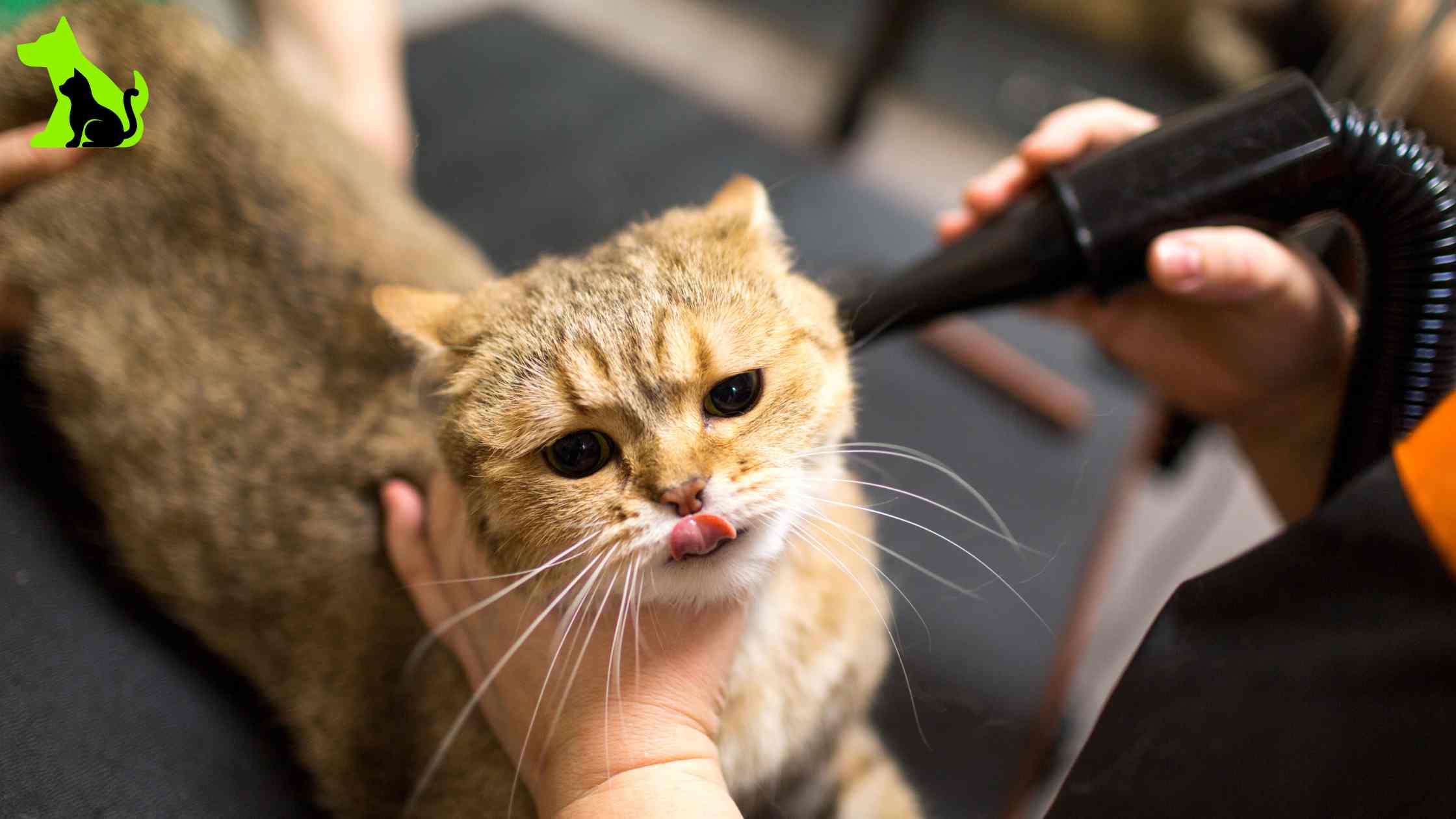
Credit: hellopetsinc.com
Essential Grooming Tools
Keeping your cat well-groomed requires the right tools. Having the essential grooming items ready not only makes the process smoother but also keeps your cat comfortable and happy. Let’s take a closer look at the grooming tools you’ll want to keep on hand.
Brush Types And Uses
Different brushes serve different purposes depending on your cat’s coat type. A slicker brush works wonders for removing loose fur and preventing mats in long-haired cats. Meanwhile, a bristle brush is gentler and perfect for short-haired cats to maintain a shiny coat.
I once underestimated the value of a good slicker brush until my long-haired cat started getting mats that even I couldn’t handle. After switching to the right brush, grooming became a bonding time instead of a struggle. What brush do you currently use, and how effective is it?
Combs And Dematting Tools
Combs help you catch tangles early before they turn into painful mats. A fine-toothed comb is ideal for smoothing and checking for debris or fleas. For tougher mats, dematting tools with rounded blades can safely break apart knots without hurting your cat.
Using dematting tools requires patience and care. I recommend starting with gentle combing to avoid stressing your cat. Have you tried any special tools for mats, or do you rely solely on brushes?
Nail Clippers And Trimmers
Keeping your cat’s nails trimmed prevents damage to furniture and accidental scratches. Scissor-style clippers offer control, while guillotine clippers are easier for beginners. Electric trimmers provide a smooth finish but might need your cat to be very calm.
When I first trimmed my cat’s nails, I used basic clippers and made the mistake of cutting too close. Now, I prefer a nail trimmer with a safety guard to avoid hurting her. How comfortable are you with trimming your cat’s nails at home?
Other Useful Accessories
- Grooming gloves:Great for cats who dislike brushes, these gloves let you pet your cat while removing loose fur.
- Ear and eye wipes:Useful for keeping sensitive areas clean without causing discomfort.
- Styptic powder:A must-have in case you accidentally nick your cat’s quick while trimming nails.
These extras can make grooming less stressful for both of you. Do you have any go-to accessories that have made grooming easier?
Grooming Techniques
Grooming a cat keeps them healthy and happy. It also reduces shedding and prevents hairballs. Using the right techniques makes grooming easier for both you and your cat. Knowing how to brush, bathe, trim nails, and clean ears and eyes helps maintain your cat’s well-being.
Brushing Tips
- Choose a brush suited for your cat’s fur type.
- Brush gently to avoid hurting your cat’s skin.
- Brush in the direction of hair growth for best results.
- Focus on areas where mats and tangles form.
- Brush regularly to remove loose hair and dirt.
- Use short sessions to keep your cat calm.
Bathing Your Cat
- Use a cat-friendly shampoo only.
- Fill the tub with a few inches of lukewarm water.
- Wet your cat slowly and carefully.
- Apply shampoo and lather gently.
- Rinse thoroughly to avoid residue.
- Dry your cat with a soft towel.
- Keep the room warm during and after the bath.
Nail Trimming Steps
- Use sharp nail clippers designed for cats.
- Hold your cat’s paw firmly but gently.
- Trim only the sharp tip to avoid the quick.
- Cut a little at a time to prevent bleeding.
- Have styptic powder ready to stop any bleeding.
- Reward your cat with treats after trimming.
Ear And Eye Care
- Check ears for dirt, wax, or redness.
- Use a damp cotton ball to clean the outer ear.
- Avoid inserting anything deep into the ear canal.
- Wipe eyes gently with a soft, damp cloth.
- Look for signs of infection like swelling or discharge.
- Consult a vet if you notice unusual symptoms.

Credit: www.purina.com
Signs Your Cat Needs More Grooming
Grooming is more than just a luxury for your feline friend—it’s a necessity. While cats are generally great at self-cleaning, there are times when they need a bit of human help. Recognizing the signs that your cat requires more grooming can prevent health issues and keep your pet happy and comfortable. Let’s explore some key indicators that it’s time to step up your grooming routine.
Excess Shedding
Have you noticed an uptick in fur around your home? Excess shedding could be a signal that your cat needs more grooming. Regular brushing can help manage shedding and reduce the risk of hairballs. It also keeps your furniture fur-free. If you’re constantly finding fur on your clothes and furniture, it might be time to reach for that brush more often.
Matting And Tangles
Matting is not just a cosmetic issue; it can be painful for your cat. Tangles can pull on your cat’s skin, causing discomfort and even skin infections. Regular grooming helps prevent these mats from forming. If you notice tangles forming, it’s a clear sign that your cat needs more frequent grooming sessions.
Skin Irritations
Skin irritations such as redness or flakiness can indicate a lack of grooming. Grooming helps distribute natural oils through your cat’s coat, keeping their skin healthy. If you notice your cat scratching more than usual or if their skin looks irritated, consider increasing your grooming efforts.
Behavioral Changes
Is your usually calm cat suddenly acting out? Behavioral changes can be a subtle sign that your cat is uncomfortable or stressed due to grooming neglect. Cats may become irritable if their coats are not properly maintained. Pay attention to any shifts in behavior—they might be your cat’s way of asking for a little extra grooming attention.
So, how often should you groom your cat? It largely depends on their breed and coat type. Long-haired cats typically require more frequent grooming than their short-haired counterparts. But regardless of breed, keeping an eye out for these signs ensures your furry friend stays healthy and happy. Have you noticed any of these signs in your cat? It might be time to start a new grooming routine.
Special Grooming Considerations
Special grooming needs are important for certain cats. Some cats require more care because of health or behavior. Adjusting grooming routines helps keep cats happy and healthy. Understanding these special cases makes grooming easier and safer.
Cats With Medical Conditions
Cats with skin problems need gentle grooming tools. Use soft brushes to avoid irritation. Check for wounds or sores before brushing. Cats with arthritis may not like long sessions. Short, calm grooming works best for them.
Dealing With Aggressive Cats
Aggressive cats need patience and slow grooming. Use treats to build trust during sessions. Try grooming in a quiet, safe place. Avoid sudden moves to prevent stress or bites. Sometimes, grooming gloves help protect your hands.
Seasonal Grooming Adjustments
Adjust grooming based on the season. In spring and fall, cats shed more fur. Brush often to remove loose hair and prevent mats. In winter, check for dry skin and use gentle moisturizers. Summer grooming helps cool your cat and reduce shedding.
Benefits Of Regular Grooming
Regular grooming brings many benefits for both cats and their owners. It keeps cats clean and healthy while strengthening the bond between you. Grooming also helps manage fur problems that can cause discomfort.
Health And Hygiene
Grooming removes dirt, debris, and loose hair from your cat’s coat. It helps prevent skin infections and mats that can hurt your cat. Checking your cat during grooming can spot health issues early. Clean fur means fewer pests like fleas and ticks.
Bonding With Your Cat
Grooming creates a calm, quiet time with your cat. It builds trust and comfort between you both. Cats often enjoy gentle brushing, which relaxes them. This shared time strengthens your relationship.
Reducing Hairballs
Brushing regularly reduces the amount of fur your cat swallows. Less swallowed fur means fewer hairballs. Hairballs can cause discomfort and digestive issues. Grooming helps keep your cat’s tummy happier.
Frequently Asked Questions
How Often Should You Groom A Short-haired Cat?
Short-haired cats need grooming once every two weeks. Regular brushing removes loose fur and reduces shedding. It also prevents hairballs and keeps their coat healthy.
When To Groom A Long-haired Cat?
Long-haired cats require daily grooming. Frequent brushing prevents mats and tangles. It also promotes healthy skin and reduces hairballs.
Can Grooming Frequency Vary By Cat Breed?
Yes, grooming needs differ by breed. Some breeds with dense coats need more frequent grooming. Always consider your cat’s coat type and lifestyle.
Why Is Regular Grooming Important For Cats?
Regular grooming removes loose fur and dirt. It prevents matting and reduces hairballs. Grooming also helps monitor your cat’s health and skin condition.
Conclusion
Grooming your cat regularly keeps their coat healthy and clean. Short-haired cats need grooming once a week. Long-haired cats require daily brushing to avoid mats. Pay attention to your cat’s needs and habits. Grooming helps reduce shedding and hairballs too.
It also gives you a chance to check for health issues. Make grooming a calm and positive time for your cat. A little effort each week goes a long way in keeping your pet happy and comfortable. Remember, happy cats mean happy homes.



Leave a Reply