Have you ever wondered how much time your cat spends grooming itself each day? Understanding your cat’s grooming habits can tell you a lot about its health and happiness.
You might be surprised to learn just how important and time-consuming this daily ritual really is. Keep reading to discover the fascinating truth about your cat’s grooming routine and what it means for your furry friend’s well-being.
Cat Grooming Habits
Cats spend a lot of time grooming themselves every day. This behavior helps them stay clean and healthy. Grooming also cools them down and reduces stress. Understanding their grooming habits sheds light on their daily routines and well-being.
Daily Grooming Duration
Most cats groom for about 30 to 50 minutes each day. Some cats may spend even more time, especially long-haired breeds. Grooming usually happens in short sessions throughout the day. It is part of their natural instinct to maintain clean fur and skin.
Factors Affecting Grooming Time
- Breed:Long-haired cats need more grooming than short-haired ones.
- Age:Older cats may groom less due to mobility issues.
- Health:Skin problems or pain can reduce grooming activity.
- Environment:Outdoor cats might groom more to remove dirt.
- Stress:Stressed cats may groom excessively or very little.
Why Cats Groom So Much
Cats spend a surprising amount of time grooming themselves every day. But why do they do it so much? Understanding the reasons behind this behavior helps you appreciate your feline friend’s routines and spot if something feels off.
Maintaining Cleanliness
Your cat’s grooming is mainly about staying clean. Their tongue acts like a natural brush, removing dirt, loose fur, and parasites.
Grooming also prevents skin infections by keeping their coat healthy and free from debris. Have you noticed how your cat’s fur looks shinier after a grooming session? That’s a sign they’re taking care of themselves.
Regulating Body Temperature
Grooming helps cats cool down or warm up. When they lick their fur, saliva evaporates, which cools their skin on hot days.
Conversely, in cooler weather, grooming fluffs up their fur, creating insulation to keep them warm. It’s a simple but effective way for cats to control their body temperature without needing you to adjust the thermostat.
Scent Marking And Communication
Cats also groom to spread their unique scent. Their saliva carries their personal smell, which they deposit on their fur and surroundings.
This scent marking is a way to communicate with other cats and feel secure in their territory. Next time you see your cat grooming, think of it as a secret message they’re sending out.
Grooming Differences By Cat Type
Cats spend a lot of time grooming themselves, but not all cats groom the same way or for the same amount of time. Various factors influence their grooming habits. These include breed, age, and health. Understanding these differences helps pet owners care better for their cats.
Breed Variations
Some cat breeds groom more often than others. Long-haired cats, like Persians, need more grooming to keep their fur clean and free of tangles. Short-haired cats usually spend less time grooming. Hairless breeds, such as the Sphynx, groom frequently to keep their skin clean.
Age And Grooming
Kittens groom less than adult cats. They learn grooming from their mother and get better with time. Older cats may groom less due to stiffness or tiredness. This can cause their fur to look unkempt. Owners should watch for changes in grooming habits as cats age.
Health Impact On Grooming
Health problems affect grooming too. Cats with dental pain or arthritis may groom less. Skin conditions or parasites can cause excessive grooming or bald spots. Regular vet checks help spot health issues early. Healthy cats usually keep their coats clean and shiny through regular grooming.
Signs Of Overgrooming
Overgrooming in cats can signal stress or health issues. Cats usually groom to stay clean and calm. But too much grooming can harm their skin and fur. Recognizing signs of overgrooming helps protect your cat’s well-being.
Behavioral Indicators
- Excessive licking or biting the same spot repeatedly
- Restlessness or pacing during grooming
- Sudden changes in grooming habits
- Avoiding play or social interaction
- Increased irritability or hiding
Physical Symptoms
- Redness or inflammation on the skin
- Hair loss or bald patches
- Scabs or sores from biting
- Dry, flaky, or irritated skin
- Visible wounds or crusty areas
Tips To Support Your Cat’s Grooming
Cats spend a large part of their day grooming. It is essential for their health. Yet, they might need some help. Owners can support their cats with a few simple steps. These tips can make a difference.
Brushing Techniques
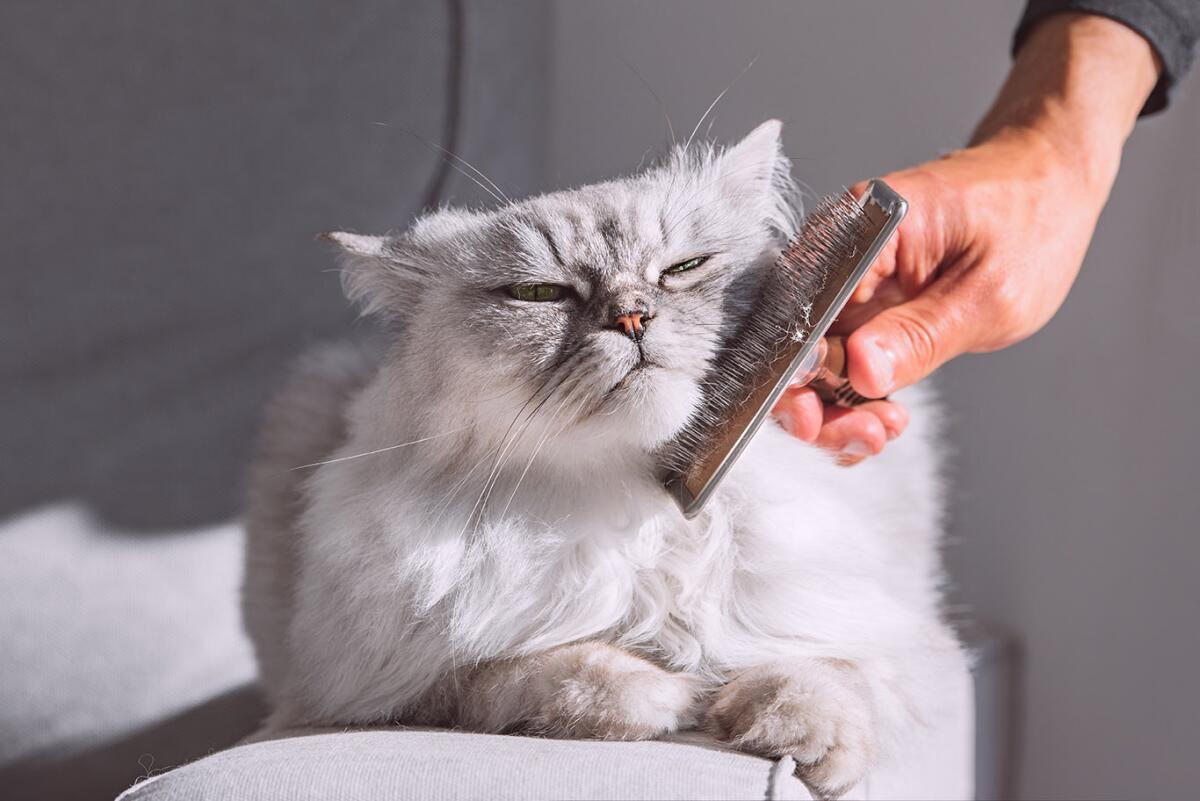
Regular brushing helps remove loose fur. It prevents matting and reduces hairballs. Use a soft-bristled brush for long-haired cats. A rubber brush works well for short-haired cats. Brush in the direction of hair growth. Be gentle to avoid hurting your cat. Make it a calm, bonding time. This helps your cat relax during grooming.
Diet And Hydration
A healthy diet supports a shiny coat. Choose cat food rich in omega-3 fatty acids. It improves skin and fur health. Provide fresh water daily. Hydration is crucial for skin moisture. Wet food can also boost water intake. A balanced diet enhances natural grooming. Your cat will feel and look better.
When To See A Vet
Excessive grooming can signal health issues. Watch for bald spots or irritated skin. These may indicate allergies or parasites. If your cat stops grooming, it might be sick. A vet can identify underlying problems. Regular check-ups ensure your cat stays healthy. Early detection of issues is key.
Frequently Asked Questions
How Long Do Cats Spend Grooming Daily?
Cats typically spend 30 to 50 percent of their day grooming. This can equal 2 to 5 hours daily. Grooming helps them stay clean, regulate body temperature, and reduce stress.
Why Do Cats Groom Themselves So Often?
Cats groom to remove dirt, loose fur, and parasites. It also spreads natural oils for a shiny coat. Grooming soothes and calms cats, reducing anxiety and promoting comfort.
Does Grooming Time Vary By Cat Breed?
Yes, grooming time varies among breeds. Long-haired cats like Persians spend more time grooming. Short-haired cats generally groom less but still maintain cleanliness regularly.
Can Excessive Grooming Indicate Health Problems?
Excessive grooming may signal stress, allergies, or skin issues. If your cat grooms excessively, consult a vet. Early detection helps address potential health or behavioral problems.
Conclusion
Cats spend a lot of time grooming every day. This habit keeps their fur clean and healthy. Grooming also helps cats feel calm and relaxed. Different cats may spend different amounts of time grooming. Older cats or those with health issues might groom less.
Understanding your cat’s grooming habits helps you notice any changes. Changes can signal health problems early. Keep watching your cat’s grooming to ensure their well-being. A clean, well-groomed cat is usually a happy cat.

Leave a Reply