Have you ever watched your cat spend hours licking their fur and wondered, “Is this normal?” Grooming is a big part of your cat’s daily routine, but how much should cats groom to stay healthy and happy? If you’re worried about whether your furry friend is grooming too much or too little, you’re not alone.
Understanding your cat’s grooming habits can help you spot problems early and keep your pet comfortable. Keep reading to discover what’s normal, what’s not, and how you can support your cat’s self-care routine.
Cat Grooming Basics
Cats spend a good amount of time grooming themselves each day. This behavior keeps their fur clean and healthy. Understanding the basics of cat grooming helps pet owners know what is normal. It also helps spot any problems early. Grooming is more than just cleaning; it supports a cat’s wellbeing.
Why Cats Groom Themselves
Cats groom to remove dirt and loose fur. They use their tongues to clean hard-to-reach spots. Grooming helps control body temperature by spreading natural oils. It also reduces stress and calms the cat. Cats use grooming to mark their scent and bond with other cats. This natural habit plays a big role in their health.
Normal Grooming Frequency
Most cats groom several times a day. Each session can last from a few minutes to half an hour. Cats with long fur may groom more often to prevent mats. Older or sick cats might groom less, which can signal a problem. Watch your cat’s grooming habits to understand what is normal for them.
Signs Of Overgrooming
Noticing your cat spending a lot of time grooming might seem normal, but too much licking can be a red flag. Overgrooming happens when your cat cleans themselves excessively, causing hair loss or skin irritation. Recognizing these signs early helps you protect your cat’s health and comfort.
Causes Of Excessive Grooming
Stress is a major cause of overgrooming. Changes in your cat’s environment, like new pets, moving house, or loud noises, can trigger anxiety. You might see your cat licking or chewing the same spot repeatedly as a way to cope.
Skin problems also lead to overgrooming. Fleas, allergies, or infections make your cat uncomfortable, pushing them to groom more than usual. Check your cat’s fur and skin for redness, bumps, or scabs that don’t heal.
Sometimes, boredom or lack of stimulation causes your cat to groom excessively. If your cat has little to do during the day, they might overgroom to fill the time. Offering toys and playtime can reduce this behavior.
Health Issues Linked To Overgrooming
Overgrooming can cause bald patches and raw, painful skin. These open wounds increase the risk of infections that require veterinary care. If you notice your cat’s skin looks irritated or bleeding, it’s time to act.
Chronic overgrooming may signal deeper health problems. Conditions like hyperthyroidism or pain from arthritis can make your cat uncomfortable and lead to increased grooming. A vet visit can help diagnose and treat these issues.
Have you ever found your cat grooming so much that it seemed almost obsessive? This behavior might be your cat’s way of telling you something is wrong. Paying attention to these signs can make a big difference in your pet’s well-being.
When Cats Groom Too Little
Cats usually groom themselves several times a day to stay clean and healthy. Grooming helps remove dirt, loose fur, and parasites. When cats groom too little, it can signal a problem. Lack of grooming can affect their coat and overall health. Understanding why a cat may groom less helps owners take quick action.
Indicators Of Under-grooming
- Dull, greasy, or matted fur
- Foul odor from the coat
- Visible dirt or debris stuck in fur
- Bald patches or hair loss
- Excessive shedding
- Skin irritation or redness
- Unkempt appearance over several days
Possible Medical Concerns
Several health issues can cause a cat to groom less. Pain from arthritis or injury makes grooming hard. Dental problems may reduce grooming due to mouth pain. Skin infections or parasites cause discomfort and avoidance. Stress and anxiety often lead to neglect in self-care. Obesity can limit a cat’s ability to reach all areas. Older cats may groom less due to reduced mobility or illness.
Daily Grooming Tips
Daily grooming keeps your cat healthy and comfortable. It helps reduce hairballs and prevents matting. Grooming also strengthens your bond with your cat. Small daily efforts make a big difference in your cat’s well-being.
Brushing Techniques For Different Fur Types
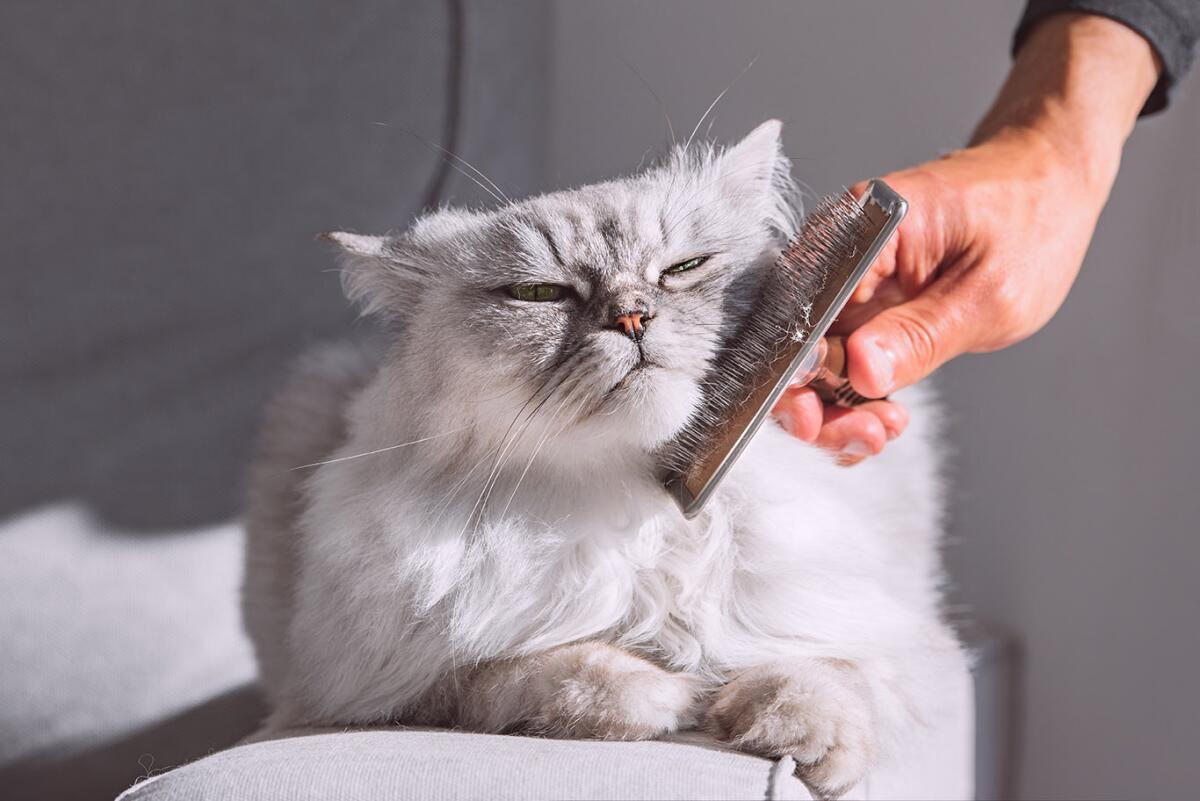
Short-haired cats need gentle brushing once or twice a week. Use a soft-bristle brush or rubber mitt. Long-haired cats require daily brushing. Choose a wide-tooth comb to detangle fur without pulling. For thick or curly coats, use a slicker brush to remove loose hair. Always brush in the direction of hair growth. Be gentle to avoid hurting your cat’s skin.
Bathing Guidelines
Bathing cats is rarely needed. Most cats clean themselves well. Bathe only if your cat is very dirty or has skin problems. Use lukewarm water and a cat-safe shampoo. Avoid human shampoos as they can irritate skin. Rinse thoroughly to remove all soap. Dry your cat gently with a towel in a warm room. Keep baths short and calm to reduce stress.
Cleaning Ears And Eyes
Check your cat’s ears weekly for dirt or wax buildup. Use a soft cloth or cotton ball dampened with a vet-approved ear cleaner. Wipe gently inside the ear flap. Avoid pushing deep into the ear canal. Look for redness or bad smell, signs of infection. Clean your cat’s eyes daily if you see discharge. Use a clean, damp cloth and wipe from the corner outward. Never use cotton swabs near the eyes.
Diet And Grooming
Cats typically groom themselves for several hours each day. Grooming helps them stay clean and healthy. Excessive grooming might indicate stress or health issues.
Cats are known for their meticulous grooming habits, often spending hours each day licking and cleaning their fur. However, the condition of their coat is not solely dependent on their grooming routine. Diet plays a crucial role in maintaining healthy fur and overall grooming practices. Understanding the connection between what your cat eats and how its coat looks can help you ensure your feline friend stays beautiful and healthy.Nutrients For Healthy Fur
Your cat’s diet is a foundation for its fur health. High-quality proteins are essential, as they provide the building blocks for strong and shiny fur. Cats are obligate carnivores, meaning animal-based proteins like chicken or fish are ideal. Fats, particularly omega-3 and omega-6 fatty acids, support a lustrous coat and reduce shedding. These can be found in fish oil supplements or certain cat foods. Do you notice your cat’s coat looking dull? It might be time to assess its diet and ensure it’s getting enough of these vital nutrients.Hydration’s Role In Coat Condition
Hydration is often overlooked but is vital for maintaining a soft and glossy coat. Cats naturally have a low thirst drive, so encouraging them to drink more water can be challenging. Consider using a cat fountain to make drinking more appealing. Wet food can also contribute to your cat’s overall hydration. It contains higher moisture content compared to dry kibble. Have you ever noticed how your cat’s fur feels after switching to a diet that includes more wet food? You might be surprised by the difference it makes. Prioritizing your cat’s diet and hydration can significantly impact its grooming success. Are you providing the best dietary support for your cat’s grooming habits?Grooming Tools And Products
Caring for your cat’s coat needs the right tools and products. These help keep fur clean, shiny, and healthy. Grooming tools remove loose hair and prevent mats. Products like shampoos keep skin fresh and free from dirt. Using the right items makes grooming easier and more pleasant for cats.
Choosing The Right Brushes
Brush type depends on your cat’s fur length and texture. Short-haired cats do well with a soft-bristle brush. Long-haired cats need a slicker brush to remove tangles. A rubber brush works well for sensitive skin. Regular brushing reduces shedding and hairballs.
- Soft-bristle brush: gentle for short fur
- Slicker brush: detangles long fur
- Rubber brush: massages skin and removes dirt
Pick a brush your cat enjoys. Brushing often improves coat health and comfort.
Safe Shampoos And Conditioners
Only use shampoos made for cats. Human shampoos can irritate their skin. Choose gentle formulas without harsh chemicals. Hypoallergenic shampoos reduce allergy risks. Conditioners help keep fur soft and easy to comb. Avoid products with strong scents that may bother cats.
- Cat-specific shampoo: mild and safe
- Hypoallergenic options: reduce skin irritation
- Light conditioner: prevents fur dryness
Bathing should be rare unless your cat gets very dirty. Always rinse shampoo and conditioner well to avoid residue.
When To See A Vet
Knowing when to see a vet about your cat’s grooming habits is key for their health. Cats usually groom themselves well, but changes in grooming can signal problems. Watching for signs helps catch issues early. A vet can diagnose and treat problems that affect grooming.
Grooming-related Health Symptoms
Look for these signs that need veterinary attention:
- Excessive licking or biting of fur or skin
- Bald patches or thinning fur
- Visible wounds or sores
- Mattes or clumps in fur that your cat cannot remove
- Strong, unpleasant odor coming from the fur
- Swelling or redness on the skin
- Changes in grooming frequency, like grooming too little or too much
- Signs of pain or discomfort during grooming
These symptoms may indicate allergies, infections, parasites, or pain. Early vet visits prevent problems from worsening.
Professional Grooming Services
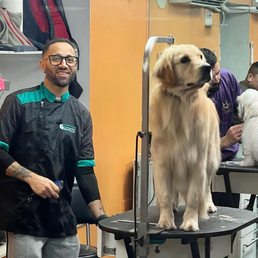
Some cats need help from professionals to stay clean. Long-haired breeds often require regular trims and baths. Professional groomers can safely remove mats and keep nails trimmed. They use tools that reduce stress and harm.
Choose groomers trained in cat care. They notice skin or coat changes that owners might miss. Regular professional grooming supports your cat’s health and comfort.
Frequently Asked Questions
How Often Do Cats Typically Groom Themselves Daily?
Cats usually groom themselves 2 to 3 times daily. Grooming helps them stay clean, regulate body temperature, and reduce stress. Excessive or very little grooming may indicate health issues or stress.
Why Do Cats Groom More In Certain Seasons?
Cats groom more during shedding seasons like spring and fall. Grooming removes loose fur and prevents matting. Seasonal changes also affect their skin and coat health.
Can Over-grooming Harm Cats?
Yes, over-grooming can cause skin irritation, hair loss, and sores. It may signal allergies, stress, or parasites. Consult a vet if your cat grooms excessively.
Do Cats Groom Each Other And Why?
Yes, cats groom each other to strengthen social bonds and reduce tension. This behavior is called allogrooming. It helps maintain group harmony and cleanliness.
Conclusion
Cats groom to stay clean and healthy. They spend a good part of their day licking fur. Too much grooming might mean stress or health issues. Too little grooming can lead to dirt and mats. Watch your cat’s behavior and fur condition.
Help by brushing your cat regularly. Keep an eye on any changes in grooming habits. This helps catch problems early and keeps cats happy. Simple care makes a big difference in your cat’s life.

Leave a Reply