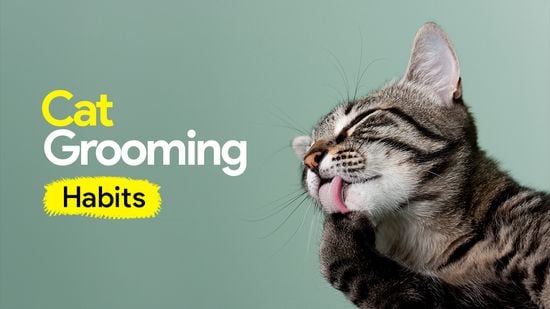
Are you wondering if you could be overdoing it with your cat’s grooming? You want the best for your furry friend, but how much grooming is actually too much?
Grooming is important for your cat’s health and happiness, but too much can cause stress and even skin problems. You’ll discover the signs that you might be grooming your cat too often and learn the perfect balance to keep your pet comfortable and content.
Keep reading to find out how to care for your cat without going overboard.
Credit: hellopetsinc.com
Ideal Grooming Frequency
Finding the ideal grooming frequency for your cat is key to keeping them healthy and happy. Too little grooming can lead to mats and skin problems. Too much grooming can irritate their skin or cause stress. Each cat has unique needs based on several factors.
Factors Affecting Grooming Needs
Age plays a role. Older cats may need more help with grooming.
Health conditions affect grooming habits. Cats with skin issues may require gentle care.
Activity level matters. Active cats can get dirtier and may need frequent grooming.
Season changes also influence grooming. Cats shed more in spring and fall.
Breed-specific Grooming
Long-haired breeds need daily brushing to prevent mats.
Short-haired cats usually require grooming once a week.
Sphynx and other hairless breeds need regular skin cleaning instead of fur brushing.
Persian cats demand more attention due to their thick coats.

Credit: www.reddit.com
Signs Of Over-grooming
Recognizing the signs of over-grooming in your cat is crucial to keeping them healthy and happy. Grooming is a natural behavior, but too much of it can indicate stress or health problems. Knowing what to look for helps you intervene before serious issues develop.
Behavioral Indicators
Does your cat seem restless or anxious more than usual? Over-grooming often comes with changes in behavior.
- Excessive licking or biting:Your cat might focus intensely on certain spots for long periods.
- Restlessness:Pacing, hiding, or avoiding interaction could signal discomfort.
- Changes in mood:Irritability or withdrawal can accompany over-grooming.
Have you noticed your cat suddenly grooming more after a change in environment or routine? Stress often triggers these behaviors.
Physical Symptoms
Look closely at your cat’s skin and fur. Over-grooming leaves visible marks you shouldn’t ignore.
- Bald patches:Areas with missing fur, often on the belly, legs, or around the tail.
- Redness or sores:Skin may appear irritated, inflamed, or even bleed.
- Scabs or crusts:These form from constant licking or biting and can become infected.
Have you felt unusual bumps or rough patches on your cat’s skin? These can be early warning signs of over-grooming damage.
Pay attention to these signs and consider consulting a vet if you see them. Catching over-grooming early can prevent pain and more serious health issues for your feline friend.
Risks Of Excessive Grooming
Excessive grooming can cause skin irritation and hair loss in cats. Over-grooming may also lead to stress and discomfort for your pet. Watch for signs of redness or bald spots to avoid these risks.
Excessive grooming in cats might seem like a harmless habit, but it can lead to several health concerns. While cats are known for their meticulous grooming routines, too much grooming can indicate underlying issues. Understanding the risks associated with this behavior can help you ensure your feline friend stays healthy and happy.Skin Irritations
Over-grooming can lead to skin irritations that are both uncomfortable and harmful to your cat. When a cat licks a particular spot too frequently, it can cause redness, sores, or even bald patches. These skin issues not only cause physical discomfort but can also make your cat more susceptible to infections.Stress And Anxiety
Did you know that excessive grooming might be a sign of stress or anxiety in your cat? Cats often groom themselves to self-soothe when they feel anxious or stressed. If your cat is grooming more than usual, consider what might be causing them stress—changes in the household, new pets, or even boredom. Regularly observing your cat’s grooming habits can help you identify these risks early on. Have you noticed any changes in your cat’s grooming behavior lately? Taking action sooner rather than later can prevent more serious health issues down the line.
Credit: www.latimes.com
Balancing Grooming Routine
Finding the right balance in your cat’s grooming routine is key to keeping them happy and healthy without causing stress or irritation. Grooming too often or using the wrong tools can do more harm than good. You want to make sure your grooming sessions are effective but also comfortable for your feline friend.
Choosing The Right Tools
Not all grooming tools are created equal, and picking the right ones depends on your cat’s coat type and temperament. For short-haired cats, a simple rubber brush or grooming glove often works well to remove loose fur without pulling too hard.
Long-haired cats might need a slicker brush or wide-toothed comb to prevent tangles and mats. Avoid metal combs with sharp edges, as these can scratch your cat’s skin.
Think about your cat’s personality too. If they get anxious, softer brushes or grooming gloves might help keep grooming a positive experience rather than a stressful one.
Timing And Duration Tips
Short, regular grooming sessions are better than long, infrequent ones. Cats generally have short attention spans and can get restless quickly.
Try keeping sessions under 10 minutes and watch your cat’s body language. If they start to squirm or try to escape, it’s time to stop. You can always pick it up again later.
Consistency matters more than intensity. Grooming your cat a few times a week for a few minutes can prevent mats and reduce shedding without overwhelming them.
Have you noticed how your cat reacts to grooming? Paying attention to their comfort can help you decide the perfect timing and tool choice for your routine.
When To Seek Veterinary Advice
Knowing when to seek veterinary advice about your cat’s grooming habits can save your furry friend from discomfort and potential health problems. Grooming is natural for cats, but excessive or insufficient grooming might signal underlying issues. Paying attention to signs that go beyond normal behavior helps you act promptly and keep your cat healthy.
Persistent Skin Issues
If your cat frequently scratches, licks, or bites the same spot, it could be a sign of persistent skin problems. Look out for redness, sores, bald patches, or scabs that don’t heal after a few days. These symptoms might indicate allergies, infections, or parasites that need professional care.
I once noticed my cat obsessively licking a patch on her belly. Initially, I thought it was just a grooming phase, but the skin became raw and irritated. A vet visit revealed a mild infection, and after treatment, her behavior normalized quickly.
Ignoring persistent skin issues can worsen your cat’s condition. If you see any unusual or lasting skin problems, it’s time to consult your vet without delay.
Changes In Grooming Habits
Sudden or drastic changes in how your cat grooms themselves often hint at something deeper. If your usually neat cat stops grooming or starts grooming excessively, it might be due to pain, stress, or illness.
Think about this: has your cat started avoiding grooming because they feel stiff or sore? Or are they licking so much that their fur looks patchy? Both situations need veterinary attention to uncover the cause.
Veterinarians can check for dental problems, arthritis, or skin conditions that affect grooming habits. Don’t ignore these changes, as early diagnosis can improve your cat’s quality of life.
Frequently Asked Questions
How Often Should I Groom My Cat?
Groom your cat 2-3 times a week to maintain a healthy coat. Over-grooming can irritate their skin and cause stress. Adjust frequency based on your cat’s breed, age, and activity level for optimal care.
Can Too Much Grooming Harm My Cat’s Skin?
Yes, excessive grooming can lead to skin irritation and dryness. It may cause redness, itching, or hair loss. Monitor your cat’s skin condition and reduce grooming if you notice any discomfort or damage.
What Are Signs Of Over-grooming In Cats?
Look for bald patches, redness, or scabs on your cat’s skin. Excessive licking or biting is also a sign. If these appear, consult a vet to address underlying issues like allergies or stress.
Does Grooming Affect A Cat’s Stress Levels?
Proper grooming can reduce stress and strengthen your bond with your cat. However, too much grooming may cause anxiety or discomfort. Pay attention to your cat’s reactions and stop if they seem distressed.
Conclusion
Cats need grooming, but not too much. Over-grooming can hurt their skin and cause stress. Watch your cat’s behavior and coat health. Gentle brushing a few times a week works best. Keep an eye on any changes in their fur or skin.
Balance is key for your cat’s comfort and health. Trust your instincts and enjoy bonding during grooming time. Your cat will thank you with purrs and happy moments.



Leave a Reply