Are you wondering if you’re feeding your indoor cat the right amount of food? Knowing how much your adult cat should eat is key to keeping them healthy and happy.
Too much food can lead to weight gain, while too little might leave your furry friend hungry and undernourished. You’ll discover simple tips and clear guidelines to help you get your cat’s diet just right. Keep reading to learn how to make sure your indoor cat stays fit and full of energy every day.
Daily Calorie Needs
Understanding the daily calorie needs of an adult indoor cat helps maintain their health. Cats need enough energy to stay active and support normal body functions. Feeding the right amount prevents obesity and related health problems. Cats’ calorie needs vary based on several factors, making it important to adjust food portions carefully.
Factors Affecting Calorie Intake
- Age:Older cats often need fewer calories due to lower activity.
- Weight:Overweight cats require fewer calories to lose weight safely.
- Activity Level:More active cats burn more calories daily.
- Health Status:Illness or medical conditions can change calorie needs.
- Metabolism:Individual cats may burn calories at different rates.
Typical Calorie Range For Indoor Cats
Most adult indoor cats need between 180 and 250 calories per day. Cats with low activity may need closer to 180 calories. Active cats or those with lean body weight might require up to 250 calories. Portion control based on calorie content keeps cats healthy. Check your cat’s food label for calorie information. Adjust feeding amounts as needed to maintain ideal weight.
Credit: www.perfect-fit.co.uk
Portion Size Guidelines
Portion size plays a key role in keeping an indoor cat healthy. Feeding too much can cause weight gain. Too little may lead to malnutrition. Knowing the right amount helps maintain your cat’s ideal weight and energy.
Portion size depends on factors like your cat’s age, weight, and activity level. The type of food also matters, whether dry or wet. Understanding how to measure each type ensures your cat eats the right amount.
Measuring Dry Food
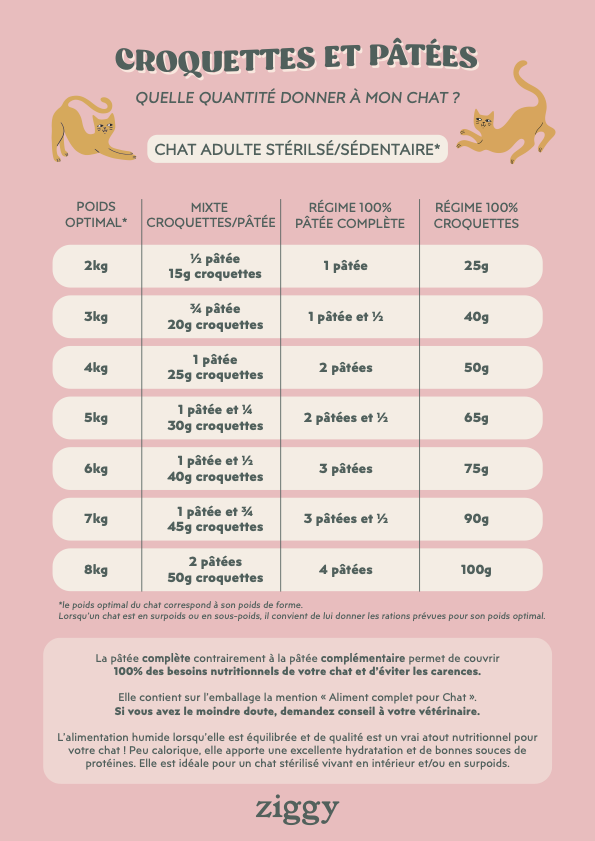
Dry food is easy to measure using a standard measuring cup. Most cat food bags include feeding guidelines. These usually show the recommended daily amount based on weight.
Use a kitchen scale for more accuracy. One cup of dry food can vary from 80 to 100 grams. Check the packaging for the exact weight per cup.
- Fill the measuring cup level, not heaping.
- Divide the daily amount into two or three meals.
- Adjust portions if your cat gains or loses weight.
Measuring Wet Food
Wet food is measured by cans or pouches. Each container has a label showing total weight and calories.
Feed according to your cat’s weight and activity. Most cats need about 20 to 30 calories per pound daily.
| Cat Weight | Daily Wet Food Amount |
|---|---|
| 6 lbs (2.7 kg) | 3 to 4 ounces (85 to 113 g) |
| 10 lbs (4.5 kg) | 5 to 6 ounces (142 to 170 g) |
| 15 lbs (6.8 kg) | 7 to 8 ounces (198 to 227 g) |
Offer wet food in two or more small meals daily. Store unopened cans in a cool, dry place. Refrigerate leftovers and use within 24 hours.
Feeding Frequency
Feeding frequency plays a crucial role in managing your indoor cat’s health and happiness. The right schedule can help control weight, improve digestion, and reduce begging behavior. You might wonder how often your cat should eat to stay healthy without overeating or feeling hungry.
Meal Timing Options
You can choose between free feeding and scheduled meals. Free feeding means leaving dry food out all day, allowing your cat to eat whenever they want. It’s convenient but can lead to overeating and weight gain, especially in less active indoor cats.
Scheduled meals involve feeding your cat at specific times during the day. Most adult indoor cats do well with two meals daily—once in the morning and once in the evening. Some owners prefer three smaller meals to keep their cats more satisfied and reduce begging.
Think about your daily routine and your cat’s appetite. Would you prefer the simplicity of free feeding or the structure of scheduled meals? Try both and observe how your cat responds.
Benefits Of Scheduled Feeding
Scheduled feeding helps you control portion sizes easily, which is essential for maintaining a healthy weight. It also strengthens your bond since your cat learns to associate you with mealtime.
Regular meal times can reduce anxiety and improve digestion by creating a predictable routine. Cats often feel more secure when they know when to expect their food.
One cat owner shared that switching to scheduled feeding stopped their cat from waking them up at night. The cat was less anxious and more relaxed because it knew food was coming at set times.
Would your cat benefit from less stress and better weight control? Scheduled feeding might be the key to a calmer, healthier pet.
Credit: www.catster.com
Adjusting Food Amounts
Determining the right food amount for an adult indoor cat can be tricky. Consider their weight and activity level to ensure they receive proper nutrition. Regular vet check-ups help tailor feeding plans to keep your feline friend healthy.
Adjusting the amount of food your indoor cat consumes isn’t just a matter of following the guidelines on a food package. Every cat is unique, and factors such as age, weight, and activity level play a critical role. By tuning into these elements, you can ensure your furry friend maintains a healthy weight and stays energetic.Monitoring Weight Changes
Regularly checking your cat’s weight is essential. A simple way to do this is by weighing yourself while holding your cat and then subtracting your weight. Noticing even slight changes can help you adjust food portions more accurately. If your cat is gaining weight, consider reducing their daily food intake slightly. On the other hand, if they seem to be losing weight, you might need to increase their portions or provide more calorie-dense food.Adapting To Activity Levels
Indoor cats often have lower activity levels compared to their outdoor counterparts. This difference means they may require less food. However, some indoor cats are still quite playful and might need more calories to sustain their energy. Observe how much time your cat spends playing or exploring. If they are more active, a slight increase in their food portion could be beneficial. Conversely, if your cat prefers lounging around, you might need to cut back a bit on their food. Is your cat suddenly more playful or lazier than usual? Adjusting their food intake according to these changes can help keep their weight stable and their energy balanced. Pay attention, and your cat will thank you with a purr of satisfaction.Choosing The Right Food
Choosing the right food for your indoor cat is more than picking what looks tasty on the shelf. It directly affects their health, energy levels, and even behavior. Your cat’s diet needs to match their lifestyle, age, and any special health concerns.
Nutritional Requirements For Indoor Cats
Indoor cats tend to be less active, so their calorie needs differ from outdoor cats. They require a balanced diet rich in protein to maintain muscle but lower in calories to prevent weight gain.
Essential nutrients include:
- Protein:Supports muscle strength and overall health.
- Fat:Provides energy but should be controlled to avoid obesity.
- Fiber:Helps with digestion and prevents hairball formation.
- Vitamins and minerals:Keep the immune system strong and support bodily functions.
Have you checked if your cat’s food labels list real meat as the first ingredient? That’s a sign of quality protein. Also, watch out for fillers like corn or wheat, which offer little nutritional value.
Types Of Cat Food
Choosing between dry, wet, or raw food depends on your cat’s preferences and health needs.
| Type | Pros | Cons |
|---|---|---|
| Dry Food | Convenient, affordable, good for teeth | Low moisture, can lead to dehydration |
| Wet Food | High moisture, better for urinary health | More expensive, requires refrigeration |
| Raw Food | Closer to natural diet, high protein | Risk of bacteria, needs careful handling |
Have you noticed how some cats prefer wet food while others stick to dry? Mixing the two can balance hydration and dental health. Always introduce new food gradually to avoid digestive upset.
Credit: ziggyfamily.com
Common Feeding Mistakes
Feeding your indoor cat might seem straightforward, but many pet owners unknowingly make mistakes that affect their cat’s health. These common errors can lead to weight problems, digestive issues, or nutrient imbalances. Understanding these pitfalls helps you keep your cat happy and healthy.
Overfeeding Risks
Overfeeding is one of the most common mistakes. Cats have small stomachs, so giving too much food can cause obesity and related health problems like diabetes and joint pain.
Think about how often you refill your cat’s bowl. Do you measure portions or just eyeball it? Using a measuring cup can help control the amount and prevent overfeeding.
Also, free-feeding—leaving food out all day—might sound convenient but often leads to overeating. Try scheduled feeding times instead to regulate intake and maintain a healthy weight.
Ignoring Treats And Extras
Treats and extras can add up quickly without you noticing. Even small snacks can increase your cat’s daily calorie intake significantly.
Have you ever given your cat a bit of your food or extra treats throughout the day? Those extras need to be factored into the total daily food allowance to avoid overfeeding.
Try setting a limit on treats and choose healthy options designed for cats. This way, you can reward your pet without compromising their diet.
Tips For Picky Eaters
Getting your indoor cat to eat the right amount of food can be tricky, especially if they’re a picky eater. Some cats turn their noses up at new dishes or suddenly lose interest in their favorite meals. Understanding how to encourage your cat’s appetite and introduce new foods can make a big difference in their health and happiness.
Encouraging Appetite
Try warming your cat’s food slightly to bring out its aroma. Cats rely heavily on smell, so this small change can spark their interest. You might also hand-feed small amounts to create a positive eating experience.
Offer meals in a quiet, comfortable spot where your cat feels safe. Stress or distractions can reduce appetite, so make mealtime calm and inviting. Have you noticed how your cat behaves differently in noisy areas?
Another tip is to keep a consistent feeding schedule. Cats thrive on routine, and regular meal times help them anticipate food, boosting their appetite naturally. Have you tried setting alarms to feed your cat at the same times daily?
Introducing New Foods
Introduce new foods gradually by mixing a small amount with your cat’s current favorite. This gentle transition helps avoid digestive upset and lets your cat get used to new tastes slowly. Patience is key here—don’t rush the process.
Offer a variety of textures and flavors to see what your cat prefers. Some cats like pâté, others prefer chunks or shredded food. Have you observed your cat’s texture preferences yet?
Be mindful of any signs of food allergies or sensitivities when trying new products. Monitor your cat closely for vomiting, diarrhea, or excessive scratching after introducing new food. Keeping a food diary can help track what works best.
When To Consult A Vet
Knowing when to consult a vet about your indoor cat’s diet can make a big difference in their health. Cats can’t tell us when something feels off, so it’s up to you to watch for signs that their food intake isn’t right. If you notice changes in behavior, weight, or digestion, it’s time to seek professional advice.
Signs Of Overfeeding Or Underfeeding
Overfeeding your cat can lead to obesity, which increases the risk of diabetes and joint problems. Watch for rapid weight gain, decreased energy, or constant begging for food. On the other hand, underfeeding may cause your cat to lose weight, become lethargic, or develop a dull coat.
If your cat is gaining or losing weight unexpectedly, or if their eating habits suddenly change, these are clear signals to consult your vet. Sometimes, even if your cat seems normal, subtle signs like vomiting after meals or changes in litter box habits can indicate feeding issues.
Special Dietary Needs
Some cats require special diets due to health conditions like kidney disease, diabetes, or allergies. If your cat shows symptoms like excessive thirst, frequent urination, or persistent itching, a vet visit is essential to determine if a special diet is necessary.
Have you noticed your cat struggling with food or seeming picky? These could be signs of underlying health concerns. Your vet can recommend the right food type, portion size, and feeding schedule tailored to your cat’s unique needs.
Frequently Asked Questions
How Many Calories Does An Indoor Adult Cat Need Daily?
An indoor adult cat typically needs 180-200 calories per day. This varies by age, weight, and activity level. Consult your vet for precise needs to avoid overfeeding or underfeeding.
What Is The Ideal Portion Size For Indoor Cats?
Ideal portion size depends on your cat’s weight and food type. Generally, 1/3 to 1/2 cup of dry food or 3 to 4 ounces of wet food daily is recommended. Adjust portions based on your cat’s health and activity.
How Often Should I Feed My Indoor Cat Each Day?
Feed your indoor cat twice a day, morning and evening. Consistent feeding times help maintain healthy digestion and weight. Avoid free feeding to prevent overeating and obesity.
Can Indoor Cats Eat The Same Amount As Outdoor Cats?
Indoor cats usually need fewer calories than outdoor cats due to less activity. Outdoor cats burn more energy, so they require larger portions. Adjust feeding amounts based on your cat’s lifestyle.
Conclusion
Feeding your indoor cat the right amount keeps them healthy and happy. Watch their weight and energy to adjust food portions. Choose balanced meals made for adult indoor cats. Regular feeding times help maintain good habits. Always provide fresh water alongside food.
Consult a vet for personalized advice when needed. Small changes can make a big difference in your cat’s life. Care and attention ensure your cat stays fit and content every day.


Leave a Reply