
Wondering how much food your adult female cat really needs each day? Feeding your cat the right amount is key to keeping her healthy and happy.
Too little, and she might miss out on important nutrients; too much, and you risk weight gain and health problems. You’ll discover simple, clear guidelines to help you measure the perfect daily portion for your feline friend. Keep reading to learn how to give your cat just the right fuel to thrive every day.
Credit: www.chewy.com
Daily Calorie Needs
Understanding the daily calorie needs of your adult female cat is essential for keeping her healthy and happy. Calories fuel every activity your cat does, from playful pouncing to peaceful napping. If you don’t provide the right amount, your cat might gain unwanted weight or feel constantly hungry.
Factors Affecting Calorie Requirements
Not all cats need the same calories each day. Age, weight, and activity level all play a big role in how much energy your cat uses.
- Age:Older cats usually need fewer calories because they move less.
- Weight:A heavier cat requires more calories to maintain her weight but fewer if she needs to slim down.
- Health:Cats with certain health issues may need special diets with adjusted calorie counts.
- Pregnancy or Nursing:Female cats that are pregnant or nursing need significantly more calories to support their kittens.
Think about your cat’s daily habits. Does she spend hours chasing toys or lounging around all day? These details will help you figure out her calorie needs.
Calories For Indoor Vs Outdoor Cats
Your cat’s environment directly influences her calorie needs. Indoor cats often burn fewer calories because they are less active.
| Type of Cat | Average Daily Calorie Need | Reason |
|---|---|---|
| Indoor Cat | 180-200 calories | Less physical activity and controlled environment |
| Outdoor Cat | 250-300 calories | More exercise and exposure to elements |
Have you noticed your outdoor cat coming home hungry after exploring? That’s because she’s burning more energy and needs extra fuel. On the other hand, an indoor cat may need smaller, more frequent meals to avoid weight gain.
Understanding these calorie differences can help you tailor your feeding routine. Are you adjusting your cat’s food based on her lifestyle? If not, it might be time to rethink her diet for better health.
Credit: www.chewy.com
Portion Sizes By Weight
Portion sizes for an adult female cat depend largely on her weight. Feeding the right amount helps maintain a healthy body and prevents obesity. Cats need balanced nutrition tailored to their size. Measuring food by weight ensures they get enough energy without overeating.
Use your cat’s current weight as the base for daily food portions. This method creates a clear feeding plan. It helps you avoid guesswork and supports steady weight management. Adjustments may be necessary depending on her activity and metabolism.
Calculating Food Amount Based On Cat’s Weight
Start by knowing your cat’s exact weight. Most adult female cats weigh between 8 and 12 pounds. On average, cats need about 20 calories per pound daily. Multiply your cat’s weight by 20 to find the total calorie need.
Next, check the calorie content on your cat food label. Divide the total daily calories by calories per serving. This gives the number of servings your cat requires each day. For example:
| Cat’s Weight (lbs) | Calories Needed Per Day | Calories Per Serving | Servings Per Day |
|---|---|---|---|
| 10 | 200 | 50 | 4 |
| 8 | 160 | 40 | 4 |
This calculation ensures your cat receives proper nutrition based on her size.
Adjusting Portions For Activity Level
Activity affects calorie needs. An active cat burns more energy and needs extra food. A less active or indoor cat requires fewer calories to avoid weight gain.
- Active cats: Increase portions by 10-20%
- Moderately active cats: Keep portions standard
- Inactive or senior cats: Reduce portions by 10-15%
Observe your cat’s body shape and weight regularly. Adjust food portions based on her condition. Proper portion control leads to a healthy, happy cat.
Types Of Cat Food
Choosing the right food for your adult female cat is crucial. Cats have different dietary needs based on their age, weight, and lifestyle. Understanding the types of cat food available helps make informed decisions for their health and happiness. Let’s explore the two main types of cat food: wet and dry. Each type has unique benefits and considerations.
Wet Food Vs Dry Food Portions
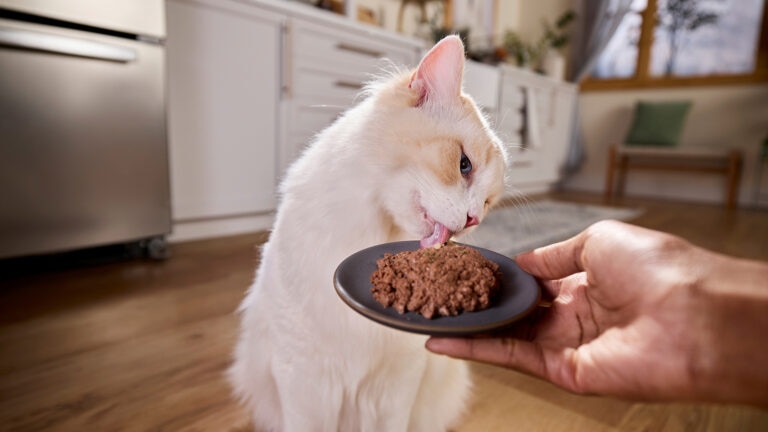
Wet food is often rich in moisture, which aids hydration. This is beneficial for cats that don’t drink enough water. An adult cat generally needs around 3 to 4 ounces of wet food daily. This amount can vary based on the brand’s nutritional content. Wet food is also appealing due to its taste and texture.
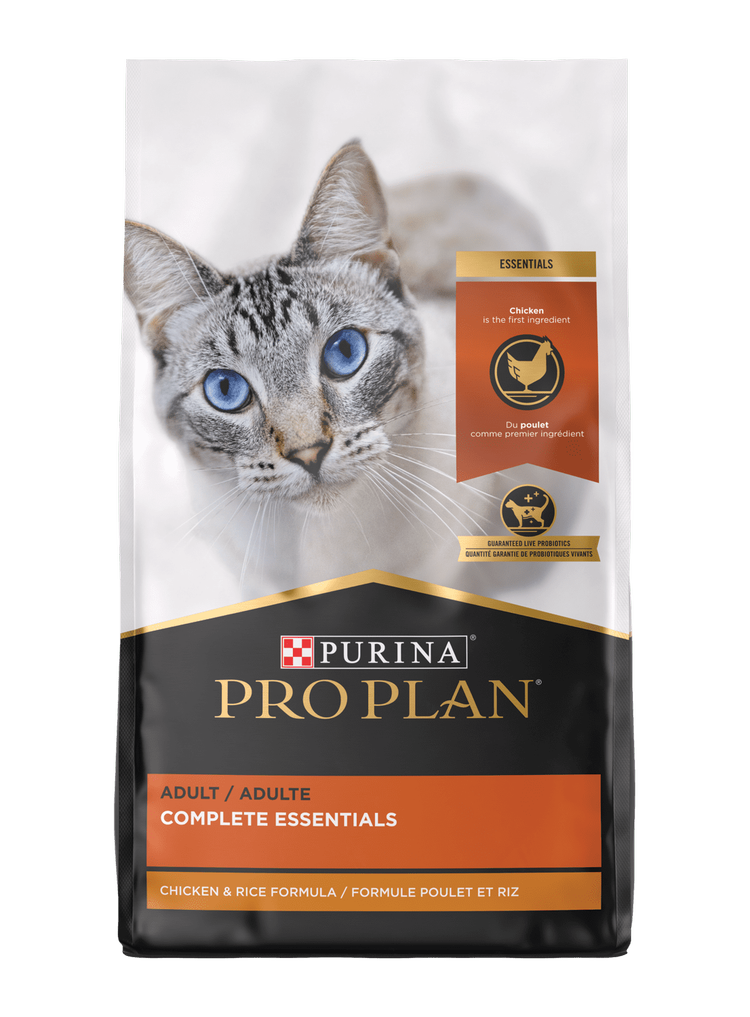
Dry food, on the other hand, is convenient and easy to store. It generally contains less moisture than wet food. Cats typically need about 1/4 to 1/3 cup of dry food per day. This portion depends on the specific food’s caloric content. Always check the packaging for feeding guidelines.
Mixing Food Types Safely
Mixing wet and dry food can offer balanced nutrition. It provides variety in taste and texture. To mix safely, monitor the total daily caloric intake. Ensure it matches your cat’s needs without overfeeding.
Introduce any changes in food gradually. Sudden changes can upset your cat’s stomach. Start by mixing small amounts of new food with the old. Gradually increase the new food while decreasing the old one.
Consult your vet for personalized advice. This ensures the mix suits your cat’s specific health needs.
Feeding Frequency
Feeding frequency plays a vital role in maintaining your adult female cat’s health and happiness. How often you feed her can affect her digestion, energy levels, and even behavior. Finding the right routine can make mealtimes smoother for both of you.
Meal Timing Recommendations
Most adult female cats do well with two to three meals per day. Spacing these meals evenly helps regulate her metabolism and prevents overeating. For example, feeding once in the morning and once in the evening gives her a consistent schedule to look forward to.
If your cat is more active in the evening, you might try a slightly larger meal then and a smaller one in the morning. Avoid feeding right before bedtime to reduce the chance of nighttime restlessness. You can adjust meal times based on your cat’s behavior and appetite patterns.
Free Feeding Vs Scheduled Feeding
Free feeding means leaving dry food out all day for your cat to nibble on whenever she wants. This can work for some cats but often leads to overeating or food becoming stale. If you’ve noticed your cat gaining weight or leaving food untouched for hours, scheduled feeding might be a better fit.
Scheduled feeding involves setting specific meal times and removing uneaten food after about 20-30 minutes. This method helps you control portion sizes and monitor her eating habits closely. You’ll also notice if your cat skips meals, which can be an early sign of health issues.
Think about your cat’s personality and your lifestyle. Does she self-regulate well, or does she tend to overeat? Are you home to manage multiple meals a day? Your answers will guide you toward the feeding frequency that keeps your cat healthy and content.
Signs Of Overfeeding And Underfeeding
Feeding an adult female cat the right amount is crucial for her health. Overfeeding and underfeeding both cause problems. Knowing the signs helps keep your cat healthy and happy. Watch her body and behavior closely to spot any issues early.
Monitoring Weight And Body Condition
Regularly check your cat’s weight. Too much weight may mean overfeeding. Too little weight can mean underfeeding. Feel her ribs gently. They should be easy to feel but not stick out. Look at her waist from above. It should be slightly visible, not bulging or too thin.
Track changes weekly. Sudden weight gain or loss signals a problem. Keep a weight chart to see trends. A healthy cat stays steady in weight over time.
Behavioral Clues To Adjust Feeding
Watch your cat’s eating habits and energy. Overfed cats may become lazy or less playful. They might beg for food even after eating. Underfed cats often seem hungry or restless. They may meow loudly or search for food more.
Notice her litter box use. Changes can indicate feeding issues. Overfeeding may cause diarrhea or frequent urination. Underfeeding might lead to constipation or lethargy.
Special Considerations
Adult female cats have different needs beyond daily feeding amounts. Special conditions affect how much and what type of food they should eat. Adjusting their diet helps keep them healthy and strong during key life stages.
Feeding Pregnant Or Nursing Cats
Pregnant and nursing cats need more calories and nutrients. Their bodies work hard to support kittens. Feed them high-quality, nutrient-rich food with extra protein and fat. Offer smaller meals more often to keep energy steady. Fresh water should always be available. Avoid sudden diet changes during this time.
Diet Adjustments For Senior Cats
Older cats digest food differently and move less. They may need fewer calories to prevent weight gain. Choose food that supports joint health and has easy-to-digest ingredients. Some senior cats benefit from added vitamins or supplements. Monitor their weight and appetite closely. Regular vet visits help adjust their diet properly.
Tips For Transitioning Food
Changing your adult female cat’s food needs care and patience. Sudden switches can upset her stomach or cause refusal to eat. A smooth transition helps her adjust comfortably to the new diet. Follow simple steps to keep her happy and healthy during this change.
Gradual Changes To Avoid Digestive Issues
Switching food too fast can cause diarrhea or vomiting. Mix a small amount of new food with the current one. Increase the new food gradually over 7 to 10 days. Watch for any signs of discomfort or allergies. This slow process helps her digestive system adapt easily.
Introducing New Diets Successfully
Offer the new food at the same feeding times daily. Keep portions consistent to avoid overeating or hunger. Use wet or dry food based on her preference and health needs. Keep fresh water available at all times. Praise and pet your cat during feeding to create a positive experience.
Credit: www.purina.com
Frequently Asked Questions
How Much Food Does An Adult Female Cat Need Daily?
An adult female cat typically needs 200 to 250 calories per day. This equals about 1/3 to 1/2 cup of dry food or 5. 5 ounces of wet food. Adjust portions based on activity, age, and health for best results.
Should I Feed My Adult Female Cat Once Or Twice Daily?
Feeding twice daily is ideal for adult female cats. It helps regulate metabolism and prevents overeating. Split the daily food portion into two balanced meals to maintain energy levels and support healthy digestion.
How To Adjust Food Quantity For An Overweight Female Cat?
Reduce food portions gradually for an overweight female cat. Aim for a 10-20% calorie reduction and increase exercise. Monitor weight weekly and consult a vet to ensure safe and effective weight loss.
What Type Of Food Is Best For Adult Female Cats?
High-protein, balanced cat food with essential nutrients is best. Choose quality wet or dry food formulated for adult cats. Avoid fillers and artificial additives to support your cat’s overall health and energy.
Conclusion
Feeding an adult female cat the right amount keeps her healthy and happy. Watch her weight and energy to adjust food as needed. Fresh water and good quality food matter most. Serving food in small portions throughout the day helps digestion.
Each cat is unique, so pay attention to her needs. Consistency and care make a big difference in her well-being. Healthy cats enjoy longer, happier lives. Keep learning and observing to give your cat the best daily care.


Leave a Reply