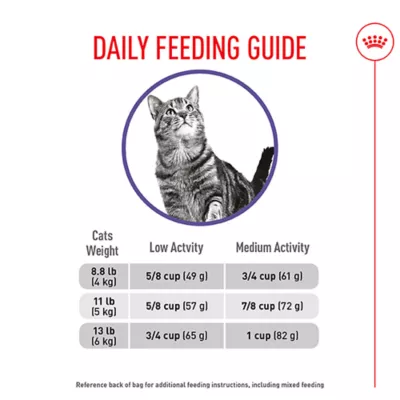
Are you wondering if you’re feeding your adult cat the right amount? Giving your furry friend too little or too much food can affect their health in big ways.
Finding the perfect portion isn’t always easy, but it’s one of the most important things you can do for your cat’s happiness and well-being. You’ll discover simple, clear answers to how much food your adult cat really needs. Keep reading to make sure your cat gets just the right fuel to stay healthy and active every day.
Daily Caloric Needs
Understanding your adult cat’s daily caloric needs helps maintain their health and energy. Cats require the right amount of calories to support their body functions and activities. Too few calories can cause weight loss and weakness. Too many can lead to obesity and health issues. Calculating the right calories ensures your cat stays fit and happy.
Factors Influencing Calorie Requirements
Several factors affect how many calories an adult cat needs each day. Age plays a role; younger cats usually need more energy. Weight also matters—overweight cats need fewer calories to lose weight safely. Activity level is important because active cats burn more energy. Health status can change calorie needs, especially with illness or pregnancy. Breed and size also influence how much food a cat needs daily.
Calorie Estimates By Activity Level
| Activity Level | Calories per Day | Description |
|---|---|---|
| Inactive | 180-200 kcal | Mostly resting or sleeping, little movement |
| Moderate | 200-250 kcal | Regular play and short bursts of activity |
| Active | 250-300+ kcal | Lots of play, exploring, and exercise daily |
Use these calorie ranges as a guide to feed your cat properly. Adjust portions based on their weight and health changes.
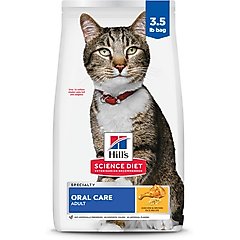
Credit: www.chewy.com
Portion Sizes For Dry Food
Feeding your adult cat the right portion of dry food is essential for maintaining their health and energy. Overfeeding can lead to weight gain, while underfeeding might leave them hungry and lacking nutrients. Understanding portion sizes helps you keep your cat fit and happy.
Measuring Dry Cat Food
Use a standard measuring cup to serve your cat’s dry food. Most cat food bags include feeding guidelines based on weight, but these are just starting points. You can also use a kitchen scale for more accuracy, especially if your cat is on a strict diet.
I once thought eyeballing the portion was enough, but my vet recommended measuring to avoid overfeeding. It made a big difference in controlling my cat’s weight.
Adjusting Portions Based On Weight
Your cat’s ideal portion depends on their current weight and activity level. A sedentary cat needs fewer calories than an active one. Check your cat’s weight regularly and adjust the food amount accordingly.
If your cat is gaining weight, reduce portions gradually by about 10-15%. If they seem hungry or are losing weight, increase the amount slightly. Always observe how your cat responds to changes and consult your vet if needed.
Portion Sizes For Wet Food
Determining the right portion size for wet food is essential for your cat’s health. Wet food contains more moisture than dry food, so cats often need different amounts. Feeding the correct portion prevents overeating and supports a healthy weight.
Serving Wet Food Correctly
Start by checking the label on the wet food can or pouch. It usually suggests daily amounts based on your cat’s weight. Use a kitchen scale or measuring cup for accuracy.
Divide the total daily portion into two or three meals. Cats prefer smaller, frequent meals over one large serving. Serve at room temperature for better taste and digestion.
Watch your cat’s appetite and body condition. Adjust portions if your cat gains or loses weight. Fresh water should always be available alongside wet food.
Balancing Wet And Dry Food
Many cat owners feed both wet and dry food. Balance the total calories to avoid overfeeding. Calculate the calories in each type of food to keep portions right.
For example, if your cat needs 200 calories daily, and wet food provides 100 calories per serving, adjust dry food to cover the rest. Mixing both helps with hydration and dental health.
Monitor your cat’s weight and energy levels regularly. Adjust the ratio of wet to dry food as needed to maintain a healthy diet.
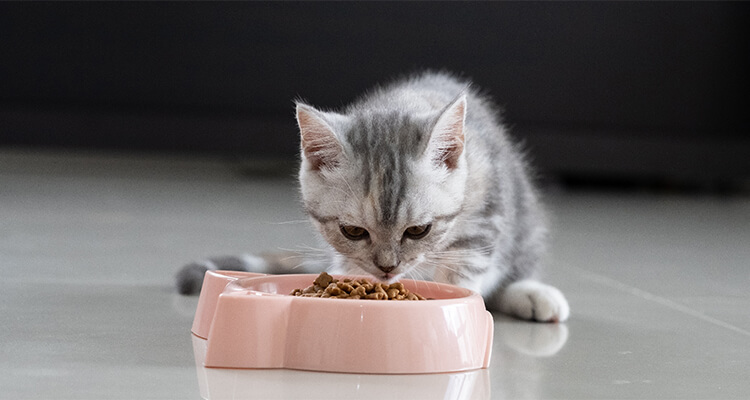
Credit: www.whiskas.co.uk
Age And Health Considerations
Understanding how much food a cat needs depends on age and health. Different life stages and health conditions influence dietary requirements. Knowing these factors helps ensure your cat remains healthy and happy.
Feeding Senior Cats
Senior cats often require fewer calories. Their metabolism slows down with age. It’s essential to monitor their weight. Overfeeding can lead to obesity and health issues. Choose food designed for senior cats. These foods are usually lower in calories but high in nutrients. Ensure your senior cat stays active. Regular play helps maintain a healthy weight.
Cats With Special Dietary Needs
Some cats have special dietary needs. Conditions like diabetes or kidney disease change their diet. Consult a vet to get a suitable diet plan. Special foods are available for various health issues. Always read labels carefully. Provide fresh water at all times. Hydration is crucial for cats with health conditions. Regular vet check-ups help adjust their diet as needed.
Feeding Frequency And Schedule
Feeding frequency and schedule play a crucial role in keeping an adult cat healthy. Cats thrive on routine. A well-planned feeding schedule helps control their weight and supports digestion.
Understanding the best times to feed your cat can improve their mood and energy. Consistency in feeding times builds trust and reduces begging behavior.
Meal Timing Tips
Feed your cat at the same times each day. Most adult cats do well with two meals daily. Morning and evening work best for many owners.
Keep meal portions consistent to avoid overeating. Observe your cat’s appetite and adjust portion sizes if needed. Avoid feeding right before bedtime to prevent discomfort.
Use a quiet, comfortable spot for feeding. This helps your cat feel safe and relaxed during meals. Remove uneaten food after 20-30 minutes to keep the area clean.
Free Feeding Vs Scheduled Feeding
Free feeding means leaving food out all day. This suits cats who like to graze slowly. It can lead to overeating if not monitored closely.
Scheduled feeding involves offering set meals at specific times. This method helps control calorie intake and maintain a healthy weight. It also encourages a daily routine.
Consider your cat’s personality and health when choosing a method. Some cats do better with free feeding, others with scheduled meals. Consult a vet for personalized advice.
Signs Of Overfeeding Or Underfeeding
Knowing the signs of overfeeding or underfeeding helps keep your cat healthy. Cats need the right amount of food to stay active and strong. Too much food can cause weight gain and health problems. Too little food can lead to weakness and illness. Watch your cat closely for these signs.
Monitoring Weight Changes
Weight changes are clear signs of feeding issues. A sudden increase in weight may mean overfeeding. Your cat’s belly might look rounder. If the cat loses weight quickly, it may not be eating enough. Regularly weigh your cat or check its body shape. The ribs should be felt but not seen. Use a chart or app to track weight over time.
Behavioral Indicators
Behavior changes reveal if a cat is hungry or full. An overfed cat may become less active or lazy. It might avoid play or exercise. Underfed cats often seem restless or anxious. They may meow more or beg for food. Look for signs like:
- Eating too fast or overeating
- Hiding or avoiding food bowl
- Increased sleeping or low energy
- Frequent searching for food
Watching these behaviors helps adjust food amounts correctly. Your cat’s habits tell you a lot about its diet needs.
Tips For Transitioning Foods
Transitioning your adult cat to a new food needs care and patience. Sudden changes can upset their stomach. A smooth switch helps your cat accept the new diet easily. Follow simple tips to make this process stress-free for your feline friend.
Gradual Food Changes
Start by mixing a small amount of new food with the current one. Slowly increase the new food’s portion over 7 to 10 days. Watch your cat’s reaction to the taste and texture. This gradual change helps them adjust without confusion.
- Day 1-3: 75% old food, 25% new food
- Day 4-6: 50% old food, 50% new food
- Day 7-9: 25% old food, 75% new food
- Day 10: 100% new food
Avoiding Digestive Upset
Watch for signs of stomach upset like vomiting or diarrhea. If these occur, slow down the transition process. Keep fresh water available at all times. Avoid feeding too much new food at once. This reduces the risk of digestive problems.
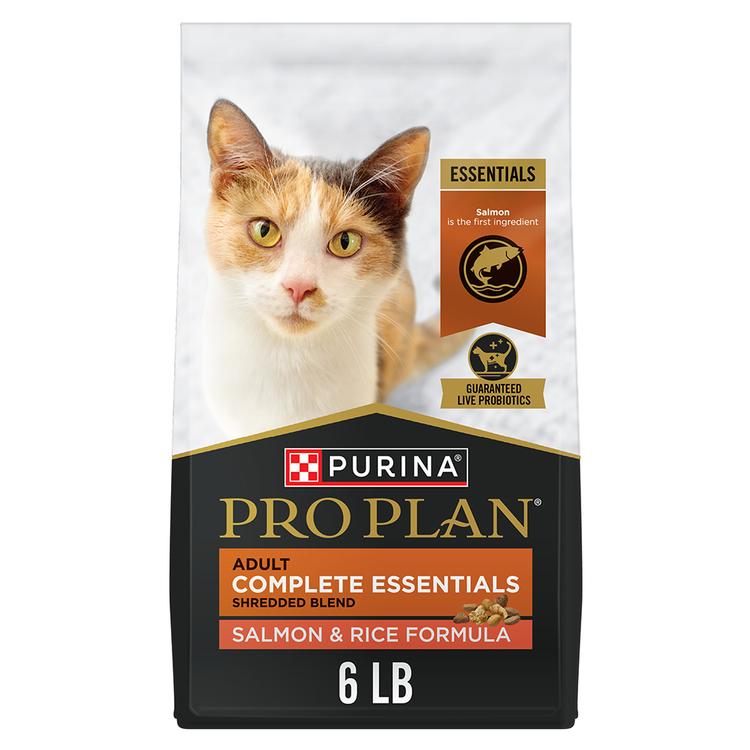
Credit: www.purina.com
Frequently Asked Questions
How Much Food Does An Adult Cat Need Daily?
An adult cat typically needs 20 to 30 calories per pound daily. This translates to roughly 1/3 to 1/2 cup of dry food or about 5 to 6 ounces of wet food. Adjust portions based on activity and health.
What Factors Affect An Adult Cat’s Food Intake?
Age, weight, activity level, and health affect food needs. Indoor cats need fewer calories than active outdoor cats. Cats with health issues may require special diets. Always consult a vet for personalized feeding advice.
Can Feeding Too Much Harm My Adult Cat?
Yes, overfeeding can cause obesity and related health issues. Excess weight leads to diabetes, arthritis, and heart problems. Portion control and regular vet check-ups help maintain healthy weight. Monitor your cat’s body condition regularly.
How Often Should I Feed My Adult Cat?
Most adult cats do well with two meals daily. Feeding twice keeps their metabolism stable and prevents overeating. Some owners prefer free-feeding dry food, but portion control is harder. Choose a schedule that suits your cat’s lifestyle.
Conclusion
Feeding an adult cat the right amount keeps it healthy and happy. Cats need balanced meals based on their size, age, and activity. Overfeeding can cause weight problems and health risks. Underfeeding may lead to weakness or illness. Watch your cat’s weight and adjust food as needed.
Fresh water must always be available. Regular vet visits help check your cat’s diet and health. Paying attention to food portions shows you care. A well-fed cat lives a better, longer life. Simple steps make a big difference in your cat’s well-being.



Leave a Reply