Wondering how much dry food your adult male cat really needs? Feeding your furry friend the right amount is key to keeping him healthy and happy.
Too little, and he might feel hungry or miss out on nutrients. Too much, and weight gain could become a problem. You’ll discover simple guidelines to help you find the perfect balance for your cat’s diet. Keep reading to learn how to make feeding time stress-free and ensure your cat thrives every day.
Daily Calorie Needs
Understanding the daily calorie needs of an adult male cat is crucial for proper feeding. Cats require a balance of energy to maintain their health and weight. Providing the right calories helps avoid obesity and nutritional deficiencies. Each cat’s calorie needs vary based on several factors.
Factors Affecting Calorie Requirements
Age plays a role in a cat’s energy use. Younger cats burn more calories due to higher activity. Older cats often need fewer calories.
Activity level is key. Active cats require more calories. Less active or indoor cats need fewer calories.
Health status influences calorie needs. Cats with illnesses may need special diets and adjusted calories.
Breed and size also matter. Larger breeds or muscular cats burn more energy.
Estimating Energy Needs
Calculate your cat’s Resting Energy Requirement (RER) first. Use the formula: 70 x (weight in kg)0.75.
Multiply RER by an activity factor to find the Daily Energy Requirement (DER).
| Activity Level | Multiplier | Description |
|---|---|---|
| Neutered Adult | 1.2 – 1.4 | Typical indoor cat |
| Active Adult | 1.4 – 1.6 | Outdoor or playful cat |
| Obese-Prone | 1.0 | Weight management diet |
Example: A 5 kg neutered cat needs around 234 to 273 calories daily.
Measure the calories in your cat’s dry food package to determine portion size.
Portion Sizes For Dry Food
Figuring out the right portion size for your adult male cat’s dry food is crucial for maintaining his health and energy. Too little can leave him hungry and undernourished, while too much may lead to unwanted weight gain. Understanding how much to feed helps you keep your feline friend fit and happy.
Recommended Amounts By Weight
Most adult male cats weighing between 9 to 12 pounds need about 1/4 to 1/3 cupof dry food daily. This usually provides the right balance of calories and nutrients for maintaining a healthy weight.
However, the exact amount depends on the calorie content of the specific dry food brand you choose. Check the packaging for feeding guidelines based on your cat’s weight.
| Cat’s Weight (lbs) | Daily Dry Food Amount (cups) | Calories per Day |
|---|---|---|
| 8-10 | 1/4 – 1/3 | 200 – 250 |
| 10-12 | 1/3 – 1/2 | 250 – 300 |
Adjusting Portions Based On Activity
Consider how active your cat is when deciding portion sizes. A playful, energetic cat burning a lot of calories might need a bit more food to stay energized.
On the other hand, if your cat spends most of his time lounging, you may want to reduce the portion slightly to avoid weight gain. Watch his body condition and energy levels closely.
- If your cat gains weight easily, cut back by about 10-15% and observe changes.
- If he seems hungry or loses weight, increase his food gradually.
- Regularly weigh your cat and adjust portions accordingly.
Have you noticed your cat’s behavior or weight changing with his current feeding routine? Small tweaks in portion size can make a big difference in his health.
Choosing The Right Dry Food
Choosing the right dry food for your adult male cat is essential to keep him healthy and active. Not all dry foods are created equal, so understanding what to look for can help you make the best choice. The right food provides balanced nutrition and supports your cat’s unique needs.
Nutritional Content To Look For
Check the protein level first—cats need a high protein diet because they are natural carnivores. Look for dry food with at least 30-40% protein from real meat sources like chicken, turkey, or fish.
Fat is also important for energy, so aim for 15-20% fat content. Avoid foods with excessive fillers like corn, wheat, or soy, as they offer little nutritional value and can cause digestive issues.
Essential nutrients such as taurine, omega-3 fatty acids, and vitamins must be included. Taurine is critical for heart and eye health, so verify it’s listed in the ingredients.
Quality Indicators In Dry Food
Look for brands that list a specific meat source as the first ingredient rather than vague terms like “meat by-products.” This indicates higher quality and better digestibility.
Check for certifications from reputable organizations, such as AAFCO (Association of American Feed Control Officials), which ensure the food meets nutritional standards.
Consider the packaging date and shelf life—fresh food retains more nutrients. Avoid products with artificial colors, flavors, or preservatives, as they can harm your cat’s long-term health.
Feeding Frequency And Schedule
Adult male cats typically need two meals per day, with portions based on their weight and activity. Feeding small, measured amounts helps maintain a healthy diet and prevents overeating. Regular feeding times create a routine that supports good digestion and behavior.
Feeding your adult male cat requires a thoughtful approach. Establishing the right feeding frequency and schedule is crucial. It ensures your cat receives balanced nutrition and maintains a healthy weight. Choosing the correct feeding plan can also impact your cat’s overall well-being.Meal Timing Options
Cats thrive on routine. You can opt for several meal timing strategies. Feeding your cat once or twice daily is common. Some owners prefer free-feeding, where food is available all day. Each method has its advantages. Scheduled meals help control calorie intake. Free-feeding allows cats to eat at their own pace.Benefits Of Scheduled Feeding
Scheduled feeding offers several benefits. It helps manage your cat’s weight effectively. Cats learn when to expect their meals, reducing anxiety. This method also allows for monitoring your cat’s food intake. You can quickly notice changes in appetite. Scheduled meals can also strengthen the bond between you and your pet. Regular mealtimes become a shared routine.Monitoring Cat’s Weight And Health
Keeping an eye on your adult male cat’s weight and overall health is key to feeding him the right amount of dry food. Cats can’t tell you when they’re eating too much or too little, so it’s up to you to recognize the signs. Regular monitoring helps prevent common health issues and keeps your feline friend feeling his best.
Signs Of Overfeeding
Overfeeding your cat can quickly lead to weight gain and related health problems. Watch for a noticeable increase in belly size or a loss of waist definition. You might also see your cat becoming less active or having trouble jumping and playing like he used to.
Other signs include:
- Frequent begging for food even after meals
- Difficulty breathing or panting after mild activity
- Excessive grooming or licking, which can be stress-related from discomfort
If your cat shows any of these signs, it’s time to adjust his feeding portion and consult your vet for a tailored plan.
Signs Of Underfeeding
Underfeeding can be just as harmful as overfeeding. If your cat appears too thin, with ribs or spine easily felt or seen, he might not be getting enough food. Lack of energy or a dull coat can also indicate poor nutrition.
Look out for:
- Increased meowing or searching for food
- Weight loss over a short period
- Weakness or reluctance to move
Noticing these signs means you should increase his food intake gradually and check with your vet to ensure his diet meets all his needs. How often do you check your cat’s weight? Making it a regular habit can help catch feeding issues early.

Credit: www.purina.com
Combining Dry Food With Wet Food
Combining dry food with wet food offers a balanced diet for an adult male cat. Wet food adds moisture, which helps with hydration. Dry food supports dental health and is easy to store. Mixing both types can keep your cat interested and satisfied. It also helps provide a wider range of nutrients.
Balancing Nutrients
Wet food contains more water and often more protein. Dry food usually has more carbohydrates and fiber. Together, they create a more complete meal. Watch the labels to avoid excess calories or fillers. A good balance supports healthy weight and energy levels. Nutrient variety helps your cat stay active and strong.
Adjusting Quantities
Calculate the total daily calories your cat needs. Then split the amount between dry and wet food. For example, feed half the calories from dry food and half from wet food. Adjust portions if your cat gains or loses weight. Always measure food to avoid overfeeding. Keep fresh water available at all times.
Common Feeding Mistakes
Feeding your adult male cat dry food might seem straightforward, but common mistakes can sneak in easily. These errors often lead to health problems or behavioral issues that can be avoided with a little attention. Understanding these mistakes helps you give your cat the right amount of food tailored to his specific needs.
Overfeeding Risks
Giving your cat too much dry food can cause serious health issues, including obesity and diabetes. Cats often don’t regulate their eating well when food is always available, leading to overeating. Have you noticed your cat gaining weight despite regular feeding? This might be due to overfeeding.
Excessive dry food intake can also strain your cat’s kidneys and liver over time. Instead of free-feeding, try portion control by measuring daily servings and sticking to them. Your cat’s activity level and metabolism vary, so adjust the amount as needed.
Ignoring Individual Needs
Not all adult male cats have the same dietary requirements. Factors like age, activity, health conditions, and breed affect how much dry food your cat needs. Feeding every cat the same amount can lead to underfeeding or overfeeding.
Consider your cat’s lifestyle—does he play a lot or prefer lounging? A highly active cat burns more calories and needs more food. Tailoring portions to your cat’s unique needs ensures he stays healthy and happy.
Have you ever thought about your cat’s eating habits and how they match his lifestyle? Taking a moment to assess can prevent many feeding problems before they start.

Credit: pethelpful.com
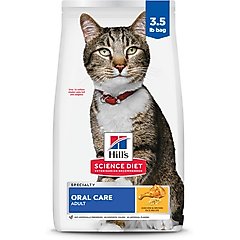
Credit: www.chewy.com
Frequently Asked Questions
How Much Dry Food Does An Adult Male Cat Need Daily?
An adult male cat typically needs 1/3 to 1/2 cup of dry food daily. This depends on the cat’s weight, activity level, and metabolism.
Can Feeding Too Much Dry Food Harm My Cat?
Yes, overfeeding dry food can lead to obesity and health issues. Measure portions carefully and follow feeding guidelines to avoid this.
How To Adjust Dry Food Portions For Activity Levels?
Increase dry food slightly for very active cats and reduce for less active ones. Always monitor your cat’s weight and health regularly.
Should I Combine Dry And Wet Food For My Cat?
Combining dry and wet food provides balanced nutrition and hydration. Adjust dry food portions accordingly to avoid overfeeding.
Conclusion
Feeding an adult male cat the right amount of dry food keeps him healthy. Watch his weight and energy to adjust portions well. Avoid overfeeding to prevent health problems. Fresh water should always be available. Consult your vet for specific advice about your cat’s needs.
Balanced feeding helps your cat live a happy, active life. Simple steps make a big difference in your cat’s health. Keep meals consistent and observe how your cat responds. This way, your cat stays strong and full of life.



Leave a Reply