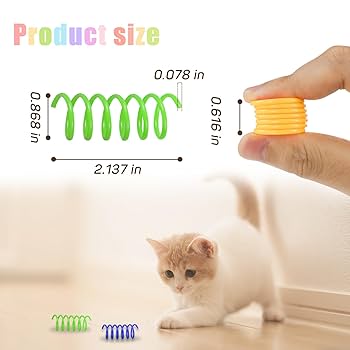
Have you ever picked up a cat toy and wondered, “How much does this actually weigh?” You might think it’s a simple question, but the answer can surprise you. Knowing the weight of your cat’s toy isn’t just about curiosity—it can affect your cat’s playtime, safety, and even their health.
If you want to choose the perfect toy that keeps your furry friend active and happy, understanding the weight is key. Keep reading, and you’ll discover everything you need to know about cat toy weights and how it impacts your pet’s play.

Credit: catit.ca
Typical Weight Range
Understanding the typical weight range of cat toys helps you pick the best options for your feline friend. Weight affects how your cat interacts with the toy, whether they bat it around, carry it, or pounce on it. Knowing what to expect can improve your cat’s playtime and keep them engaged longer.
Lightweight Toys
Lightweight cat toys usually weigh between 5 to 50 grams. These toys are easy for your cat to bat around and carry in their mouth.
Common examples include small feather wands, foam balls, and crinkle balls. You might notice your cat tossing these toys frequently because they require less effort to move.
Do you see your cat losing interest quickly? Sometimes, a toy that’s too light doesn’t provide enough resistance to hold their attention.
Heavier Options
Heavier cat toys can weigh anywhere from 50 grams to over 200 grams. These often include stuffed toys filled with catnip or toys made of denser materials like rubber or wood.
Heavier toys give your cat a different kind of challenge. They might enjoy wrestling with them or using their full body strength to carry or drag these toys around.
Have you tried offering a mix of weights to your cat? Alternating between lightweight and heavier toys can keep playtime fresh and exciting for your furry companion.
Materials Affecting Weight
The weight of a cat toy depends a lot on the materials used to make it. Some materials are very light, while others add more weight. The choice of material affects how the toy feels in a cat’s paws and how easy it is to carry around. It also changes how the toy moves and bounces, which can affect how much your cat enjoys playing with it.
Plastic And Rubber
Plastic and rubber toys usually weigh very little. These materials are light but strong. Plastic toys can be hollow, making them even lighter. Rubber adds a bit of weight but stays soft and flexible. Toys made from these materials often have smooth surfaces that make them easy to clean.
Fabric And Plush
Fabric and plush toys tend to weigh a bit more than plastic. The stuffing inside plush toys adds extra weight. Cotton, polyester, or foam fillings make the toy soft and cuddly. These toys are usually lightweight enough for cats to carry but heavy enough to feel solid. They often have a gentle texture that many cats like to bite and cuddle.
Wood And Natural Materials
Wood and natural materials add the most weight to cat toys. Wood is dense and feels heavy in a cat’s paws. Natural fibers like sisal or hemp used in scratching toys add some weight too. These materials make toys sturdy and durable. They often have rough textures that cats enjoy scratching and biting.
Impact Of Size And Design
The size and design of a cat toy significantly affect its weight, which in turn influences how your cat interacts with it. A heavier toy might be harder for small cats to bat around, while a lightweight one could get lost under furniture. Understanding these factors helps you pick the perfect toy that matches your cat’s play style and energy.
Small Vs Large Toys
Small toys usually weigh less, often just a few grams. These are easy for cats to carry in their mouths and toss around. Think of tiny balls or mini stuffed mice—they offer quick, light fun but can easily disappear under the couch.
Large toys, on the other hand, tend to be heavier due to their size and material. They might include plush pillows or larger interactive toys with built-in features. While these toys weigh more, they provide a different kind of play experience, encouraging your cat to pounce or wrestle rather than chase.
Consider your cat’s size and strength. A kitten might struggle with a heavy toy that a robust adult cat finds perfect. Have you noticed your cat struggling or losing interest? That might be due to the toy’s size and weight.
Simple Vs Complex Designs
Simple cat toys often have minimal components—like a ball or a feather on a string. Their weight is usually consistent and easy to estimate. These toys focus on movement and texture rather than bulk.
Complex toys incorporate multiple materials or moving parts, such as battery-operated mice or toys with bells and feathers attached. These features add to the overall weight. Sometimes, the added weight makes the toy more engaging, but it can also make it less portable for your cat.
Think about the balance between complexity and weight. Does your cat prefer quick, light play or more involved, heavier toys? Testing different designs can reveal what keeps your cat entertained longer without causing frustration.

Credit: catit.ca
Weight And Cat Preferences
Weight plays a bigger role in your cat’s toy preferences than you might think. Cats are naturally sensitive to how a toy feels when they bat, carry, or chase it. A toy that’s too heavy can tire them quickly, while one that’s too light might not offer enough resistance to keep their interest.
How Weight Influences Play
The weight of a cat toy affects how your cat interacts with it. Heavier toys often require more effort to move, which can encourage stronger, more active play sessions. However, if a toy is too heavy, your cat may lose interest because it feels like work rather than fun.
Light toys, like small feather wands or soft balls, are easier to bat and carry around. They’re great for younger or less active cats who prefer gentle play. You might notice your cat prefers light toys if they frequently pick up and carry their toys in their mouth.
Matching Toys To Cat Size
Choosing the right toy weight depends a lot on your cat’s size and strength. Small cats and kittens usually do better with lighter toys, as heavy ones can be awkward or even unsafe for them to handle. Larger cats or those with strong hunting instincts might enjoy toys with a bit more heft, which mimic real prey.
Think about your cat’s play style too. Does your cat like to chase, pounce, or carry toys? A toy that matches their natural instincts and physical ability will keep them engaged longer. You can test different weights by observing how your cat plays and adjusting accordingly.
Diy Cat Toys And Weight
Discover the variety in weight for DIY cat toys, ranging from light feathers to heavier stuffed designs. Most handmade toys weigh just a few ounces, ideal for playful cats.
Creating cat toys at home is a fun and cost-effective activity. Understanding the weight of these toys is crucial. Too heavy, and your cat might lose interest. Too light, and the toy might not be engaging. Striking the right balance ensures both safety and enjoyment.Common Household Materials
Many household items can become delightful cat toys. Old socks, cardboard rolls, and paper bags are popular choices. These items are light, making them easy for cats to bat around. Adding rice or beans inside a sock creates an enticing rattle. This small addition increases weight slightly, adding interest. Always ensure materials are non-toxic and safe for cats.Balancing Weight For Safety
Safety is crucial when crafting toys for your pet. A toy that’s too heavy can cause injury. Aim for toys that weigh no more than a few ounces. This weight allows easy batting and carrying by your cat. Test the toy by gently tossing it. It should land softly without causing harm. Adjust the filling or materials to achieve the perfect weight. Always supervise initial play sessions with new DIY toys. This ensures your cat’s safety and enjoyment.Shipping And Packaging Weight
Shipping and packaging weight might seem like a small detail when buying cat toys, but it plays a bigger role than you might expect. The actual toy often weighs very little, but the total weight increases once it’s packed with protective materials and placed in a box. This extra weight can affect both how much you pay for shipping and how quickly your order arrives.
What To Expect When Ordering Online
When you order a cat toy online, the listed weight usually refers to the toy alone. However, the final package you receive often weighs more because of added padding like bubble wrap or foam peanuts. Sellers want to protect the toy during transit, so they won’t skimp on packaging.
For example, a simple feather wand might weigh just a few ounces, but with packaging, the box could weigh up to a pound. This difference is important to keep in mind, especially if you’re ordering multiple toys or from overseas.
Impact On Shipping Costs
Shipping fees are often based on the total weight of the package, not just the product. This means the packaging weight can increase your shipping costs more than you expect. If you’ve ever wondered why a small item costs almost as much to ship as a larger one, packaging weight is likely the culprit.
To save money, look for sellers who use lightweight, eco-friendly packaging. Some even offer flat-rate shipping options, which can be a better deal if you order multiple toys. Have you noticed how your shipping charges change when you add extra items to your cart?
Choosing The Right Weight
Choosing the right weight for a cat toy affects your cat’s playtime and safety. A toy too heavy can tire your cat quickly or even cause injury. A toy too light may not hold your cat’s attention or feel satisfying to catch and bat around. Finding the right balance helps keep your cat happy and active.
Factors To Consider
- Cat’s size and age: Smaller or older cats prefer lighter toys.
- Activity level: Active cats can handle heavier toys for stronger play.
- Material of the toy: Soft materials weigh less and are safer for gentle play.
- Type of play: Toys for chasing need different weights than toys for cuddling.
- Safety: Avoid toys that are too heavy and may hurt your cat.
Tips For Selecting Toys
- Choose toys that your cat can easily carry and bat around.
- Test the toy’s weight by holding it and imagining your cat playing with it.
- Start with lightweight toys and increase weight gradually based on your cat’s response.
- Mix different toy weights to keep playtime interesting and varied.
- Observe your cat’s behavior to ensure the toy is comfortable and safe.

Credit: www.amazon.com
Frequently Asked Questions
How Much Does A Typical Cat Toy Weigh?
A typical cat toy weighs between 10 to 50 grams. Lightweight toys are easier for cats to bat and carry around. The weight depends on materials like plastic, fabric, or feathers used in the toy’s design.
Does Cat Toy Weight Affect Playtime?
Yes, toy weight affects playtime. Lightweight toys encourage active chasing and batting. Heavier toys might tire cats quickly or discourage play. Choosing the right weight helps maintain your cat’s interest and activity level.
Are Feather Cat Toys Heavier Than Plastic Ones?
Feather cat toys are usually lighter than plastic toys. Feathers add minimal weight, making them easy to bat and carry. Plastic toys can be heavier depending on size and design, which might affect your cat’s play preferences.
Why Is Toy Weight Important For Kittens?
Toy weight is crucial for kittens because they have less strength. Lightweight toys are safer and easier for young cats to handle. Proper toy weight supports development and encourages healthy play habits in kittens.
Conclusion
Cat toys usually weigh very little, making them easy to carry. Most toys weigh between a few grams and a few ounces. Lightweight toys keep cats active and playful without tiring them. Knowing the weight helps you pick the right toy for your cat’s size.
Small, light toys suit kittens, while bigger cats may like heavier ones. Always check the toy’s weight to ensure safety and fun. A good toy matches your cat’s needs and keeps them happy. Simple choices bring joy to both cats and owners.




Leave a Reply