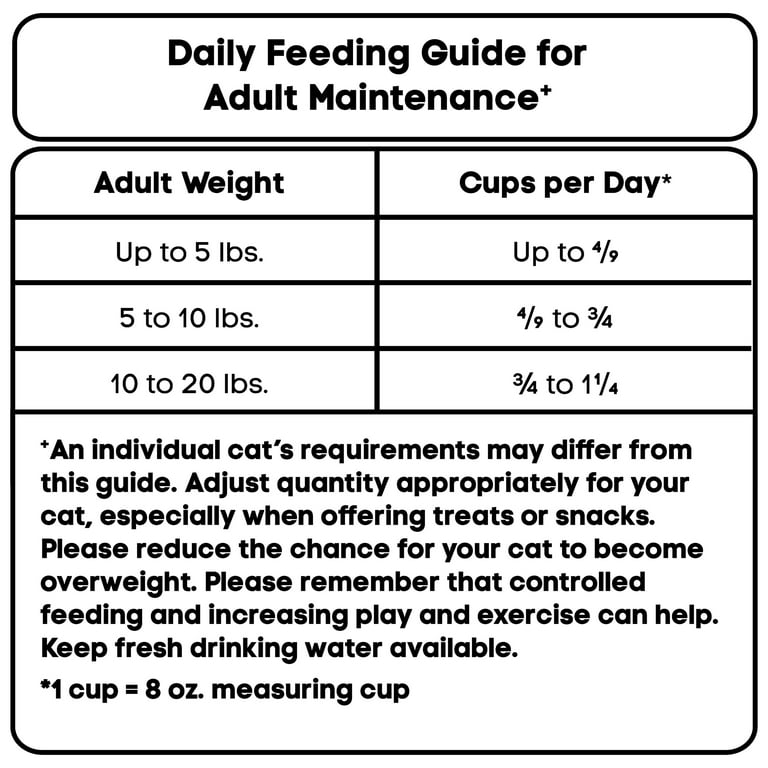
Are you wondering how much cat food your adult feline really needs each day? Feeding your cat the right amount is key to keeping them healthy and happy.
Too little food can leave them hungry and weak, while too much can lead to weight gain and health problems. You’ll discover simple tips to find the perfect daily portion for your cat. Keep reading to make sure you’re giving your furry friend exactly what they need—no more, no less.
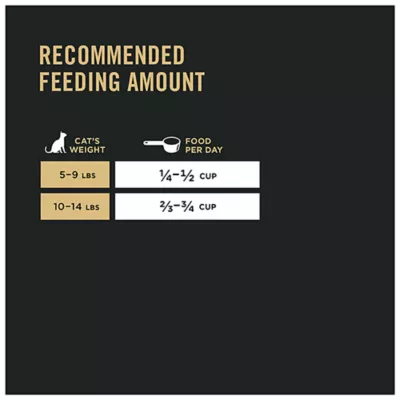
Credit: www.petsmart.com
Daily Caloric Needs
Understanding your adult cat’s daily caloric needs is key to keeping them healthy and energetic. Just like people, cats require a specific amount of calories each day to maintain their weight and support their activity levels. If you feed too little, your cat may lose weight and become weak; too much, and they could gain unhealthy weight quickly.
Factors Affecting Calorie Requirements
Not all cats need the same amount of calories. Several factors influence how much food your cat should eat daily.
- Age:Older cats tend to be less active and need fewer calories, while younger adults may burn more energy.
- Weight and Body Condition:Overweight cats need fewer calories to lose weight, while underweight cats require more to gain.
- Activity Level:Active cats, especially those allowed outside, burn more energy and need extra calories.
- Health Status:Cats with certain medical conditions may have altered calorie needs.
Think about your cat’s daily routine. Is your feline lounging all day, or do they chase toys and climb furniture constantly? That lifestyle difference matters.
Standard Calorie Guidelines
Most adult cats need about 20 calories per pound of body weight each day to maintain their weight. For example, a 10-pound cat usually requires around 200 calories daily.
| Cat Weight (lbs) | Daily Calories Needed |
|---|---|
| 8 | 160 calories |
| 10 | 200 calories |
| 12 | 240 calories |
Remember, these numbers are starting points. If your cat gains or loses weight, adjust the calories accordingly. Have you noticed any changes in your cat’s weight lately? That’s your cue to revisit their food amounts.
Portion Sizes By Cat Weight
Feeding the right portion size depends mostly on your cat’s weight. Cats need enough food to stay healthy and active. Too much food can cause weight gain. Too little can lead to malnutrition. Understanding portion sizes by weight helps maintain your cat’s health.
Feeding Small Cats
Small cats usually weigh under 8 pounds. These cats need less food each day. About 150 to 200 calories daily work well. This usually equals:
- ½ to ¾ cup of dry cat food
- or 3 to 4 ounces of wet food
Feed small cats in two or three meals. Keep an eye on their weight. Adjust food if they gain or lose too much.
Feeding Medium Cats
Medium cats weigh between 8 and 12 pounds. They need more calories than small cats. Aim for about 200 to 300 calories daily. This is roughly:
- ¾ to 1 cup of dry cat food
- or 4 to 6 ounces of wet food
Divide meals into two servings. Watch for changes in activity or body shape. Adjust portions as needed to keep weight steady.
Feeding Large Cats
Large cats weigh over 12 pounds. They need the most food. Feed about 300 to 400 calories daily. This equals:
- 1 to 1¼ cups of dry cat food
- or 6 to 8 ounces of wet food
Large cats may eat two or three meals a day. Monitor their body condition often. Avoid overfeeding to prevent obesity.
Wet Food Vs Dry Food
Choosing between wet and dry food affects how much an adult cat should eat daily. Wet food contains more moisture, often requiring smaller portions than dry food. Feeding amounts depend on the cat’s weight, activity, and food type.
Wet food and dry food each have their own benefits for cats. Both types offer different textures and tastes. Choosing between them depends on your cat’s needs and preferences. Understanding their differences can help you make the best choice.Calorie Density Differences
Wet food usually contains fewer calories per gram. It has higher moisture content, which can help with hydration. This makes it less calorie-dense than dry food. Dry food, on the other hand, is more concentrated in calories. It can be a good option for cats needing more energy in smaller portions.Recommended Serving Amounts
Serving amounts depend on the cat’s weight and activity level. For wet food, the general guideline is one can per 6-8 pounds of body weight. For dry food, about 1/4 to 1/3 cup per day is typical. Always check the packaging for specific recommendations. Adjust based on your cat’s hunger and health needs. Regular vet check-ups can help monitor your cat’s diet.
Credit: whitedogbone.com
Adjusting Portions For Activity Level
Adjusting your cat’s food portions based on their activity level is key to keeping them healthy and happy. Cats that move around a lot burn more calories and need more energy from their food. On the other hand, less active cats require fewer calories to avoid gaining extra weight.
Active Cats
Active cats, especially those who spend time outdoors or love to play vigorously, need extra fuel. Their muscles use more energy, so providing slightly larger portions helps maintain their strength and stamina. You might notice your cat finishes meals quickly or seems hungry more often—this is a good sign they need more food.
Consider adding about 10-20% more food than the standard amount suggested on the packaging. Watch their weight regularly to ensure they’re not gaining too much, which can also slow them down. If your cat is a frequent hunter or chaser, high-protein food can also support muscle repair and energy levels.
Less Active Or Indoor Cats
Indoor cats or those with low activity levels don’t burn as many calories daily. Feeding them the same amount as an active cat can lead to unwanted weight gain and health problems like diabetes. These cats usually need smaller portions and sometimes food with fewer calories.
Try reducing portions by about 10-15% compared to active cats. You can also split their daily food into multiple small meals to keep their metabolism steady. Pay attention to their behavior—if they seem lethargic or gain weight, adjust portions accordingly.
Do you know how active your cat really is during the day? Tracking their playtime or movement can help you fine-tune their food intake. Your cat’s energy level is a simple clue to getting their diet just right.
Special Diet Considerations
Caring for an adult cat’s diet means more than just measuring out food portions. Special diet considerations can impact how much your cat should eat each day. Understanding these factors helps you tailor feeding amounts to your cat’s unique needs.
Weight Management
If your cat tends to gain weight easily, you need to adjust their daily food intake carefully. Overfeeding can lead to obesity, which causes health problems like diabetes and joint pain.
Try feeding smaller, more frequent meals rather than one or two large portions. Use a kitchen scale to measure food accurately, since “eyeballing” often leads to overfeeding.
Have you noticed your cat getting a bit heavier? Cutting down by just 10-15% of their usual daily food can make a big difference over time. Pair portion control with more playtime to keep your cat fit.
Health Conditions Impacting Feeding
Some health issues require special diet adjustments that affect how much food your cat should eat. For example, cats with kidney disease often need less protein, but more frequent meals.
Cats with diabetes might need consistent carbohydrate levels and calorie intake to maintain stable blood sugar. Your vet can help you set the right daily feeding amount based on your cat’s condition.
Pay close attention to your cat’s appetite and weight changes if they have a health condition. Changes in eating behavior can signal that their diet needs updating or that their health requires more attention.
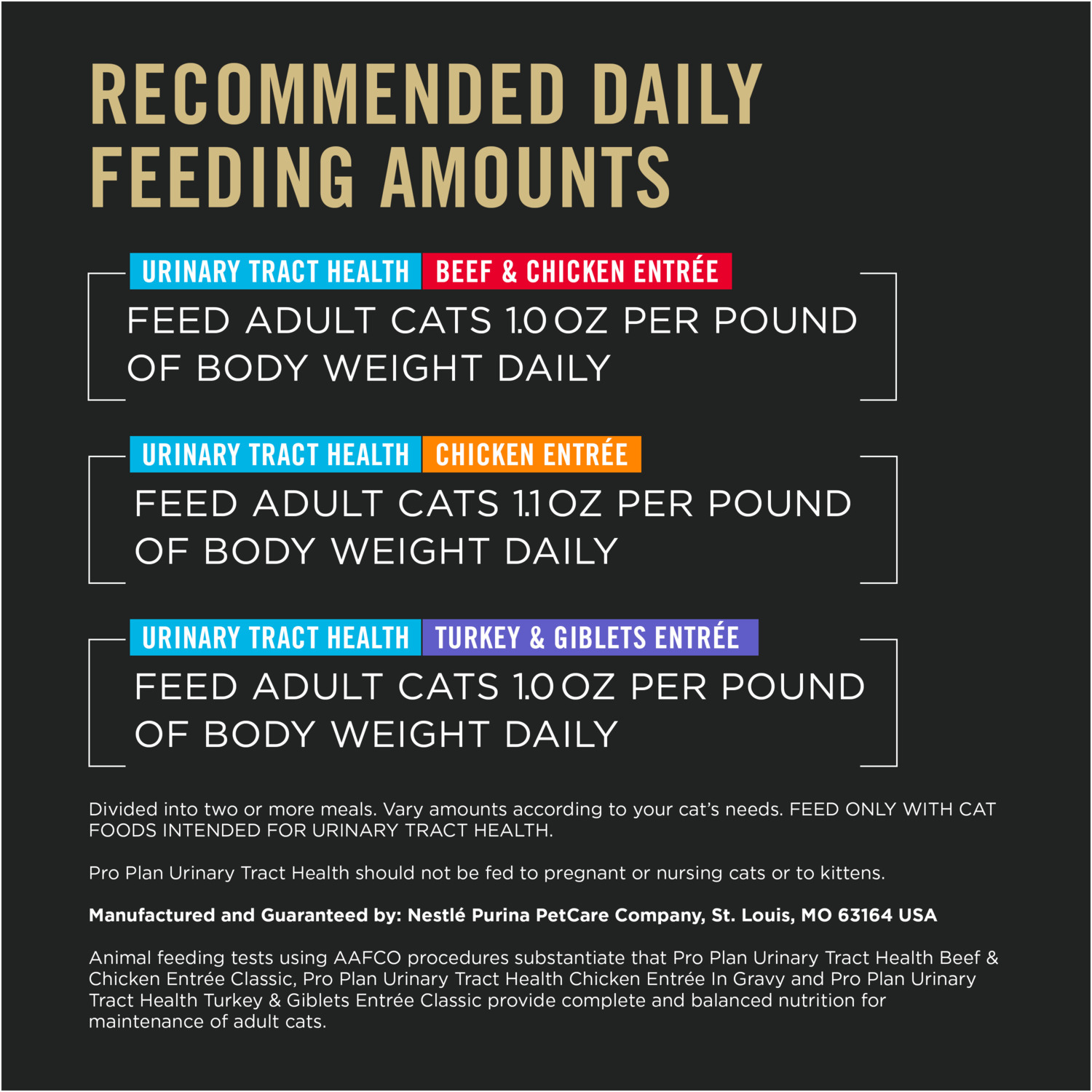
Credit: www.petsupermarket.com
Tips For Monitoring Cat’s Weight
Keeping an eye on your cat’s weight is key to ensuring they stay healthy and happy. It’s easy to either overfeed or underfeed without realizing it, which can lead to health problems down the road. Here are some straightforward tips to help you monitor your cat’s weight effectively.
Regular Weigh-ins
Weigh your cat at least once a month to track any changes. Use the same scale each time and weigh your cat at similar times of the day for consistency. If you notice a sudden drop or gain, it’s a sign to adjust their food or visit the vet.
I once noticed my cat gained half a pound in just two weeks after switching foods. Regular weigh-ins helped me catch it early and prevent further weight issues.
Signs Of Overfeeding Or Underfeeding
Watch for physical and behavioral signs that your cat’s food amount might be off. Overfed cats may become lethargic or show a rounder belly, while underfed cats often appear thin or lose interest in food.
- Overfeeding signs:Weight gain, difficulty jumping, less active behavior
- Underfeeding signs:Visible ribs, constant hunger, low energy
Ask yourself: Is your cat’s energy level changing? Are their eating habits shifting? These clues help you decide if you need to adjust their daily food portions.
Frequently Asked Questions
How Much Cat Food Should An Adult Cat Eat Daily?
An adult cat typically needs 20-30 calories per pound daily. This translates to about ¼ to ⅓ cup of dry food or 3-4 ounces of wet food. Adjust portions based on your cat’s weight, activity, and health needs.
Does Cat Weight Affect Daily Food Amount?
Yes, a cat’s weight directly affects its daily food intake. Overweight cats need fewer calories, while underweight cats may require more. Always feed according to your cat’s ideal weight, not just its current weight.
How Often Should I Feed My Adult Cat Daily?
Most adult cats do well with two meals per day. Feeding twice daily helps maintain energy levels and controls portion size. Some owners also offer free feeding with dry food, but portion control is essential.
Can Activity Level Change Cat Food Portions?
Yes, active cats burn more calories and may need larger portions. Less active or indoor cats require smaller amounts to prevent weight gain. Monitor your cat’s activity and adjust food accordingly.
Conclusion
Feeding your adult cat the right amount helps keep them healthy. Daily portions depend on their weight, activity, and food type. Watch your cat’s body and energy to adjust feeding. Avoid overfeeding to prevent weight gain and health issues. Consistent feeding times create a happy routine for your cat.
Remember, each cat is unique, so stay attentive and flexible. Proper feeding supports a long, joyful life for your furry friend.

Leave a Reply