Are you wondering how much cat food your adult cat really needs each day? Feeding your cat the right amount is more important than you might think.
Too little, and your furry friend could miss out on essential nutrients. Too much, and you risk overfeeding, which can lead to weight gain and health problems. You’ll discover the simple guidelines to keep your cat happy, healthy, and well-fed without any guesswork.
Keep reading to learn exactly how to measure the perfect portion for your adult cat.
Daily Cat Food Amounts
Knowing how much food your adult cat needs each day is crucial for their health and happiness. Feeding the right amount helps maintain a healthy weight and prevents common issues like obesity or malnutrition. But how do you figure out the perfect daily portion? Let’s break down the key points.
Factors Affecting Food Intake
Your cat’s appetite isn’t the same every day. Several factors influence how much food they need, including their age, activity level, and overall health.
For instance, an active outdoor cat will burn more calories and need more food than a mostly indoor, sedentary cat. Health conditions like diabetes or kidney disease can also change their dietary requirements. Even the weather can play a role—cats often eat more in colder months to keep warm.
Standard Feeding Guidelines
Most cat food packages offer general feeding guidelines based on average adult cats. These usually suggest a range of daily calories or grams of food depending on your cat’s weight. However, these are starting points, not strict rules.
Think of these guidelines as a map, not a GPS. You’ll need to adjust based on your cat’s response—whether they maintain a healthy weight, seem hungry, or leave food untouched. Watching your cat’s body condition and behavior is key.
Portion Sizes By Cat Weight
| Cat Weight (lbs) | Dry Food (grams/day) | Wet Food (grams/day) |
|---|---|---|
| 6 – 8 | 40 – 55 | 150 – 200 |
| 9 – 11 | 55 – 70 | 200 – 250 |
| 12 – 15 | 70 – 90 | 250 – 300 |
These portion sizes can help you start feeding your cat the right amount. But remember, quality of food matters too. Higher-quality foods often require smaller portions because they are more nutrient-dense.
Have you noticed your cat’s eating habits change over time? Monitoring daily intake and adjusting portions accordingly can make a big difference in their well-being.
Types Of Cat Food
Cats are unique in their dietary needs. Understanding the types of cat food is crucial. Various cat foods have different benefits and serving sizes. From dry kibble to wet canned food, each type has its nuances. Let’s explore the different types of cat food available.
Dry Food Portions
Dry food, or kibble, is a popular choice. It’s convenient and has a long shelf life. Typically, cats need about 24 to 35 calories per pound per day. For dry food, this translates to around 1/4 to 1/2 cup daily. Always check the packaging for specific serving suggestions. Ensure your cat has access to fresh water, as dry food contains little moisture.
Wet Food Portions
Wet food is often more palatable for cats. It’s rich in moisture, which aids hydration. A standard serving is about 3 ounces per 5 to 8 pounds of body weight daily. Divide this into two meals for balance. Wet food can spoil quickly, so store it properly. Consult your vet for precise dietary advice based on your cat’s needs.
Raw And Homemade Diets
Some pet owners opt for raw or homemade diets. This option requires careful planning. Raw diets can mimic a cat’s natural diet. Homemade meals need to be well-balanced with nutrients. Consult a vet or pet nutritionist for guidance. Raw diets can pose health risks if not prepared correctly. Always prioritize your cat’s health and safety.
Adjusting Food Based On Activity
Adjusting your cat’s food based on their activity level is key to keeping them healthy and happy. Different cats burn calories at different rates, so their food intake should match their energy needs. Paying attention to your cat’s lifestyle helps you avoid overfeeding or underfeeding, which can lead to weight issues or nutritional gaps.
Active Vs. Indoor Cats
Active cats, especially those that spend time outdoors or love to play, burn more calories daily. They need more food to fuel their activity and maintain muscle tone. On the other hand, indoor cats tend to be less active and require fewer calories to prevent weight gain.
Observe your cat’s behavior. Is your cat climbing, jumping, and exploring often? Then adding a bit more food or choosing a formula with higher protein might be necessary. For indoor cats, you might want to measure their portions carefully and consider food designed for weight management.
Senior Cat Feeding Needs
Older cats usually become less active, which means their calorie needs drop. However, some senior cats may need more nutrient-dense food to support aging joints and maintain lean muscle. Their digestion can also slow down, so easily digestible food can help.
Does your senior cat seem less playful or more prone to resting? Try adjusting their food to smaller, more frequent meals with balanced nutrition. Keep an eye on their weight and energy levels to find the right balance.
Pregnant And Nursing Cats
Pregnant and nursing cats have increased energy demands. They require significantly more calories to support their kittens’ growth and milk production. Their food portions should increase gradually during pregnancy and peak while nursing.
If you notice your cat eating more than usual or gaining weight steadily, this is a good sign you’re feeding her enough. Feeding a high-quality, nutrient-rich diet during this time ensures both mom and kittens stay healthy.
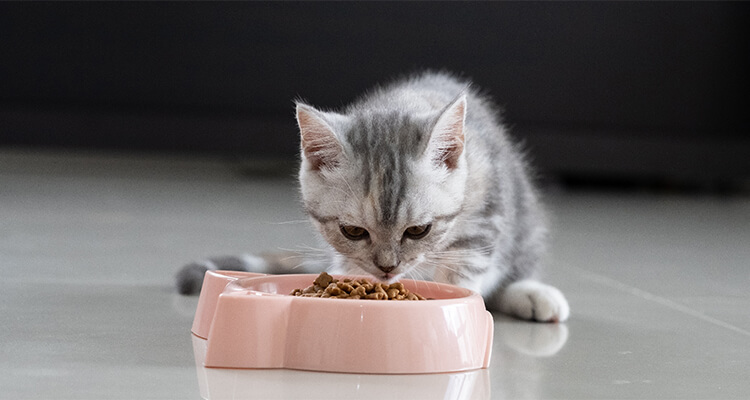
Credit: www.whiskas.co.uk
Reading Cat Food Labels
Understanding how much cat food your adult cat needs begins with reading the food label carefully. These labels hold essential information that helps you make the right feeding decisions. They tell you what’s inside the bag or can and how much energy your cat will get from it.
Calorie Content Explained
The calorie content on a cat food label shows how much energy your cat will get from a certain amount of food. It’s usually listed as “kcal per cup” or “kcal per can.” Knowing this helps you avoid overfeeding or underfeeding your cat.
For example, if a label says 350 kcal per cup, and your cat needs about 200 kcal per day, you only need a little more than half a cup. This simple math stops you from guessing and keeps your cat at a healthy weight.
Serving Size Recommendations
Labels often include feeding guidelines based on your cat’s weight. These recommendations are a great starting point but remember, every cat is different. Use them as a guide, then adjust based on your cat’s activity level and body condition.
Look for tables or charts on the label that break down servings by weight. For example:
| Cat Weight (lbs) | Daily Serving (cups) |
|---|---|
| 8-10 | 1/2 – 2/3 |
| 10-12 | 2/3 – 3/4 |
| 12-15 | 3/4 – 1 |
Have you noticed your cat gaining or losing weight despite following the label? It might be time to tweak these servings. Pay attention to your cat’s behavior and body shape to find the right balance.
Feeding Schedules And Tips
Feeding your adult cat the right amount of food at the right time is crucial for their health and happiness. Setting a feeding schedule helps regulate their appetite and prevents common issues like overeating or digestive upset. Let’s look at practical ways to manage your cat’s meals effectively.
Meal Frequency Options
You can choose from several feeding frequencies depending on your cat’s preferences and lifestyle. Some cats thrive on two meals a day—morning and evening—while others do well with small, frequent meals spread throughout the day.
Free feeding, where dry food is available all day, might seem convenient but can lead to overeating. Watching your cat’s behavior can guide you: if they seem hungry constantly or gain weight, meal-based feeding might work better.
Avoiding Overfeeding
Overfeeding is a common pitfall that leads to obesity and health problems. Use measuring cups or a kitchen scale to portion food accurately rather than guessing. Your cat’s food packaging often suggests daily amounts based on weight, which is a useful starting point.
Keep an eye on their body condition. If your cat gains weight unexpectedly, cut back slightly on portions. Also, avoid giving too many treats or human food, which can add unnecessary calories.
Hydration And Feeding
Hydration plays a key role in your cat’s digestion and overall health, especially if they eat mostly dry food. Always provide fresh water alongside meals and consider adding wet food to their diet for extra moisture.
Some cats don’t drink enough water naturally. Try placing multiple water bowls around your home or using a cat water fountain to encourage drinking. Have you noticed your cat’s water intake change with their feeding routine?
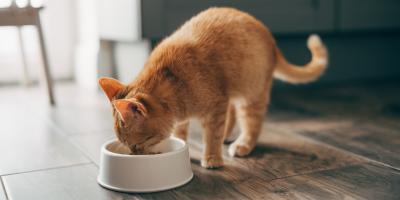
Credit: www.purina.com
Monitoring Cat’s Weight And Health
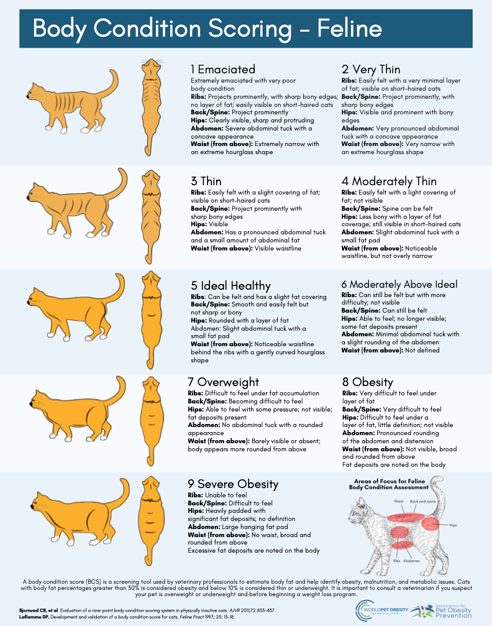
Monitoring your cat’s weight and health is key to feeding the right amount. Weight changes can show if your cat eats too much or too little. Regular checks help catch health issues early. Watch your cat’s body shape and energy levels. Adjust food portions based on these signs. Keep a log of your cat’s weight to track changes over time.
Signs Of Overfeeding
- Noticeable weight gain over weeks or months
- Difficulty feeling ribs under fat layer
- Less active or reluctant to play
- Increased panting or breathing difficulty
- Frequent begging for food despite full meals
Signs Of Underfeeding
- Rapid weight loss or visible bones
- Weakness or lack of energy
- Dull coat or poor grooming habits
- Increased irritability or restlessness
- Hiding or decreased social interaction
When To Consult A Vet
Seek a vet’s advice if your cat’s weight changes suddenly. Unexplained weight loss or gain needs professional attention. Watch for changes in appetite or behavior. A vet can check for illnesses causing weight issues. Regular vet visits help keep your cat healthy and happy.

Credit: www.purina.com
Frequently Asked Questions
How Much Food Does An Adult Cat Need Daily?
Adult cats typically eat 20 to 30 calories per pound daily. This equals roughly 1/3 to 1/2 cup of dry food or 5 to 6 ounces of wet food per day, depending on the cat’s size and activity level.
Does Cat Weight Affect Food Quantity?
Yes, a cat’s weight directly affects how much food it needs. Heavier cats require more calories, while lighter cats need less. Adjust portions based on your cat’s ideal weight and consult your vet for personalized feeding guidelines.
How Often Should I Feed My Adult Cat?
Most adult cats do well with two meals per day. Feeding in the morning and evening helps maintain consistent energy levels and prevents overeating. Some cats prefer free feeding, but portion control is key to avoid obesity.
Can Activity Level Change Cat Food Portions?
Yes, active cats burn more calories and may need larger portions. Less active or indoor cats require smaller amounts to prevent weight gain. Always monitor your cat’s weight and adjust feeding as needed.
Conclusion
Feeding an adult cat the right amount keeps them healthy and happy. Cats need balanced meals based on their size, age, and activity. Watch your cat’s weight and adjust food portions as needed. Fresh water is also very important every day.
Regular feeding times help your cat feel secure. Remember, each cat is unique, so stay patient and observe. Healthy eating leads to a longer, joyful life for your cat. Small changes make a big difference in their wellbeing. Keep your cat’s needs in mind to give the best care.


Leave a Reply