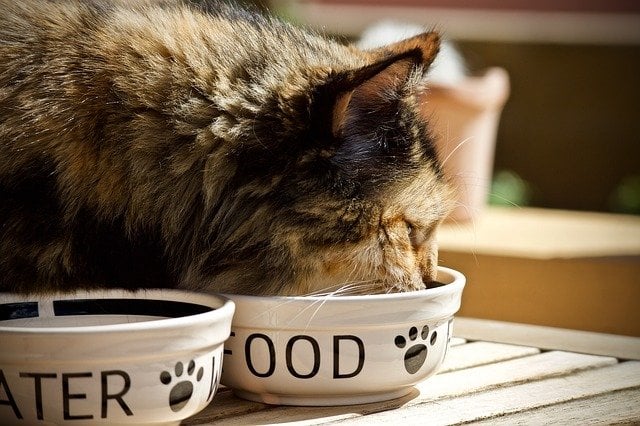
If you have a small adult cat, you probably wonder how much canned food to give them each day. Feeding your cat just the right amount is important for their health and happiness.
Too little food can leave them hungry, while too much might cause weight gain. You’ll discover simple, clear guidelines to help you measure the perfect portion of canned food for your furry friend. Keep reading to learn how to keep your cat satisfied and healthy with every meal.
Daily Calorie Needs
Understanding your small adult cat’s daily calorie needs is key to feeding them just the right amount of canned food. Too little can leave them hungry and undernourished, while too much can lead to unwanted weight gain. Let’s look at what influences these calorie needs and how you can estimate the right portion size for your feline friend.
Factors Affecting Calorie Requirements
Several factors shape how many calories your cat needs each day. Age plays a role—even a small adult cat’s energy use changes as they grow older. Activity level matters too; an energetic cat that loves to play will burn more calories than a more sedentary one.
Think about your cat’s environment. Indoor cats often need fewer calories because they move less. Health status is another big factor—cats with certain illnesses may require adjusted calorie intake. Have you noticed your cat’s energy or weight shifting? That might be a sign to reassess their diet.
Calorie Estimates For Small Adult Cats
| Cat Weight | Daily Calorie Needs (approx.) |
|---|---|
| 5 lbs (2.3 kg) | 180 – 200 kcal |
| 7 lbs (3.2 kg) | 210 – 250 kcal |
| 9 lbs (4.1 kg) | 250 – 280 kcal |
These numbers give you a starting point, but remember, canned foods vary in calorie density. Check the label for calories per can or per serving. You might find your cat needs just half a can or a full can to meet their daily needs.
Have you ever measured your cat’s food against their activity and weight changes? Adjusting portions based on real-world observation can be more effective than relying on fixed numbers alone.
Canned Food Nutritional Content
Canned food offers essential nutrients for small adult cats. Understanding its nutritional content helps control portion sizes and maintain your cat’s health. Each can provides energy and vital nutrients in specific amounts.
Knowing these details aids in feeding the right quantity daily. Cats need balanced nutrition to stay active and avoid weight issues. Let’s explore the key nutritional aspects of canned cat food.
Calories Per Can
Calories show how much energy a can provides. Small adult cats usually need around 200 to 300 calories daily. Most canned foods contain between 70 and 150 calories per 3-ounce can. This varies by brand and ingredients.
Check the label for exact calorie counts. Feeding too many calories causes weight gain. Too few can lead to energy loss and health problems.
Macronutrient Breakdown
Macronutrients include proteins, fats, and carbohydrates. Cats need high protein and moderate fat levels. Carbohydrates should be low since cats are carnivores.
| Macronutrient | Typical Percentage in Canned Food | Role for Cats |
|---|---|---|
| Protein | 8% – 12% | Builds muscles, supports body functions |
| Fat | 4% – 8% | Provides energy, supports skin and coat |
| Carbohydrates | Less than 5% | Minimal role, mostly fillers |
Reading these values helps select the best canned food. Balanced macronutrients keep your cat fit and healthy.
Recommended Serving Sizes
Small adult cats usually need about 3 to 4 ounces of canned food per meal. Feeding twice daily helps keep their diet balanced and energy steady. Always check the cat’s weight and adjust portions as needed.
Understanding the recommended serving sizes for your small adult cat is crucial for maintaining their health and happiness. Feeding too little can lead to nutritional deficiencies, while too much can contribute to obesity and related health issues. So, how do you strike the right balance?Portion Based On Weight
Cats come in various shapes and sizes, and their dietary needs differ accordingly. A general rule is to feed approximately 20 calories per pound of body weight per day. If your cat weighs 8 pounds, they would require around 160 calories daily. Check the label on the canned food for calorie content. Most cans will state the calories per can or per serving, making it easier to determine how much to feed.Adjusting Portions For Activity Level
Not all cats are couch potatoes; some are little furry athletes. If your cat is more active, they may need a bit more food to sustain their energy levels. Consider increasing their portion slightly to meet their activity demands. Conversely, if your cat prefers lounging around, you might need to adjust their meals to prevent weight gain. Always observe your cat’s body condition and adjust the portions accordingly. What strategies do you use to determine the right amount of food for your cat? Share your insights in the comments!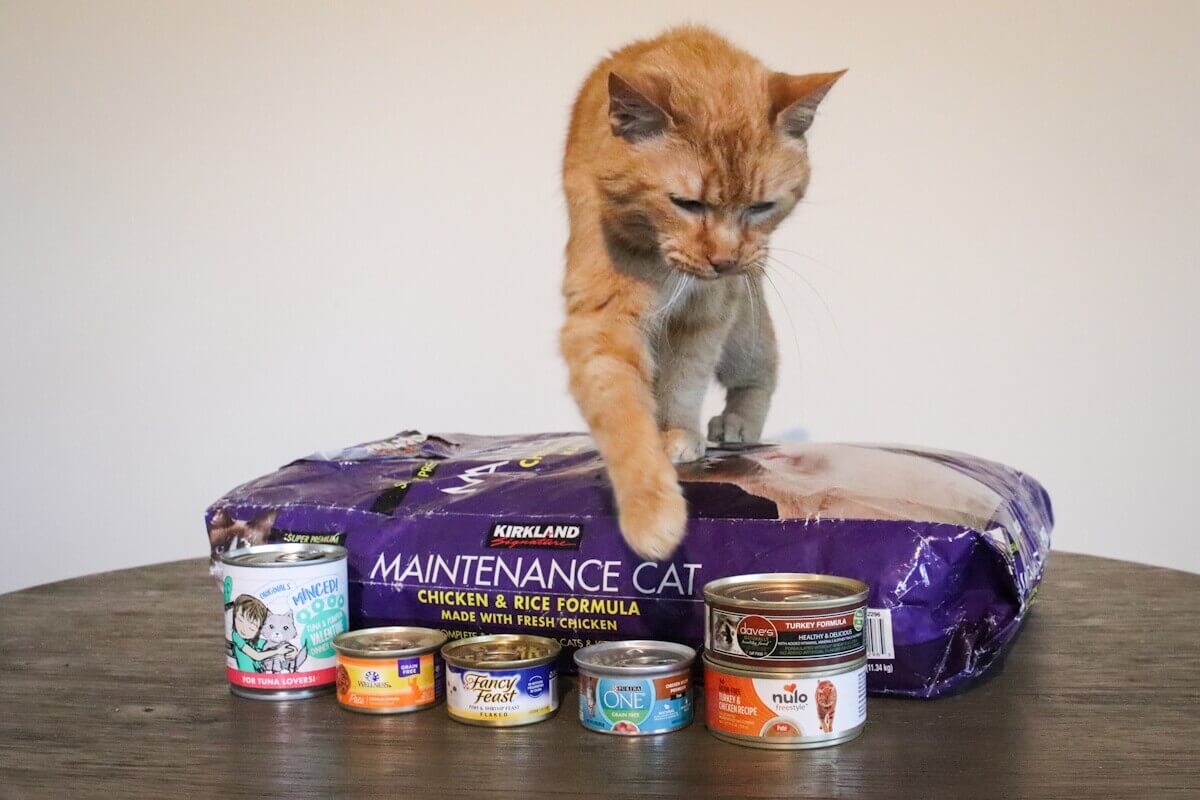
Credit: cats.com
Feeding Frequency
Feeding frequency plays a crucial role in maintaining your small adult cat’s health and energy levels. How often you feed your cat can impact their digestion, weight management, and overall happiness. Finding the right schedule helps prevent overeating and keeps your cat looking forward to mealtime.
Meal Scheduling Tips
Start by dividing your cat’s daily canned food allowance into smaller portions. Instead of one or two large meals, try feeding three to four smaller meals throughout the day. This approach mimics their natural hunting instincts and keeps their metabolism steady.
Keep mealtimes consistent. Cats thrive on routine, so feeding at the same times daily reduces stress and encourages better digestion. Use a timer or set reminders if you tend to get busy during the day.
Watch your cat’s behavior closely. If they seem hungry between meals, you might need to adjust portion sizes or add an extra snack. Your cat’s appetite will guide you better than strict rules.
Benefits Of Multiple Small Meals
Feeding multiple small meals helps maintain stable blood sugar levels, which is especially important for cats prone to diabetes or weight issues. It also prevents the discomfort that can come from eating too much at once.
- Reduces the risk of vomiting due to overeating
- Keeps your cat’s energy steady throughout the day
- Improves digestion and nutrient absorption
When I switched to feeding my cat smaller meals four times a day, I noticed she was less restless and more playful between feedings. Have you observed changes in your cat’s behavior with different feeding schedules? Experimenting with meal frequency might reveal what works best for your furry friend.
Signs Of Overfeeding And Underfeeding
Recognizing signs of overfeeding and underfeeding in your small adult cat is essential for maintaining their health. These signs often show up in physical changes and behavior shifts that you might overlook if you’re not paying close attention. Knowing what to watch for helps you adjust their canned food intake before problems develop.
Weight Changes
Weight gain is a common sign of overfeeding. If your cat’s belly looks rounder or you notice extra fat around their ribs, it’s time to reconsider the portion size. You can gently feel their ribs—if they are hard to find, your cat might be eating too much.
On the flip side, weight loss signals underfeeding. If your cat’s bones become more visible or they seem thinner than usual, they may not be getting enough food. Regularly weighing your cat can help track these changes early, so you avoid long-term health issues.
Behavioral Indicators
Overfed cats often show less interest in food or become lazy. You might notice your cat avoiding mealtime or sleeping more than usual. These subtle cues can mean their diet is too heavy or unbalanced.
Underfed cats behave differently—they tend to be restless or constantly hungry. They may meow more often or try to sneak food from your plate. Watch for increased activity or signs of stress, as these behaviors suggest your cat needs more nourishment.
Have you noticed any changes like these in your cat recently? Adjusting food portions can make a big difference in their happiness and health.

Credit: www.purina.com
Special Considerations
Feeding your small adult cat canned food isn’t just about measuring portions. You need to consider unique factors that affect how much and what type of food your cat should eat. These special considerations help ensure your cat stays healthy, happy, and well-nourished.
Health Conditions Affecting Diet
Your cat’s health can change the amount and kind of canned food they need. Cats with kidney problems, diabetes, or allergies often require special diets. For example, a cat with kidney disease may need food lower in phosphorus and protein, while a diabetic cat might need a diet with controlled carbohydrate levels.
Have you ever noticed your cat eating less or more than usual? That could signal a health issue affecting appetite or digestion. Always check with your vet before making any changes if your cat has a health condition.
Here are some common health-related diet adjustments:
- Kidney Disease:Limited protein and phosphorus
- Diabetes:Controlled carbs and consistent feeding times
- Food Allergies:Hypoallergenic or novel protein diets
- Obesity:Reduced calorie intake and portion control
Age And Life Stage Adjustments
Age changes how your cat processes food and nutrients. A small adult cat might still be active, but as they approach senior years, their metabolism slows down. This means you may need to adjust their canned food portions to avoid weight gain or nutrient deficiencies.
Young adult cats usually require more calories and protein to support their energy levels. As cats move into their senior stage, look for canned foods designed to support joint health and kidney function. Have you thought about how your cat’s age might change their food needs?
Consider these points for different life stages:
- Young Adult (1-6 years):Balanced nutrition, higher protein
- Mature Adult (7-10 years):Slightly reduced calories, maintain muscle mass
- Senior (10+ years):Joint support, kidney-friendly nutrients, fewer calories
Transitioning To New Feeding Amounts
Changing the amount of canned food your small adult cat eats requires care and patience. Sudden shifts in diet can upset their stomach or cause refusal to eat. A slow, steady transition helps your cat adjust comfortably to the new feeding amounts. This approach supports their health and maintains their interest in food.
Gradual Changes
Start by mixing a small portion of the new amount with the current serving. Increase the new amount little by little over 7 to 10 days. Watch your cat’s eating habits closely during this time. This slow change helps prevent digestive problems and stress.
Monitoring Response
Check for signs like vomiting, diarrhea, or loss of appetite. Note any changes in energy or behavior. If your cat shows problems, slow down the transition or consult a vet. Keep track of their weight to ensure they stay healthy. Adjust feeding amounts based on these observations for best results.
Credit: www.purina.com
Frequently Asked Questions
How Much Canned Food Should A Small Adult Cat Eat Daily?
A small adult cat typically needs 3 to 4 ounces of canned food daily. Adjust portions based on activity and weight. Always check the feeding guidelines on the cat food label for accuracy.
Can Feeding Too Much Canned Food Harm Cats?
Yes, overfeeding canned food can cause obesity and digestive issues. Stick to recommended portions and monitor your cat’s weight regularly.
Should Canned Food Be Combined With Dry Food For Cats?
Combining canned and dry food provides balanced nutrition and hydration. Consult your vet to create the best feeding plan for your cat’s health.
How Often Should I Feed Canned Food To My Cat?
Feeding canned food once or twice daily is ideal for most small adult cats. Maintain consistent feeding times to support digestion and routine.
Conclusion
Feeding a small adult cat the right amount of canned food keeps them healthy. Watch your cat’s weight and energy to adjust portions. Most cats need about 3 to 4 ounces daily, but each cat is different. Fresh water should always be available alongside canned food.
Regular vet visits help ensure your cat’s diet is on track. Balanced feeding supports a happy, active cat every day. Small steps make a big difference in your cat’s health.



Leave a Reply