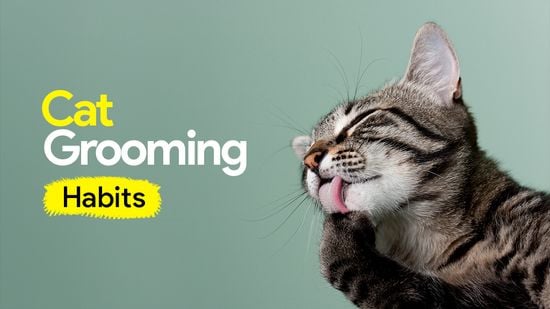
Have you ever caught your cat spending what feels like hours licking its fur? You might wonder, just how many times do cats groom themselves each day?
Understanding your cat’s grooming habits can reveal a lot about their health and happiness. You’ll discover surprising facts about why your feline friend grooms so often and what it means for you as a pet owner. Keep reading to unlock the secrets behind your cat’s daily self-care routine.

Credit: tryfurgo.com
Cat Grooming Frequency
Cats are known for their cleanliness and spend a lot of time grooming themselves. Understanding how often cats groom helps us know more about their health and mood. Grooming is not just about cleaning; it is also a way for cats to relax and bond with their environment.
Daily Grooming Habits
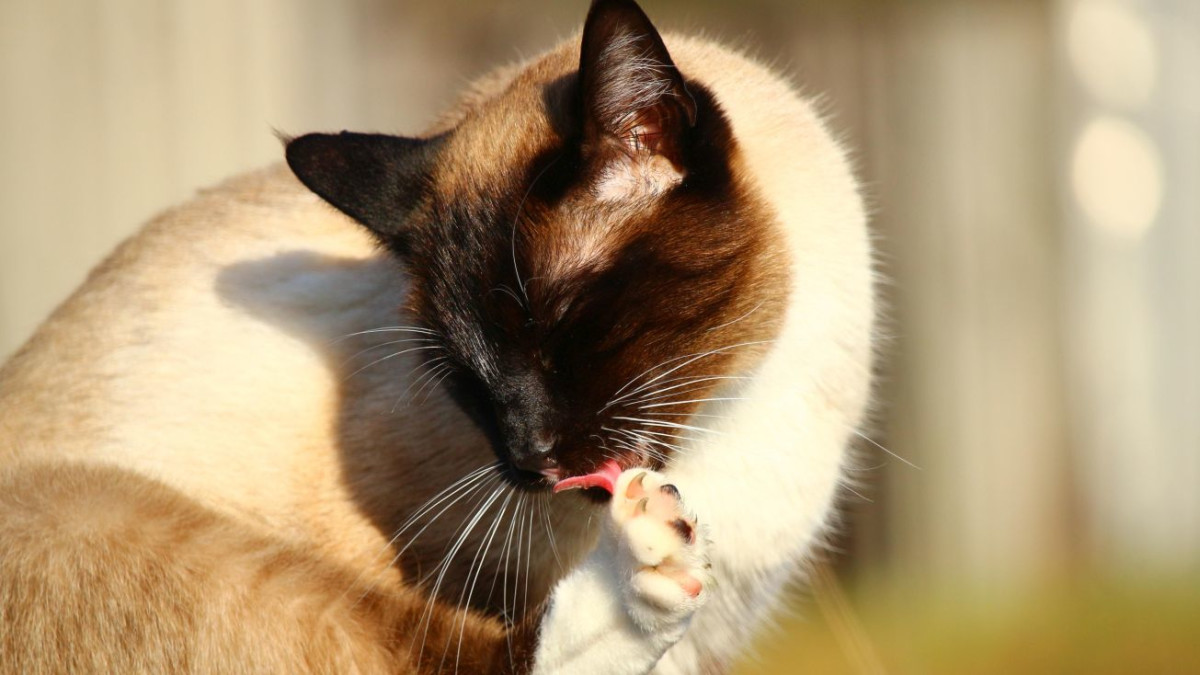
Most cats groom several times a day. They lick their fur to remove dirt and loose hair. Grooming also spreads natural oils, keeping their coat shiny and soft. A typical cat can spend 30 to 50 percent of its day grooming. This means grooming can take up several hours daily. Kittens and young cats often groom more as they learn about their bodies. Older cats might groom less due to health issues or less energy.
Factors Affecting Grooming Time
Different things change how much a cat grooms. Long-haired cats need more grooming to avoid mats and tangles. Cats with skin problems may groom more to soothe irritation. Stress or changes in the environment can increase or decrease grooming habits. Cats that live indoors usually groom more often than outdoor cats. Diet and hydration also affect the health of a cat’s skin and fur. Regular vet checkups help spot any grooming-related health issues early.
Credit: pethelpful.com
Reasons Cats Groom Often
Cats grooming themselves often might seem like a simple habit, but it serves several important purposes. Understanding why your cat spends so much time cleaning can help you better care for them and notice when something might be off. Let’s break down the key reasons behind their frequent grooming sessions.
Maintaining Cleanliness
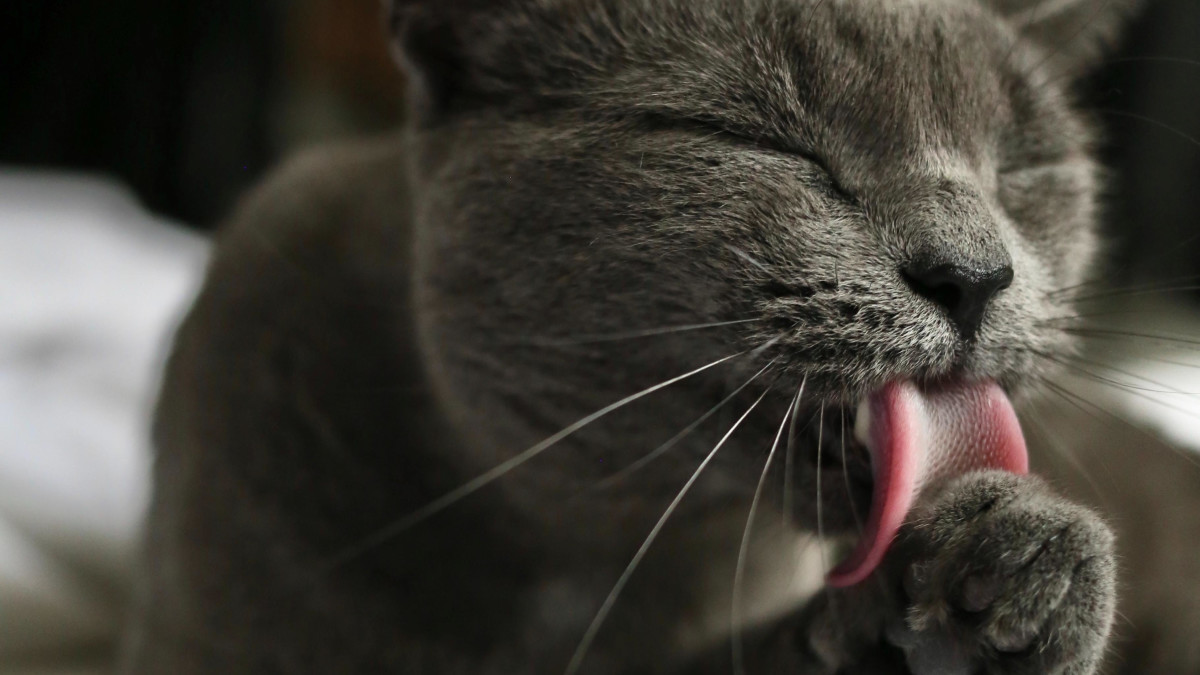
Grooming keeps a cat’s coat free of dirt, debris, and loose fur. This not only helps them look neat but also prevents skin infections and parasites like fleas. Have you ever noticed how your cat’s tongue feels rough? That texture helps remove dirt and spreads natural oils, keeping their fur shiny and healthy.
Temperature Regulation
Cats use grooming to cool down or warm up. When they lick their fur, the saliva evaporates, which can help cool them in hot weather. Conversely, grooming spreads oils that provide insulation, helping them stay warm in cooler temperatures. This self-care helps cats adapt to changes in their environment without needing extra help.
Stress Relief
Grooming acts as a calming activity for cats. When they feel anxious or stressed, they often groom more to soothe themselves. You might notice your cat licking their paws or fur more after a visit to the vet or a loud noise. Watching this behavior can give you clues about their emotional state and when they need extra comfort.
Variations Among Cat Breeds
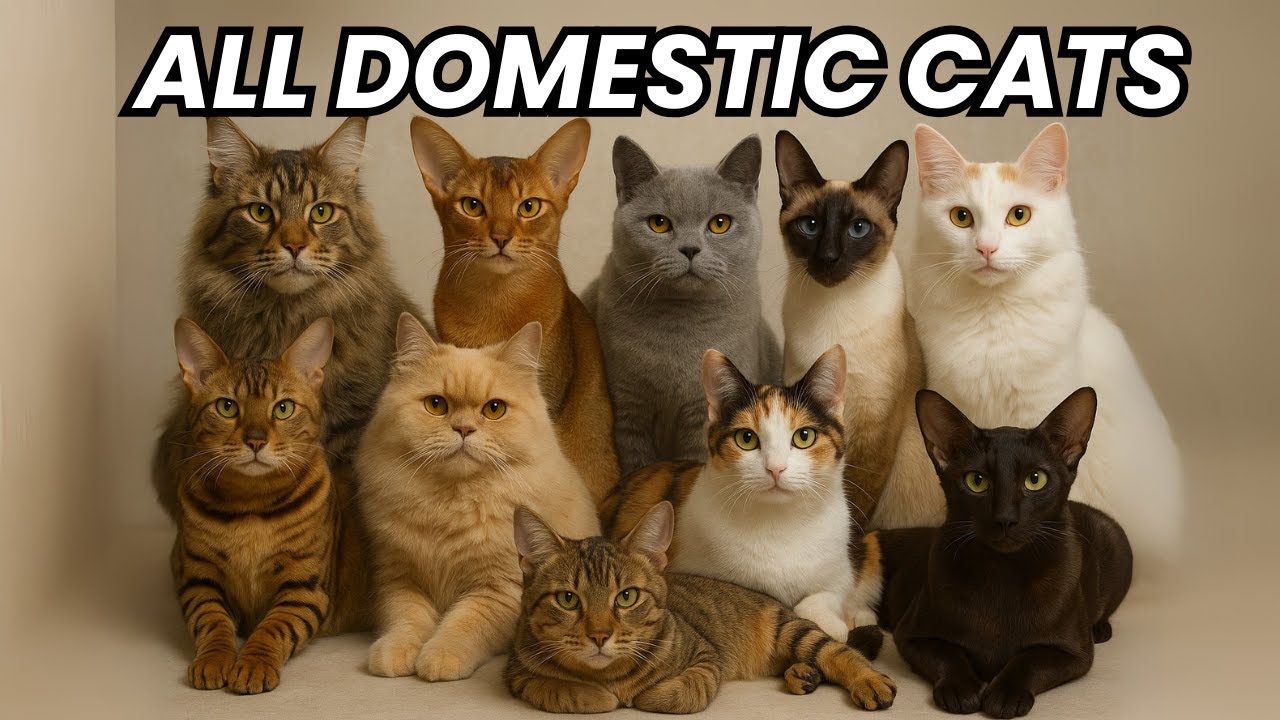
Cats vary in grooming habits based on their breed traits. Each breed has unique fur types and grooming needs. These differences affect how often cats clean themselves. Grooming keeps cats healthy, removes dirt, and prevents hair mats. Understanding breed-specific grooming helps owners care better for their pets.
Long-haired Vs Short-haired Cats
Long-haired cats groom more often than short-haired cats. Their thick fur collects more dirt and tangles easily. Grooming removes loose hair and prevents mats. Long-haired breeds like Persians spend hours cleaning daily.
Short-haired cats have less fur to maintain. They groom less frequently but still stay clean. Their smooth coats need less brushing and fewer grooming sessions. Short-haired breeds like Siamese focus on quick grooming bursts.
Age And Grooming Patterns
Kittens groom less but learn from their mothers. Their grooming increases as they grow. Adult cats groom regularly to keep fur neat and healthy. Senior cats may groom less due to less energy or health issues.
Older cats sometimes develop mats or skin problems. Owners should check their grooming habits closely. Help with brushing may be needed for aging cats.
Health Implications Of Grooming
Cats spend a lot of time grooming. This behavior keeps them clean and healthy. Grooming helps remove dirt, loose fur, and parasites. It also spreads natural oils across their skin. These oils keep the coat shiny and soft. But grooming can also show health problems. Watching how much a cat grooms can help spot issues early.
Signs Of Over-grooming
Too much grooming can harm a cat’s skin. Some signs of over-grooming include:
- Bald patches or thin fur
- Red or irritated skin
- Scabs or sores
- Constant licking or chewing one area
Over-grooming may mean stress or pain. It can also signal allergies or infections. Notice any changes in grooming habits quickly.
Grooming And Skin Conditions
Grooming helps prevent skin problems, but some conditions affect grooming. Cats with dry skin may lick more to soothe itching. Parasites like fleas cause constant scratching and grooming. Fungal infections often lead to hair loss and skin damage. Watching grooming habits helps detect these issues early. Regular vet checks keep your cat’s skin healthy.
How Owners Can Support Grooming
Cats groom themselves several times a day to stay clean and healthy. Owners can help by brushing their fur gently and checking for any skin issues. Providing a calm space makes grooming easier for both cats and owners.
Cats are well-known for their meticulous grooming habits, but did you know you can play a pivotal role in this process? Supporting your cat’s grooming routine can enhance their health and strengthen your bond. Your involvement can also help prevent issues like hairballs and matted fur. Dive into these practical tips to make grooming a delightful experience for both you and your feline friend.Brushing Techniques
Brushing your cat regularly helps remove loose fur and prevents tangles. It’s essential to use the right brush for your cat’s coat type. Short-haired cats may benefit from a soft-bristle brush, while long-haired breeds might need a more robust comb. Gently brush in the direction of the fur’s growth to avoid irritation. Pay extra attention to areas that are prone to matting like the belly and underarms. If your cat seems uneasy, try brushing after playtime when they’re more relaxed.When To Consult A Vet
While grooming can be a pleasant routine, sometimes it reveals underlying health issues. If you notice excessive shedding, bald spots, or skin irritation, it might be time to contact your vet. These could be signs of allergies, parasites, or other medical concerns. Consider how your cat behaves during grooming. Does your feline friend react with discomfort or pain? Such reactions may indicate an underlying issue that requires professional attention. Engaging in your cat’s grooming routine not only ensures a healthy coat but also strengthens your connection. Are you ready to add this bonding time to your daily routine? Your cat will thank you for it!
Credit: www.latimes.com
Frequently Asked Questions
How Often Do Cats Groom Themselves Daily?
Cats typically groom themselves 3 to 4 times a day. This behavior helps them stay clean, regulate body temperature, and reduce stress. Grooming also strengthens their bond with other cats when done socially.
Why Do Cats Spend So Much Time Grooming?
Cats groom to remove dirt, loose fur, and parasites. Grooming maintains their skin health and spreads natural oils. It also helps them calm down and feel comfortable in their environment.
Can Excessive Grooming Harm Cats?
Yes, excessive grooming can cause skin irritation or hair loss. It may indicate stress, allergies, or medical issues. If you notice over-grooming, consult a veterinarian for proper diagnosis and treatment.
Do Cats Groom Differently Based On Age?
Kittens groom less initially but learn quickly from their mothers. Adult cats groom frequently to maintain hygiene. Older cats may groom less due to arthritis or health problems.
Conclusion
Cats groom themselves many times each day to stay clean and healthy. This habit helps them remove dirt and loose fur. Grooming also keeps their skin fresh and free from bugs. Watching a cat groom can show you if it feels well or stressed.
Remember, a healthy cat grooms regularly. If grooming changes, it may need a vet visit. Understanding how often cats groom helps you care for them better. Simple but important.


Leave a Reply