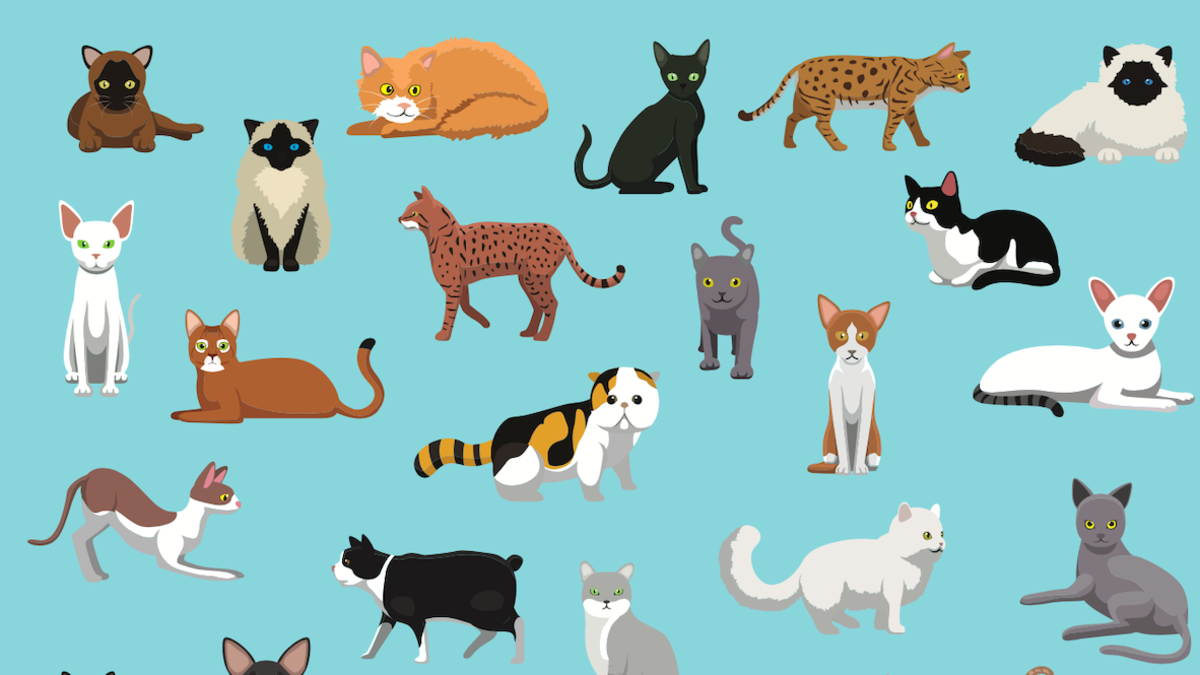
Have you ever wondered just how many cat breeds exist today? If you’re curious about the variety of feline friends out there, you’re in the right place.
Knowing the number of cat breeds can help you find the perfect match for your home or simply satisfy your love for these amazing creatures. You’ll discover the exact count of recognized cat breeds in 2022, learn what makes each one unique, and get tips on how to spot your favorite.
Keep reading—you might be surprised by what you find!

Credit: www.aol.com
Cat Breed Count In 2025
The cat breed count in 2025 shows steady growth. Cat lovers and breeders continue to discover new breeds. This rise reflects human interest and genetic research. Breed standards evolve as new traits become recognized. The total number of official breeds is expected to increase slightly.
Different cat organizations recognize different breeds. These numbers may vary depending on the source. Most major registries agree on about 75 to 80 breeds. Some breeders are working on developing new types. These efforts may add more breeds in coming years.
Factors Influencing The Number Of Cat Breeds
Genetic diversity plays a big role in breed creation. Breeders select cats with unique features for new breeds. Health and temperament are important for breed acceptance. Organizations have strict rules before approving new breeds. Cultural preferences also affect which breeds gain popularity.
Major Cat Registries And Their Breed Lists
- The Cat Fanciers’ Association recognizes 44 breeds.
- The International Cat Association lists around 73 breeds.
- The Fédération Internationale Féline accepts 73 breeds globally.
- Other smaller registries may have unique breed counts.
Emerging Cat Breeds To Watch In 2025
New breeds often start with hybrid or natural variations. Some recent breeds include the Lykoi and Dwelf cats. Breeders focus on traits like coat, color, and eye shape. These emerging breeds may gain official status soon. Watch for new breed announcements from major registries.
Top Cat Breed Organizations
Understanding how many cat breeds exist in 2022 means paying attention to the organizations that officially recognize and categorize these breeds. These top cat breed organizations shape the standards and help preserve the unique traits of each breed. If you want to know which breeds are recognized worldwide, knowing these organizations is essential.
International Cat Associations
Several key international cat associations influence the recognition of cat breeds globally. The Cat Fanciers’ Association (CFA)is one of the largest, known for its rigorous breed standards and popular cat shows.
The International Cat Association (TICA)stands out for recognizing a broader range of breeds, including newer and experimental ones, which can be exciting if you’re curious about emerging breeds.
Another major player is the Fédération Internationale Féline (FIFe), which is widespread in Europe and known for its strict judging criteria. These organizations often collaborate but sometimes differ in which breeds they officially recognize.
Breed Recognition Criteria
How does an association decide if a cat breed deserves official recognition? Each organization has its own set of criteria, but many focus on consistent physical traits, temperament, and a stable breeding population.
For instance, a breed must have a documented history and meet specific physical characteristics. You might be surprised to learn that some breeds are rejected simply because they don’t breed true to type or lack enough genetic diversity.
Understanding these criteria helps you appreciate why there isn’t a single, fixed number of cat breeds. It also makes you wonder: How might your favorite breed change if the standards were adjusted?
Popular Cat Breeds Today
Cat lovers find joy in the diversity of cat breeds. Each breed has its own charm and personality. In 2022, many breeds have gained popularity. Let’s explore some of these beloved feline companions.
Common Domestic Breeds
Domestic breeds are often seen in households. They are friendly and adaptable. The American Shorthair is a favorite. It is known for its playful and gentle nature. The Siamese cat is another popular choice. Its sleek body and striking blue eyes are captivating. The Maine Coon is loved for its large size and fluffy coat. It is gentle and sociable, making it ideal for families.
Rare And Exotic Breeds
Some cat breeds are rare and exotic. These breeds are less common but equally charming. The Bengal cat stands out with its wild appearance. Its spotted coat resembles a leopard. The Scottish Fold is unique with its folded ears. It has a sweet and calm temperament. The Sphynx cat is hairless and has a striking look. Despite its appearance, it is affectionate and loves attention.

Credit: www.petbook-magazine.com
Emerging Breeds To Watch
Tracking the growth of cat breeds in 2022 reveals some exciting newcomers that are reshaping the feline world. These emerging breeds bring fresh traits, unique looks, and interesting histories that might catch your attention if you’re a cat lover or considering a new pet. Watching these breeds develop can give you a glimpse into future trends and perhaps inspire your next feline companion choice.
Sokoke: The Wild-inspired Wonder
The Sokoke cat is gaining popularity due to its striking spotted coat and active personality. Originally from Kenya’s Arabuko Sokoke Forest, this breed combines a wild look with a friendly nature. If you want a cat that’s both exotic and playful, the Sokoke might be a perfect match.
Kurilian Bobtail: The Tail That Talks
Known for its distinctive bobbed tail, the Kurilian Bobtail comes from Russia and the Kuril Islands. Its strong hunting instincts and affectionate attitude make it a favorite for families. Have you ever met a cat whose tail seemed to have a story? This breed’s unique tail shape is a great conversation starter.
Dravinja: Slovenia’s Hidden Gem
The Dravinja cat is a new contender that’s slowly making its mark beyond Slovenia. It’s known for its medium size, short coat, and lively personality. If you’re curious about lesser-known European breeds, keeping an eye on the Dravinja can offer fresh insights into cat genetics and traits.
Oriental Longhair: Elegance Meets Playfulness
The Oriental Longhair is a graceful breed with a sleek body and flowing fur. It’s related to the well-known Oriental Shorthair but offers a different appeal with its plush coat. This breed combines beauty with an energetic spirit, challenging the idea that longhaired cats are always calm and reserved.
Emerging breeds like these invite you to reconsider what you know about cats. What qualities do you value most in a feline friend? Observing these new breeds could help you discover traits you didn’t realize you wanted in a cat.
Factors Influencing Breed Recognition
Understanding why certain cat breeds gain official recognition while others do not depends on several key factors. These elements shape how breed organizations and cat fanciers view and categorize cats worldwide. The recognition process is more than just naming; it reflects genetics, standards, and cultural trends that influence which breeds become popular and accepted.
Genetic Diversity
Genetic diversity plays a crucial role in breed recognition. Breeds with a wide genetic pool tend to be healthier and more stable, making them more likely to be recognized by cat associations.
If a breed has too narrow a genetic base, it might face health problems that raise concerns among experts. You might wonder how this impacts your choice if you want a unique but healthy cat.
Breeders often work to introduce new genetic lines to maintain diversity, which can speed up recognition. This is why some newer breeds are still under evaluation—they’re proving their genetic resilience.
Breeding Standards
Clear and consistent breeding standards are essential for breed recognition. These standards define the ideal physical traits, behaviors, and health criteria of a breed.
Without strict guidelines, it’s hard to maintain breed integrity, causing confusion and inconsistency. For example, the Maine Coon has well-established standards that make it easy to identify and recognize globally.
If you’re interested in a particular breed, checking its official standards can tell you a lot about what to expect in appearance and temperament.
Global Trends
Global trends influence which breeds gain popularity and recognition. Some breeds become fashionable due to social media exposure or celebrity ownership.
As tastes shift across regions, some breeds rise in demand while others fade. You might notice that breeds like the Scottish Fold saw a surge in popularity after viral videos featured their unique ears.
Organizations often respond to these trends by adjusting their recognition lists to include emerging breeds, reflecting what cat lovers around the world want.
How Breed Numbers Change Over Time
Cat breed numbers have never stayed the same. They shift with time due to many factors. Breeders introduce new types to meet demand. At the same time, some breeds lose popularity and fade away.
Cat breed registries also affect these numbers. Different organizations recognize different breeds. This causes variation in the total count worldwide.
Influence Of Cat Registries On Breed Counts
Major cat registries decide which breeds to accept. Each has its own standards and rules. When a registry adds a new breed, the total count rises. If it removes or merges breeds, the count drops.
Role Of Breeding Trends And Popularity
Trends in pet ownership shape breed numbers. Some breeds become popular due to looks or behavior. Breeders then focus on these breeds more. Less popular breeds receive less attention and may disappear.
Impact Of Genetic Research And Breed Development
Scientific research helps define new breeds. Genetic tests reveal unique traits in cat populations. Breeders use this data to create distinct breeds. This can increase breed numbers over time.
Effect Of Globalization And Cultural Exchange
International pet trade spreads breeds worldwide. Cats from one country may become popular elsewhere. This exchange introduces new breeds to different regions. It encourages breed recognition and registration globally.
Choosing A Breed Based On Traits
Choosing a cat breed based on traits is a smart way to find a furry friend that fits your lifestyle. Each breed has unique qualities that affect how they interact with you, look, and what kind of care they need. Understanding these traits helps you pick a cat that matches your home environment and personal preferences.
Temperament
Temperament shapes your daily experience with a cat. Some breeds, like the Ragdoll, are known for being calm and affectionate, perfect if you want a relaxed companion. Others, such as the Siamese, are vocal and energetic, which suits active households.
Think about your routine. Do you want a playful cat that enjoys games, or a quiet one that prefers cuddling? Matching temperament to your lifestyle helps build a stronger bond and reduces stress for both of you.
Appearance
Appearance is often the first thing that draws you to a breed. Whether it’s the fluffy coat of a Persian or the sleek, spotted pattern of a Bengal, looks can make a big impression. But beyond beauty, consider grooming needs tied to appearance.
Long-haired cats require more brushing, while short-haired breeds tend to be easier to maintain. Does your schedule allow for regular grooming, or would you prefer a low-maintenance coat? Your choice here affects your time and effort spent on care.
Health Considerations
Some breeds are prone to specific health issues. For example, Maine Coons often face hip dysplasia, while Scottish Folds can have cartilage problems. Knowing these risks helps you prepare for potential vet visits and ongoing care.
Ask yourself if you’re ready for possible medical expenses and special attention. Choosing a breed with fewer genetic problems can make your cat’s life and yours healthier and happier.

Credit: www.oakleighcentralvet.com.au
Frequently Asked Questions
How Many Cat Breeds Existed In 2022?
In 2022, there were approximately 75 recognized cat breeds worldwide. Different cat associations may list slightly varied numbers. This diversity reflects both natural and selectively bred varieties, catering to various preferences and characteristics.
Which Organizations Recognize Cat Breeds Officially?
Major organizations like CFA, TICA, and FIFe officially recognize cat breeds. Each group has specific breed standards and criteria. They play a key role in breed classification and cat show regulations globally.
What Factors Define A Cat Breed?
A cat breed is defined by distinct physical traits, temperament, and genetic lineage. Breed standards guide breeders to maintain these consistent characteristics. This helps preserve the uniqueness of each breed.
Are New Cat Breeds Still Being Developed?
Yes, new cat breeds are continuously developed through selective breeding. Breeders aim to enhance specific traits or introduce new features. This ongoing process enriches the variety of cats available.
Conclusion
Cat breeds vary widely, offering many choices for pet lovers. Each breed has unique traits and needs. Knowing the number of breeds helps you understand cat diversity. Whether you want a playful or calm cat, options exist. Exploring breeds can lead to a perfect match for your home.
Cats bring joy in many shapes and sizes. Keep learning about breeds to find the best fit. Enjoy the journey of discovering your ideal feline friend.



Leave a Reply