Are you curious about how many cat breeds exist in 2023? Whether you’re thinking of adopting a new feline friend or just love learning about cats, knowing the variety of breeds can surprise and delight you.
From fluffy giants to tiny, sleek hunters, each breed has its own unique charm. Keep reading, and you’ll discover fascinating facts that could change the way you see your furry companions forever. Your perfect cat might be waiting in this list!
Credit: pethero.co.za
Cat Breed Counts Over Time
The number of recognized cat breeds has changed significantly over time. This change reflects evolving standards, discoveries, and the efforts of cat fanciers worldwide. Understanding how breed counts developed helps us appreciate the diversity in today’s cats.
Historical Breed Numbers
In the early 1900s, only a handful of cat breeds were officially recognized. Most cats were seen as domestic shorthairs or longhairs without specific breed names. Breed recognition began slowly, focusing on distinct physical traits. By mid-century, about 20 to 30 breeds were known in major cat registries.
Recent Growth In Breeds
In recent decades, the number of recognized cat breeds has grown rapidly. Today, major organizations list between 70 and 100 breeds worldwide. New breeds appear as breeders develop unique traits and coat patterns. This growth reflects interest in preserving rare breeds and creating new ones.
Factors Influencing Breed Recognition
- Breed Standards: Clear descriptions help official registries accept new breeds.
- Genetic Research: DNA testing confirms breed uniqueness and health traits.
- Breeder Efforts: Dedicated breeders promote and maintain breed characteristics.
- Cat Shows: Competitions raise awareness and support for emerging breeds.
- Cultural Interest: Regional preferences influence which breeds gain recognition.
Major Cat Breed Organizations
Major cat breed organizations define and register various cat breeds worldwide. These groups set breed standards and hold cat shows. They also promote responsible breeding and care. Each organization recognizes different numbers and types of breeds. This affects how many cat breeds exist globally in 2023.
Cat Fanciers’ Association (cfa)
The Cat Fanciers’ Association is the largest registry of pedigreed cats. Founded in 1906, CFA focuses mainly on North America. It recognizes about 44 different breeds. CFA holds popular cat shows and promotes breed health. It supports breeders and cat owners through education and events.
The International Cat Association (tica)
The International Cat Association started in 1979. TICA registers both pedigreed and non-pedigreed cats. It recognizes over 70 breeds, making it one of the most inclusive. TICA hosts global cat shows and offers online breed information. It encourages innovation and new breed development.
Fédération Internationale Féline (fife)
Fédération Internationale Féline is a European-based cat organization. Established in 1949, FIFe registers about 48 recognized breeds. It promotes international cat shows and breed standards. FIFe works closely with cat clubs across many countries. It supports cat welfare and responsible breeding practices.
Recognized Cat Breeds In 2025
The world of cats is vast and diverse. By 2025, the number of recognized cat breeds continues to grow. Cat enthusiasts and breeders worldwide celebrate this variety. Each breed has unique traits and histories. This section explores popular, rare, and hybrid breeds recognized in 2025.
Popular Pedigree Breeds
Pedigree breeds are well-known and loved globally. These cats often appear in homes and shows. Their traits are stable and well-documented. Some popular pedigree breeds include:
- Siamese – Known for striking blue eyes and vocal nature
- Persian – Famous for long fur and calm temperament
- Maine Coon – Large size and friendly personality
- Ragdoll – Soft coat and relaxed behavior
- Bengal – Wild appearance with energetic playfulness
Rare And Emerging Breeds
New breeds appear as breeders develop unique traits. Some rare breeds have small populations but growing interest. Emerging breeds often combine characteristics from older breeds. Examples include:
- Kurilian Bobtail – Short tail and strong hunting skills
- Lykoi – Unique “werewolf” appearance with sparse fur
- Peterbald – Sleek body and hairless or short coat
- Chantilly-Tiffany – Silky fur with a sweet nature
Hybrid And Experimental Breeds
Hybrid cats result from crossing domestic cats with wild species. Experimental breeds focus on new looks and traits. These cats often require special care and attention. Common hybrids and experimental breeds are:
- Savannah – Cross of domestic cat and serval
- Chausie – Hybrid with jungle cat ancestry
- Caracat – Mix of caracal and domestic cat
- American Wirehair – Developed for unique curly fur

Credit: blog.feliway.com
Breed Classification By Characteristics
Cat breeds are grouped by traits like size, coat type, and behavior. This helps identify how many breeds exist in 2023. Each breed has unique features that make it special.
Cats are fascinating creatures with diverse breeds. Each breed has unique characteristics. Understanding these characteristics helps in identifying and categorizing them. In 2023, cat breeds vary widely. From their coats to personalities, each trait is distinct.Coat Types And Patterns
Cats have different coat types. Some have short hair, while others have long. Patterns vary too. Solid colors, stripes, and spots are common. Each pattern and type offers a unique charm.Size And Body Structure
Cats come in different sizes. Some are petite, others are large. Body structure also varies. Some breeds have slender frames. Others are muscular and robust. Each structure serves a purpose.Personality Traits
Cats are known for their personalities. Some are playful and active. Others are calm and reserved. Certain breeds are more social. Some prefer solitude and quiet. Personality traits can influence a cat’s behavior.How Breeds Gain Recognition
Understanding how cat breeds gain recognition helps to appreciate the diversity we see today. The process involves careful planning and official approval. Each breed must meet specific criteria before it earns a spot on recognized lists. This journey shapes the characteristics and acceptance of new breeds.
Breed Standards Development
Breed standards describe the ideal look and behavior of a breed. Experts and breeders work together to create these detailed guidelines. They cover size, coat, color, and personality traits. These standards ensure consistency and help judges evaluate cats fairly. Without clear standards, a breed cannot gain official recognition.
Registration Process
Breeders submit their cats to cat registries for review. These organizations check if the cats meet the breed standards. They require documentation and proof of the breed’s history. Breeders often need to provide several generations of pedigrees. Approval by a registry marks a major step toward breed recognition.
Role Of Cat Shows
Cat shows allow breeders to showcase their cats publicly. Judges evaluate the cats based on breed standards. Success at shows helps build a breed’s reputation and popularity. Shows also encourage breeders to improve their cats’ quality. Consistent performance in shows supports official recognition efforts.
Global Distribution Of Cat Breeds
The global distribution of cat breeds shows a fascinating pattern of diversity. Different regions host unique breeds shaped by nature and human influence. These breeds often reflect the environment and culture of their origin. This variety makes the world of cats rich and exciting to explore.
Breeds By Region
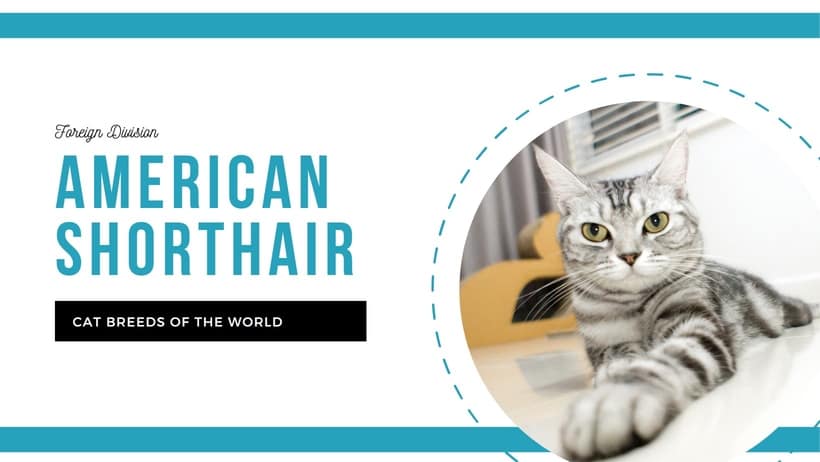
Each continent has distinct cat breeds. Asia is home to the Siamese and Burmese breeds. Europe boasts the British Shorthair and Maine Coon. Africa has breeds like the Egyptian Mau. North America introduced the American Shorthair and Ragdoll. Australia and Oceania also have unique local varieties. These regions highlight the diversity across the globe.
Climate And Adaptation
Cat breeds adapt to their climate for survival. Thick coats protect cats in cold climates. The Norwegian Forest cat thrives in snowy areas. Short-haired breeds suit warmer climates. The Sphynx, with little fur, handles heat well. Adaptation helps cats stay healthy and comfortable worldwide.
Cultural Preferences
People’s tastes shape the popularity of cat breeds. In Japan, small, graceful cats are admired. Western countries often prefer larger, fluffy cats. Some cultures value cats with unique patterns. Others like friendly, social breeds. Cultural preferences influence breeding and ownership trends globally.
Future Trends In Cat Breeding
The future of cat breeding is shaping up to be both exciting and responsible. Advances in science and shifting attitudes toward animal welfare are driving changes that affect how breeders work and what kinds of cats you might see in the coming years. Understanding these trends can help you appreciate the evolving world of feline companions.
Genetic Research Impact
Genetic research is opening new doors in understanding feline health and traits. Breeders now use DNA testing to identify hereditary diseases early, helping to reduce health problems in future generations.
You might be surprised to learn that some breeders are using gene editing tools to enhance traits without compromising a cat’s wellbeing. This science helps maintain breed standards while prioritizing the cat’s quality of life.
Ethical Breeding Practices
Ethics in breeding is becoming more than just a buzzword; it’s a must. Breeders are increasingly focusing on the health and happiness of cats, not just their appearance or rarity.
Have you ever wondered if a cat’s pedigree is worth more than its welfare? Many breeders now refuse to produce litters unless they can guarantee proper care, socialization, and responsible placement.
- Screening for genetic diseases before breeding
- Providing enriched environments for kittens
- Promoting adoption alongside breeding efforts
Potential New Breeds
The genetic mixing and refined breeding methods hint at new breeds emerging soon. Some breeders are experimenting with combining traits that result in unique looks and temperaments.
Could your next feline friend be a breed that doesn’t officially exist yet? These new breeds often reflect changing lifestyles, such as cats better suited for indoor life or those with hypoallergenic qualities.
Credit: pethero.co.za
Frequently Asked Questions
How Many Cat Breeds Exist Worldwide In 2023?
As of 2023, there are approximately 73 recognized cat breeds globally. Different cat associations may list slightly varied numbers. This total includes natural, hybrid, and selectively bred varieties. The number can change as new breeds gain recognition.
Which Cat Breed Is The Most Popular In 2023?
The Persian cat remains one of the most popular breeds in 2023. Its long coat and calm temperament attract many cat lovers. However, breeds like Maine Coon and Siamese also rank high in popularity worldwide.
Are New Cat Breeds Emerging In 2023?
Yes, new cat breeds continue to emerge in 2023. Breeders focus on unique traits and health improvements. Official recognition by cat associations may take several years. This contributes to the evolving diversity of cat breeds.
What Factors Classify A Cat As A Specific Breed?
A cat breed is classified by distinct physical traits and genetics. Breed standards include coat type, color, size, and behavior. Recognized cat associations set these standards for official breed status. Consistent breeding maintains these characteristics.
Conclusion
Cat breeds number more than you might expect in 2023. Each breed has its own look and personality. Some cats are playful, others are calm and loving. Whether you want a fluffy friend or a sleek companion, there is a cat breed for you.
Knowing the types helps you choose the best pet. Cats bring joy and comfort to many homes. Exploring breeds can be fun and rewarding. Keep learning about cats to find your perfect match.


Leave a Reply