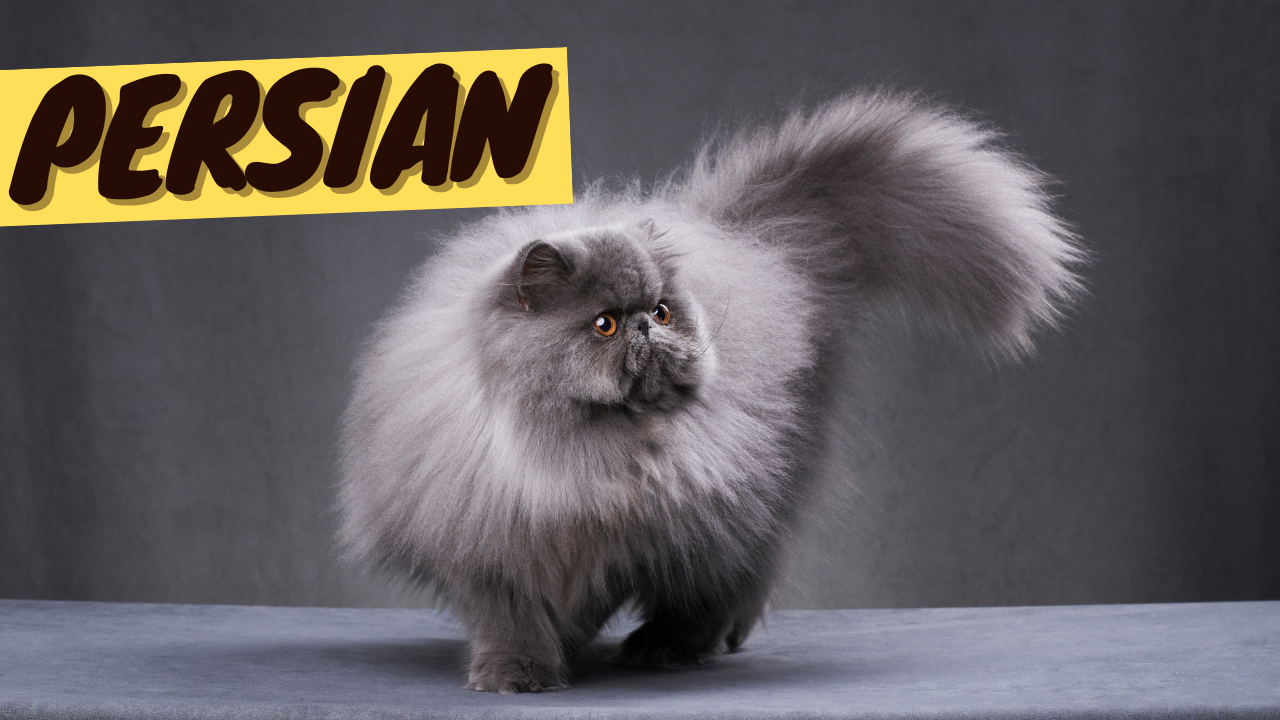
Have you ever wondered how many breeds of Persian cats actually exist? If you think all Persian cats look the same, you’re in for a surprise.
These beautiful, fluffy felines come in a variety of types, each with its own unique traits and charm. Understanding the different breeds can help you choose the perfect Persian cat that fits your lifestyle and personality. Keep reading, and you’ll discover fascinating facts that will change the way you see these beloved pets forever.

Credit: www.shutterstock.com
Persian Cat Origins
The origins of Persian cats trace back centuries. These cats are known for their long fur and calm nature. Their beginnings help us understand the many breeds we see today. Persian cats have a rich history that shapes their distinct look and personality.
History And Ancestry
Persian cats first appeared in Persia, now Iran, over 2,000 years ago. Traders brought them to Europe in the 1600s. Early travelers admired their thick coats and round faces. These cats became popular pets among royalty and nobles.
Over time, Persian cats spread to different parts of the world. Their unique features made them stand out. Breeders began to focus on these traits to keep the breed pure. This process helped shape the Persian cats we know today.
Early Breeding Practices
In the 1800s, breeders started controlled mating to improve Persian cats. They aimed for long hair, flat faces, and gentle temperaments. Crossbreeding with other cats helped develop stronger bloodlines.
Early breeders kept detailed records to track traits. They selected cats with desired features for future generations. These efforts created the foundation for many Persian cat varieties.
Through selective breeding, different Persian types emerged. Some had more rounded heads, others had varying coat colors. These early practices led to the diversity among Persian cats today.
Credit: www.ministryofcat.com
Main Persian Cat Types
Persian cats come in several main types, each with unique looks and traits. These types share the classic Persian charm but differ in coat, color, and facial structure. Understanding these main Persian cat types helps in choosing the right pet for your home and lifestyle.
Traditional Persian
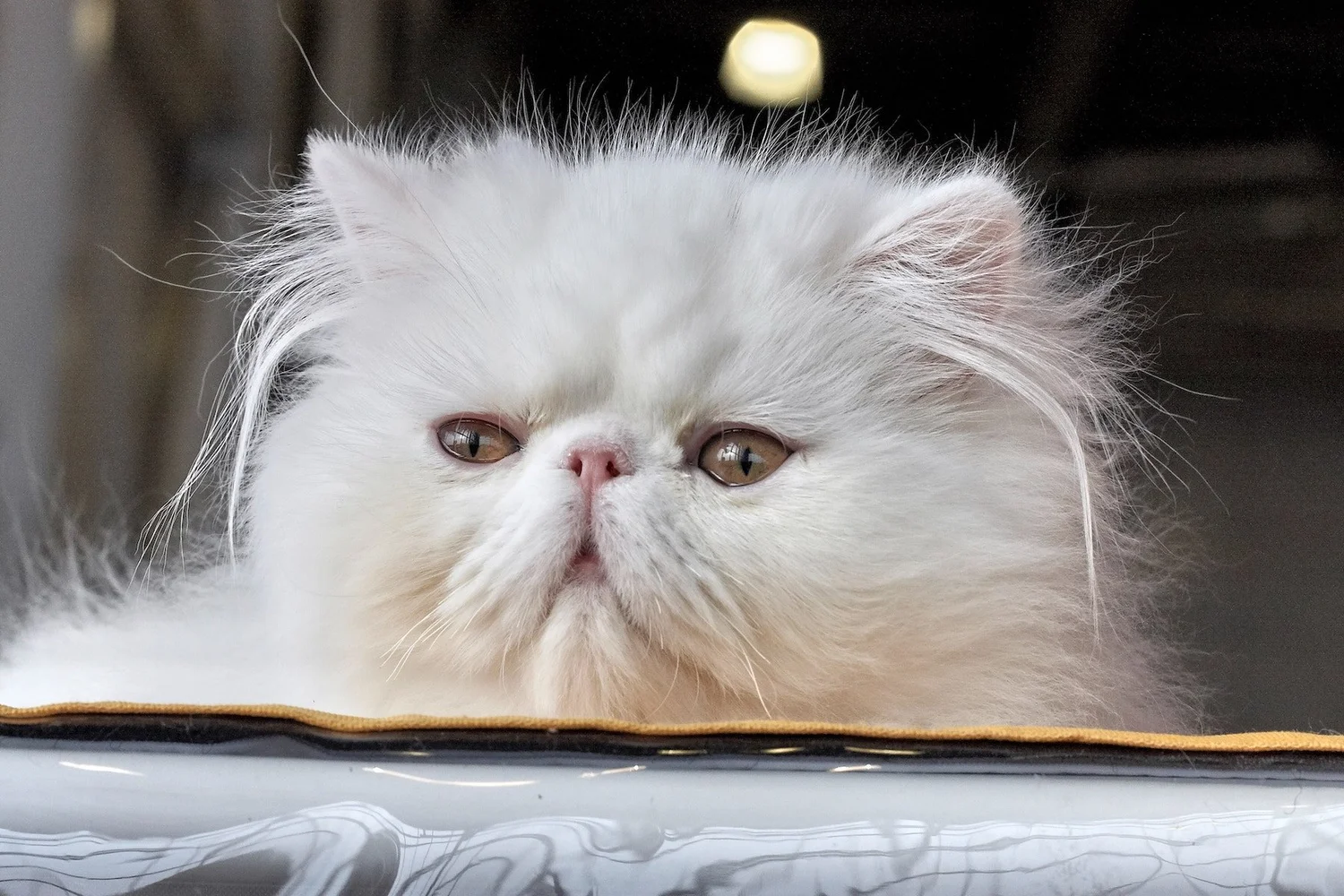
The Traditional Persian is the classic version of the breed. It has a broad, round face with a gentle expression. Its coat is long, thick, and flows beautifully. These cats have large eyes and a sturdy body. They are calm, sweet, and enjoy quiet environments.
Himalayan Persian
The Himalayan Persian blends Persian and Siamese features. Its coat is long and soft, like the Traditional Persian. But it has color points on its ears, face, paws, and tail. These points come in colors like seal, blue, and chocolate. Himalayans are playful but also love to relax.
Exotic Shorthair
The Exotic Shorthair looks like a Persian but has a short, plush coat. This makes grooming easier. They have a round face and big eyes, just like the Traditional Persian. Their body is compact and muscular. Exotics are friendly, curious, and adapt well to different homes.
Color Variations
Persian cats come in many color variations, from solid shades to patterns and mixes. These colors add to the charm and uniqueness of each breed type. Understanding these variations helps identify different Persian cat breeds easily.
When we think of Persian cats, their luxurious coats and striking faces might be the first things that come to mind. However, did you know that Persian cats come in a stunning array of color variations? These beautiful felines aren’t just about their fluffy fur; their colors and patterns add to their charm and uniqueness. Let’s dive into the mesmerizing world of Persian cat colors and patterns.Solid Colors
Solid color Persian cats are known for their uniform coat color, giving them a regal appearance. Common solid colors include white, black, blue, red, and cream. Imagine a snowy-white Persian cat gracefully lounging by the window, or a sleek black one with eyes that seem to pierce right through you. These solid colors are not only beautiful but also emphasize the Persian’s striking features, such as their large, expressive eyes. Do you have a favorite solid color in mind?Tabby Patterns
Tabby Persian cats boast patterns that are both intricate and captivating. These patterns include mackerel, classic, and spotted tabby. Each pattern presents a distinct and artistic design on the cat’s coat. Tabby patterns often feature a unique “M” shape on the forehead, adding to their mystique. It’s fascinating how these patterns can transform the appearance of a Persian cat, making each one unique. Have you ever noticed the tabby patterns in cats you’ve encountered?Bi-color And Calico
Bi-color and calico Persians are a delightful mix of white and another color, or three colors, respectively. These combinations create striking and often unpredictable patterns. A bi-color Persian might have a playful splash of color on its face or back, while a calico could appear like a living, breathing piece of abstract art. Each bi-color and calico Persian cat is like a work of art, with no two cats having the exact same pattern. This uniqueness makes owning one feel extra special. Have you ever considered how these color patterns might influence a cat’s personality or the way you perceive them? Understanding these color variations not only deepens your appreciation for these cats but also helps you choose the perfect Persian that matches your personal style and home decor. So, which color variation captures your heart?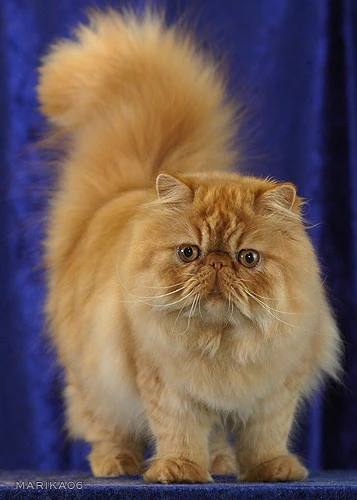
Credit: cats.fandom.com
Coat And Facial Features
The coat and facial features of Persian cats are what make them truly stand out. Their luxurious fur and distinct face shapes create a variety of looks within the breed. These differences often influence not just their appearance but also their care needs and personality impressions.
Doll Face Vs. Peke Face
You might notice Persian cats with two very different face shapes: the doll face and the peke face. Doll face Persians have a more traditional, softer look with a longer nose and round eyes. They tend to have fewer breathing issues, making them easier to care for.
On the other hand, peke face Persians feature a very flat, pushed-in nose and a round face that resembles a Pekingese dog. While this look is striking, it can cause breathing difficulties and require extra grooming around the eyes. Have you ever met a Persian with a peke face and noticed how their expression seems almost human?
Longhair Vs. Shorthair
Persians are famous for their long, flowing coats, but did you know there are also shorthair variations? Longhair Persians have thick, luxurious fur that needs daily brushing to prevent mats and tangles. This coat demands commitment but rewards you with a soft, elegant companion.
Shorthair Persians, while less common, have a dense but shorter coat. They require less grooming and shed less, which can be a big plus if you want the Persian look without the high maintenance. Which coat type fits your lifestyle better?
Rare And Unique Varieties
Among Persian cats, some rare and unique varieties stand out due to their distinct looks and fascinating histories. These breeds are not just beautiful; they carry traits that make them especially interesting to cat lovers and collectors. If you want a Persian cat that feels truly one-of-a-kind, these varieties might catch your eye.
Chinchilla Persian
The Chinchilla Persian is known for its shimmering silver coat, which almost looks like it’s dusted with powdered sugar. Its fur has a unique translucent quality, making it glow under light. If you’ve ever seen a Chinchilla Persian, you know it’s hard to look away from its sparkling, gentle eyes.
What makes them rare is their specific coat pattern, which breeders carefully maintain. Owning one means you have a living piece of feline art.
Smoke Persian
Smoke Persians have a mysterious aura thanks to their two-tone fur. Their undercoat is white or light, while the top coat is a solid color, creating a smoky, shadow-like effect. This rare coloring gives them a striking and elegant appearance.
Many people find the smoky look intriguing because it changes with movement and lighting. Imagine a cat that looks different every time you see it—wouldn’t that keep your curiosity alive?
Teacup Persian
Teacup Persians are tiny versions of the classic Persian, often weighing just a few pounds. Their small size makes them incredibly cute and perfect for those who want a lap cat that feels like a little plush toy. However, their rarity comes with special care needs due to their delicate build.
If you’re considering a Teacup Persian, ask yourself how prepared you are for the extra attention they require. Their uniqueness is also their challenge, but the reward is a companion unlike any other.
Choosing The Right Persian Breed
Choosing the right Persian breed makes a big difference in your pet experience. Persian cats have many variations, each with unique traits. Knowing these traits helps you find a cat that fits your lifestyle and home. Some breeds are calm, while others are more playful. Some need more grooming, others less. Understanding these differences guides you in making a good choice.
Personality Differences
Persian breeds vary in personality. Some are quiet and love to relax. Others enjoy playing and interaction. Certain types are more social with family members. Some prefer a calm, peaceful environment. Knowing these traits helps you pick a cat that suits your home. Consider what personality fits best with your daily life.
Care And Grooming Needs
Different Persian breeds need different care levels. Long-haired Persians need daily brushing to avoid mats. Shorter-haired types require less grooming. Some breeds may have health issues needing special attention. Regular grooming prevents problems and keeps cats healthy. Understand grooming needs before choosing your Persian breed.
Persian Cat Breed Standards
Persian cat breed standards define the ideal features for these elegant cats. These standards guide breeders and judges. They ensure Persian cats keep their unique look and charm.
Standards cover many aspects. These include body shape, coat, color, and facial structure. Clear standards help maintain the breed’s purity and beauty.
International Cat Associations
Several international groups set Persian cat standards. Each has its own rules and details. The most known associations are:
- The Cat Fanciers’ Association (CFA)
- The International Cat Association (TICA)
- The Governing Council of the Cat Fancy (GCCF)
- The Fédération Internationale Féline (FIFe)
These groups help keep the Persian breed consistent worldwide. They also organize shows where cats are judged by these standards.
Judging Criteria
Judges look at many parts of a Persian cat. Key features include:
- Head: round shape with a flat face
- Eyes: large, round, and expressive
- Coat: long, thick, and soft
- Body: medium to large with a sturdy build
- Tail: short with a full plume
Each feature has specific points. Judges score cats based on how closely they match the ideal.
Color and pattern also play a role. Some colors are more preferred in certain standards. Grooming and presentation matter too.
Frequently Asked Questions
How Many Persian Cat Breeds Exist Worldwide?
There are mainly four recognized Persian cat types worldwide. They include Traditional, Doll Face, Himalayan, and Exotic Shorthair. Each has distinct features but shares Persian ancestry. Breeders often classify them based on facial structure and coat type variations.
What Distinguishes Persian Cat Breeds From Each Other?
Persian breeds differ primarily in face shape, coat length, and color patterns. For example, Doll Face Persians have a longer nose compared to flat-faced Traditional Persians. Himalayan Persians combine Persian traits with color points from Siamese cats, making them unique.
Are Himalayan Cats A Separate Persian Breed?
Himalayan cats are a hybrid breed derived from Persians and Siamese. They have Persian body structure with Siamese coloration. Although sometimes classified separately, they are considered a Persian breed variant due to their mixed heritage and similar temperament.
Which Persian Breed Is Best For Allergy Sufferers?
Exotic Shorthair Persians are better for allergy sufferers compared to long-haired types. Their shorter coat reduces dander spread, which can trigger allergies. However, no cat breed is completely hypoallergenic, so caution is advised for sensitive individuals.
Conclusion
Persian cats come in several beautiful breeds. Each breed has unique looks and traits. They all share the Persian’s calm and sweet nature. Choosing the right breed depends on your style and needs. Learning about these breeds helps you pick the best pet.
Persian cats bring joy to many homes worldwide. Their variety makes them special and loved by all. Explore their differences and enjoy their charm every day.

Leave a Reply