
Have you ever wondered just how many cat breeds exist? Whether you’re thinking about adding a furry friend to your home or simply curious about these fascinating creatures, knowing the variety of cat breeds can surprise you.
From fluffy and playful to sleek and mysterious, each breed has its own unique charm. You’ll discover the exact number of cat breeds recognized in 2020 and what makes each one special. Keep reading to find out which breed might be the perfect match for you!
Credit: www.petsradar.com
Cat Breed Counts In 2020
The number of recognized cat breeds can vary widely depending on the source and the year. In 2020, tracking these numbers revealed interesting differences among global registries. Understanding these variations helps you appreciate the diversity and complexity in the world of cats.
Global Cat Breed Registries
Several organizations worldwide register and recognize cat breeds. The Cat Fanciers’ Association (CFA), The International Cat Association (TICA), and Fédération Internationale Féline (FIFe) are some of the biggest players. Each registry maintains its own list of breeds, which often overlaps but never matches exactly.
For example, CFA recognized around 44 breeds in 2020, while TICA listed close to 73. FIFe’s count was slightly different, with about 48 breeds officially recognized. These numbers highlight how breed classification depends on the criteria and standards set by each organization.
Differences In Breed Recognition
Breed recognition isn’t uniform across registries because of varying definitions and standards. Some registries accept new or experimental breeds earlier, while others require strict pedigree history and consistency. This means a breed recognized by one registry might be missing from another’s list.
Take the Toyger, for example. TICA recognized it as a breed in 2013, but some other registries were slower to accept it. This affects breeders, show participants, and even potential pet owners looking for specific breeds. It makes you wonder, how do you decide which registry’s standards matter most for your cat?
Most Popular Cat Breeds
Popularity often influences which breeds get more attention and recognition. In 2020, breeds like the Siamese, Maine Coon, and Persian consistently ranked high in popularity worldwide. These breeds are known for their distinctive looks and friendly personalities, making them favorites among cat lovers.
Breed popularity also shifts depending on location and cultural preferences. For example, the Scottish Fold gained rapid popularity in some countries despite debates about its health issues. Knowing which breeds are popular can help you make informed choices, especially if you want a cat that fits your lifestyle and home.
Origins Of Cat Breeds
The origins of cat breeds reveal a rich history shaped by nature and human choice. Cats have evolved over thousands of years into a wide variety of breeds. Some developed naturally in the wild, while others were created by breeders. Understanding these origins helps us appreciate the diversity of cats today.
Natural Vs. Man-made Breeds
Natural breeds come from cats that adapted to their environments without human interference. These cats developed unique traits to survive in different climates. Man-made breeds result from selective breeding by humans. Breeders choose specific traits to create new types of cats. Both natural and man-made breeds contribute to the many varieties seen today.
Historical Breed Development
Cat breeds have a long history tied to human culture. Ancient Egyptians cherished cats and influenced early breeding. In the Middle Ages, cats spread across Europe and Asia, adapting to local conditions. Modern breed development began in the 19th century with cat shows and formal breeding programs. These efforts helped establish clear breed standards.
Geographic Breed Variations
Geography plays a key role in breed differences. Cats in cold regions often have thick fur coats. Warm-climate cats tend to have shorter hair and lighter bodies. Islands and isolated areas produce unique breeds due to limited gene pools. These geographic variations add to the rich tapestry of cat breeds worldwide.
Breed Classification Criteria
Breed classification depends on traits like size, coat type, and behavior. Different cat organizations recognize various numbers of breeds worldwide. This helps to organize and identify the many types of cats seen in 2020.
When it comes to classifying the multitude of cat breeds around the world, experts rely on specific criteria to ensure each breed is recognized and appreciated for its unique qualities. Understanding these criteria can enrich your knowledge of cats and perhaps inspire you to explore the diversity within the feline world. Let’s delve into the key factors that define cat breeds: their physical traits, behavioral characteristics, and genetic markers.Physical Traits
Physical appearance is often the first thing people notice about a cat breed. Characteristics such as coat color, fur length, and eye shape play a crucial role in classification. For example, the Persian cat is known for its long, luxurious fur and round face, while the Siamese stands out with its sleek body and striking blue eyes. Body structure also varies among breeds. The robust build of a Maine Coon contrasts sharply with the slender elegance of an Oriental Shorthair. These physical traits not only help in identifying a breed but also influence a cat’s needs, such as grooming requirements and exercise levels.Behavioral Characteristics
A cat’s personality is as distinct as its physical appearance. Certain breeds are known for specific behaviors or temperaments. The playful and social nature of the Abyssinian makes it a favorite among families, while the Ragdoll’s calm demeanor suits quieter households. Understanding these behavioral characteristics can guide you in choosing a breed that fits your lifestyle. Do you prefer a cat that will entertain you with its antics, or one that will be a serene companion? Recognizing these traits helps in creating a harmonious home environment.Genetic Markers
Genetic analysis offers a deeper understanding of the distinct differences between cat breeds. Advances in DNA testing provide insights into a cat’s lineage and potential health issues. These genetic markers can confirm breed purity or reveal unexpected ancestry. For breeders, genetic information is invaluable in maintaining breed standards and avoiding hereditary diseases. As a cat enthusiast, learning about genetic markers can enhance your appreciation for the complexity and history of each breed. Exploring these criteria not only enriches your knowledge but also deepens your connection with these fascinating creatures. What aspects of cat breeds intrigue you the most?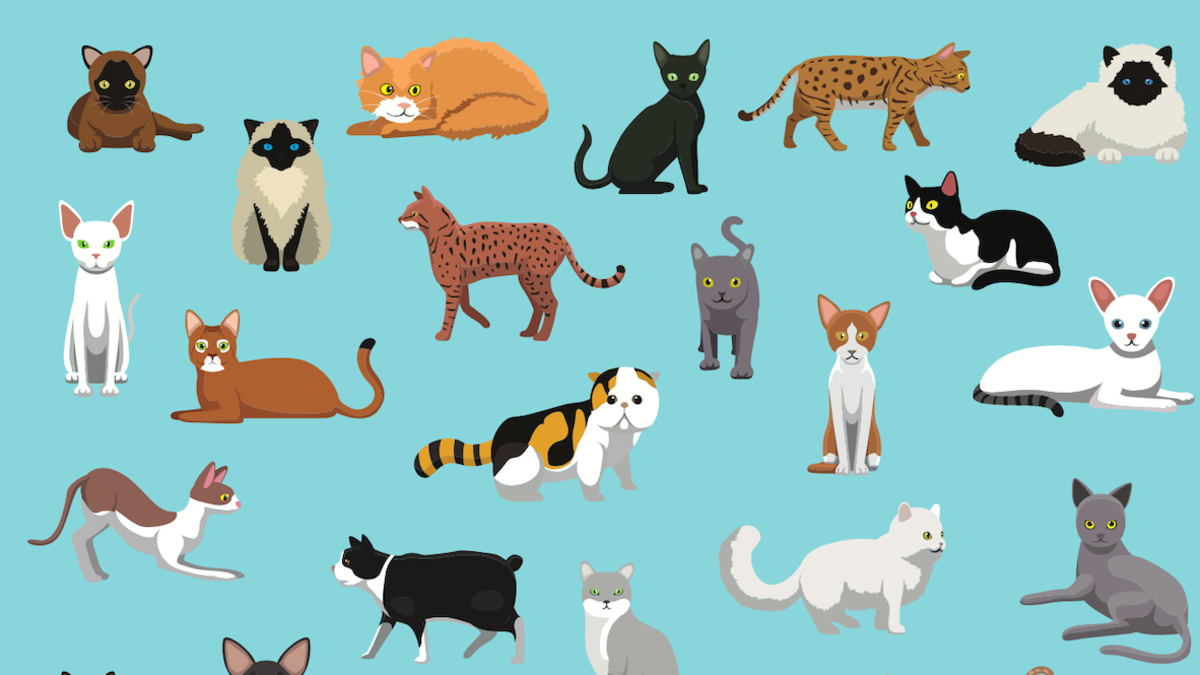
Credit: paradepets.com
Rare And Emerging Breeds
Rare and emerging cat breeds add excitement and diversity to the feline world. These breeds often have unique traits and histories that make them stand out. They also challenge what you might expect from a typical cat, inviting curiosity and a deeper appreciation for feline variety.
Newly Recognized Breeds
New cat breeds gain official recognition as breed organizations approve their standards. This process can take years of breeding and documentation. For example, the Lykoi, also known as the “werewolf cat,” was officially recognized in 2011 but gained wider attention around 2020 due to its distinct look and friendly personality.
Have you ever seen a cat with a patchy coat and a wild appearance? That’s likely a Lykoi, a breed that challenges typical feline beauty standards. Their emerging popularity shows how the cat world continuously evolves.
Breeds In Development
Some breeds are still in the early stages of development and not yet recognized by major cat associations. Breeders focus on stabilizing unique traits through selective breeding. The Serengeti cat, for example, is bred to resemble wild cats but with a gentle domestic temperament.
If you’re curious about owning a cat that looks exotic but behaves like a house cat, these developing breeds might interest you. Watching a new breed grow from concept to recognized status is like witnessing history in the making.
Conservation Efforts
Some rare breeds face threats due to limited numbers and genetic diversity. Conservation efforts aim to protect these cats by encouraging responsible breeding and raising awareness. The Kurilian Bobtail, originating from Russia and Japan, has seen increased conservation focus to maintain its unique bobbed tail and robust health.
Supporting conservation means you help preserve these living treasures for future generations. Would you consider adopting or supporting a rare breed to keep its legacy alive?
Choosing The Right Breed
Choosing the right cat breed is key to a happy pet and owner. Each breed has unique traits that fit different homes and lifestyles. Understanding these traits helps make a good match. Consider how a breed fits with your daily routine, health needs, and personality.
Lifestyle Compatibility
Some cats need lots of attention and playtime. Others prefer quiet and calm environments. Active households may enjoy energetic breeds. Small spaces suit cats that need less exercise. Think about your work hours and home activity. Choose a breed that matches your pace and space.
Health Considerations
Different breeds have different health risks. Some may need special diets or regular vet visits. Research common health issues in each breed. Consider your ability to care for these needs. Selecting a healthy breed reduces future medical costs and stress.
Temperament Differences
Temperament varies widely among cat breeds. Some are social and love people. Others are shy and prefer solitude. Some breeds are vocal, others quiet. Match a breed’s temperament with your personality. This helps build a strong bond and happy home.
Resources For Cat Breed Information
Finding reliable information about cat breeds can feel overwhelming given the many sources available online and offline. Knowing where to look helps you get accurate details and avoid confusion, especially when you want to learn about specific breeds or even consider adopting one. Let’s look at some trusted resources that can help you discover the fascinating variety of cat breeds and their unique traits.
Official Cat Associations
Official cat associations are the primary authorities on cat breeds worldwide. These organizations maintain breed standards and often provide detailed profiles on recognized breeds.
The Cat Fanciers’ Association (CFA)and the International Cat Association (TICA)are two of the most respected groups. They offer extensive information, including breed histories, temperament, and care tips.
Checking their websites can give you verified insights straight from the experts who set the rules for cat shows and breed recognition. Have you ever wondered how breeds get officially recognized? These associations hold the key.
Breed-specific Clubs
Breed-specific clubs focus on one particular breed or a small group of related breeds. They are excellent places to connect with enthusiasts who share your interest in a certain type of cat.
These clubs often host events, share newsletters, and provide forums for asking detailed questions about breed characteristics and health concerns. Whether you want to learn about the playful Bengal or the elegant Siamese, a breed club can offer deep, hands-on knowledge.
Joining a breed-specific club can also connect you to breeders and owners who can share personal experiences and advice. What better way to understand a breed than from someone who lives with one daily?
Online Databases
Online databases compile information from various sources, making it easy to compare breeds side by side. Websites like All About Catsor Petfinderoffer searchable catalogs of cat breeds with photos, descriptions, and care guides.
These platforms often include user reviews and adoption listings, giving you a practical perspective beyond official breed standards. If you want to explore multiple breeds quickly, online databases are a great starting point.
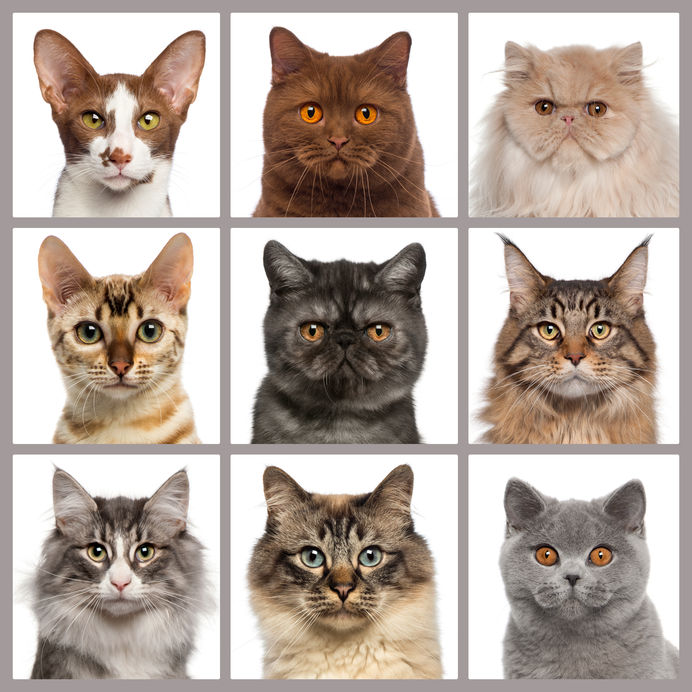
How do you decide which breed matches your lifestyle? Using these databases, you can filter breeds based on temperament, size, and grooming needs to find your perfect match.
Credit: twocrazycatladies.com
Frequently Asked Questions
How Many Cat Breeds Existed In 2020?
In 2020, there were around 70 recognized cat breeds worldwide. Different cat associations list varying numbers. The International Cat Association (TICA) recognizes 73 breeds, while the Cat Fanciers’ Association (CFA) recognizes 44 breeds. The count depends on breed standards and recognition criteria.
What Factors Define A Cat Breed?
A cat breed is defined by unique physical traits, temperament, and genetics. Breeders develop distinct characteristics over generations. Breed recognition depends on consistent traits and formal registration by cat organizations. These factors help distinguish one breed from another.
Are New Cat Breeds Still Being Created?
Yes, new cat breeds continue to emerge through selective breeding. Breeders aim to develop unique traits or revive ancient breeds. However, official recognition takes years of consistent breeding and documentation. Cat associations periodically update their breed lists to include new breeds.
Which Cat Breed Is Most Popular Globally?
The Domestic Shorthair is the most common cat type globally, but among pedigreed breeds, the Persian and Siamese are very popular. Popularity varies by region and trends. These breeds are admired for their distinctive looks and friendly temperaments.
Conclusion
Cat breeds number over a hundred worldwide today. Each breed has unique looks and traits. People choose cats by size, color, and personality. Knowing breeds helps in caring for cats well. Cats bring joy and comfort to many homes. Exploring different breeds can be fun and rewarding.
Every cat, no matter the breed, deserves love. Keep learning about cats to enjoy their company more.



Leave a Reply