Have you ever watched your cat meticulously cleaning itself and wondered, “How long should cats groom for?” Understanding your furry friend’s grooming habits can tell you a lot about their health and happiness. If you’re curious whether your cat’s grooming routine is normal or if something might be off, this article is for you.
Keep reading to discover the perfect grooming time for cats and what it means for your pet’s well-being. Your cat’s comfort and care start with knowing these simple but important details.
Cat Grooming Basics
Cats spend a good part of their day grooming themselves. Grooming is not just about staying clean. It helps cats feel calm and comfortable. Understanding how long cats groom can help you notice their health and mood.
Grooming is a natural habit. It keeps their fur smooth and free from dirt. It also helps control body temperature. Grooming is important for a cat’s overall well-being.
Why Cats Groom Themselves
Cats groom to clean their fur and skin. It removes loose hair and dirt. Grooming spreads natural oils, keeping fur soft and shiny. It also cools them in hot weather.
Grooming helps reduce stress and anxiety. It is a way cats relax. They also use grooming to bond with other cats or people.
Normal Grooming Duration
Most cats groom themselves for 30 minutes to 50 minutes each day. This time may be split into many short sessions. Some cats groom more often, others less.
Short grooming sessions last 5 to 10 minutes. Long sessions can last up to 20 minutes. Healthy cats keep a regular grooming routine.
Factors Influencing Grooming Time
- Age:Older cats may groom less than young cats.
- Breed:Long-haired cats spend more time grooming.
- Health:Illness or pain can reduce grooming habits.
- Stress:Stress or anxiety can increase or decrease grooming.
- Environment:Dirty or dusty places make cats groom more.
Signs Of Overgrooming
Overgrooming in cats is more than just a grooming habit. It can signal discomfort or stress. Watching for signs helps protect your cat’s health. Early detection prevents serious skin problems.
Behavioral Indicators
- Excessive licking or biting at the same spot
- Restlessness or irritability
- Hiding or avoiding interaction
- Repeated grooming sessions beyond normal routine
- Frequent scratching or pawing at their body
Physical Symptoms
- Red, inflamed skin patches
- Hair thinning or bald spots
- Scabs or sores on the skin
- Dry or flaky skin
- Visible wounds or bleeding from grooming
Causes Of Excessive Grooming
- Allergies to food, fleas, or environment
- Stress from changes in surroundings or routine
- Parasites like fleas or mites
- Skin infections or irritations
- Underlying medical conditions
Grooming Tips For Cat Owners
Grooming helps keep cats clean and healthy. It also strengthens the bond between you and your pet. Regular grooming prevents hairballs and skin problems. Understanding the best ways to groom your cat saves time and stress. Use the following tips to make grooming easy and pleasant.
Brushing Techniques
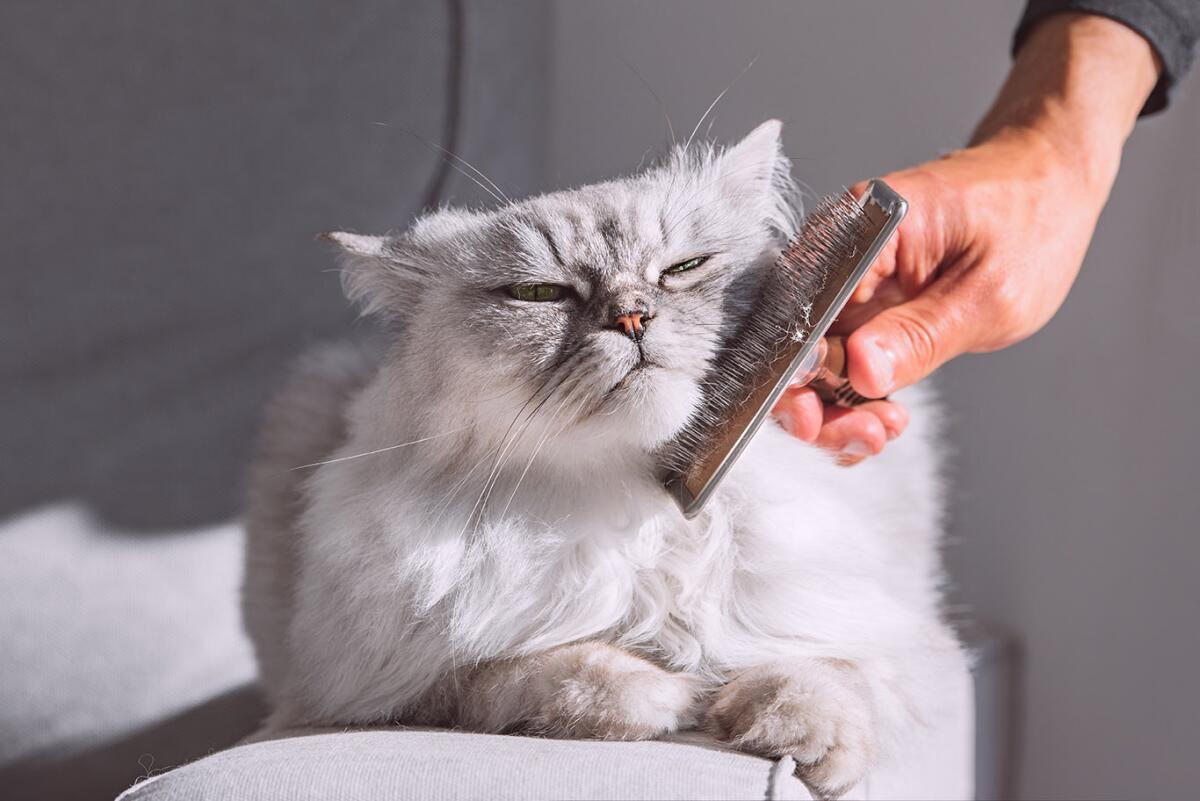
Choose a brush suited for your cat’s fur type. Soft brushes work well for short hair. Use slicker brushes for long or thick coats. Brush gently, following the direction of hair growth. Focus on areas prone to tangles like the belly and behind ears. Regular brushing reduces shedding and mats.
Bathing Guidelines
Most cats clean themselves well and rarely need baths. Bathe only if your cat is very dirty or has skin issues. Use warm water and cat-safe shampoo. Avoid getting water in the ears and eyes. Rinse thoroughly to remove all shampoo. Dry your cat with a towel and keep them warm.
Handling Matted Fur
Mats cause discomfort and skin problems. Use a dematting comb or scissors for small mats. Hold the fur close to the skin to avoid pulling. Never cut mats without care to prevent injury. For large mats, seek help from a professional groomer. Regular brushing helps prevent mats from forming.
Health Benefits Of Proper Grooming
Proper grooming is essential for a cat’s health. It keeps their fur clean and skin healthy. Grooming also helps cats feel comfortable and relaxed. Regular care prevents many common health issues and keeps cats looking their best.
Skin And Coat Health
Grooming removes dirt and loose hair. It spreads natural oils across the fur. These oils keep the coat shiny and soft. Grooming also helps spot skin problems early. Dry patches, wounds, or parasites become visible sooner. Healthy skin means less itching and irritation.
Reducing Hairballs
Cats swallow loose hair while grooming. Too much hair in their stomach causes hairballs. Regular grooming reduces loose fur around the house and on your cat. Less hair inside means fewer hairballs. This prevents discomfort and digestive problems.
Preventing Infections
Grooming helps clean areas that trap dirt and moisture. These spots can breed bacteria or fungi. Regular brushing stops infections before they start. It also helps keep ears and eyes clean. Healthy grooming habits lower the risk of painful infections.
When To Consult A Veterinarian
Understanding when to consult a veterinarian about your cat’s grooming habits can be crucial for their health. Cats are naturally meticulous groomers, but sometimes changes in their grooming behavior may indicate underlying health issues. By being aware of these signs, you can ensure your feline friend stays happy and healthy.
Changes In Grooming Habits
If your cat suddenly stops grooming or begins over-grooming, it might be a sign of a health problem. A decrease in grooming can lead to a dull coat and mats, while excessive grooming might cause bald spots. Consider whether there have been any recent changes in your household that could have stressed your cat.
Persistent Skin Issues
Have you noticed redness, rashes, or bumps on your cat’s skin that just won’t go away? Persistent skin issues can be more than just a minor annoyance; they might indicate allergies or infections. A vet can help identify the root cause and recommend appropriate treatments.
Behavioral Concerns
Sometimes, grooming issues are linked to behavioral concerns. Is your cat hiding more often, or acting aggressively? These behaviors can be signs of stress or anxiety, possibly linked to grooming issues. A vet can offer advice or refer you to a behaviorist if needed.
Have you ever had to consult a vet for your cat’s grooming habits? What signs did you notice that prompted you to seek help? By staying vigilant, you can catch potential issues early and keep your cat feeling their best.
Frequently Asked Questions
How Long Do Cats Typically Groom Daily?
Cats usually groom themselves for 30 to 50 minutes each day. Grooming helps keep their fur clean and regulates body temperature.
Why Do Cats Groom Themselves So Often?
Cats groom to remove dirt, loose hair, and parasites. It also reduces stress and strengthens their bond with other cats.
Can Excessive Grooming Indicate Health Issues?
Yes, excessive grooming can signal allergies, infections, or stress. If your cat grooms excessively, consult a veterinarian promptly.
How Does Grooming Benefit A Cat’s Health?
Grooming prevents matting, distributes natural oils, and reduces shedding. It also helps cats stay comfortable and healthy overall.
Conclusion
Cats spend about 30 to 50 minutes grooming daily. This time keeps their fur clean and healthy. Grooming also helps cats relax and feel good. Watch your cat’s grooming habits for any changes. Too much or too little grooming can signal health issues.
Regular grooming by owners supports cats with long or thick fur. Remember, grooming is a natural and important part of a cat’s life. Understanding this helps you care better for your furry friend.

Leave a Reply