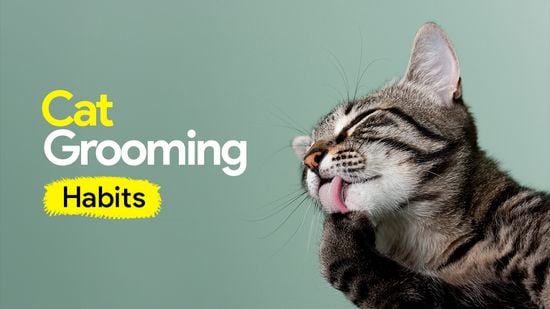
How long should you spend on frequent cat grooming? If you’ve ever wondered about the right amount of time to keep your furry friend looking and feeling their best, you’re not alone.
Grooming isn’t just about making your cat look good—it’s key to their health and happiness. But how much time is enough without stressing your pet or yourself? You’ll discover simple, practical tips to find the perfect grooming routine that fits your cat’s needs and your busy schedule.
Keep reading to learn how to make grooming a quick, easy, and enjoyable part of your day.

Credit: www.purina.com
Benefits Of Regular Grooming
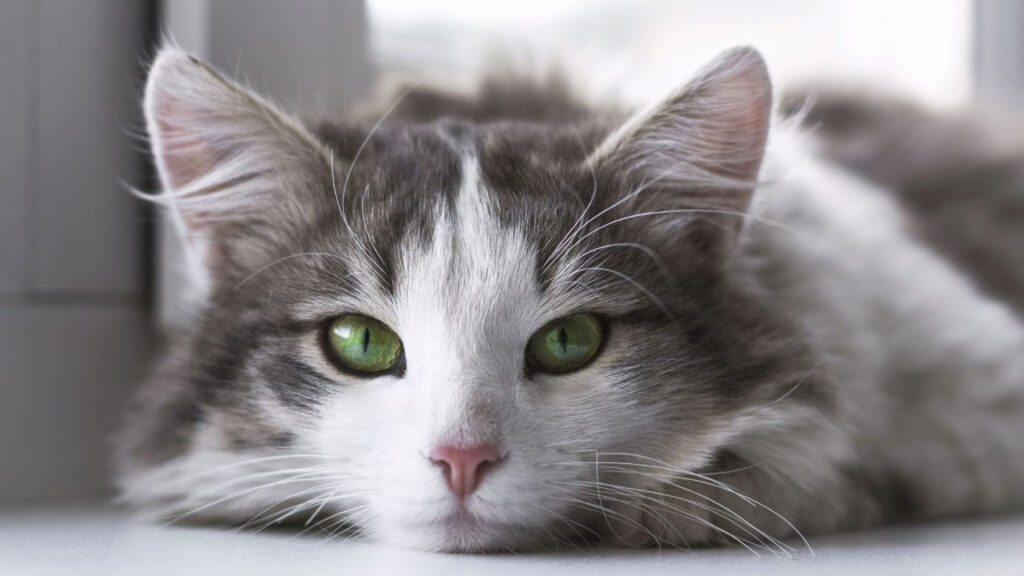
Regular grooming does more than just keep your cat looking neat. It actively improves their overall health and comfort. By setting aside time for grooming, you’re investing in your cat’s well-being every day.
Improved Coat Health
Frequent grooming helps distribute natural oils throughout your cat’s fur. This keeps the coat shiny and soft, preventing dryness and dullness.
Removing dirt and loose fur also reduces the chance of matting, which can be painful. Your cat will feel more comfortable and enjoy a healthier skin environment.
Reduced Shedding
Shedding can be frustrating for you and uncomfortable for your cat. Regular brushing captures loose hairs before they fall around your home.
This simple habit can cut down on the amount of hair you find on furniture and clothes. Have you noticed less fur on your sofa after a grooming session?
Early Detection Of Health Issues
Grooming sessions give you a chance to check your cat closely. You might spot lumps, bumps, or skin changes early, which can be crucial.
Finding issues early often means easier treatment and a better outcome. Don’t miss these quiet signals your cat might be sending during their grooming time.
Credit: alexthecatgroomer.com
Ideal Grooming Frequency
Finding the ideal grooming frequency for cats is essential for their health and happiness. Regular grooming helps keep their coat clean, reduces shedding, and prevents matting. Each cat’s grooming needs vary based on several factors. Understanding these factors aids in setting the perfect grooming schedule.
Factors Influencing Grooming Needs
- Coat length: Long-haired cats need more frequent brushing than short-haired ones.
- Age: Older cats may require gentle and more frequent grooming.
- Health: Cats with skin conditions or allergies might need special care.
- Activity level: Outdoor cats often gather more dirt and need extra grooming.
- Shedding cycle: Cats shed more during certain seasons, increasing grooming needs.
Grooming Schedules By Cat Type
| Cat Type | Recommended Grooming Frequency |
|---|---|
| Short-haired | Once a week |
| Long-haired | 3 to 4 times a week |
| Hairless | Weekly baths and skin care |
| Senior cats | Gentle grooming 2 to 3 times a week |
Seasonal Grooming Adjustments
During spring and fall, cats shed more fur. Increase grooming frequency to twice or thrice a week. This helps remove loose hair and reduces hairballs. In winter, grooming may reduce to once a week to maintain coat health. Summer grooming keeps cats cool and removes dirt. Adjust grooming routines to match seasonal changes for best results.
Grooming Techniques And Tools
Grooming your cat regularly keeps its coat healthy and shiny. Proper techniques and tools make grooming an enjoyable experience. Understanding the right methods ensures your cat stays comfortable and clean.
Brushing Methods
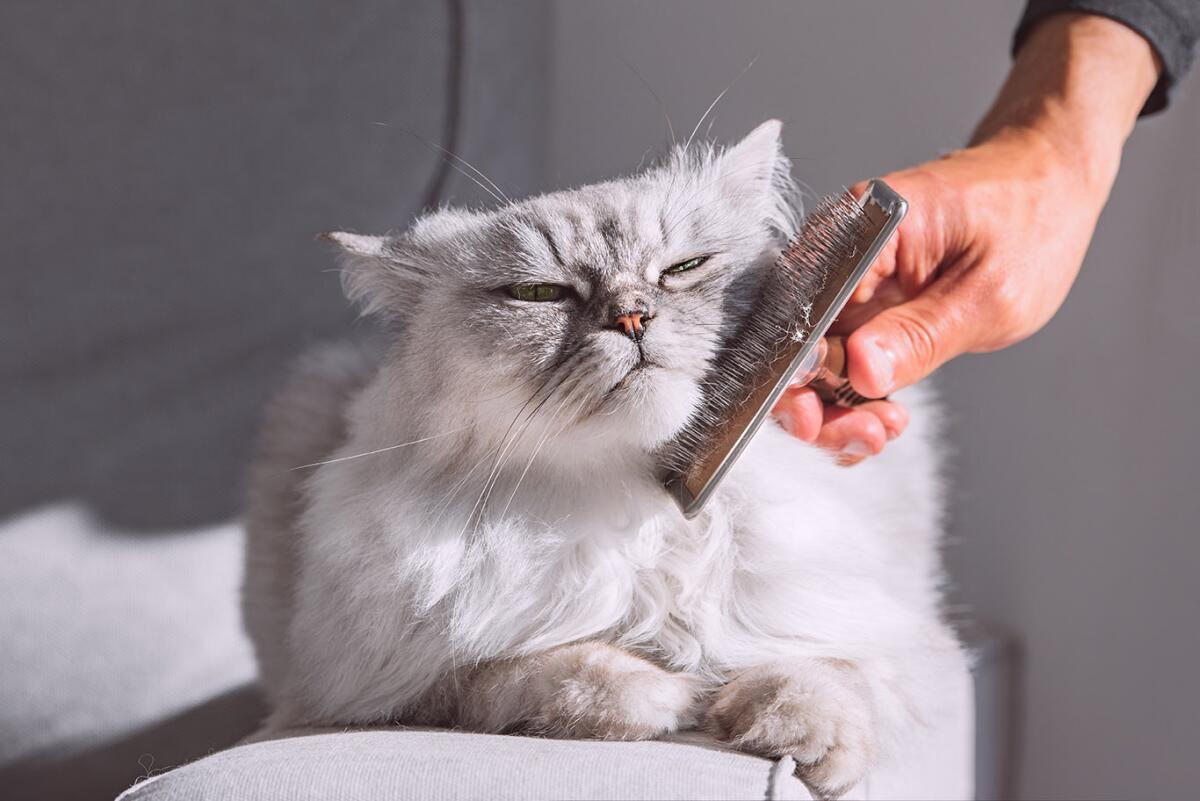
Brushing your cat removes loose fur and prevents tangles. Choose the right brush for your cat’s fur type. Long-haired cats benefit from a slicker brush, while short-haired cats might need a bristle brush. Gently brush in the direction of hair growth. Pay attention to areas behind the ears and under the chin. These spots often hide tangles.
Nail Trimming Tips
Regular nail trimming prevents overgrowth and keeps your cat’s paws healthy. Use a cat-specific nail trimmer for safety. Hold your cat’s paw gently and press the pad to extend the nail. Trim only the sharp tip, avoiding the pink quick. If unsure, consult a vet for guidance. Reward your cat with a treat after trimming to create a positive association.
Bathing Guidelines
Cats are self-groomers, but occasional baths might be necessary. Use lukewarm water and cat-safe shampoo. Wet your cat gently and apply shampoo, avoiding the face. Rinse thoroughly to remove all soap. Dry your cat with a towel and keep it warm until fully dry. Bathing too often can strip natural oils, so limit baths to when truly needed.
Credit: www.zoomzoomgroom.com
Handling Grooming Challenges
Grooming a cat often brings challenges that need patience and care. Some cats resist grooming, while others have fur problems. Knowing how to handle these issues helps keep grooming stress-free. It also keeps your cat healthy and comfortable.
Dealing With Anxious Cats
Many cats feel nervous during grooming. They may hide, hiss, or try to escape. Calm your cat by speaking softly and moving slowly. Use a quiet room without distractions. Give short grooming sessions and offer treats as rewards. A gentle approach builds trust over time.
Managing Matted Fur
Matted fur can hurt your cat and cause skin problems. Regular brushing stops mats from forming. If mats appear, try to loosen them gently with fingers or a comb. Avoid pulling hard. Use special dematting tools designed for cats. For heavy mats, soak the area with warm water to soften fur before combing.
When To Seek Professional Help
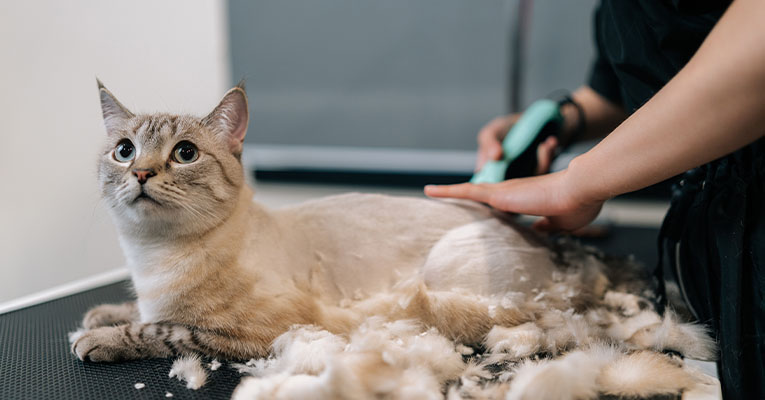
Some grooming issues need expert care. Severe mats, skin infections, or aggressive behavior require a groomer or vet. Professionals have the right tools and training to handle tough cases safely. Regular visits to a groomer keep your cat clean and reduce grooming stress at home.
Additional Grooming Tips
Grooming your cat goes beyond just brushing their fur. Paying attention to areas like ears, eyes, and teeth can make a big difference in your cat’s overall health. Plus, what you feed your cat plays a crucial role in keeping their coat shiny and skin healthy.
Cleaning Ears And Eyes
Regularly check your cat’s ears for dirt, wax, or redness. Use a soft, damp cloth or a vet-approved ear cleaner to gently wipe the outer ear. Avoid using cotton swabs inside the ear canal, as this can cause damage.
For the eyes, gently wipe away any discharge with a clean, damp cloth. If you notice excessive tearing or redness, it might be time to visit the vet. Keeping these areas clean helps prevent infections and discomfort.
Dental Care Basics
Dental health is often overlooked but is just as important as fur care. Try brushing your cat’s teeth a few times a week using a pet-safe toothpaste and toothbrush. This reduces plaque buildup and keeps bad breath away.
If brushing is a challenge, dental treats and toys can help maintain oral hygiene. Have you noticed your cat avoiding food or pawing at their mouth? These could be signs of dental problems that need immediate attention.
Diet’s Role In Coat Health
Your cat’s diet directly affects the condition of their coat. Foods rich in omega-3 and omega-6 fatty acids promote a soft, shiny fur. Look for quality cat food that includes these nutrients, or consider supplements after consulting your vet.
Hydration also matters; ensure your cat drinks enough water daily. A well-fed and hydrated cat will naturally shed less and have healthier skin, reducing the need for frequent grooming sessions.
Frequently Asked Questions
How Often Should I Groom My Cat?
You should groom your cat at least once a week. Long-haired cats need grooming 2-3 times weekly. Regular grooming prevents mats, reduces shedding, and promotes healthy skin.
What Is The Ideal Grooming Duration For Cats?
Grooming sessions should last 5 to 15 minutes. Keep it short to maintain your cat’s comfort. Increase time gradually as your cat gets used to grooming.
Can Frequent Grooming Improve My Cat’s Health?
Yes, frequent grooming improves coat condition and reduces hairballs. It also helps detect skin issues and parasites early, ensuring better overall health.
Is Grooming Necessary For Indoor Cats?
Yes, indoor cats also need grooming. It prevents hairballs, reduces shedding, and helps monitor their skin health regularly. Grooming indoors keeps your cat comfortable.
Conclusion
Frequent cat grooming keeps your pet healthy and happy. Short sessions work best to avoid stress. Regular brushing stops mats and reduces shedding. Cats enjoy gentle care and attention from owners. Watch your cat’s coat for changes or problems. Groom often, but respect your cat’s mood.
This simple habit makes a big difference over time. A clean, comfortable cat is a joyful companion.

Leave a Reply