Have you ever watched your cat meticulously licking its fur and wondered, “How long do cats spend grooming each day?” You might be surprised to learn that your feline friend dedicates a significant chunk of their day to staying clean and comfortable. Understanding this behavior can help you better care for your cat’s health and happiness.
Keep reading, and you’ll discover fascinating facts about your cat’s grooming habits that might change the way you see their daily routine.
Daily Grooming Time
Cats are known for their cleanliness. They spend a good part of their day grooming themselves. This daily routine helps them stay clean and healthy. Understanding how much time cats dedicate to grooming can reveal a lot about their habits and well-being.
Average Grooming Duration
Most cats spend about 30 to 50 minutes grooming every day. This can vary depending on the cat’s age, health, and personality. Some cats groom more frequently but for shorter periods. Others may take longer grooming sessions but fewer times a day. Grooming is a natural and important activity for cats.
Factors Affecting Grooming Time
- Age:Younger cats tend to groom more than older cats.
- Breed:Long-haired cats spend more time grooming than short-haired ones.
- Health:Illness or pain can reduce grooming time.
- Environment:Dirty surroundings may lead to more grooming.
- Stress:Stressed cats might groom excessively or less.
- Weather:Hot weather can increase grooming to cool down.
Reasons Cats Groom
Cats spend a good part of their day grooming themselves. This behavior serves many important purposes beyond just looking neat. Grooming helps cats stay healthy and feel comfortable. It plays a key role in their daily life and well-being.
Hygiene And Cleanliness
Cats groom to remove dirt, dust, and loose fur. Their tongue acts like a brush to clean their coat. This keeps their fur smooth and free from parasites. Grooming also helps prevent skin infections. Clean fur means fewer problems with bacteria or fungi.
Temperature Regulation
Cats use grooming to control their body temperature. When they lick their fur, saliva evaporates and cools them down. This works like natural air conditioning. Grooming helps cats stay comfortable in warm weather. It also helps spread oils that protect their skin.
Stress Relief And Comfort
Grooming calms cats during stressful moments. It works as a self-soothing activity. Cats often groom after loud noises or changes in their environment. This behavior reduces anxiety and helps them relax. Grooming also strengthens bonds when cats groom each other.
Grooming Habits By Breed
Cats spend about 30-50% of their day grooming themselves, but this varies by breed. Long-haired cats often need more grooming time than short-haired ones. Grooming helps keep their fur clean and healthy.
Cats spend a lot of time grooming. Their grooming habits vary by breed. Understanding these habits helps cat owners care for their pets better. Some cats need more grooming time based on their fur type.Long-haired Cats
Long-haired cats spend more time grooming. Their coats can easily tangle. They need to keep their fur smooth and clean. Breeds like Persians and Maine Coons can groom for hours. Owners should assist with daily brushing. This helps prevent matting and reduces shedding.Short-haired Cats
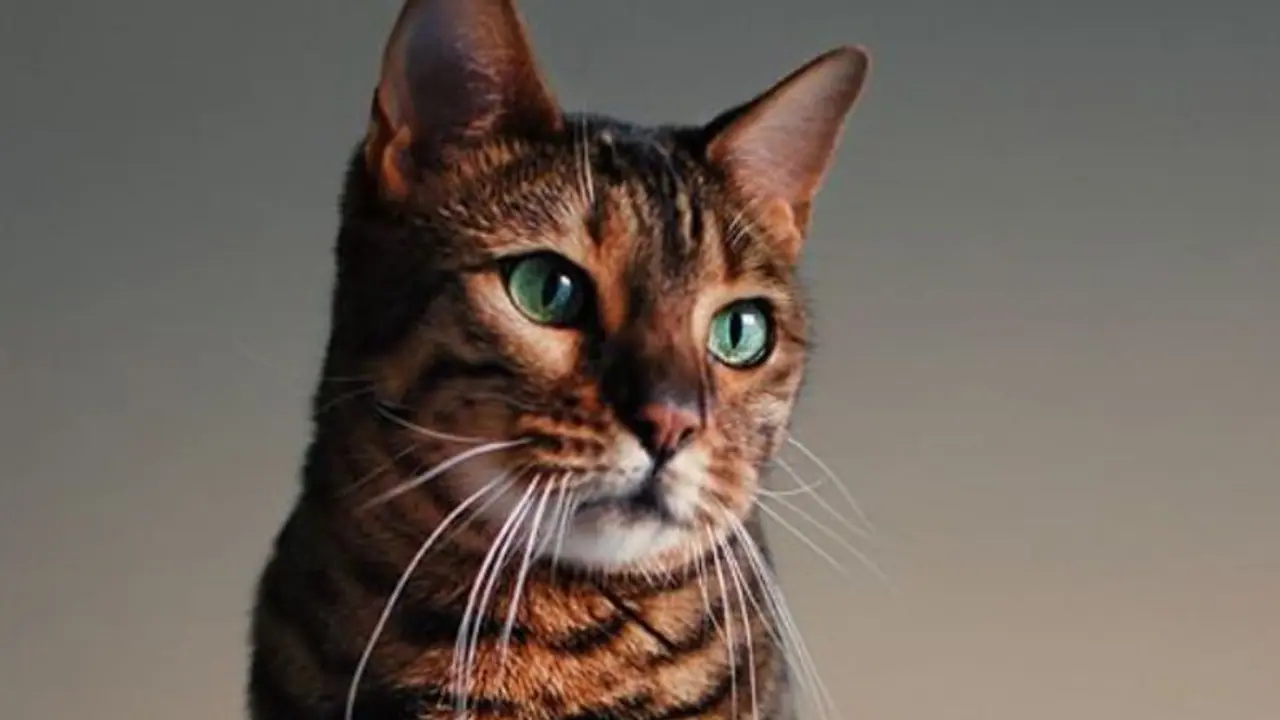
Short-haired cats have less grooming needs. Their fur does not tangle as much. They still enjoy grooming but spend less time on it. Breeds like the Siamese and Bengal manage with minimal help. Weekly brushing is often sufficient. This keeps their coat shiny and healthy.Health And Grooming
Cats dedicate a significant part of their day to grooming, and this habit is closely tied to their overall health. Grooming helps cats keep their coat clean, regulate body temperature, and reduce stress. But beyond these obvious benefits, grooming can also reveal important clues about your cat’s health status.
Detecting Health Issues
Changes in grooming behavior can be an early warning sign of health problems. If your cat suddenly grooms less or more than usual, it could indicate issues like skin infections, allergies, or pain. Have you noticed your cat avoiding certain areas or licking excessively? These behaviors are worth monitoring closely.
Regular grooming also helps you spot physical problems early. By gently running your fingers through your cat’s fur, you might find lumps, bumps, or wounds that need veterinary attention. This simple check can save your cat from more serious complications down the line.
Impact Of Illness On Grooming
Illness often disrupts a cat’s grooming routine. Cats suffering from arthritis may find it painful to reach certain spots, resulting in unkempt fur or mats. Similarly, conditions like dental disease can reduce grooming because of mouth pain.
Behavioral changes from illness, such as depression or lethargy, also reduce grooming frequency. If your cat’s coat starts looking dull or greasy, it’s a sign you should schedule a health check. How often do you observe your cat’s grooming habits to catch these subtle signs?
Grooming And Social Behavior
Cats spend a significant part of their day grooming, but this activity is about more than just cleanliness. Grooming plays a vital role in their social behavior. Understanding how cats use grooming to communicate and connect can change the way you see your feline friends.
Mutual Grooming Among Cats
Have you ever noticed cats licking each other? This is called mutual grooming or allogrooming. It’s not just about keeping clean—it’s a way cats show trust and friendship.
Mutual grooming helps cats build and maintain strong social bonds. It often happens between cats who live together or share a close relationship. When your cats groom each other, they are saying, “You’re part of my family.”
If you have more than one cat, watch for this behavior. It can reduce stress and prevent fights. It also keeps their fur in better shape, especially in hard-to-reach areas.
Bonding Through Grooming
Grooming isn’t just for cats; it’s a way they connect emotionally. When a cat grooms you or lets you pet them while they groom themselves, it’s a sign of affection and trust.
Think about your own cat. Have they ever nudged your hand while cleaning their face? This small act strengthens your bond. It’s their way of inviting you into their safe space.
Try to observe your cat’s grooming habits next time you’re together. You might see clues about how they feel about you and their environment. Are they relaxed and content, or are they grooming excessively due to stress?
Helping Your Cat With Grooming
Helping your cat with grooming is more than just keeping them clean—it’s a way to strengthen your bond. While cats spend a good portion of their day grooming themselves, they sometimes need a little help from you. Assisting your cat can prevent hairballs, reduce shedding, and keep their coat healthy and shiny.
Brushing Tips
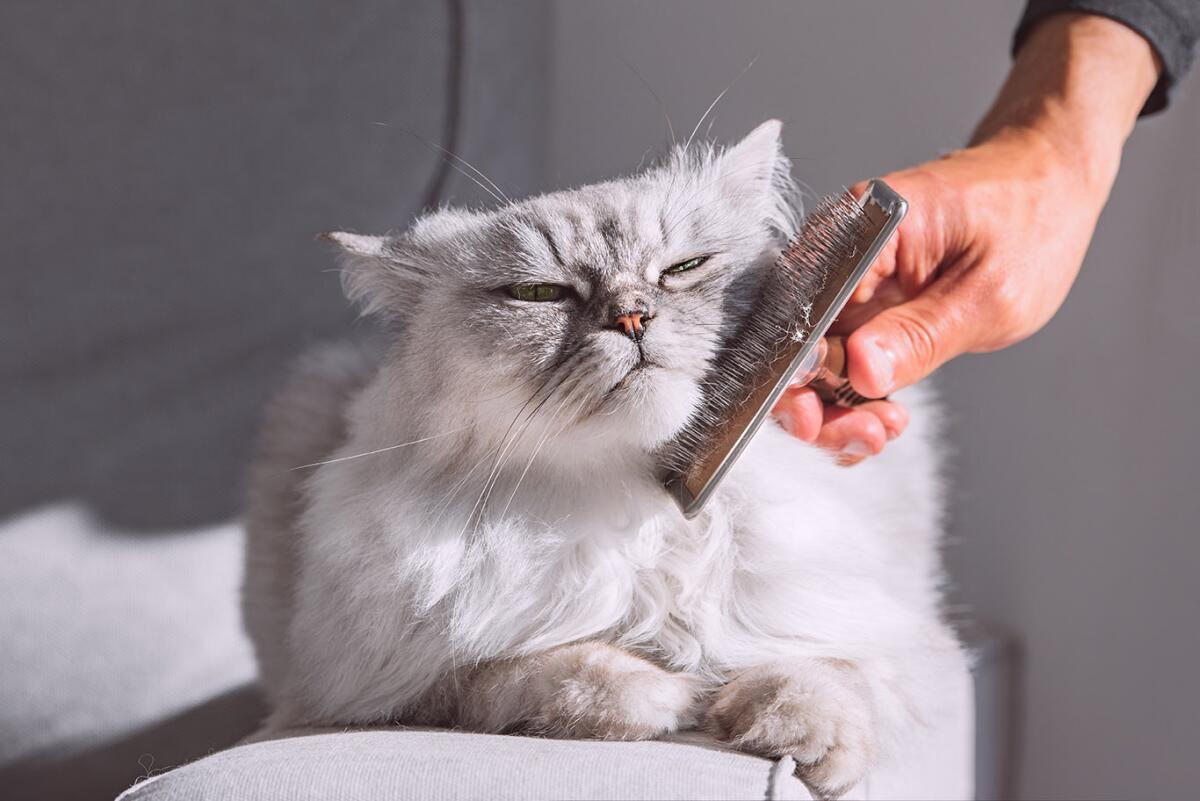
Regular brushing helps remove loose fur and dirt, especially for long-haired cats. Use a brush suited to your cat’s coat type—soft bristle brushes for short hair and a slicker brush for longer hair work well.
Try to make brushing a relaxing time by choosing a quiet spot and using gentle strokes. If your cat resists at first, start with short sessions and gradually increase the time. Reward your cat with treats or gentle petting to create a positive association with grooming.
- Brush at least 2-3 times a week for long-haired cats
- Short-haired cats benefit from weekly brushing
- Focus on areas where mats or tangles tend to form, like behind the ears and under the legs
When To Consult A Vet
If your cat suddenly grooms excessively or avoids grooming altogether, it could signal a health issue. Skin infections, parasites, or pain can affect their grooming habits. Watch for signs like bald patches, redness, swelling, or sores.
Changes in grooming behavior might also point to stress or anxiety. If you notice these changes lasting more than a few days, it’s wise to consult your vet. Early detection can prevent more serious problems and keep your cat comfortable.
Frequently Asked Questions
How Many Hours Do Cats Groom Daily?
Cats typically spend about 30% to 50% of their waking hours grooming. This means they groom for roughly 2 to 4 hours each day. Grooming helps them stay clean, regulate body temperature, and reduce stress.
Why Do Cats Groom Themselves So Often?
Cats groom to remove dirt, loose fur, and parasites. It also helps them regulate their body temperature. Grooming calms cats by releasing endorphins, making it a natural stress reliever.
Does Grooming Time Vary By Cat Breed?
Yes, grooming time can vary by breed. Long-haired cats usually spend more time grooming than short-haired cats. Breed, age, and health all influence grooming habits.
Can Excessive Grooming Indicate Health Issues?
Excessive grooming may signal stress, allergies, or skin problems. If a cat grooms excessively, consult a vet. Early diagnosis can prevent more serious health issues.
Conclusion
Cats spend a good part of their day grooming themselves. This helps keep their fur clean and healthy. Grooming also relaxes cats and reduces stress. Each cat may spend different time, but usually it’s several hours daily. Watching a cat groom shows how careful and neat they are.
Understanding this habit helps owners care better for their pets. A clean cat is often a happy cat. Keep an eye on grooming to spot any health issues early. Simple and natural behavior, but very important for cats’ well-being.

Leave a Reply