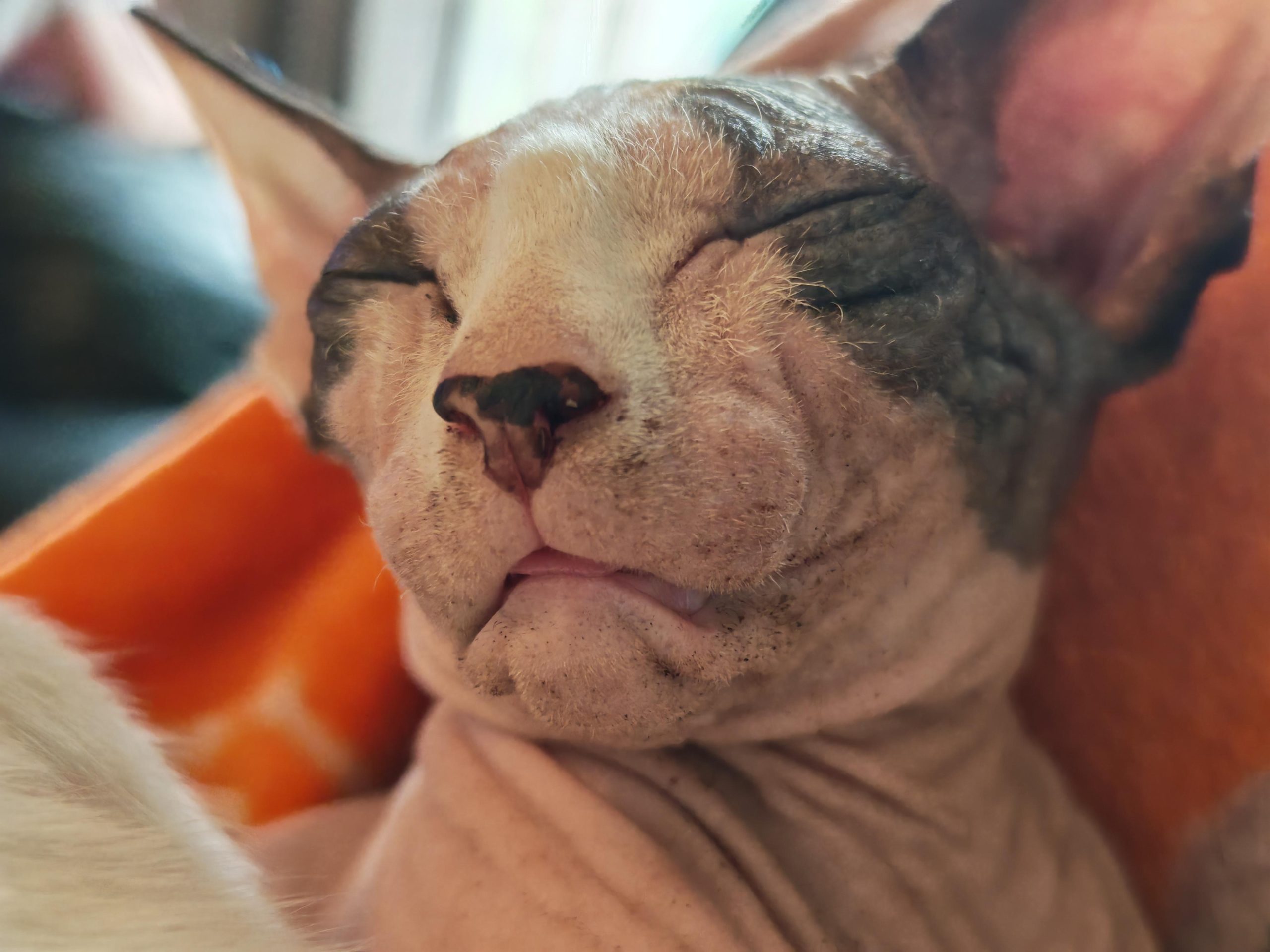
If you have a hairless cat, you know they need special care. Grooming your hairless cat is not just about keeping them clean—it’s about keeping them healthy and happy.
You might wonder how to take care of their delicate skin and avoid common problems. This guide will show you simple, effective ways to groom your unique pet. By the end, you’ll feel confident giving your hairless cat the care they truly deserve.
Keep reading to discover tips that make grooming easy and enjoyable for both of you.

Credit: www.freepik.com
Unique Skin Needs
Hairless cats have very different skin needs than cats with fur. Their skin is exposed directly to the environment. This exposure makes their skin more sensitive and prone to issues. Caring for their skin properly keeps them healthy and comfortable. It also prevents common skin problems.
Why Hairless Cats Need Special Care
Hairless cats lack the fur that protects other cats’ skin. This means their skin can dry out quickly and get sunburned. Oils that normally get absorbed by fur build up on their skin. Without regular cleaning, their skin can become greasy and dirty. Their skin also loses heat faster, so they may need warmth. Special care helps maintain their skin’s balance and health.
Common Skin Issues
- Dryness:Hairless cats often have flaky or rough skin.
- Sunburn:Their skin can burn easily from direct sunlight.
- Oily buildup:Excess oils can clog pores and cause irritation.
- Acne:Pimples or blackheads can develop on their skin.
- Infections:Cuts or scratches can become infected without fur protection.
Regular grooming and gentle skin care reduce these risks. It keeps their skin soft and healthy.
Daily Cleaning Routine
Keeping a hairless cat clean is vital for its health and comfort. Their skin can easily get oily or dirty without fur to absorb oils. A daily cleaning routine helps prevent skin problems and keeps your cat happy. Regular care makes your cat’s skin soft and healthy.
Bathing Frequency
Hairless cats need baths more often than furry cats. Bathing once a week is usually enough. Too many baths can dry out their skin. Too few baths can cause oil build-up and dirt. Use warm water and be gentle to avoid skin irritation.
Choosing The Right Shampoo
Select a shampoo made for sensitive skin or cats. Avoid shampoos with harsh chemicals or strong fragrances. A mild, hypoallergenic shampoo keeps skin safe and clean. Always rinse thoroughly to remove all shampoo residues. This prevents itching and dryness.
Cleaning Ears And Nails
Check ears weekly for wax and dirt. Use a soft cloth or cotton ball with a vet-approved cleaner. Never insert anything deep into the ear canal. Trim nails regularly to avoid scratches and injuries. Use special pet nail clippers and be careful not to cut too close to the quick.
Moisturizing Tips
Hairless cats need gentle moisturizing to keep their skin soft and healthy. Use a mild, pet-safe lotion and apply it carefully to avoid irritation. Regular moisturizing helps prevent dryness and keeps their skin comfortable.
Moisturizing Tips Hairless cats have a unique charm with their sleek skin, but their lack of fur means they need a bit more care in the moisturizing department. Without the protective layer of hair, their skin is more exposed and can become dry or irritated. Ensuring your hairless cat has properly moisturized skin can improve their comfort and overall health.Safe Moisturizers For Hairless Cats
Choosing the right moisturizer is crucial for your hairless feline friend. Opt for products that are specifically formulated for pets, as human moisturizers can contain ingredients that are harmful to animals. Look for hypoallergenic and fragrance-free options to avoid any potential skin reactions. Coconut oil is a popular natural choice due to its moisturizing properties and safety for pets. Another option is aloe vera gel, which soothes and hydrates. Always perform a patch test with any new product to ensure your cat doesn’t have an adverse reaction.How To Apply Moisturizer
Applying moisturizer to your hairless cat is a simple process, but it requires gentle care. Start by warming a small amount of the product in your hands. This not only makes it easier to apply but also more comfortable for your cat. Gently massage the moisturizer into your cat’s skin, paying special attention to areas prone to dryness such as the belly and ears. Make this a relaxing routine, perhaps after a bath, to strengthen your bond and help your cat associate the process with positive feelings. Have you ever considered how your cat feels during grooming? Observing their reactions can guide you in adjusting your techniques. Each cat is unique, and their preferences can make this routine a cherished moment between you and your hairless companion.Sun Protection
Sun protection is a crucial part of grooming your hairless cat. Without fur, their skin is directly exposed to sunlight, making them vulnerable to sunburn and long-term damage. Understanding the risks and how to safely protect your feline friend can keep them healthy and comfortable.
Risks Of Sun Exposure
Hairless cats are at a higher risk of sunburn because they lack the natural barrier fur provides. Even short periods in direct sunlight can cause redness, irritation, and painful burns on their delicate skin.
Repeated exposure increases the chance of skin cancer, especially on areas like ears, nose, and around the eyes. Have you noticed your cat seeking shady spots or avoiding windows during sunny days? This behavior often signals discomfort from too much sun.
Using Sunscreens Safely
Not all sunscreens are safe for cats. Many human products contain ingredients toxic to pets if ingested during grooming. Always choose pet-specific sunscreens or those recommended by your vet.
Apply sunscreen sparingly on exposed skin, focusing on ears, nose, and belly. Avoid areas your cat can easily lick to prevent accidental ingestion.
- Test a small amount first to check for allergic reactions.
- Reapply every few hours if your cat spends time outdoors.
- Combine sunscreen use with physical barriers like lightweight clothing or shaded areas.
Have you tried different sun protection methods with your hairless cat? Sharing your experience can help others keep their pets safe under the sun.
Diet And Hydration
Keeping a hairless cat healthy goes beyond just regular grooming. Diet and hydration play a crucial role in maintaining their delicate skin and overall well-being. Since hairless cats lack the protective fur coat, what you feed them and how well they stay hydrated can directly affect their skin condition and comfort.
Nutrition For Healthy Skin
Your hairless cat’s skin depends heavily on the right nutrients. High-quality protein supports skin repair and strength, while essential fatty acids like omega-3 and omega-6 keep the skin supple and reduce dryness.
You might notice that hairless cats can have dry or flaky skin if their diet lacks these nutrients. Adding foods rich in fish oil or flaxseed oil can make a noticeable difference. Have you ever checked if your cat’s food lists these ingredients? If not, it might be time to switch to a better formula.
- Choose cat food with named protein sources (like chicken or salmon).
- Look for added vitamins E and B complex to support skin health.
- Consider supplements only after consulting your vet.
Importance Of Hydration
Hydration is another key factor. Hairless cats can lose moisture through their skin more easily than furry cats. This makes it essential to keep your cat well-hydrated to avoid dryness and irritation.
Fresh water should always be available, and some cats prefer running water, so a cat fountain might encourage them to drink more. Wet food also helps increase water intake since it contains moisture that dry kibble lacks.
Have you observed how much your cat drinks daily? Tracking their water intake can help you spot early signs of dehydration or other health issues. Remember, proper hydration supports not only the skin but also kidney function and overall energy levels.
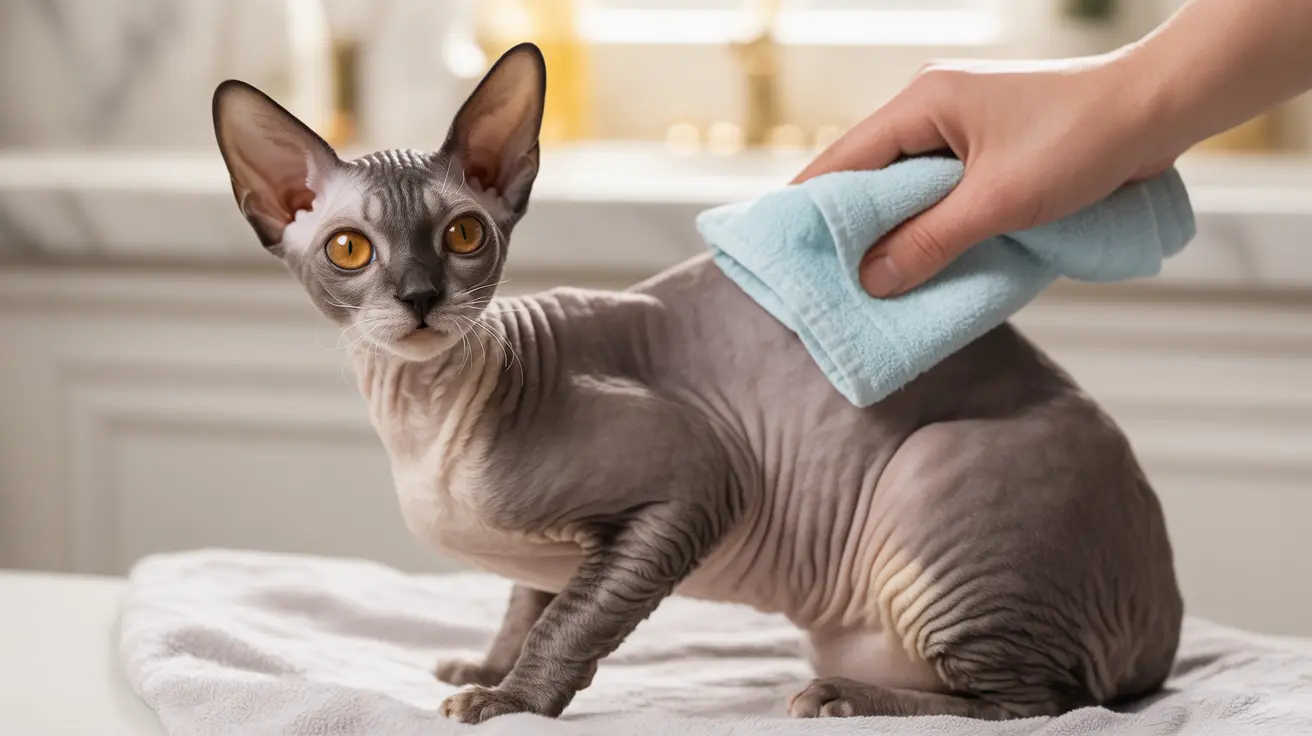
Credit: www.petscare.com
Regular Vet Checks
Regular vet visits are essential for hairless cats. These cats have sensitive skin and unique health needs. Vet checks help catch problems early. They also keep your cat up to date on vaccines and parasite protection. Scheduling these visits ensures your pet stays healthy and happy.
Skin Health Monitoring
Hairless cats need frequent skin checks. Vets look for dryness, redness, or infections. They can spot early signs of skin diseases. Regular exams help prevent serious skin problems. The vet may suggest special creams or baths. This keeps your cat’s skin soft and healthy.
Vaccinations And Parasite Control
Vets provide necessary vaccinations for hairless cats. These shots protect against common cat diseases. Parasite control is also important. Hairless cats can get fleas, ticks, or mites easily. Your vet will recommend safe treatments. These keep parasites away and protect your cat’s health.
Comfortable Living Environment
Creating a comfortable living environment is key to keeping your hairless cat happy and healthy. Without fur, these cats are more sensitive to their surroundings, so you need to pay attention to how you manage their space. A cozy home tailored to their needs helps prevent skin issues and keeps them feeling secure.
Temperature Control
Your hairless cat can get cold quickly, especially during cooler months. Keep your home at a steady, warm temperature—around 70-75°F (21-24°C) works well for most. You might notice your cat seeking out sunny spots or curling up under blankets more often when it’s chilly.
Consider using heated pads or small pet-safe heaters in areas where your cat spends the most time. However, always check that these heating options are safe and don’t pose burn risks. Have you ever caught your cat shivering or looking uncomfortable? That’s a clear sign the temperature needs adjusting.
Soft Bedding Choices
Without fur, your cat’s skin can easily get irritated by rough surfaces. Choose bedding made from soft, breathable fabrics like cotton or fleece to keep them comfortable. Avoid materials that might cause static or trap heat, as this can lead to skin problems.
Place several bedding options around your home to give your cat choices for different moods and temperatures. You can add a cozy blanket or a plush cushion inside their favorite spots. Think about how you feel when you want to relax—wouldn’t you prefer something soft and warm too?
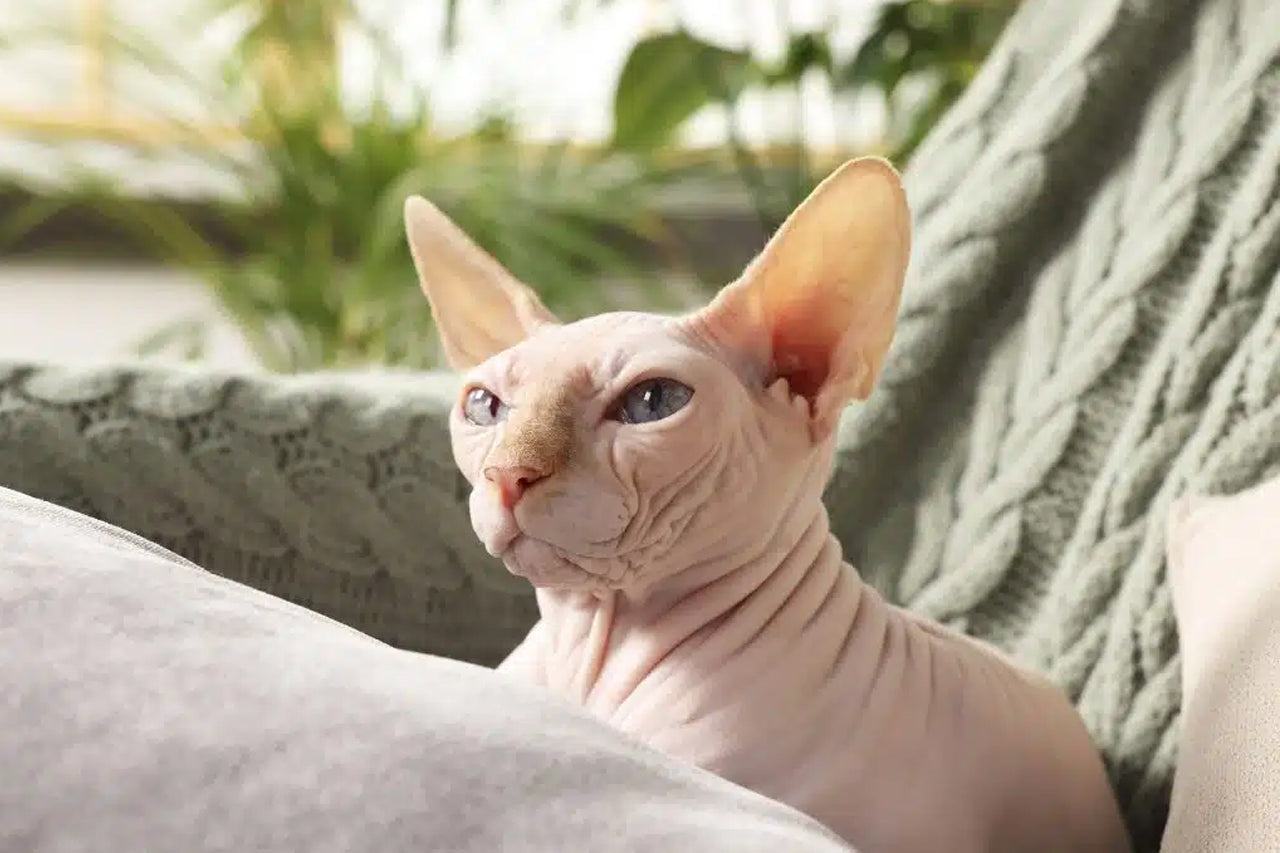
Credit: wildearth.com
Frequently Asked Questions
How Often Should I Groom A Hairless Cat?
Hairless cats need grooming once or twice a week. Their skin produces oils that can build up. Regular cleaning prevents oiliness and skin issues. Use a soft cloth or pet-safe wipes for gentle care.
What Products Are Safe For Hairless Cat Grooming?
Use mild, hypoallergenic pet shampoos designed for sensitive skin. Avoid human shampoos or harsh chemicals. Gentle wipes and moisturizing lotions made for cats are also safe. Always check with your vet before using new products.
How Do I Prevent Skin Problems In Hairless Cats?
Keep your hairless cat’s skin clean and moisturized. Regular baths remove excess oils and dirt. Protect them from sun exposure with pet-safe sunscreen. Monitor for redness or dryness and consult a vet if needed.
Can Hairless Cats Get Cold Without Fur?
Yes, hairless cats get cold easily. Provide warm blankets and cozy spots. Use pet-safe sweaters during cold weather. Maintain a warm indoor environment to keep them comfortable and healthy.
Conclusion
Caring for a hairless cat needs gentle, regular grooming. Their skin must stay clean and moisturized. Use soft cloths and mild products only. Watch for any skin changes or dryness. Keep their nails trimmed to avoid scratches. Regular grooming builds trust and keeps your cat happy.
Small daily efforts protect their unique skin. A happy hairless cat feels loved and healthy. Simple steps make grooming easy and stress-free. Your care helps your cat stay comfortable every day.

Leave a Reply