Have you ever wondered how a groomer manages to keep a cat looking neat and comfortable, even when your furry friend seems so fussy? Grooming a cat is not just about brushing fur; it’s a careful process that requires skill, patience, and the right techniques.
If you want to understand what really happens during a professional grooming session and learn tips that might make your cat’s next grooming experience easier, you’re in the right place. Keep reading to discover how groomers work their magic and why their approach could change the way you care for your cat at home.
Preparing For A Cat Grooming Session
Preparing for a cat grooming session is a crucial step that can make the entire experience smoother for both you and your feline friend. Cats are sensitive creatures, and rushing into grooming without proper preparation often leads to stress and resistance. Taking time to get ready sets the stage for a calm, successful session.
Choosing The Right Tools
Having the right tools on hand can turn grooming from a struggle into a straightforward task. You’ll need a brush suited to your cat’s fur type—slicker brushes work well for long-haired cats, while rubber grooming gloves are great for short-haired breeds.
Other essentials include a comb to tackle tangles, nail clippers designed for cats, and gentle, cat-safe shampoo if a bath is needed. Think about your cat’s specific needs—does your cat shed a lot? Then a de-shedding tool might be helpful. What tools have you found work best with your cat’s unique coat?
Creating A Calm Environment
Setting the right atmosphere is key to easing your cat’s anxiety. Choose a quiet, familiar space where your cat feels safe. Dim the lights, reduce loud noises, and avoid sudden movements.
Using soft, soothing voices and gentle touches helps your cat relax. Some owners find playing calming music or using pheromone sprays beneficial. Could adjusting your environment be the missing piece to making grooming easier?
Assessing Your Cat’s Temperament
Every cat has a distinct personality that influences how they respond to grooming. Observe your cat’s behavior—are they curious and tolerant or easily frightened and defensive?
Understanding their temperament helps you tailor your approach. For shy cats, short, positive sessions work best. More confident cats may tolerate longer grooming. Have you noticed specific triggers that make your cat uncomfortable during grooming?
Step-by-step Grooming Process
Grooming a cat is a careful process that needs patience and the right approach. Each cat’s coat and temperament require different techniques to keep them comfortable and looking their best. Understanding the step-by-step grooming process will help you become confident in caring for your feline friend.
Brushing Techniques For Different Fur Types
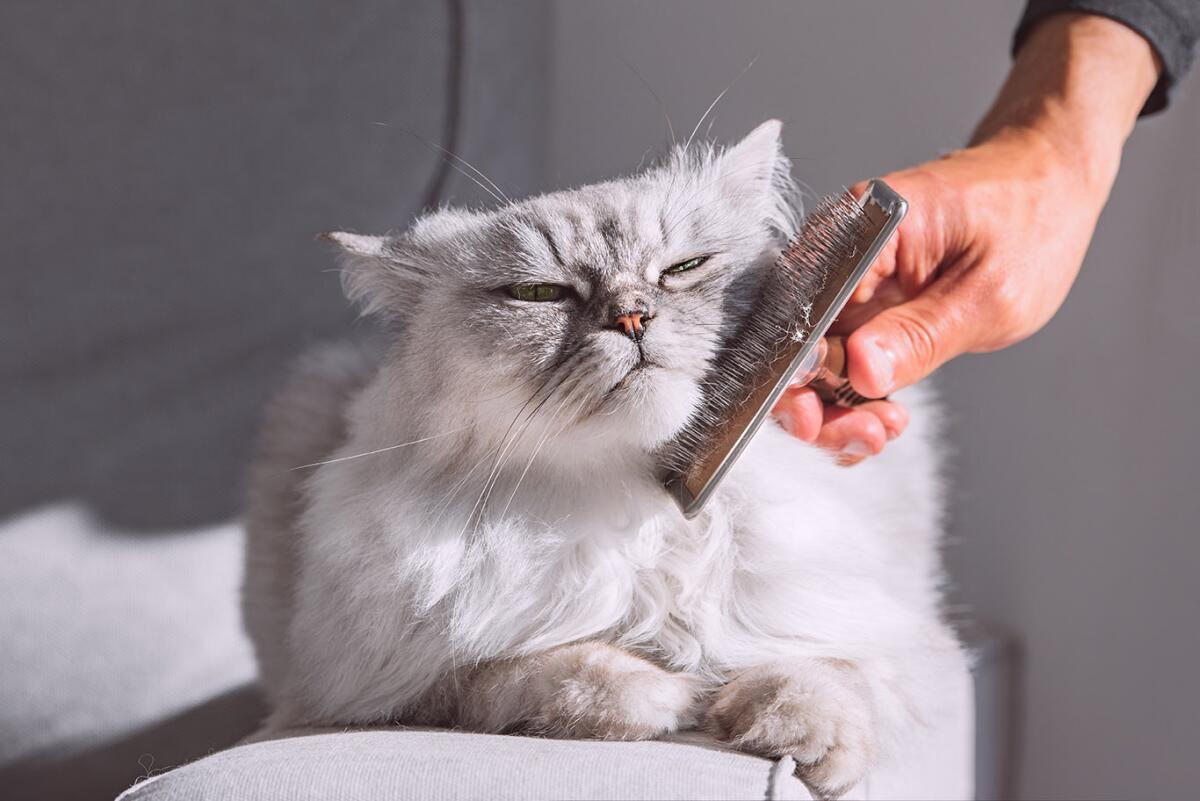
Short-haired cats usually need a soft bristle brush or grooming glove to remove loose hair and dirt. For long-haired cats, a wide-toothed comb followed by a slicker brush helps prevent mats and tangles. Be gentle and brush in the direction of hair growth to avoid hurting your cat.
Ask yourself if your cat enjoys the brushing session. If not, try shorter sessions more frequently to build trust.
Bathing Tips And Tricks
Bathing isn’t always necessary, but when your cat is dirty or has skin issues, it becomes important. Use lukewarm water and a shampoo made specifically for cats—human shampoo can irritate their skin. Keep the water level low and avoid getting water in their ears and eyes.
Try speaking softly and moving slowly during the bath. Your calmness can help reduce your cat’s stress.
Drying Your Cat Safely
After a bath, wrap your cat gently in a soft towel to absorb most of the water. Avoid using a hairdryer unless it has a cool setting and your cat is comfortable with the noise. Let your cat air dry in a warm, draft-free room to prevent chills.
Have you noticed your cat’s reaction to drying methods? Adjust based on what keeps them calm.
Nail Trimming Methods
Use a nail clipper designed for cats to trim just the sharp tips of their nails. Hold your cat’s paw firmly but gently, and press the pad to extend the nails. Avoid cutting into the quick, the pink part inside the nail, which is sensitive and bleeds easily.
If your cat resists, try trimming after a nap when they are more relaxed.
Cleaning Ears And Eyes
Use a damp cotton ball or soft cloth to wipe away dirt from around your cat’s eyes. For ears, gently clean the outer part with a cotton ball soaked in a vet-approved ear cleaner. Never insert anything deep into the ear canal to avoid injury or infection.
Have you checked your cat’s ears and eyes regularly? Early cleaning can prevent bigger health problems.
Handling Common Grooming Challenges
Handling common grooming challenges is a key part of keeping your cat healthy and comfortable. Groomers face a variety of issues, from tough mats to anxious behavior. Understanding how to manage these problems makes the grooming process smoother for both you and your feline friend.
Dealing With Matting And Tangles
Mats and tangles can cause discomfort and skin problems if left untreated. Groomers usually start by gently working through smaller tangles with a wide-toothed comb.
If the mat is too tight, they might carefully trim it out to avoid hurting the cat. Regular brushing at home can prevent mats from forming, but if your cat already has mats, patience and gentle handling are crucial.
Managing Stress And Anxiety
Many cats feel nervous during grooming sessions. A calm environment helps reduce stress, so groomers often speak softly and move slowly around the cat.
Using treats and breaks can turn grooming into a positive experience. Have you noticed how your cat reacts to different sounds or smells? Tailoring the session to your cat’s preferences can make a big difference.
Grooming Older Or Special Needs Cats
Older or special needs cats require extra care during grooming. Groomers adjust their techniques to be gentler and shorter to avoid tiring the cat.
They watch closely for signs of discomfort or pain and may use softer brushes or grooming gloves. If your cat has arthritis or other health issues, discussing these with your groomer can help ensure a safe session.
Expert Tips For Regular Cat Grooming
Regular grooming keeps cats healthy and happy. It helps prevent mats and reduces shedding. Grooming also strengthens the bond between you and your cat. Experts suggest simple tips to make grooming easy and effective. Small steps can lead to a big difference in your cat’s comfort.
Establishing A Grooming Routine
Choose a quiet, comfortable spot for grooming sessions. Pick a time when your cat feels calm. Start with short sessions and increase time gradually. Use soft brushes suited for your cat’s fur type. Brush gently to avoid hurting your cat’s skin. Regular grooming prevents tangles and keeps the coat shiny.
Recognizing Signs Of Skin Or Coat Issues
Check your cat’s skin for redness or bumps. Look for bald patches or excessive dandruff. Notice if your cat scratches or licks more than usual. Matted fur can indicate a health problem or discomfort. Early detection helps treat issues before they worsen. Consult a vet if you find unusual signs.
When To Seek Professional Grooming Help
Some cats need extra care for thick or long fur. Professional groomers handle tough mats safely. Groomers can trim nails and clean ears effectively. Choose a groomer experienced with cats. Use professional help if your cat resists home grooming. This keeps your cat clean without stress or injury.
Frequently Asked Questions
How Often Should A Cat Be Professionally Groomed?
Cats typically benefit from professional grooming every 4 to 6 weeks. Regular grooming prevents matting, reduces shedding, and keeps their coat healthy. Long-haired breeds may need more frequent sessions to maintain comfort and cleanliness. Groomers also check for skin issues during visits.
What Tools Do Groomers Use To Groom Cats?
Groomers use specialized tools like slicker brushes, de-matting combs, nail clippers, and grooming scissors. These tools help remove loose fur, tangles, and mats gently. Clippers are used for trimming fur, while nail trimmers maintain paw health. Each tool ensures safe and effective grooming.
How Do Groomers Calm Anxious Cats During Grooming?
Groomers use gentle handling, soothing voices, and slow movements to calm cats. They may use treats or pheromone sprays to reduce stress. Experienced groomers recognize signs of anxiety and adjust their approach. Creating a calm environment helps cats feel safe and comfortable.
Can Groomers Safely Trim A Cat’s Nails?
Yes, groomers are trained to trim cat nails safely. They avoid cutting into the quick, which causes pain and bleeding. Regular nail trims prevent scratching injuries and keep cats comfortable. Groomers use proper tools to ensure precision and safety during nail care.
Conclusion
Grooming a cat takes patience and gentle care. Groomers use special tools to clean and detangle fur. They check the cat’s skin and nails for problems. Regular grooming helps keep cats healthy and happy. It also reduces shedding and hairballs.
Watching a groomer work shows how careful they are. Every cat needs a little help to stay clean. Trusting a groomer means your cat gets the best care. Simple steps make a big difference in your cat’s comfort.

Leave a Reply