Have you noticed your cat licking or biting itself more than usual? Over grooming can cause painful bald spots, skin irritation, and distress for your furry friend.
If you want to help your cat feel comfortable and happy again, it’s important to understand why this behavior happens and how you can stop it. You’ll discover simple, effective ways to calm your cat and prevent over grooming before it gets worse.
Keep reading to protect your cat’s health and strengthen your bond.
Causes Of Over Grooming
Over grooming in cats can signal underlying problems. It often shows as hair loss, redness, or skin sores. Understanding the causes helps in managing this behavior. Multiple factors can trigger a cat to groom excessively.
Stress And Anxiety
Cats feel stress from changes in their environment. Moving, new pets, or loud noises can cause anxiety. Over grooming becomes a way to cope with nervous feelings. It acts like a self-soothing habit during tough times.
Allergies And Skin Issues
Allergies cause itching and discomfort in cats. Food, pollen, or dust mites may trigger reactions. Skin conditions like dermatitis also lead to excessive licking. Cats try to relieve irritation by grooming more.
Parasites And Infections
Parasites such as fleas cause intense itching. Skin infections worsen the discomfort and cause pain. These problems make cats lick and bite their skin often. Treating parasites and infections is key to reducing over grooming.
Behavioral Factors
Some cats develop habits that lead to over grooming. Boredom or lack of attention can increase this behavior. Cats may groom to get comfort or reaction from owners. Understanding these habits helps in finding the right solution.
Signs To Watch For
Noticing signs of over grooming in your cat early helps prevent serious problems. Cats usually groom to stay clean, but too much can cause harm. Watch your cat closely for warning signals. These signs show when grooming turns into a problem.
Bald Patches And Redness
Look for bare spots on your cat’s fur. Bald patches appear where the cat licks or bites too much. The skin underneath may look red or inflamed. These areas can be sore and sensitive to touch. Bald patches often mean your cat is stressed or uncomfortable.
Excessive Licking And Chewing
Notice how often your cat licks or chews its fur. Constant licking or biting is a clear sign of over grooming. This behavior can damage the skin and cause small wounds. Cats may do this more during anxiety or allergies. Pay attention if grooming interrupts rest or playtime.
Changes In Behavior
Watch for changes in how your cat acts. Over grooming may come with restlessness or irritability. Your cat might hide or avoid contact with people or other pets. Eating or sleeping habits can also change. These behavior shifts often hint at discomfort or stress inside your pet.
Home Remedies To Try
Over grooming in cats can be stressful for both you and your furry friend. Luckily, there are simple home remedies you can try to help reduce this behavior. These approaches focus on comfort, protection, and regular care to address the root causes of over grooming.
Creating A Calm Environment
Stress often triggers over grooming in cats. You can help by making your home a peaceful place with quiet corners and cozy resting spots. Adding calming scents like lavender or using pheromone diffusers can soothe your cat’s nerves.
Try to keep a consistent daily routine. Cats feel safer when they know what to expect, so feeding and playtimes at regular intervals can reduce anxiety. Have you noticed your cat relax more when the house is calm?
Using Protective Clothing
Protective clothing like soft, breathable onesies can prevent your cat from reaching irritated spots. These clothes act as a physical barrier, giving the skin time to heal. They also stop your cat from causing more damage during flare-ups.
Make sure the clothing fits well without being too tight. Your cat should be able to move comfortably. Have you considered this option to keep your cat from licking wounds or itchy areas?
Regular Grooming And Baths
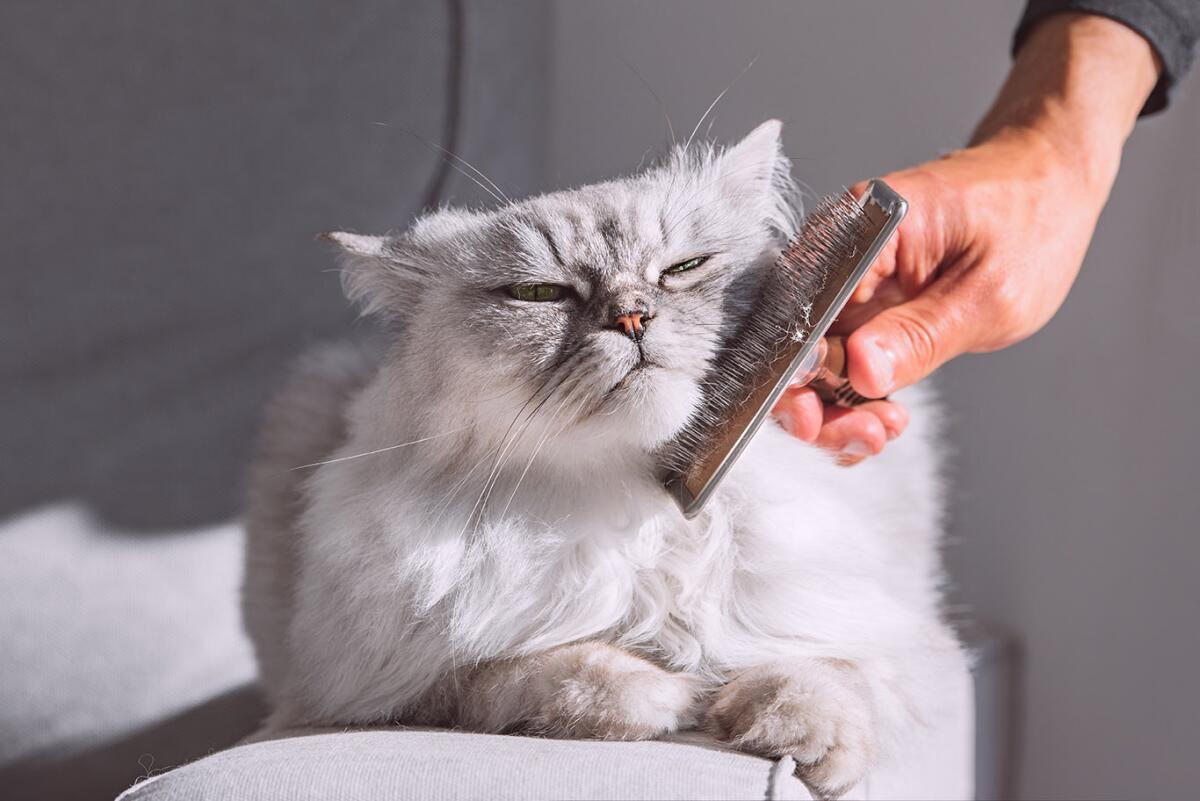
Keeping your cat’s coat clean reduces irritation and helps spot problem areas early. Regular brushing removes loose fur and dirt, preventing skin problems that lead to over grooming. Use gentle brushes designed for cats to avoid causing discomfort.
Baths can also help but should be done sparingly and with cat-safe shampoos. Too many baths can dry out the skin, making over grooming worse. Do you notice your cat’s coat looking healthier after a good brush or bath?
Diet And Nutrition Tips
Diet plays a crucial role in managing your cat’s over grooming. What you feed your cat can either soothe irritated skin or make the problem worse. Paying attention to nutrition helps tackle the root cause of over grooming, not just the symptoms.
Eliminating Allergens
Food allergies often trigger excessive grooming in cats. Common allergens include beef, dairy, chicken, and grains. Switching to a hypoallergenic or limited ingredient diet can reduce your cat’s skin irritation.
Try feeding your cat novel protein sources like duck or venison. These proteins are less likely to cause an allergic reaction. You might notice less scratching and licking within a few weeks of the diet change.
Have you checked the ingredient list on your cat’s food lately? Sometimes, hidden fillers and additives can be the culprit behind skin problems. Opt for natural, simple recipes that focus on quality ingredients.
Supplements For Skin Health
Adding supplements can boost your cat’s skin and coat condition. Omega-3 fatty acids are particularly effective at reducing inflammation and dryness. You can find these in fish oil or flaxseed oil supplements designed for cats.
Biotin and zinc also support healthy skin. These nutrients help repair damage and strengthen the skin barrier. Consult your vet to choose the right supplement and dosage for your cat.
Have you tried adding supplements to your cat’s diet before? Sometimes small changes like these make a big difference in stopping over grooming. Pay attention to how your cat’s skin responds over time.
When To Visit The Vet
Cats that groom themselves too much may have skin problems or stress. Visit the vet if you see bald spots, wounds, or constant licking. Early help can stop pain and keep your cat healthy.
When to Visit the Vet If your cat is grooming excessively, it might be more than just a quirky habit. Sometimes, over-grooming could signal an underlying health issue that requires professional attention. But how do you know when to pack up your feline friend and head to the vet?Identifying Medical Causes
The first step is understanding why your cat is over-grooming. Cats might lick themselves excessively due to allergies, skin infections, or even stress. Look for signs like bald patches, redness, or skin sores. An example from my own life: my cat, Luna, started grooming so much that she had a bald spot on her belly. It turned out she was allergic to her new food. Think about your cat’s recent changes. Has there been a shift in diet, environment, or behavior? Identifying these changes can help you and your vet pinpoint the cause.Treatment Options
Once you’ve identified a potential medical cause, your vet can suggest treatment options. If allergies are to blame, switching foods or using hypoallergenic products might help. Skin infections could require topical or oral medications. For Luna, a simple change in diet did the trick. But each cat is unique, and what works for one may not work for another. Don’t hesitate to ask your vet about alternative treatments or lifestyle changes. Could reducing stress through play or quiet spaces help your cat? Your vet can provide tailored advice to soothe your furry friend’s over-grooming habit.Preventing Future Over Grooming
Preventing future over grooming in cats requires ongoing care and attention. Over grooming often signals stress, boredom, or health issues. Creating a calm and engaging environment helps reduce these triggers. Establishing healthy habits and watching for early signs keeps your cat comfortable and safe.
Environmental Enrichment
Keep your cat active and mentally stimulated with toys and playtime. Offer a variety of toys like balls, feather wands, and puzzle feeders. Rotate toys regularly to maintain interest. Provide scratching posts and climbing trees to encourage natural behavior. A window perch can offer visual stimulation and fresh air. These enrichments reduce boredom and stress, common causes of over grooming.
Consistent Routine
Cats thrive on predictability. Feed, play, and rest times should be consistent daily. A steady routine helps your cat feel secure and relaxed. Avoid sudden changes in the household, such as loud noises or new pets. Predictable interactions reduce anxiety, lowering the chance of over grooming. Gentle handling and positive experiences also build trust and calmness.
Monitoring And Early Intervention
Watch your cat’s grooming habits closely. Look for signs like bald patches or red skin. Early detection allows quick action to stop over grooming. Consult a vet if you see changes or if grooming seems excessive. Address underlying problems like allergies or parasites promptly. Early intervention prevents worsening and supports your cat’s well-being.
Frequently Asked Questions
Why Is My Cat Over Grooming Itself?
Cats over groom due to stress, allergies, or skin issues. Identifying the cause helps provide proper treatment and comfort.
How Can I Reduce My Cat’s Over Grooming Behavior?
Provide a calm environment, use interactive toys, and consult a vet for medical causes to reduce over grooming effectively.
When Should I See A Vet For Over Grooming?
See a vet if over grooming causes bald spots, sores, or if behavior persists beyond a week despite home care.
Can Diet Changes Help Stop Cat Over Grooming?
Yes, improving diet with hypoallergenic or omega-3 rich food can reduce skin irritation and help control over grooming.
Conclusion
Stopping a cat from over grooming takes time and care. Watch your cat closely for stress signs. Provide a calm, safe space for your pet. Offer toys and activities to keep it busy. Check with a vet to rule out health problems.
Gentle grooming can also help reduce itching. Patience and love make a big difference. Your cat will feel better and happier soon. Keep learning about your cat’s needs every day. Small changes bring the best results.

Leave a Reply