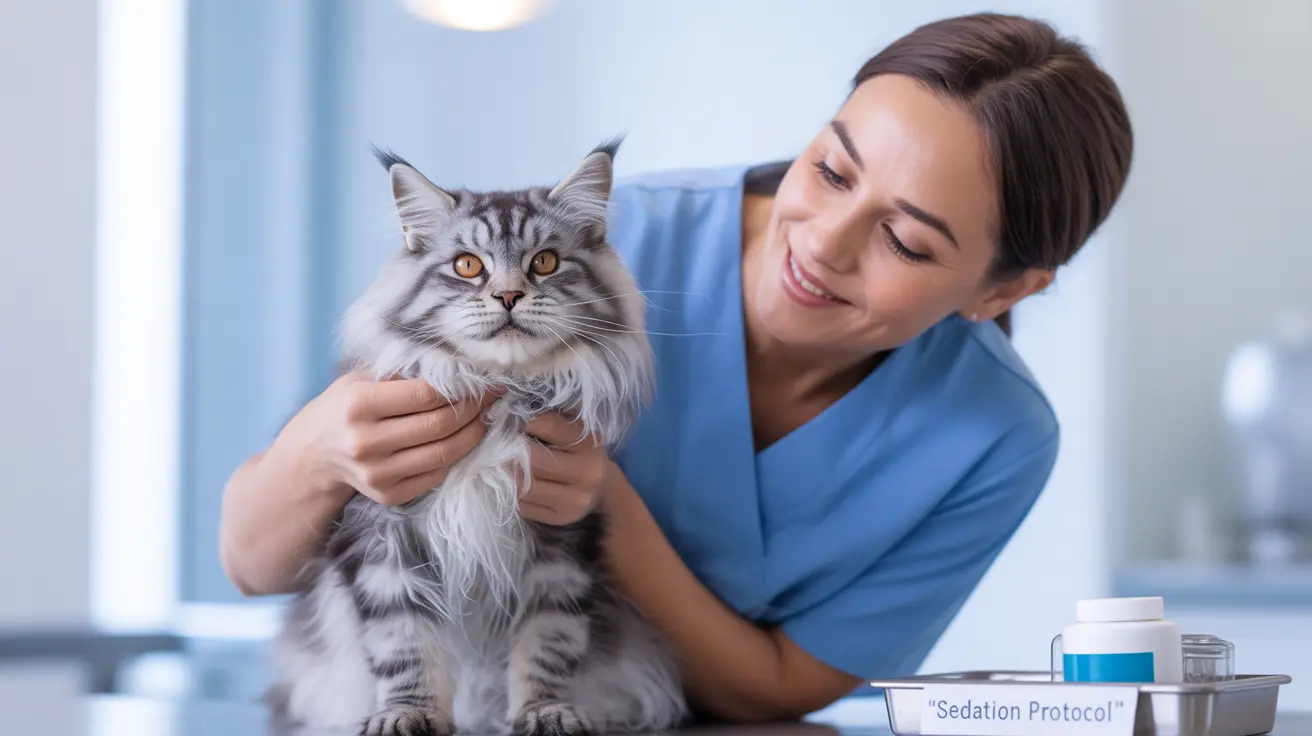
Grooming your cat can sometimes feel like a battle. If your furry friend gets anxious or restless, you might wonder, “How do you sedate a cat for grooming safely?”
You want to keep your cat calm without causing harm or stress. You’ll discover practical, safe ways to help your cat relax during grooming sessions. By the end, you’ll feel more confident and prepared to make grooming easier for both you and your pet.
Keep reading to learn the best tips and tricks that every cat owner should know.

Credit: services.petsmart.com
Reasons To Sedate Cats For Grooming
Grooming your cat is essential for their health and comfort, but sometimes it can be a stressful ordeal for both of you. Sedation might be considered to ease this process and ensure your cat’s safety. Understanding why sedation is used helps you make informed decisions about your cat’s grooming needs.
Common Grooming Challenges
Many cats dislike being groomed, especially when it involves nail trimming or dealing with matted fur. Some cats become aggressive or extremely anxious, making grooming a risky task for both the cat and the owner. Older cats or those with medical conditions might struggle to sit still or tolerate touch.
Have you ever tried to trim your cat’s nails only to have them claw at you? This isn’t unusual and can lead to injuries. Grooming challenges like these often require a gentle approach, but sometimes sedation becomes the safest option.
When Sedation Becomes Necessary
Sedation is not the first choice for grooming, but it becomes necessary when your cat’s behavior or health makes normal grooming impossible. For example, cats with severe matting that causes pain might resist all efforts to groom them. Sedation helps calm them and allows you or a professional groomer to work safely and thoroughly.
If your cat has a history of extreme stress or aggression during grooming, sedation can protect both of you from harm. It also helps in situations where grooming is urgent, such as removing harmful mats or cleaning wounds. Have you considered how sedation could make grooming less traumatic for your cat and yourself?
Types Of Sedatives For Cats
Sedating a cat for grooming can make the process safer and less stressful. Different types of sedatives suit various situations and cats. Choosing the right sedative depends on the cat’s health, behavior, and the grooming needs. Knowing the options helps pet owners and groomers prepare properly.
Prescription Medications
Prescription sedatives are the strongest and safest for cats. A vet must prescribe these medicines after a health check. Common options include:
- Gabapentin:Helps calm anxiety and reduce pain.
- Alprazolam:A mild sedative that eases nervousness.
- Diazepam:Provides relaxation and muscle relaxation.
These medications work quickly and effectively. Vets provide dosage instructions to avoid risks.
Natural And Herbal Options
Some cat owners prefer natural sedatives. These are gentler but may take longer to work. Popular choices include:
- Valerian Root:Acts as a mild calming agent.
- Chamomile:Known for soothing effects.
- CBD Oil:Supports relaxation without strong sedation.
Natural options often come as drops, capsules, or treats. Effects vary depending on the cat’s response.
Over-the-counter Solutions
Over-the-counter sedatives are easy to find but less powerful. Many are herbal blends or supplements. Examples include:
- Calming treats with L-theanine or melatonin.
- Sprays or diffusers with pheromones.
- Supplements containing tryptophan.
These products help reduce mild anxiety and stress during grooming. They are safe but might not work for very anxious cats.
Consulting Your Veterinarian
Before sedating your cat for grooming, talking to your veterinarian is essential. They know your cat’s health history and can guide you on the safest approach. This step ensures your pet’s well-being throughout the grooming process.
Health Assessment Before Sedation
Your veterinarian will perform a health check to identify any risks sedation might pose to your cat. They may examine your cat’s heart, lungs, and overall physical condition. Blood tests can also reveal hidden issues that could affect sedation safety.
Have you noticed any unusual behavior or symptoms in your cat lately? Mentioning these during the consultation helps your vet make informed decisions. This assessment reduces the chance of complications during grooming.
Dosage And Safety Guidelines
Determining the right sedation dosage depends on your cat’s weight, age, and health status. Your veterinarian will calculate this carefully to avoid under or overdosing. They will also explain how long the sedation will last and what to expect during recovery.
Ask your vet about any side effects or signs that need immediate attention after sedation. They might suggest specific care steps to follow at home. Following their advice can make grooming safer and less stressful for your cat.
Preparing Your Cat For Sedation
Preparing your cat for sedation is a crucial step to ensure their safety and comfort during grooming. It involves creating the right conditions that help reduce anxiety and make the sedation process smoother. By paying attention to small details, you can make a big difference in your cat’s experience.
Creating A Calm Environment
Your cat’s mood plays a big role in how well sedation works. A noisy or chaotic space can increase stress and make sedation less effective. Choose a quiet room with soft lighting where your cat feels safe.
Try playing gentle music or using pheromone sprays designed for cats. These subtle touches can help your cat relax before the procedure. Have familiar items like their favorite blanket or toy nearby to provide extra comfort.
Think about your own actions too. Speak softly and move slowly around your cat. Your calm demeanor can help them stay calm as well.
Fasting And Pre-sedation Care
One important part of preparing your cat for sedation is managing their food and water intake. Most veterinarians recommend fasting your cat for about 8 to 12 hours before sedation to reduce the risk of vomiting or aspiration.
However, always check with your vet for specific instructions because some cats may need different fasting times based on their health. Water is usually allowed up until a few hours before sedation, but confirm this with your vet.
Also, keep an eye on your cat’s health in the days leading up to grooming. If you notice any signs of illness or unusual behavior, contact your vet immediately. Sedation can be risky if your cat isn’t feeling well.
Administering Sedation Safely
Sedating a cat for grooming requires careful dose control and monitoring. A veterinarian should always guide the process to ensure safety. Proper sedation helps keep cats calm and reduces stress during grooming sessions.
Administering sedation to your cat for grooming can be a delicate task. Ensuring safety is your top priority. Proper sedation helps reduce stress and discomfort, making grooming a more pleasant experience for both you and your furry friend.Methods Of Administration
There are several ways to safely administer sedation to your cat. Oral sedatives, available in pill or liquid form, can be mixed with their food. Always consult your veterinarian for the right dosage. Intramuscular injections are another option, usually administered by a vet. This method ensures the sedative works quickly and effectively, especially for more anxious cats. For cats who resist oral or injectable methods, transdermal gels can be applied to the skin. These gels are absorbed through the skin, providing a less invasive option.Monitoring Your Cat’s Response
Once sedation is administered, closely observe your cat. Keep an eye on their breathing and overall demeanor. Any signs of distress or unusual behavior should be addressed immediately. Check your cat’s temperature and heart rate if possible. It’s important to ensure they remain stable and comfortable during the sedation process. Reflect on your cat’s response to sedation. Did they remain calm? Use this experience to adjust future grooming sessions and improve your approach. Have you considered how sedation might affect your cat’s behavior post-grooming? Being prepared can help you maintain a stress-free environment for your pet.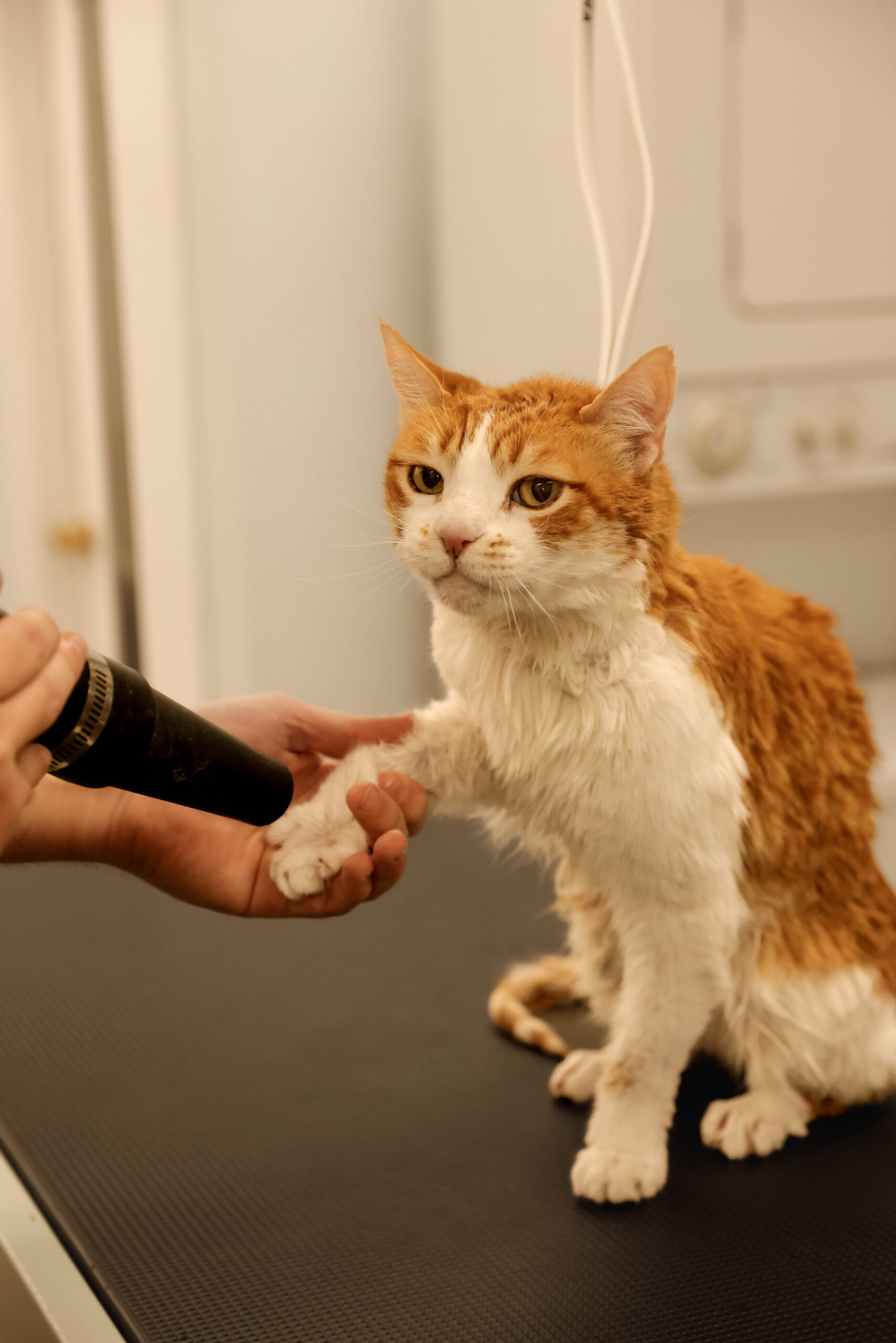
Credit: dapperdoggery.com
Grooming Techniques Post-sedation
Sedating a cat for grooming requires careful dosage and a vet’s guidance to ensure safety. After sedation, gentle handling and a calm environment help the cat recover smoothly. Monitoring vital signs during grooming is essential to avoid stress or harm.
Grooming Techniques Post-Sedation Grooming a cat post-sedation requires a gentle and strategic approach. This is not just about keeping your cat looking and feeling its best but ensuring its comfort and safety. As you embark on this grooming journey, having the right techniques will make the process smoother and more effective.Handling Sedated Cats Gently
When handling a sedated cat, patience is your best ally. Sedation can make your cat feel disoriented and unsteady, so support its body carefully. Always keep a firm but gentle grip to prevent any sudden movements that might startle the cat or cause injury. Consider the environment too. A quiet, calm space will help maintain a peaceful atmosphere, minimizing stress for your furry friend. Remember, your calm demeanor will reassure your cat that everything is okay.Tools And Tips For Efficient Grooming
Having the right tools at hand is crucial for efficient grooming. A good quality brush, a pair of nail clippers, and a gentle pet shampoo are essential. Each tool plays a unique role in ensuring your cat looks and feels great. Start with brushing. Use a soft-bristled brush to gently remove loose fur and prevent matting. For nail trimming, ensure your clippers are sharp and only trim the very tip of the nails to avoid cutting the quick. Bathing a sedated cat requires extra care. Use lukewarm water and a mild pet shampoo. Rinse thoroughly to remove all soap residues, and towel dry gently to avoid any chilling effect. By following these grooming techniques, not only do you ensure your cat’s comfort, but you also strengthen the bond between you and your feline friend. What other techniques have you found useful in grooming a sedated cat?Aftercare And Recovery
After sedating a cat for grooming, proper aftercare and recovery are essential. Cats need a calm space to rest as sedation wears off. Monitor your cat closely to ensure they regain normal behavior safely. Comfortable surroundings help reduce stress and support healing.
Signs Of Normal Recovery
- Slow but steady return to alertness and coordination
- Normal breathing without wheezing or coughing
- Ability to stand and walk without wobbling
- Responsive to sounds and touch
- Gradual return of appetite within a few hours
- Calm and quiet demeanor without excessive agitation
When To Seek Veterinary Help
- Persistent vomiting or diarrhea after sedation
- Difficulty breathing or rapid, shallow breaths
- Unusual lethargy or failure to wake up fully
- Seizures or uncontrolled shaking
- Excessive drooling or foam around the mouth
- Swelling or redness at injection sites
Alternatives To Sedation
Sedating a cat for grooming is not the only option. Many cats react poorly to sedation, or owners prefer gentler methods. Alternatives to sedation focus on calming the cat and making grooming less stressful. These options help maintain your cat’s safety and comfort.
Behavioral Training
Training your cat to accept grooming takes time and patience. Start with short sessions using gentle touches. Reward calm behavior with treats and praise. Gradually introduce grooming tools like brushes and nail clippers. Create a quiet, comfortable space for grooming. Consistent practice helps reduce fear and resistance over time.
- Use soft voices and slow movements
- Allow the cat to explore grooming tools
- Keep sessions brief and positive
- Increase grooming time gradually
Professional Grooming Services
Professional groomers know how to handle nervous cats gently. They use techniques that calm cats during grooming. Groomers often have special equipment to reduce stress. They can trim nails, clean fur, and remove mats safely. Choosing a groomer experienced with cats improves the grooming experience. This option is good for cats that resist home grooming.
Safety Precautions To Remember
Safety is the top priority when sedating a cat for grooming. Proper precautions protect your pet from harm. Understanding risks helps you act quickly if problems arise.
Always follow dosage instructions carefully. Cats react differently to sedatives. Monitoring your cat during sedation is essential for their well-being.
Avoiding Over-sedation
Over-sedation can cause serious health issues. Signs include extreme drowsiness, slow breathing, and unresponsiveness. Never give more than the recommended dose. Administer sedatives slowly and watch your cat closely. Keep emergency contact numbers ready, such as your vet’s. Avoid sedating a cat that is already ill or weak. Use sedation only when absolutely necessary.
Recognizing Allergic Reactions
Allergic reactions to sedatives can happen. Symptoms may include swelling, itching, vomiting, or difficulty breathing. Stop using the sedative immediately if you see these signs. Call your vet right away for advice. Keep an eye on your cat for at least an hour after sedation. Early detection of allergies can save your cat’s life.
:strip_icc()/spruce-pets-cat-sedative-travel-9be74a8034364749a2cb205881b103ac.png)
Credit: www.thesprucepets.com
Frequently Asked Questions
How Can You Safely Sedate A Cat For Grooming?
Consult a vet before sedating your cat. They prescribe safe, appropriate medication based on your cat’s health and temperament. Never use over-the-counter drugs without professional advice to avoid harmful reactions.
What Are Common Sedatives Used For Cat Grooming?
Veterinarians often recommend mild sedatives like gabapentin or trazodone. These help calm anxious cats gently during grooming, ensuring safety and comfort. The dosage depends on the cat’s size and health condition.
Are There Natural Alternatives To Sedate Cats For Grooming?
Yes, natural options like pheromone sprays, calming collars, or herbal supplements can reduce stress. These methods are safer but less effective than prescribed sedatives. Always discuss natural options with your vet first.
How Long Does Cat Sedation Last During Grooming?
Sedation duration varies by medication but typically lasts 2 to 4 hours. This timeframe allows enough calmness for thorough grooming. Your vet will provide specific timing based on the sedative used.
Conclusion
Sedating a cat for grooming needs care and attention. Always talk to your vet before giving any medicine. Use the right dose to keep your cat safe. Watch your cat closely during the process. Keep calm and gentle to reduce stress.
Proper preparation helps make grooming easier. A calm cat means a smoother grooming session. Taking these steps shows you care about your cat’s comfort and health.


Leave a Reply