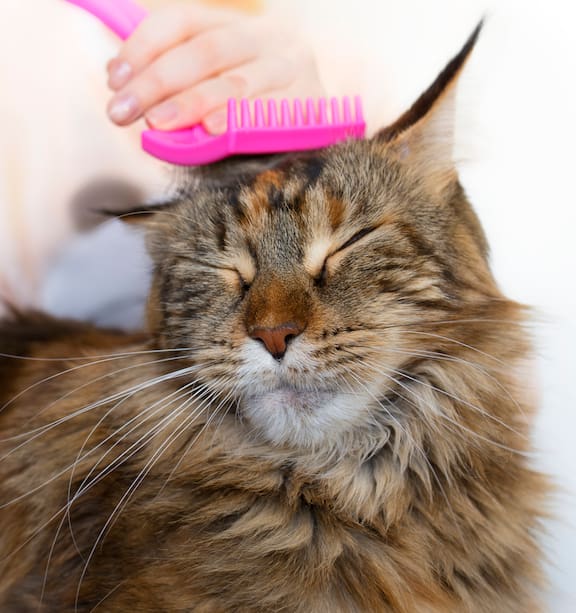
Do you have a cat that hisses, scratches, or runs away every time you try to groom it? You’re not alone.
Grooming a mean cat can feel like a battle, but it doesn’t have to be a nightmare. Imagine turning those tense moments into calm, even enjoyable ones—for both you and your cat. You’ll discover simple, effective ways to tame your cat’s attitude and make grooming easier than ever.
Keep reading, and you’ll learn how to handle your feisty feline with confidence and care.

Credit: www.reddit.com
Preparing Your Cat For Grooming
Getting your mean cat ready for grooming requires more than just grabbing a brush and hoping for the best. It’s about setting the stage for a smoother experience, both for you and your feline friend. Preparation helps reduce stress and resistance, turning a potentially difficult task into a manageable one.
Choosing The Right Tools
Not all grooming tools suit every cat, especially those with a feisty attitude. Look for brushes and combs designed specifically for your cat’s fur type—whether it’s short, long, thick, or fine.
- Soft-bristle brusheswork well for sensitive skin.
- De-shedding toolshelp reduce loose hair without pulling.
- Metal combscan untangle knots but use gently to avoid irritation.
Having the right tools ready reduces grooming time and discomfort, which can calm your cat down faster.
Creating A Calm Environment
Your cat picks up on your energy, so staying calm is key. Find a quiet spot with minimal distractions where your cat feels safe.
Soft lighting, familiar scents, and gentle background noise can help soothe your cat. Try to keep the room warm, as cold environments may make your cat more irritable.
Consider using treats or a favorite toy to create positive associations with grooming sessions. Have you noticed how your cat relaxes when you speak softly or offer a gentle pet before starting?
Recognizing Stress Signals
Understanding when your cat is stressed can save you from scratches and frustration. Watch for signs like:
- Flattened ears
- Tail flicking rapidly
- Hissing or growling
- Trying to escape
- Excessive meowing
Spotting these early helps you pause and give your cat a break. Have you ever caught your cat’s warning signals before things got tense? Paying attention can build trust and make grooming a safer, more successful task.

Credit: petradioshow.com
Brushing Techniques For Difficult Cats
Grooming a mean cat can feel like a challenge, especially when brushing is involved. The key lies in using the right techniques that respect your cat’s mood and physical comfort. Understanding how to brush a difficult cat can turn a stressful task into a bonding experience.
Selecting The Best Brush Type
Choosing the right brush is crucial. Cats with short fur do well with a rubber brush or a fine-toothed comb, which remove loose hair gently without pulling. Long-haired cats need a slicker brush to get through thick fur and prevent tangles.
Try different brushes to see which one your cat tolerates best. Some cats respond better to soft bristles, while others prefer firmer ones. Have you noticed your cat shying away from a particular brush? That’s a sign to switch tools before frustration builds.
Gentle Brushing Methods
Start brushing with slow, calm strokes. Keep your hand steady and avoid sudden movements that might scare your cat. Focus on petting areas your cat enjoys before moving to more sensitive spots.
If your cat resists, try brushing for just a few seconds at first. Gradually increase the time as your cat gets used to the sensation. Have you tried talking softly or offering a treat during brushing? These small rewards can make a big difference.
Dealing With Matted Fur
Matted fur can be painful and frustrating for both you and your cat. Use a dematting comb or a mat splitter carefully to work through tough knots. Always hold the fur close to the skin to reduce pulling and discomfort.
If mats are severe, don’t force them out. Consider trimming small mats with scissors, but be extremely cautious to avoid injury. When was the last time you checked your cat’s fur for hidden mats? Catching them early saves a lot of trouble later.
Bathing A Feisty Feline
Bathing a feisty feline can feel like a battle, but it doesn’t have to be. Understanding the right moments to bathe your cat and using a calm, step-by-step approach can make the process smoother. You’ll also learn how to keep your cat safe and comfortable, turning what seems impossible into a manageable task.
When To Bathe Your Cat
Not all cats need regular baths. Most felines groom themselves well, but sometimes dirt, sticky substances, or skin conditions call for a wash.
Consider bathing if your cat has gotten into something messy, like oil or paint. Another reason is if your cat has a medical issue that requires cleaning, as advised by a vet.
Ask yourself: Is your cat’s fur greasy, smelly, or matted? If yes, it’s time to prepare for a bath. Otherwise, frequent bathing can stress your cat and strip natural oils from their skin.
Step-by-step Bathing Process
- Prepare the area:Use a sink or tub with a non-slip mat to prevent slipping.
- Gather supplies:Mild cat shampoo, a cup for rinsing, towels, and treats for later.
- Brush your cat:Remove tangles and loose fur before wetting.
- Test water temperature:Lukewarm water is best—too hot or cold will upset your cat.
- Wet the fur gently:Use a cup or sprayer, avoiding the face and ears.
- Apply shampoo:Lather carefully, focusing on dirty areas.
- Rinse thoroughly:Soap residue can irritate the skin.
- Dry your cat:Wrap in a towel and gently pat dry. Avoid hair dryers unless your cat tolerates them.
Keeping Your Cat Safe And Comfortable
Feisty cats can become stressed quickly. Keep calm and speak softly to reassure your cat throughout the bath.
Wear long sleeves to protect yourself from scratches. Using treats and gentle strokes after the bath creates positive associations with the experience.
Think about timing: Choose a quiet time when your cat is naturally calmer, like after a play session or meal. Does your cat prefer a quick bath or a slow, gentle approach? Watching their reactions can guide your method.

Credit: nationalcatgroomers.com
Handling Nails And Paws
Handling the nails and paws of a mean cat can feel like a challenge. These areas are sensitive, and your cat may resist strongly. But with patience and the right approach, you can keep your cat’s paws healthy and nails trimmed without a battle.
Trimming Nails Without Stress
Start by choosing a quiet time when your cat is relaxed, such as after a meal or play session. Gently hold one paw and press the pad to extend the nails. Use a sharp nail clipper designed for cats to avoid crushing the nails.
Trim only the sharp tips, avoiding the pink quick to prevent pain and bleeding. If your cat struggles, try wrapping them in a towel to keep them calm and secure. Have treats ready to reward calm behavior, making nail trimming a positive experience.
Checking For Paw Health Issues
Regularly inspect your cat’s paws for cuts, swelling, or foreign objects like splinters. Look between the toes and pads for redness or signs of infection, which can cause discomfort and aggression. If you notice any wounds or unusual lumps, consult your vet promptly.
Keeping an eye on paw health helps prevent problems that might make your cat more defensive during grooming. Have you ever found something unexpected hidden in your cat’s paws?
Using Protective Gear
If your cat is particularly aggressive, consider using protective gloves to prevent scratches. Thick leather gloves offer good protection while allowing you to maintain control. You can also use a soft muzzle if your cat tends to bite, but ensure it’s comfortable and doesn’t cause distress.
Protective gear can give you the confidence to groom your cat safely. What gear have you found helps you stay calm and in control during nail and paw care?
Managing Cat Behavior During Grooming
Grooming a mean cat requires patience and calmness. Use gentle touches and take breaks to avoid stress. Creating a quiet, safe space helps the cat feel more relaxed during grooming.
Managing Cat Behavior During Grooming Grooming a mean cat can be challenging. Cats often dislike being handled. Stress and fear can make grooming difficult. Understanding cat behavior helps manage these challenges. Patience and calmness are essential. Knowing some techniques can make grooming smoother.Using Treats And Positive Reinforcement
Treats help make grooming positive. Reward your cat after each step. Use treats they love. This builds a positive association with grooming. Speak softly to reassure them. Positive reinforcement encourages good behavior.When To Take Breaks
Observe your cat’s mood. Take breaks if they become agitated. Short grooming sessions are better for anxious cats. Breaks prevent stress and aggression. Resume grooming when your cat is calm. This keeps the experience positive.Knowing When To Seek Professional Help
Some cats are too difficult to groom at home. Professional groomers have experience with difficult cats. They use specialized techniques and equipment. Seek help if grooming becomes unsafe. Your veterinarian can also provide advice.Maintaining Grooming Routine
Maintaining a grooming routine with a mean cat can feel like a challenge, but consistency is your best ally. Regular sessions help your cat get used to the process and reduce stress over time. It also keeps your cat’s coat healthy and skin free from irritations.
Setting A Consistent Schedule
Pick specific days and times for grooming your cat and stick to them. Cats thrive on routine, and knowing what to expect can lower their anxiety. Even short, frequent sessions work better than long, sporadic ones.
Try to observe your cat’s mood and energy levels. Groom when they’re calm or sleepy, not when they’re active or agitated. Have you noticed your cat prefers mornings or evenings? Use that to your advantage.
Keeping Records Of Grooming Sessions
Tracking each grooming session helps you notice patterns and improvements. Use a simple notebook or an app to jot down dates, what you did, and how your cat reacted. This can be especially useful if you’re managing a cat prone to aggression.
Record any skin problems, matting, or behavioral changes. This info helps you adjust your approach or seek veterinary advice early. Have you ever found a small issue during grooming that could have gone unnoticed otherwise?
Adjusting Techniques As Your Cat Ages
Your cat’s needs change as they grow older. What worked when they were young might irritate older skin or joints. Be gentle and patient, adapting brushes, grooming duration, and even the frequency.
Older cats may appreciate softer brushes or shorter sessions. Watch for signs of discomfort and respond immediately. How do you know when it’s time to change your grooming style? Listen closely to your cat’s reactions.
Frequently Asked Questions
How Do You Safely Groom An Aggressive Cat?
Start by creating a calm environment. Use treats and gentle strokes to build trust. Avoid sudden movements and use soft brushes. Groom in short sessions to prevent stress and aggression.
What Tools Work Best For Grooming Mean Cats?
Use soft-bristled brushes, grooming gloves, and nail clippers designed for cats. These tools minimize discomfort and help control aggressive behavior during grooming.
How Can I Reduce My Cat’s Grooming Anxiety?
Speak softly and move slowly around your cat. Offer treats and breaks. Gradually increase grooming time to build comfort and reduce anxiety.
When Should I Seek Professional Grooming Help?
If your cat becomes excessively aggressive or stressed, consult a professional groomer or vet. They have experience handling difficult cats safely.
Conclusion
Grooming a mean cat takes patience and care. Stay calm and gentle to gain trust. Use soft brushes and small treats to help. Watch your cat’s mood and take breaks often. Keep grooming sessions short and positive. Over time, your cat may feel more relaxed.
A clean and happy cat lives healthier. Keep trying, and never force your pet. Small steps lead to better grooming days. Your effort will help build a stronger bond.




Leave a Reply