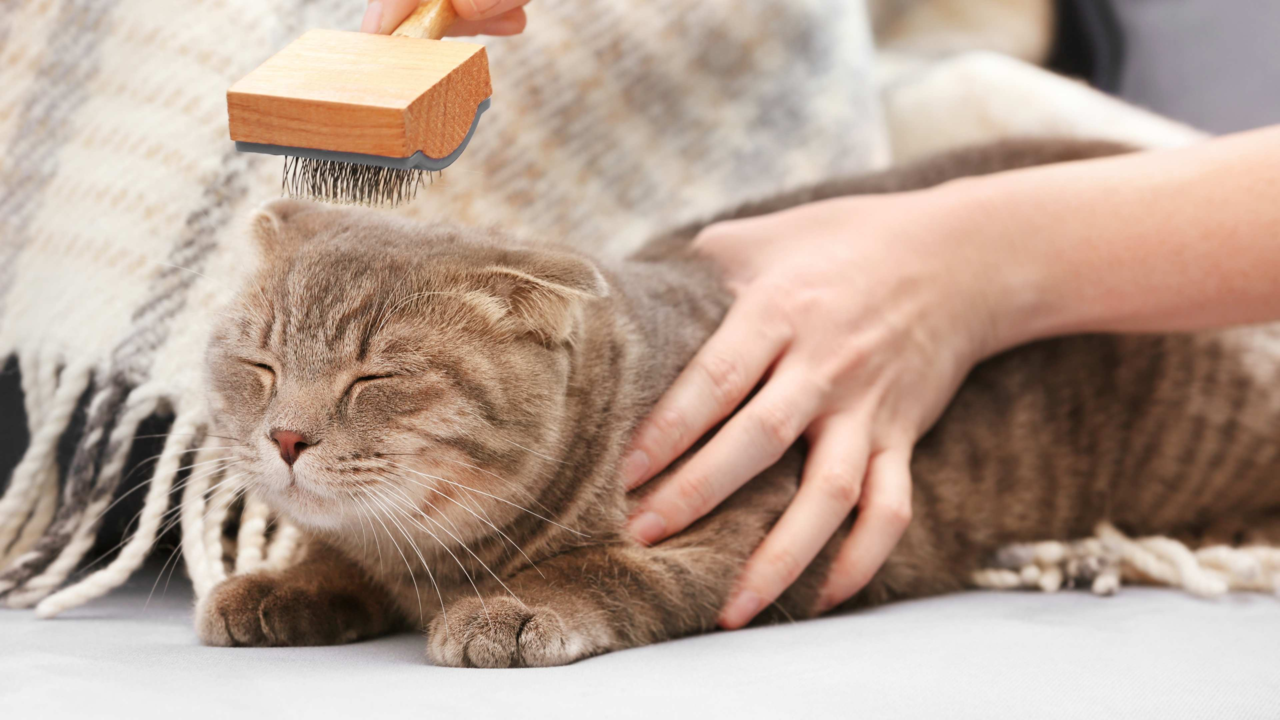
Grooming your cat at home might seem tricky, but it’s easier than you think. When you take care of your cat’s coat, nails, and hygiene yourself, you create a stronger bond and keep your furry friend healthy and happy.
Imagine having a calm, clean cat who loves the attention you give during grooming. In this guide, you’ll discover simple steps and tips to make grooming a stress-free experience for both you and your cat. Ready to learn how to turn grooming time into quality time?
Keep reading!

Credit: www.petscare.com
Choosing The Right Tools
Choosing the right tools is crucial for effective cat grooming at home. The proper equipment makes the process smoother for both you and your cat. It can reduce stress, prevent skin irritation, and help maintain your cat’s coat health.
Think about your cat’s fur type before picking tools. A brush that works well on one breed might not be suitable for another. Are you ready to find the perfect grooming tools that fit your cat’s unique needs?
Brush Types For Different Fur
- Slicker Brushes:Ideal for cats with medium to long fur. They help remove loose hair and prevent mats. I once used a slicker brush on my Maine Coon, and it reduced her shedding noticeably.
- Bristle Brushes:Best for short-haired cats. These brushes help distribute natural oils, keeping the coat shiny. They are gentle and perfect for daily use.
- Deshedding Tools:Designed to reach undercoat layers. Great for cats that shed heavily, like Siberians or Persians. Using a deshedding tool regularly can cut down on hairballs.
- Comb:Useful for detangling and checking for fleas. A metal comb with fine and wide teeth works well for all fur types.
Additional Grooming Supplies
- Nail Clippers:Trimming your cat’s nails prevents scratches and damage to furniture. Choose clippers designed specifically for cats to avoid splitting nails.
- Grooming Wipes:Handy for quick clean-ups between baths. They help remove dirt and dander without stressing your cat.
- Deodorizing Sprays:Keep your cat smelling fresh, especially if they spend time outdoors. Make sure the spray is safe and non-toxic.
- Ear Cleaner:Regular ear checks and cleaning prevent infections. Use a gentle cleaner recommended by your vet.

Credit: www.purina.com
Preparing Your Cat
Preparing your cat for grooming is more than just having the right tools—it’s about setting the stage so your feline friend feels safe and at ease. A calm and comfortable cat will make grooming smoother and more enjoyable for both of you. Let’s look at how to create that ideal environment and help your cat get comfortable before you even reach for the brush.
Creating A Calm Environment
Your cat senses everything around it, so a quiet, peaceful space is key. Choose a familiar room where your cat usually relaxes. Turn off loud TVs or radios to minimize noise distractions.
Soft lighting helps prevent startling your cat. Natural light or a low-watt lamp works well. Avoid sudden movements or quick gestures that might scare your cat.
Consider playing gentle, soothing music. Some cats respond well to classical or soft instrumental sounds. Have treats handy to reward calm behavior and build positive associations.
Getting Your Cat Comfortable
Before grooming, spend a few minutes petting your cat in its favorite spots. This lets your cat know you’re there to help, not to cause stress. Watch for signs of relaxation like purring or kneading.
Introduce grooming tools slowly. Let your cat sniff and explore the brush or comb without using it at first. This reduces fear of the unknown and builds curiosity instead.
If your cat resists, try short sessions of just a minute or two. Gradually increase the time as your cat gets used to the process. Patience here pays off—rushing can make your cat anxious next time.
Have you noticed how your cat reacts to touch in different areas? Use this knowledge to start grooming where your cat likes being touched most. This approach makes the experience more pleasant and cooperative.
Brushing Techniques
Brushing your cat is more than just a grooming task; it’s a chance to strengthen your bond and keep your feline friend comfortable. Different coat types need different approaches, so understanding how to brush your cat properly is key. Let’s break down brushing techniques based on your cat’s fur length and how to handle those pesky mats and tangles.
Short-haired Cats
Short-haired cats usually require less intensive grooming, but regular brushing still helps remove loose fur and reduce shedding. Use a soft-bristled brush or a grooming glove to gently stroke in the direction of hair growth.
Start with short sessions to let your cat get used to the sensation. Pay attention to sensitive areas like the belly and tail base, and avoid pressing too hard.
Have you noticed how your cat’s mood changes after a gentle brushing? It’s a sign they appreciate the care.
Long-haired Cats
Long-haired cats need more frequent brushing to prevent mats and tangles. A wide-toothed comb followed by a slicker brush works well to detangle and smooth their fur.
Brush in small sections, moving from the head down to the tail. Be patient and calm, especially if your cat is not used to grooming.
Try to brush your long-haired cat daily to keep their coat healthy and shiny. What challenges have you faced with your cat’s long fur?
Handling Mats And Tangles
Mats can be uncomfortable and even painful for your cat, so address them carefully. Use your fingers to gently tease apart small tangles before using a comb or mat splitter.
Never pull hard on a mat, as this can hurt your cat. If a mat is too tight, consider trimming it carefully or consulting a professional groomer.
Remember, patience is your best tool here. How do you keep your cat calm during these tricky grooming moments?
Bathing Tips
Grooming a cat at home involves gentle brushing and occasional baths. Use a mild shampoo made for cats. Always ensure the water is warm and rinse thoroughly to prevent irritation.
Grooming your cat at home can be a rewarding experience for both you and your feline friend. While some cats naturally keep themselves clean, there are occasions when a bath becomes necessary. Understanding the right techniques and tips for bathing your cat can make the process smoother and less stressful. Dive into these bathing tips to ensure your cat remains calm and clean.When To Bathe Your Cat
You might wonder if your cat even needs a bath. Cats are meticulous self-groomers, but certain situations demand a little extra help from you. If your cat has gotten into something sticky or smelly, or if they have a skin condition, a bath might be necessary. Short-haired cats generally require fewer baths than their long-haired counterparts. Consider your cat’s lifestyle and health to decide on the frequency. Always observe how your cat reacts to water exposure to gauge their comfort level.Safe Bathing Steps
Preparation is key to a successful cat bath. Gather all necessary supplies like pet-safe shampoo, a cup, and a towel beforehand.- Fill a tub or sink with lukewarm water, just enough to reach your cat’s belly.
- Gently wet your cat using the cup, avoiding their face and ears.
- Apply a small amount of shampoo, lathering gently from neck to tail.
- Rinse thoroughly to remove all soap residue.
Drying Your Cat Properly
Once the bath is complete, it’s time to dry your cat. Gently wrap them in a towel to absorb excess water. Consider using a second dry towel to ensure they’re completely dry. If your cat tolerates it, you can use a hairdryer on the lowest setting, keeping it at a distance to avoid overheating. Ensure your cat is warm and comfortable after their bath. Observe their behavior; a relaxed cat indicates a successful grooming session. Bathing your cat at home doesn’t have to be a daunting task. With the right approach, it can become a pleasant routine that strengthens your bond. How do your grooming sessions go with your cat? Share your experiences and tips to help fellow cat owners!Nail Care And Ear Cleaning
Nail care and ear cleaning are essential parts of grooming a cat at home. These tasks keep your cat comfortable and healthy. Regular nail trimming prevents scratches and damage to furniture. Cleaning ears helps avoid infections and discomfort. Both need gentle handling to keep your cat calm and safe.
Trimming Nails Safely
Choose a quiet spot to trim your cat’s nails. Use special cat nail clippers for best results. Hold one paw gently and press the pad to extend the nail. Cut only the sharp tip, avoiding the pink part called the quick. The quick contains blood vessels and nerves. Cutting it causes pain and bleeding.
- Trim nails every 2-3 weeks.
- Use a soft voice to calm your cat.
- Have styptic powder ready to stop bleeding if needed.
- Reward your cat with treats after trimming.
Cleaning Ears Gently
Check your cat’s ears for dirt, wax, or bad smell. Use a soft cloth or cotton ball dampened with a vet-approved ear cleaner. Never insert cotton swabs deep into the ear canal. Gently wipe only the visible parts inside the ear flap. Stop if your cat shows signs of pain or discomfort.
- Clean ears once a month or as needed.
- Look for redness or swelling, which may need vet care.
- Keep your cat calm by speaking softly during cleaning.
- Use ear cleaner recommended by your veterinarian.

Credit: justcatsclinic.com
Managing Shedding
Managing shedding is an important part of grooming a cat at home. Cats lose fur naturally, and this can increase during certain times of the year. Controlling shedding helps keep your home cleaner and your cat more comfortable. Regular grooming removes loose fur before it falls out around your house.
Seasonal Shedding Patterns
Cats shed more during spring and fall. This happens as they prepare for warmer or cooler weather. In spring, they lose their thick winter coat. In fall, they shed lighter summer fur to grow a thicker coat.
Indoor cats may shed less because of stable temperatures. But changes in daylight still affect their fur. Watching your cat’s shedding habits helps plan grooming sessions better.
Reducing Loose Fur
Brushing your cat often removes loose fur before it spreads. Use a brush suited to your cat’s fur type. Short-haired cats need a soft bristle brush. Long-haired cats benefit from a comb or slicker brush.
- Brush gently to avoid hurting the cat’s skin.
- Focus on areas where fur sheds most, like the back and neck.
- Brush daily during heavy shedding seasons.
Bathing your cat can help reduce shedding too. Use a mild cat shampoo and dry thoroughly. This keeps the skin healthy and fur less likely to fall out.
Signs Of Skin Problems
Noticing changes in your cat’s skin or fur during grooming can be crucial for catching health issues early. Skin problems often hide beneath the surface but show clear signs if you know what to look for. Paying close attention to these signs can help you protect your cat’s comfort and wellbeing.
Common Skin Issues
There are several skin problems that cats commonly face. You might see:
- Redness or inflammation:This often points to irritation or allergies.
- Dry, flaky patches:These can be caused by poor nutrition, parasites, or environmental factors.
- Bumps or scabs:These may signal infections or insect bites.
- Hair loss:If your cat has bald spots or thinning fur, it could mean fleas, mites, or fungal infections.
- Excessive scratching or licking:This behavior usually means discomfort and should never be ignored.
When I first groomed my cat, I noticed a tiny scab behind her ear. It was easy to miss, but catching it early helped me get her treatment quickly. Have you ever spotted something unusual during grooming that made you pause?
When To Consult A Vet
Some skin issues need more than home care. If you see persistent redness, swelling, or your cat is scratching nonstop, it’s time to get professional help.
Also, any open wounds, oozing sores, or rapid hair loss require a vet’s attention. Even if you’re unsure, a quick checkup can prevent bigger problems.
Remember, your cat can’t tell you what hurts, so your observations are key. Would you wait and watch or call your vet right away if your cat showed these signs?
Making Grooming A Routine
Making grooming a regular part of your cat’s life can transform a once stressful experience into a calm and even enjoyable routine. Consistency helps your cat know what to expect, reducing anxiety and resistance. You’ll find grooming sessions become smoother and more efficient over time.
Building Consistency
Set a specific time and place for grooming your cat. Cats appreciate routine, so try to groom them at the same time each day or week. This helps your cat get used to the process and builds trust.
Keep the grooming session short at first—just a few minutes—and gradually increase the time as your cat becomes more comfortable. Use the same tools every time to avoid surprises. Have everything ready before you start to keep the session calm and focused.
Positive Reinforcement
Reward your cat immediately after grooming with treats, gentle petting, or playtime. Positive reinforcement helps your cat associate grooming with good things, making them more willing to participate.
Pay attention to what your cat enjoys most—some cats prefer a particular treat or a favorite toy. Use these rewards consistently to encourage cooperation. If your cat shows signs of stress, pause and soothe them before continuing.
Frequently Asked Questions
How Often Should I Groom My Cat At Home?
Groom your cat at least once a week to maintain healthy fur. Long-haired cats may need grooming more often, around 2-3 times weekly. Regular grooming reduces shedding, prevents mats, and keeps your cat comfortable.
What Tools Do I Need For Grooming A Cat?
Use a slicker brush, comb, nail clippers, and grooming wipes. These tools help remove loose fur, prevent tangles, trim nails, and keep your cat clean. Choose gentle, cat-specific grooming tools for the best results.
How Do I Safely Trim My Cat’s Nails?
Trim nails slowly and carefully using cat nail clippers. Avoid cutting the pink quick to prevent pain and bleeding. If unsure, trim only the sharp tips and reward your cat to stay calm.
Can Grooming Reduce My Cat’s Shedding?
Yes, regular grooming removes loose fur and reduces shedding. Brushing helps distribute natural oils, promoting a healthy coat. This keeps your home cleaner and your cat more comfortable.
Conclusion
Grooming your cat at home keeps them healthy and happy. Regular brushing removes dirt and loose fur. It also helps reduce hairballs. Using the right tools makes grooming easier. Take your time and be gentle. Your cat will enjoy the attention and care.
Small steps create a strong bond between you. Keep a routine to make grooming normal. Soon, your cat will look and feel great. Simple actions make a big difference in pet care.




Leave a Reply