Have you ever wondered how professionals keep cats looking so clean and fluffy? Cat grooming might seem simple, but there’s a lot more to it than just brushing fur.
If you want to know the secrets behind a well-groomed cat and how it can make your furry friend happier and healthier, you’re in the right place. By the end of this article, you’ll discover easy tips and expert tricks that can change the way you care for your cat forever.
Ready to learn how they do cat grooming like a pro? Let’s dive in!
Preparing Your Cat For Grooming
Preparing your cat for grooming helps make the process smooth and stress-free. Cats can be sensitive, so getting them ready is important. It builds trust and makes grooming easier for both of you. Start by understanding your cat’s mood and setting up a calm space. Then, gather all the tools you need to avoid interruptions. Good preparation leads to a happy grooming experience.
Choosing The Right Time
Pick a time when your cat feels relaxed and calm. Avoid moments after meals or during playtime. Quiet times, like after a nap, work best. Watch your cat’s behavior to find the right moment. Grooming works better when your cat is not restless or anxious.
Setting Up A Calm Environment
Create a quiet and peaceful space for grooming. Turn off loud noises like TVs or radios. Use soft lighting to keep the area gentle on your cat’s eyes. A comfortable surface, like a towel or mat, helps your cat feel secure. Keep the room warm to prevent your cat from feeling cold.
Gathering Essential Grooming Tools
Have all your grooming tools ready before you start. This includes brushes, combs, nail clippers, and wipes. Choose tools that suit your cat’s coat type and size. Keep treats nearby to reward your cat during and after grooming. Being prepared means no sudden stops or searching for items.
Brushing Techniques For Different Coats
Brushing your cat’s coat isn’t a one-size-fits-all task. Different coat types need different care to keep your feline friend comfortable and looking their best. Understanding these brushing techniques can help you maintain your cat’s health and shine.
Short-haired Cats
Short-haired cats usually need less brushing, but that doesn’t mean they should be overlooked. Use a soft-bristle brush or a rubber grooming mitt to gently remove loose hair and dirt.
Brush in the direction of hair growth to avoid irritating your cat’s skin. Spending just a few minutes a week can reduce shedding and prevent hairballs.
Have you noticed how much less hair ends up on your furniture after a quick brushing session? That’s the kind of payoff you want!
Long-haired Cats
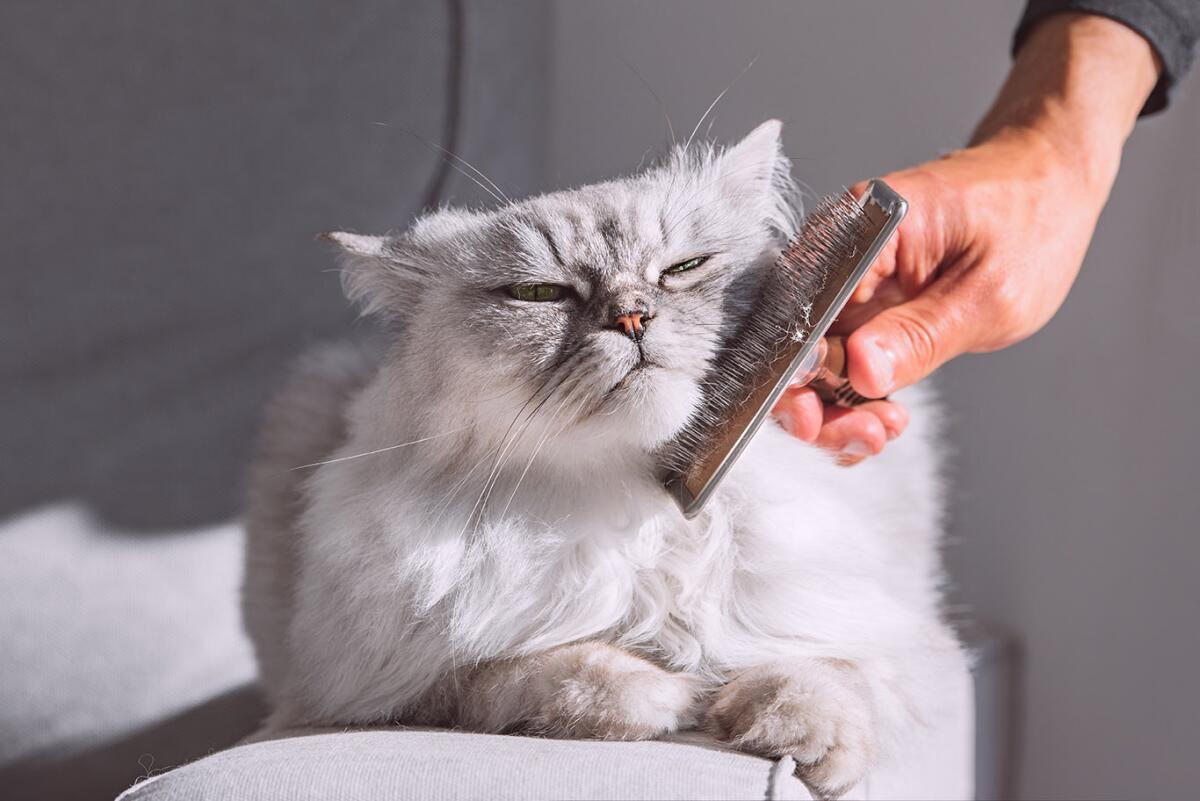
Long-haired cats require more attention and patience. Use a wide-toothed comb first to detangle and follow up with a fine-toothed comb or slicker brush to smooth the coat.
Be gentle and work in small sections. This helps avoid pulling on the hair, which can hurt your cat and make grooming a struggle.
Consistency matters here—daily brushing prevents tangles and keeps the fur silky. Have you tried sitting down with your cat and making grooming a bonding moment?
Dealing With Mats And Tangles
Mats can be painful and uncomfortable for cats, so it’s important to tackle them carefully. Start by holding the fur close to the skin to reduce pulling, then gently work through the mat with your fingers or a dematting comb.
If the mat is stubborn, use a specialized mat splitter or seek professional help. Never cut mats out yourself—you might accidentally hurt your cat.
Regular brushing reduces mats, but what’s your strategy when you discover a tough tangle? Patience and the right tools make all the difference.
Bathing Tips For Cats
Bathing cats can be tricky. Many cats dislike water and get stressed easily. Proper preparation and gentle handling make the bath easier for both you and your cat. Using the right products and following the correct steps helps keep your cat clean and comfortable.
Selecting Cat-friendly Shampoos
Choose shampoos made specifically for cats. These shampoos are gentle on their skin and fur. Avoid human or dog shampoos as they can irritate your cat’s skin. Look for shampoos labeled “hypoallergenic” or “tear-free” for extra safety. Natural ingredients like aloe or oatmeal help soothe sensitive skin.
Step-by-step Bathing Process
- Brush your cat’s fur before the bath to remove loose hair and tangles.
- Fill a sink or tub with a few inches of lukewarm water.
- Gently place your cat in the water, keeping calm and steady movements.
- Use a cup or hand sprayer to wet your cat’s fur slowly.
- Apply a small amount of cat shampoo and lather carefully, avoiding eyes and ears.
- Rinse thoroughly with lukewarm water until no shampoo remains.
Drying Your Cat Safely
Wrap your cat in a large, soft towel immediately after the bath. Pat the fur gently to remove excess water. Avoid rubbing, which can tangle fur and irritate skin. Use a quiet, low-heat hairdryer if your cat tolerates it. Keep the dryer moving and maintain some distance from the skin. Make sure your cat stays warm until fully dry.
Nail Care And Trimming
Nail care is a vital part of cat grooming that often gets overlooked. Keeping your cat’s nails trimmed not only prevents accidental scratches but also helps avoid painful issues like ingrown nails or infections. Understanding how to care for your cat’s nails properly can make the whole process easier and less stressful for both of you.
Tools For Nail Trimming
Choosing the right tools can make nail trimming smoother and safer. Most groomers prefer using specialized cat nail clippers, which come in two main types:
- Scissor-style clippers:Resemble small scissors and provide precise cuts.
- Guillotine clippers:Have a hole where the nail is inserted and a blade that slices when squeezed.
Some also use nail grinders to smooth sharp edges after clipping. Having styptic powder nearby is smart—it helps stop bleeding if you accidentally cut too close.
How To Trim Without Stress
Many cats resist nail trimming, but patience and calmness can change that. Start by gently handling your cat’s paws during quiet moments, rewarding them with treats or praise.
Trim just the sharp tips of the nails to avoid the quick—the pink area containing nerves and blood vessels. If you’re unsure where the quick ends, trim small amounts gradually to prevent pain.
Keeping sessions short and positive helps your cat build trust. Ask yourself: could your cat’s anxiety be reduced by changing the environment or your approach?
Handling Nail Problems
Sometimes nails grow too long or become damaged. Overgrown nails can curl into paw pads, causing discomfort or infection. If you notice swelling, redness, or limping, consult your vet promptly.
Splits and breaks are common, especially in active cats. Clean the area with antiseptic and trim the broken nail carefully to prevent snagging. If the injury is severe, professional care is necessary.
Do you keep an eye on your cat’s nails regularly enough to catch issues early? Regular inspection helps you spot problems before they worsen.
Cleaning Ears And Eyes
Cleaning a cat’s ears and eyes involves careful attention to detail. Gently wipe the ears with a damp cloth. For eyes, use a soft, moist cotton ball to remove any discharge. Regular grooming helps maintain your cat’s health and comfort.
Keeping your cat’s ears and eyes clean is a vital part of their grooming routine. These areas can harbor dirt and wax, leading to discomfort or even infections. Regular cleaning not only maintains your cat’s health but also strengthens the bond between you and your furry friend. Let’s delve into how you can safely care for your cat’s ears and eyes.Safe Ear Cleaning Methods
Cleaning your cat’s ears doesn’t have to be a daunting task. Start by gently inspecting their ears for any signs of redness or a bad odor, which might indicate an infection. Use a soft cloth or a cotton ball dampened with a vet-recommended ear cleaner. Avoid using cotton swabs, as they can push dirt further into the ear canal. Instead, wipe away any visible dirt or wax from the outer part of the ear. If you’re unsure about the process, your vet can offer a demonstration or further advice.Eye Care For Common Issues
Cats can experience various eye issues like tear staining or discharge. Keeping an eye on these signs can help catch potential problems early. Use a soft, damp cloth to gently wipe away any debris around the eyes. Be cautious not to touch the eyeball itself. If you notice persistent redness or swelling, consult your vet. They can provide specific treatments or check for underlying issues. Regular checks ensure your cat’s eyes remain bright and healthy. When was the last time you checked your cat’s ears and eyes? Taking these small steps can make a big difference in their comfort and health.Dealing With Grooming Challenges
Grooming cats can be tricky. Many cats do not enjoy the process. Their fur might tangle or mats can form. Some cats feel scared or stressed. Knowing how to handle these challenges helps make grooming easier for both you and your cat.
Handling Anxious Cats
Some cats become nervous during grooming. They may hide or try to run away. Speak softly to calm them down. Use slow and gentle movements. Stop if your cat shows signs of stress.
Try to create a quiet space for grooming. Use a soft brush to avoid pain. Give treats to reward good behavior. Short grooming sessions work best for anxious cats. Patience and calmness help build trust over time.
When To Seek Professional Help
Sometimes grooming is too hard to do at home. Cats with severe mats or skin problems need expert care. Groomers have special tools and skills. They know how to handle difficult cats safely.
Visit a professional if your cat:
- Has thick mats that won’t come out
- Shows strong fear or aggression during grooming
- Needs nail trimming but resists strongly
- Has skin issues needing treatment
Professional groomers help keep your cat healthy and comfortable. They reduce stress and prevent injuries during grooming.
Maintaining Grooming Between Sessions
Maintaining grooming between professional sessions is key to keeping your cat healthy and happy. Regular care helps prevent mats, reduces shedding, and supports overall skin and coat health. This ongoing routine makes grooming easier and more comfortable for your cat.
Daily Grooming Habits
Daily grooming keeps your cat’s coat clean and tangle-free. Use a soft brush designed for cats to remove loose fur. Brushing also helps spot skin issues early, like bumps or redness. Focus on gentle strokes, especially around sensitive areas like the belly and tail.
Check your cat’s ears and eyes for dirt or discharge. Wipe gently with a damp cloth if needed. Trim nails regularly to avoid scratches. Daily grooming builds trust and strengthens your bond with your cat.
Diet And Its Impact On Coat Health
A healthy diet directly affects your cat’s fur quality. Foods rich in omega-3 and omega-6 fatty acids improve shine and softness. Protein supports strong hair growth and skin repair. Hydration also plays a big role; ensure your cat drinks enough water daily.
Choose high-quality cat food with balanced nutrients. Avoid sudden diet changes that can upset your cat’s digestion and coat. Consult your vet for diet advice tailored to your cat’s needs.
Frequently Asked Questions
What Tools Are Used In Professional Cat Grooming?
Professional groomers use brushes, combs, nail clippers, and specialized cat shampoos. Clippers and dryers designed for cats ensure safety and comfort during grooming.
How Often Should Cats Be Professionally Groomed?
Most cats benefit from grooming every 4 to 8 weeks. Regular grooming prevents matting, reduces shedding, and maintains healthy skin and coat.
Can All Cats Handle Professional Grooming Sessions?
Most cats can adapt to grooming with patience and gentle handling. Professionals use calming techniques to reduce stress and make grooming safe for all cats.
What Are The Main Steps In Cat Grooming?
Cat grooming involves brushing, bathing, nail trimming, ear cleaning, and sometimes hair trimming. Each step helps maintain hygiene and overall cat health.
Conclusion
Cat grooming keeps your pet healthy and happy. Regular brushing stops hairballs and mats. Baths help remove dirt and loose fur. Nail trimming prevents scratches and pain. Clean ears reduce infections and discomfort. Groomers use gentle tools and calm methods.
They know how to handle shy cats. Grooming also helps you check for problems. Try to groom your cat at home often. It strengthens your bond and trust. Small steps make grooming easier each time. Your cat will thank you with purrs and love.

Leave a Reply