Is your cat spending too much time licking and biting its fur? Over grooming can lead to sore spots, hair loss, and even infections.
You love your furry friend, and seeing them in discomfort is painful. But don’t worry—you’re not alone, and there are ways to help your cat feel better. You’ll discover simple, effective steps to stop your cat’s over grooming and bring back their happy, healthy self.
Keep reading—you owe it to your cat to find out how.
Causes Of Over Grooming
Over grooming in cats can be frustrating to witness and tough to manage. Understanding why your cat is excessively grooming is the first step to helping them find relief. Several causes can trigger this behavior, ranging from health problems to emotional stress. Let’s break down the main reasons behind over grooming so you can better address your cat’s needs.
Medical Issues
Sometimes, over grooming signals an underlying medical problem. Skin infections, wounds, or pain can make your cat lick or bite a specific area repeatedly. Arthritis or other joint issues might also cause discomfort, leading to excessive grooming as a way to soothe themselves.
Have you checked if your cat has any visible injuries or unusual lumps? A vet visit can rule out these causes and provide treatment if needed.
Stress And Anxiety
Stress is a powerful trigger for over grooming. Changes in the household, such as moving, new pets, or unfamiliar visitors, can make your cat anxious. Grooming acts as a coping mechanism to manage these feelings.
Think about recent changes in your cat’s environment. Could your cat be feeling insecure? Offering consistent routines and safe spaces might reduce their anxiety and grooming urges.
Environmental Factors
Your cat’s surroundings play a big role in their grooming habits. Lack of stimulation or boredom can lead to over grooming as a way to pass time. On the other hand, noisy or overcrowded environments can increase stress levels.
Consider whether your cat has enough toys and playtime. Are there quiet spots where your cat can relax? Improving their environment can make a noticeable difference.
Allergies And Parasites
Allergies often cause itchy skin, pushing your cat to groom excessively. These allergies can come from food, pollen, or dust mites. Fleas and other parasites are common culprits that cause intense itching.
Have you checked your cat for fleas recently? Treating allergies and parasites with the help of your vet is crucial to stop the cycle of over grooming.
Signs To Watch For
Noticing your cat over grooming can be worrying. The first step to helping your furry friend is spotting the right signs early. Paying close attention to their skin and behavior can reveal if their grooming has crossed the healthy line.
Bald Patches
Bald patches are a clear warning sign. If you see areas where the fur is missing or thinning, it’s time to act. Sometimes these patches appear suddenly and might be uneven or rough to the touch.
Check spots your cat can easily reach, like their belly, legs, or around the neck. These patches may look small at first but can spread quickly if ignored. Have you noticed any unusual fur loss during your pet’s usual cuddle time?
Red Or Irritated Skin
Redness or irritated skin often follows excessive grooming. Your cat’s skin might look inflamed, scaly, or even have tiny wounds. This irritation can be a sign of allergies, infections, or stress.
Touch the affected area gently—does your cat react by pulling away or licking more? This behavior suggests discomfort that needs attention. Skin irritation is not just a cosmetic issue; it can lead to infections if left untreated.
Excessive Licking Habits
Pay attention to how often your cat licks itself. Normal grooming is quick and purposeful, but over grooming involves intense, repetitive licking. You might find your cat focusing on one spot for long periods.
Observe if your cat licks more during certain times, like when you leave the house or during loud noises. This can hint at anxiety or boredom driving the behavior. Have you caught your cat in a licking frenzy late at night or after stressful events?
Veterinary Care
Veterinary care plays a crucial role in addressing your cat’s over grooming. Sometimes, excessive grooming is a sign of an underlying health issue that only a professional can identify. Getting timely help from your vet can prevent further discomfort and complications for your feline friend.
When To Visit The Vet
Notice if your cat is grooming so much that it causes bald spots, sores, or scabs. These are clear signals that you should schedule a vet visit. Also, if your cat suddenly starts over grooming without any obvious cause, don’t wait—early intervention can make a big difference.
Have you seen your cat licking or biting the same spot repeatedly for days? This behavior often points to pain, allergies, or stress that your vet needs to evaluate. Ignoring these signs can lead to infections or chronic skin problems.
Diagnostic Tests
Your vet might run several tests to find out why your cat is over grooming. Skin scrapings and allergy tests are common methods to identify infections or allergic reactions. Blood tests can reveal hormonal imbalances or internal conditions that trigger grooming behavior.
Sometimes, your vet may suggest a stool test to check for parasites. These tiny invaders can cause itching and discomfort, making your cat groom excessively. Diagnostic imaging like X-rays or ultrasounds might also be necessary if an internal issue is suspected.
Treatment Options
Treatment depends on what your vet discovers during diagnosis. If parasites or infections are the cause, medications like antibiotics or anti-parasitic treatments will be prescribed. For allergies, your vet may recommend special diets or antihistamines to reduce your cat’s irritation.
Stress-related grooming often requires a different approach, including environmental enrichment or calming products. Sometimes, behavior modification or anxiety medication is necessary to help your cat feel more secure. Remember, you and your vet are partners in finding the best solution for your cat’s comfort and health.
Home Remedies
Over grooming in cats can cause skin damage and discomfort. Home remedies offer gentle ways to calm your cat and reduce this behavior. These remedies focus on soothing, nutrition, and natural care. They support your cat’s health without harsh chemicals or treatments.
Soothing Baths
A warm, gentle bath can help calm irritated skin. Use a mild cat shampoo made for sensitive skin. Avoid hot water to prevent dryness or burns. Pat your cat dry with a soft towel after the bath. Baths can remove allergens and dirt that may cause itching.
Try adding a few drops of oatmeal-based pet shampoo. Oatmeal soothes inflammation and reduces itchiness. Keep baths short to avoid stressing your cat. Regular baths may improve your cat’s skin condition slowly over time.
Natural Supplements
Natural supplements can reduce stress and improve skin health. Omega-3 fatty acids support skin repair and reduce inflammation. Fish oil capsules or liquid can be mixed with food. Probiotics help balance your cat’s gut, boosting the immune system.
Herbal supplements like chamomile or valerian root promote relaxation. Use only pet-safe products and consult your vet before starting supplements. Natural supplements work best alongside other home remedies.
Diet Adjustments
Food plays a big role in your cat’s skin health. Switch to a high-quality diet with fewer fillers and artificial ingredients. Choose formulas rich in protein and essential fatty acids. Consider hypoallergenic diets if your cat has food sensitivities.
Fresh water should always be available to keep skin hydrated. Adding wet food can increase moisture intake. Proper nutrition helps reduce itching and supports overall well-being.
Behavioral Strategies
Over grooming in cats can be a sign of stress or boredom. Addressing these behaviors with the right strategies can help. Behavioral strategies focus on reducing stress, engaging play, and enriching the environment. These approaches can guide your cat toward healthier habits.
Reducing Stress
Cats often groom excessively due to stress. Identifying stressors is crucial. Common triggers include changes in the environment, new pets, or loud noises. Reduce these triggers to help your cat feel secure. Create a calm space for your cat. A quiet room with their favorite items can work wonders. Regular routines also help. Feed and play with your cat at the same times daily.
Interactive Playtime
Playtime reduces stress and redirects grooming behavior. Use toys that mimic prey, like feather wands or laser pointers. This stimulates your cat’s hunting instincts. Schedule regular play sessions. Even 10 minutes twice a day can make a difference. Interactive play also strengthens the bond between you and your cat. This bond can reduce anxiety and over grooming.
Environmental Enrichment
Enrich your cat’s environment to keep them entertained. Provide scratching posts and cat trees. These encourage natural behaviors and reduce boredom. Place a perch near a window. Cats love watching the world outside. Rotate toys to keep playtime exciting. New experiences can prevent over grooming. Consider puzzle feeders too. They engage your cat’s mind and offer a rewarding challenge.
Preventing Recurrence
Stopping your cat from over grooming requires more than just treatment. Preventing the behavior from returning is key. This means creating habits and routines that support your cat’s health and comfort. Consistent care helps your cat feel secure and reduces stress, which often triggers over grooming.
Regular Grooming Routine
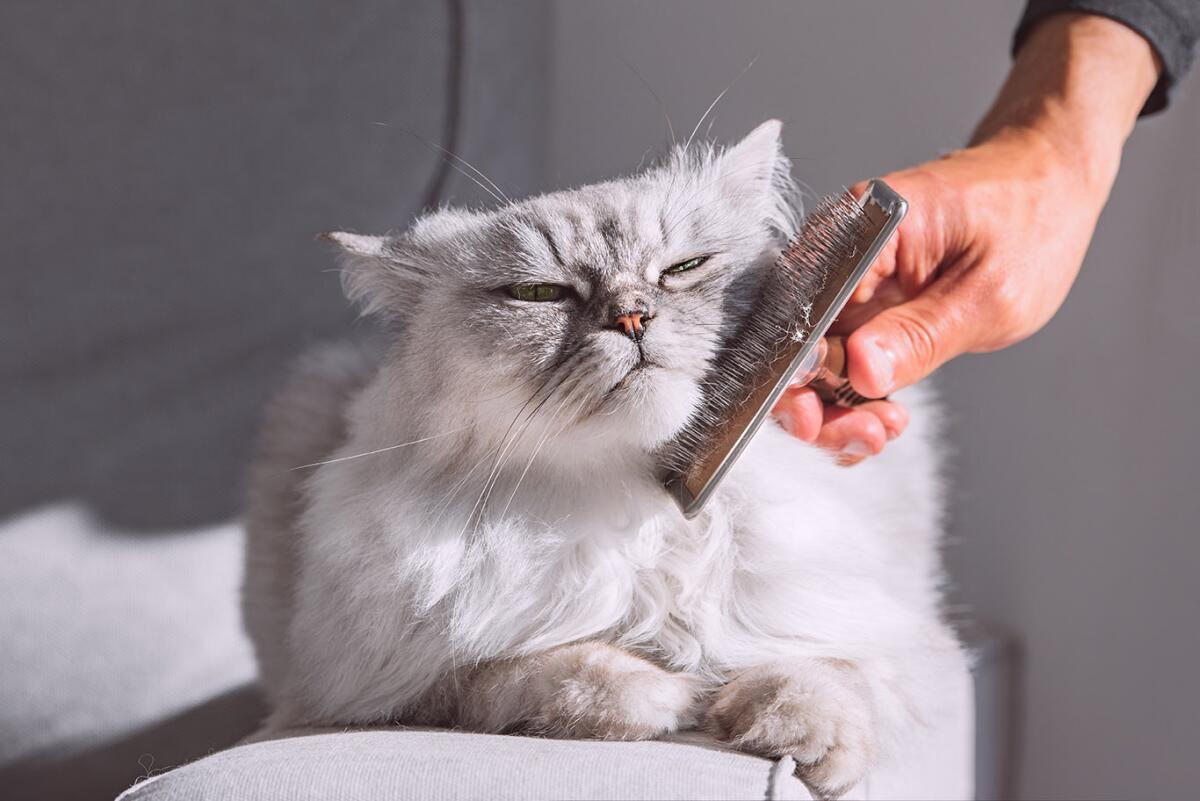
Establish a daily grooming schedule to keep your cat’s fur clean and healthy. Brushing removes loose hair and prevents mats that irritate the skin. It also helps you spot any skin problems early. Use a gentle brush suited for your cat’s fur type. Make grooming a calm and positive experience with soft strokes and breaks as needed.
Monitoring Health
Keep a close eye on your cat’s skin and behavior. Look for redness, bald spots, or wounds. Note any signs of itching or discomfort. Check if your cat is grooming more than usual. Early detection of skin issues or allergies can prevent over grooming. Make adjustments to diet or environment if you suspect triggers.
Consistent Vet Checkups
Schedule regular visits to the veterinarian for thorough checkups. Vets can identify underlying problems causing over grooming. These include allergies, parasites, or stress-related conditions. Follow vet advice on treatments and preventive measures. Regular health checks keep your cat in good condition and lower the chance of over grooming returning.
Frequently Asked Questions
Why Is My Cat Over Grooming Itself?
Cats over groom due to stress, allergies, or skin infections. Identifying the cause helps in effective treatment. Consult a vet for an accurate diagnosis and care plan.
How Can I Reduce My Cat’s Grooming Behavior?
Provide environmental enrichment, reduce stress, and use calming products. Regular vet checkups ensure no underlying health issues cause over grooming.
When Should I See A Vet For Over Grooming?
Visit a vet if your cat has bald patches, wounds, or persistent itching. Early intervention prevents further skin damage and discomfort.
Can Diet Affect My Cat’s Grooming Habits?
Yes, allergies or poor nutrition can cause skin irritation. Switching to hypoallergenic or quality food may reduce over grooming.
Conclusion
Stopping your cat’s over grooming takes patience and care. Watch your cat’s behavior closely. Offer plenty of toys and attention to reduce stress. Keep your cat’s environment calm and safe. If the problem lasts, visit a vet for advice. Small changes can make a big difference.
Your cat will feel happier and healthier soon. Consistency is key to helping your furry friend.

Leave a Reply