Is your cat spending too much time licking and grooming? You might be worried about their health and comfort—and you’re right to be.
Excessive grooming can cause painful skin problems and even signal deeper issues. But don’t worry, you’re not alone, and there are simple ways to help your furry friend feel better. Keep reading to discover why your cat is over-grooming and what you can do right now to stop it before it gets worse.
Your cat’s happiness and health depend on it.
Causes Of Excessive Grooming
Excessive grooming in cats can be puzzling and concerning. Understanding why your cat is over-grooming is the first step to helping them. Let’s look at the common causes that might be driving this behavior.
Medical Issues
Health problems often trigger excessive grooming. Skin infections, parasites like fleas, or wounds can make your cat lick or chew their fur too much. If your cat suddenly starts grooming more, a vet visit is a must to rule out underlying medical causes.
Stress And Anxiety
Your cat may groom excessively as a way to cope with stress or anxiety. Changes in their environment, such as moving to a new home or adding a new pet, can trigger this behavior. Have you noticed if your cat grooms more after loud noises or when left alone?
Allergies And Skin Problems
Allergies to food, pollen, or chemicals can cause itchiness, leading your cat to groom excessively. Skin conditions like dermatitis also cause discomfort, pushing your cat to lick or bite irritated areas. Identifying and removing allergens can significantly reduce this behavior.
Boredom And Lack Of Stimulation
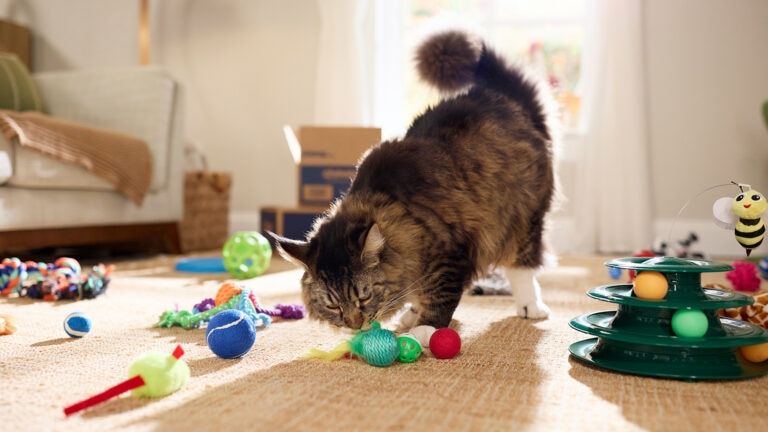
A bored cat may groom out of sheer boredom. Without enough mental or physical activity, your cat turns to grooming as a way to pass time. Try adding interactive toys or play sessions to see if your cat’s grooming decreases.
Signs To Watch For
Excessive grooming in cats can signal health or stress issues. Observing your cat closely helps identify problems early. Some signs are easy to spot, while others need careful watching. Knowing these signs guides you to act swiftly for your cat’s well-being.
Bald Patches And Redness
Check your cat’s skin for bald spots. These often appear where your cat grooms most. Red or inflamed areas show irritation. Such skin changes suggest over-grooming or allergies. They may cause pain or discomfort to your cat.
Behavioral Changes
Notice if your cat acts differently. Signs include restlessness or hiding more than usual. Your cat may seem anxious or nervous. Excessive licking can be a reaction to stress. Changes in mood often link to health or environmental issues.
Frequency And Duration Of Grooming
Watch how often your cat grooms. Normal grooming is brief and spread out. If your cat licks or bites itself for long periods, this is a warning. Frequent grooming sessions can lead to skin damage. Keeping track helps understand the severity of the issue.
Veterinary Care
Veterinary care plays a crucial role in managing excessive grooming in cats. When your feline friend starts grooming too much, a vet can help. They will identify the underlying causes and provide effective solutions. A visit to the vet ensures your cat’s well-being and comfort.
When To See A Vet
Observe your cat’s grooming habits closely. If you notice bald spots or irritated skin, consult a vet. Changes in behavior or excessive grooming sessions lasting more than a minute are red flags.
Diagnostic Tests
Vets use various tests to find the root cause. Skin scrapings and allergy tests are common. Blood tests can also reveal hormonal imbalances or infections.
Treatment Options
Treatment depends on the diagnosis. It may include topical ointments for skin irritation. Vets might prescribe medications for allergies or anxiety. Dietary changes can also help if food allergies are suspected.
:strip_icc()/spruce-pets-cat-bathroom-7b6ae6d8f3d940b9a82141be03734144.png)
Credit: www.thesprucepets.com
Environmental Adjustments
Excessive grooming in cats often signals stress or boredom. Small changes in your cat’s environment can reduce this behavior significantly. Adjusting surroundings helps your cat feel safe and engaged. This lowers anxiety and stops over-grooming.
Providing Enrichment
Enrichment keeps your cat’s mind and body busy. Offer toys that move or make noise. Puzzle feeders make eating fun and slow. Rotate toys often to keep interest high. Play sessions with you build trust and reduce stress. Scratching posts and climbing trees satisfy natural urges.
Reducing Stress Triggers
Identify and remove sources of stress around your home. Loud noises, other pets, or sudden changes can upset cats. Keep a calm, quiet space for your cat. Maintain a regular feeding and play schedule. Use pheromone diffusers to create a calming atmosphere. Avoid overcrowding your cat’s territory with too many animals.
Safe Spaces For Your Cat
Safe spaces offer your cat a quiet retreat. Provide cozy beds or boxes in calm corners. High perches let cats watch without feeling threatened. Ensure these spots are away from busy areas. Let your cat choose when to use these spaces. This control helps your cat relax and stop excessive grooming.
Behavioral Strategies
Behavioral strategies help reduce excessive grooming in cats by changing their daily routine. These strategies focus on mental and physical stimulation. They also encourage positive habits and redirect unwanted behavior. Consistent application of these techniques can improve your cat’s well-being.
Interactive Playtime
Playing with your cat engages their mind and body. It uses their energy in a healthy way. Use toys like feather wands or laser pointers to spark interest. Schedule several short play sessions throughout the day. This reduces boredom and stress, common causes of over-grooming.
Positive Reinforcement
Reward your cat for calm behavior and less grooming. Use treats, petting, or gentle praise as rewards. This encourages your cat to repeat good habits. Avoid punishing your cat, as it increases anxiety and grooming. Positive reinforcement builds trust and improves your cat’s mood.
Redirecting Grooming Behavior
Offer alternatives when your cat starts to groom excessively. Provide soft toys or puzzle feeders to distract them. Gently redirect their attention to more appropriate activities. This helps break the grooming cycle and reduces stress. Be patient and consistent for best results.
Diet And Nutrition
Diet and nutrition play a crucial role in managing your cat’s excessive grooming. A poor diet can cause skin irritation, allergies, and discomfort. These issues often lead to your cat licking and scratching more than usual. Feeding your cat a balanced and suitable diet supports healthy skin and reduces the urge to over-groom.
Food Allergies And Sensitivities
Food allergies can trigger itching and skin problems in cats. Common allergens include beef, dairy, fish, and grains. Signs of allergies may show as redness, swelling, or hair loss in affected areas. Identifying and removing these allergens from your cat’s diet can ease skin irritation.
Try a limited ingredient diet or hypoallergenic cat food. These diets contain fewer ingredients to reduce allergy risks. Consult your vet for allergy testing or diet advice. Keeping a food diary helps track any reactions and pinpoint problem foods.
Supplements For Skin Health
Supplements can support your cat’s skin and coat health. Omega-3 and omega-6 fatty acids reduce inflammation and improve skin moisture. Vitamin E and zinc promote healing and skin repair. These nutrients strengthen the skin barrier and reduce itching.
Offer supplements recommended by your veterinarian. Use high-quality products made specifically for cats. Avoid human supplements as some can be harmful. Adding these nutrients to your cat’s diet helps lower excessive grooming caused by skin discomfort.
Using Protective Gear
Using protective gear can help stop your cat from excessive grooming. It creates a barrier that prevents your cat from licking or scratching irritated areas. This gear supports healing and reduces discomfort. Choose protective tools that fit your cat comfortably to avoid added stress.
Elizabethan Collars
Elizabethan collars, also called e-collars or cones, are a common choice. They stop cats from reaching their body with their mouth. These collars come in different sizes and materials, including soft and hard plastic.
Soft collars offer more comfort but less restriction. Hard collars provide better protection but can be bulky. Measure your cat’s neck carefully for a good fit. Watch for signs of stress or difficulty eating and adjust if needed.
Protective Clothing
Protective clothing covers areas your cat tends to over-groom. It can be a shirt, suit, or wrap made from soft fabric. These clothes shield wounds or sensitive skin, helping the area heal faster.
Choose lightweight and breathable materials to keep your cat cool. Make sure the clothing does not restrict movement or cause irritation. Some clothes are designed specifically for cats, which fit better and stay on longer.
:strip_icc()/the-kitty-1011094438-5c3d1af5c9e77c00015e66a6.jpg)
Credit: www.thesprucepets.com
When To Seek Professional Help
Excessive grooming in cats can sometimes signal deeper issues that you can’t fix on your own. Knowing when to seek professional help can make a huge difference in your cat’s well-being. If you notice persistent hair loss, wounds, or behavioral changes, it’s time to reach out to experts who understand these challenges.
Animal Behaviorists
Animal behaviorists specialize in understanding why your cat grooms excessively beyond just physical causes. They observe your cat’s environment and daily routine to identify stressors or anxiety triggers.
Have you noticed if your cat overgrooms after loud noises or when left alone? A behaviorist can help create a tailored plan to reduce these stress factors and improve your cat’s mental health.
They also teach you how to modify your cat’s surroundings and habits. This approach can prevent future episodes and promote balanced grooming.
Specialized Grooming Therapies
If your cat’s skin is irritated or damaged from overgrooming, specialized grooming therapies might be necessary. These treatments often combine medical care with gentle grooming techniques to soothe the skin and encourage healthy fur growth.
Professional groomers trained in handling sensitive cases use specific shampoos, conditioners, and soothing treatments that you can’t easily find at home. They can also show you how to safely groom your cat without causing more stress or damage.
Sometimes, a vet-recommended grooming schedule and therapy help break the cycle of overgrooming. Would you consider professional grooming if it meant quicker relief for your pet?
Credit: www.purina.com
Frequently Asked Questions
Why Is My Cat Grooming Excessively?
Excessive grooming can signal stress, allergies, or skin infections. It may also indicate boredom or pain. Identifying the root cause helps address the issue effectively and keeps your cat comfortable and healthy.
How Can I Reduce My Cat’s Grooming Behavior?
Provide mental stimulation with toys and playtime. Ensure a stress-free environment and consult a vet for allergies or skin problems. Regular grooming and positive reinforcement can also help reduce excessive licking.
When Should I See A Vet For Grooming Issues?
Visit a vet if grooming causes bald spots, sores, or bleeding. Sudden changes in grooming habits or behavior also require professional evaluation to rule out health problems. Early intervention is key.
Can Diet Affect My Cat’s Grooming Habits?
Yes, poor nutrition can cause skin irritation and itching, leading to over-grooming. Feeding a balanced, high-quality diet supports skin health and reduces excessive licking. Consult your vet for dietary recommendations.
Conclusion
Excessive grooming can harm your cat’s skin and fur. Watch your cat’s behavior closely and act fast. Provide a calm environment and check for allergies or stress. Regular vet visits help find any health problems early. Use gentle grooming tools and give your cat plenty of attention.
Small changes can make a big difference. Keep your cat happy and healthy with simple care steps. Your cat will thank you with less grooming and more play.

Leave a Reply