Are you looking for a fun and easy way to keep your cat entertained? Making a DIY cat toy is a simple project you can do at home with items you already have.
Not only will your furry friend love the new toy, but you’ll also enjoy the satisfaction of creating something special just for them. Keep reading, and you’ll discover step-by-step tips that anyone can follow to make a safe, exciting toy your cat won’t want to put down.
Ready to see your cat’s eyes light up with joy? Let’s get started!
Credit: www.youtube.com
Choosing Safe Materials
Choosing safe materials is key to making a DIY cat toy. Cats explore with their mouths and paws. Unsafe materials can cause choking or poisoning. Focus on soft, non-toxic, and durable items. Avoid anything that breaks easily or has sharp edges. This keeps your cat happy and healthy while playing.
Non-toxic Fabrics
Select fabrics that do not contain harmful chemicals. Natural fibers like cotton, fleece, or wool work well. They are soft and safe for cats to bite and scratch. Avoid synthetic fabrics treated with dyes or chemicals. Test a small fabric piece before use. It should not irritate your cat’s skin or mouth.
Avoiding Small Parts
Small parts can be dangerous if swallowed. Skip buttons, beads, or tiny bells. Choose large pieces that cannot come off easily. Use strong glue or sew parts tightly. Check toys regularly for loose pieces. Remove any damaged parts to prevent accidents.
Recycling Household Items
Use common household items to save money and reduce waste. Clean cardboard tubes, old socks, and fabric scraps are great options. Make sure items are clean and free of harmful residues. Avoid anything sharp or brittle. Recycled items add fun textures for cats to explore safely.
Credit: www.green-petfood.com
Simple Diy Cat Toys
Simple DIY cat toys can turn everyday household items into hours of fun for your furry friend. They are easy to make and often cost little to nothing. These toys not only keep your cat entertained but also strengthen your bond through interactive play.
Sock And Feather Toy
Take an old sock and fill it with a few feathers or crinkly paper for texture. Tie a knot at the open end to keep everything inside. You can wave it around or toss it across the room to spark your cat’s hunting instincts.
My cat goes wild for this toy every time. It’s lightweight and perfect for batting around, making it a favorite for both indoor and outdoor play sessions.
Cardboard Maze
Use cardboard boxes to create a simple maze or tunnel system. Cut holes on the sides for your cat to peek through and crawl inside. This setup encourages exploration and satisfies your cat’s natural curiosity.
Try changing the layout occasionally to keep things fresh. Have you noticed how cats love squeezing into tight spaces? This maze taps into that instinct beautifully.
Paper Ball Chase
Crumple a piece of paper into a small ball and toss it gently across the floor. Its unpredictable bounce keeps your cat engaged and active. It’s an instant toy that doesn’t require any preparation.
Even after years of owning cats, I’m amazed how something as simple as a paper ball can trigger hours of play. What simple objects do you have around that your cat might enjoy chasing?
Interactive Play Ideas
Interactive play keeps cats active and happy. It also strengthens the bond between you and your pet. Simple, homemade toys can spark your cat’s curiosity and energy. Try these ideas to make playtime fun and engaging.
String And Wand Toys
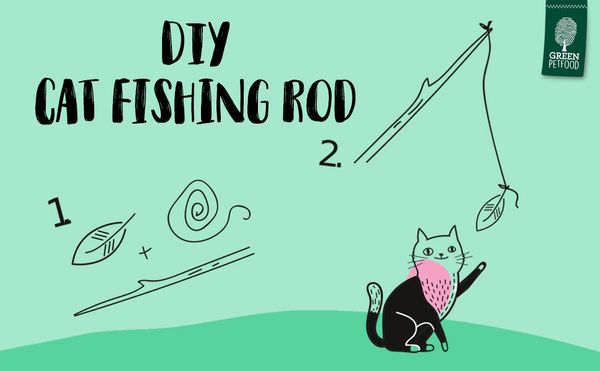
Use a sturdy string or yarn tied to a stick. Move it like a small animal to catch your cat’s eye. Let the string drag on the floor or swing in the air. Your cat will enjoy chasing and pouncing on it. Always supervise to avoid swallowing string pieces.
Laser Pointer Fun
A laser pointer creates a small, fast-moving light spot. Cats love to chase this bright dot across walls and floors. Move the light in quick, random paths to keep your cat guessing. End the play by pointing the light at a toy your cat can catch. This helps avoid frustration.
Treat Dispensing Games
Make a simple toy that hides treats inside. Use a small box with holes or a plastic bottle with openings. Your cat will bat and roll it to release the treats. This game encourages problem-solving and rewards your cat’s effort. Use healthy treats for the best results.

Credit: www.youtube.com
Customizing Toys For Your Cat
Customizing toys for your cat can turn a simple DIY project into a favorite plaything. Every cat is unique, so tailoring the toy to their tastes boosts engagement and enjoyment. You’ll find that a personalized toy keeps your cat curious and active much longer than a generic one.
Considering Cat’s Preferences
Think about what your cat likes to do. Do they enjoy chasing, pouncing, or batting objects? Observe their play style to decide what kind of toy will excite them the most.
Some cats prefer toys that move unpredictably, while others like soft textures to bite or cuddle with. Matching the toy to these habits makes playtime more satisfying for your furry friend.
Adjusting Size And Texture
Size matters. A toy that’s too big or too small can be frustrating or unsafe for your cat. Adjust the size so your cat can easily carry or bat it around.
Texture also affects their interest. Soft fabrics like felt or fleece are gentle on paws and teeth, while crinkly materials can add an exciting sound element. Try combining textures to see what your cat prefers.
Adding Catnip
Catnip can turn an ordinary toy into an irresistible one. Sprinkle a little inside or attach a small pouch to attract and stimulate your cat’s senses.
Not all cats react the same to catnip, so test a small amount first. If your cat is indifferent, try alternatives like silver vine or valerian root for a similar effect.
Maintaining And Cleaning Toys
Creating a DIY cat toy is fun and simple with safe household items. Regularly clean toys to keep them fresh and safe for your cat. Use gentle soap and water, then air dry before giving the toy back to your pet.
Maintaining and cleaning your DIY cat toys is essential for your pet’s safety. Regular upkeep ensures toys are hygienic and in good condition. This section covers essential care tips.Washing Instructions
Cleaning cat toys keeps them free from dirt and germs. Use mild soap and warm water. Scrub gently to remove debris. Rinse thoroughly to avoid soap residue. For fabric toys, use a washing machine on a gentle cycle. Dry completely before giving back to your cat.Inspecting For Wear
Regularly check toys for signs of wear and tear. Look for loose threads or broken parts. Examine wooden toys for splinters. Ensure all parts are secure. An inspection can prevent accidents during playtime.Replacing Parts
Some toys may have replaceable parts. Replace worn out sections to extend toy life. Use similar materials to maintain safety. Always secure new parts firmly. This keeps the toy safe and engaging for your cat.Budget-friendly Toy Ideas
Creating DIY cat toys doesn’t have to drain your wallet. You can make fun, safe, and engaging toys with items you already have around the house. These budget-friendly ideas not only save money but also give you a chance to reuse materials creatively.
Upcycling Old Clothes
Do you have worn-out t-shirts or socks lying around? Cut them into strips and braid or knot them to create simple tug toys. Cats love the texture and the scent of fabric that carries your smell, making these toys extra comforting.
Adding a bell or stuffing the fabric with a bit of catnip can turn a plain strip into an exciting new favorite. Not only do you reduce waste, but you also craft a personalized plaything your cat will enjoy for hours.
Using Common Household Items
Look around your home for empty toilet paper rolls, bottle caps, or crumpled paper balls. These items can become instant cat toys with almost no effort. For instance, a crumpled paper ball is lightweight and easy for cats to bat around.
To keep your cat engaged longer, try placing a few treats inside a paper roll and fold the ends. This simple puzzle turns an ordinary item into a brain teaser that challenges your cat’s problem-solving skills.
Creative Craft Supplies
If you have yarn, felt, or pipe cleaners, you’re already halfway to making an interesting toy. A small felt mouse stuffed with cotton or a pipe cleaner twisted into a springy shape can captivate your cat’s attention.
Use non-toxic glue and avoid small parts that could be swallowed. You might be surprised how a few craft scraps can become a durable and entertaining toy that rivals store-bought versions.
Frequently Asked Questions
What Materials Do I Need To Make A Diy Cat Toy?
You need simple items like yarn, feathers, fabric scraps, and catnip. Use safe, non-toxic materials to keep your cat healthy and happy.
How Can I Make A Diy Cat Toy Safe?
Avoid small parts that can be swallowed. Use non-toxic glue and secure all pieces tightly to prevent choking hazards.
What Are Easy Diy Cat Toy Ideas?
Try making feather wands, yarn balls, or fabric mice. These toys are simple, inexpensive, and engage your cat’s natural instincts.
How Do I Keep My Cat Interested In Homemade Toys?
Rotate toys regularly and add catnip or new textures. Interactive play sessions also keep your cat mentally and physically stimulated.
Conclusion
Making a DIY cat toy is fun and simple. You can use things around your home. Your cat will enjoy playing with a new toy. It helps keep your cat active and happy. Creating toys yourself saves money too. Try different ideas to see what your cat likes.
Making toys shows your love and care. Start today and watch your cat’s joy grow.




Leave a Reply