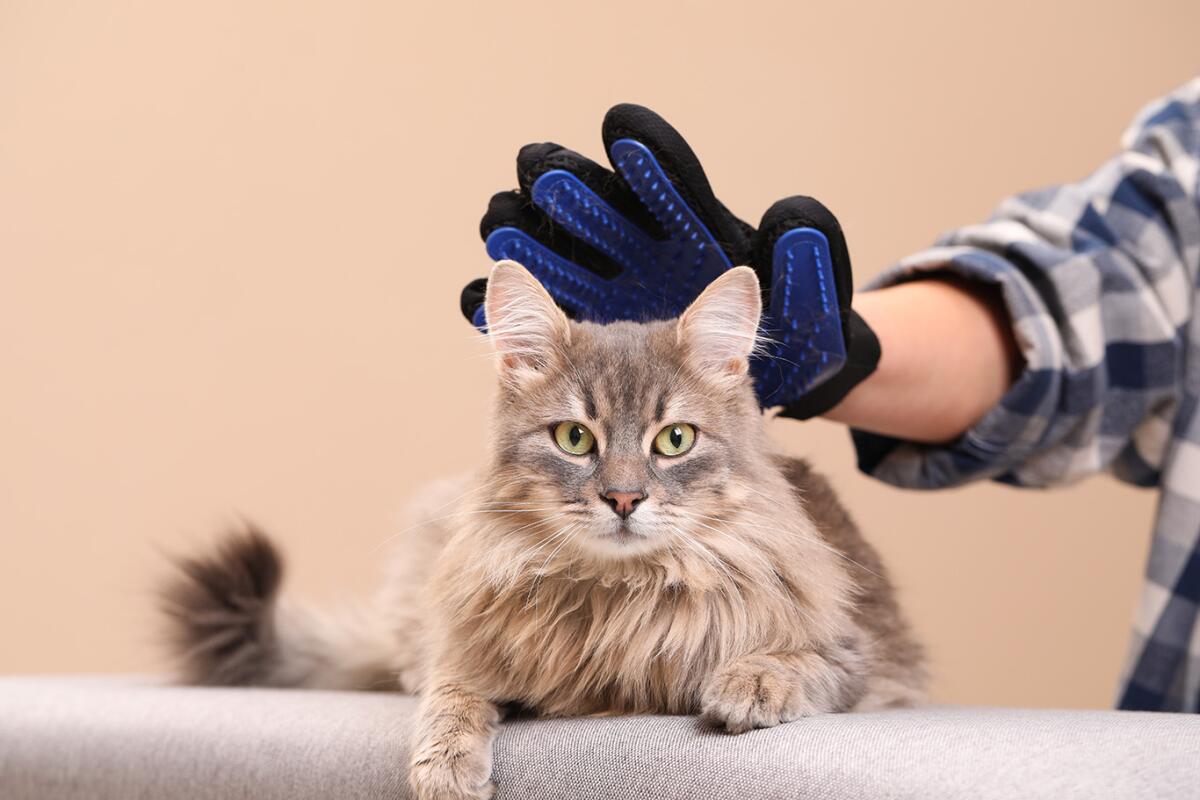
Grooming your cat might seem like a simple task, but it’s more important than you think. Not only does it keep your furry friend looking great, but it also helps prevent health problems and strengthens the bond between you.
If you’ve ever wondered, “How do I groom a cat? ” you’re in the right place. This guide will walk you through easy steps that make grooming stress-free for both you and your cat. Keep reading, and discover how a little care can make a big difference in your cat’s happiness and health.
Choosing The Right Tools
Choosing the right tools for grooming your cat makes the whole experience smoother and more enjoyable—for both you and your feline friend. Using the wrong brush or supply can cause discomfort or even harm your cat’s delicate skin. Think about your cat’s coat type and grooming needs before picking up any tool.
Brush Types For Different Coats
Your cat’s fur can be short, medium, or long, and each type needs a specific brush to keep it healthy and shiny.
- Short-haired cats:Use a bristle brush or a rubber grooming mitt. These remove loose hair and dirt without irritating the skin.
- Medium-haired cats:A slicker brush works well. It detangles fur and gets rid of dead hair gently.
- Long-haired cats:A wide-toothed comb combined with a slicker brush helps prevent mats and tangles. Long-haired cats need more frequent grooming to avoid painful knots.
Have you noticed your cat’s coat shedding more than usual? The right brush can cut down on hairballs and keep your home cleaner.
Essential Grooming Supplies
Besides brushes, a few other tools make grooming easier and safer for your cat.
| Tool | Purpose | Why You Need It |
|---|---|---|
| Nail Clippers | Trim sharp nails | Prevents scratches and keeps furniture safe |
| Flea Comb | Detect and remove fleas and debris | Helps maintain your cat’s health and comfort |
| Cat Shampoo | Clean and freshen fur | Use only cat-safe products to avoid skin irritation |
| Ear Cleaner | Remove dirt and wax buildup | Prevents infections and discomfort |
Do you find grooming tools confusing at pet stores? Focus on your cat’s specific needs and pick tools that feel comfortable in your hands. Your cat will notice the difference when you use the right equipment.

Credit: www.latimes.com
Preparing Your Cat
Preparing your cat for grooming sets the stage for a smooth experience. Cats often feel uneasy with new activities. Taking time to prepare helps them stay calm and relaxed. A calm cat makes grooming easier and safer for both of you.
Creating A Calm Environment
Choose a quiet room with no loud noises or distractions. Soft lighting helps your cat feel safe. Remove any strong smells or unfamiliar objects. Keep the temperature comfortable, not too hot or cold.
Gather all grooming tools before starting. Having brushes, combs, and nail clippers nearby avoids interruptions. Playing soft music may help some cats relax. Make sure the area has a soft surface where your cat can sit.
Getting Your Cat Comfortable
Let your cat explore the grooming area at their own pace. Use gentle petting and soft voices to build trust. Offer treats to create positive associations with the space.
Handle your cat gently to get them used to touch. Touch their paws, ears, and tail softly. Stop if your cat shows signs of stress. Practice short grooming sessions and increase time gradually.
Brushing Techniques
Brushing your cat is a vital part of grooming. It helps keep their fur clean and healthy. Brushing also reduces shedding and prevents hairballs. Different cats need different brushing methods. Tailoring your approach makes grooming easier and more effective.
Brushing Short-haired Cats
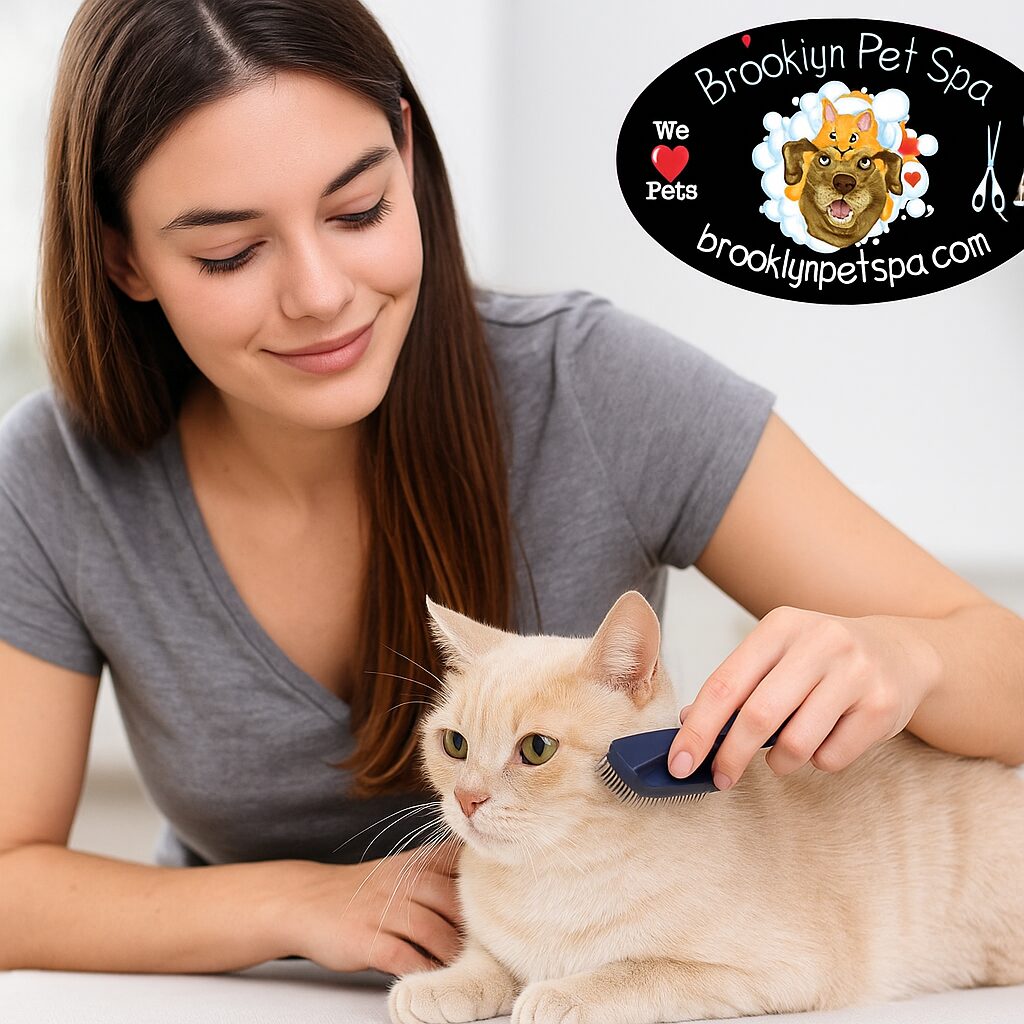
Use a soft-bristle brush or rubber grooming mitt. Brush in the direction of the fur growth. Start from the head and move toward the tail. Focus on areas like the neck, back, and sides. Brush gently to avoid hurting your cat’s skin. Short-haired cats usually need brushing once a week.
Brushing Long-haired Cats
Choose a wide-toothed comb or a slicker brush. Begin with a comb to remove loose fur and tangles. Then use the slicker brush for smooth finishing. Brush small sections of fur carefully and slowly. Pay close attention to the belly, behind ears, and under legs. Brush long-haired cats daily to prevent mats and tangles.
Dealing With Mats And Tangles
Mats can cause discomfort and skin problems. Use a detangling spray or conditioner made for cats. Hold the fur close to the skin to avoid pulling. Work gently with a wide-toothed comb or your fingers. For severe mats, consider professional grooming help. Regular brushing reduces the chance of tough tangles forming.
Credit: brooklynpetspa.com
Bathing Your Cat
Bathing your cat might sound tricky, but with the right approach, it can be a smooth experience for both of you. Unlike dogs, cats groom themselves most of the time, so bathing isn’t always necessary. However, there are moments when a bath becomes important for your cat’s health and cleanliness.
When To Bathe Your Cat
Not every cat enjoys water, so it’s best to bathe them only when needed. You should consider bathing your cat if they get into something sticky, smelly, or harmful like oil or chemicals. Cats with long fur might also need baths more often to prevent mats and tangles.
If your cat has skin conditions or allergies, your vet might recommend baths with special medicated shampoos. Otherwise, regular grooming with brushing is usually enough. Ask yourself: does your cat look or smell dirty, or is their coat unusually greasy? If yes, a bath might be the right choice.
Step-by-step Bathing Guide
- Prepare a small tub or sink with lukewarm water. The water level should be shallow enough to keep your cat comfortable.
- Use a cat-specific shampoo. Human or dog shampoos can irritate their skin.
- Gently wet your cat’s fur using a cup or sprayer. Avoid the head area to keep water out of their eyes and ears.
- Apply shampoo and lather carefully, massaging it into the fur but avoiding the face.
- Rinse thoroughly to remove all shampoo, as leftover soap can cause itching.
- Wrap your cat in a towel immediately after the bath to keep them warm.
During my first bath with my cat, I learned that patience is key. Talking softly and moving slowly helped calm her. Have you noticed how your cat reacts to water? Use their behavior to guide your pace.
Drying Tips
After the bath, drying your cat properly is essential. Use a soft, absorbent towel to pat them dry gently. Avoid rubbing harshly, which can tangle their fur.
If your cat tolerates it, a low-heat hairdryer can speed up drying. Keep the dryer moving and hold it at a safe distance. But if your cat gets scared, stick to towel drying to prevent stress.
Make sure your cat stays in a warm room until completely dry. A cold cat can catch a chill easily. Have you tried setting up a cozy spot with a blanket post-bath? It’s a small step that makes a big difference.
Nail Care
Trimming a cat’s nails keeps them healthy and prevents damage to furniture. Use a sharp nail clipper and gently hold each paw. Stay calm and reward your cat to make grooming easier.
Nail care is a crucial aspect of grooming your feline friend. Just like human nails, a cat’s claws can grow long and sharp, causing discomfort or even injury. Regular nail trimming not only keeps your cat comfortable but also protects your furniture and skin from accidental scratches.How To Trim Cat Nails
Trimming your cat’s nails may seem daunting, but it’s quite manageable with patience and practice. Begin by gently holding your cat’s paw and pressing the pad to extend the claw. Cut only the sharp tip, avoiding the pink area known as the quick, which contains nerves and blood vessels. If you’re nervous, start by trimming just one or two nails at a time. Reward your cat with treats or affection to create a positive experience. This routine not only keeps their nails healthy but also strengthens your bond.Tools For Nail Trimming
Using the right tools can make a significant difference in the ease and effectiveness of trimming. Invest in a quality pair of cat nail clippers or a grinder designed specifically for pets. Guillotine-style clippers are popular, but some prefer scissor-style for their ease of use. A nail file can also help smooth any rough edges after trimming. Keep styptic powder nearby to stop bleeding if you accidentally cut too close to the quick. Having the right tools on hand ensures a smooth and stress-free grooming session.Signs Your Cat Needs A Trim
Wondering if it’s time for a trim? Observe your cat’s behavior and appearance. If you hear clicking sounds as your cat walks on hard surfaces, it’s a sign those claws are too long. Check if your cat is getting stuck in carpets or fabric, which indicates overgrown nails. Regularly inspect their paws for any redness or swelling, which can be caused by ingrown nails. Keeping an eye on these signs ensures your cat’s paws stay healthy and comfortable. By maintaining a consistent nail trimming routine, you not only care for your cat’s well-being but also enjoy a more harmonious home environment. Are you ready to make nail care a regular part of your cat’s grooming routine?Ear And Eye Care
Proper care of a cat’s ears and eyes helps keep them healthy. These areas are sensitive and need gentle cleaning. Regular checks can prevent infections and discomfort. Understanding how to clean ears and manage eye discharge is essential for every cat owner.
Cleaning Cat Ears Safely
Check your cat’s ears weekly for dirt or wax buildup. Use a soft cloth or cotton ball dampened with a vet-approved ear cleaner. Gently wipe the outer ear and avoid going deep inside. Never use cotton swabs; they can hurt your cat’s ear canal.
Look out for signs of infection like redness, bad smell, or excessive scratching. If you notice any, contact your vet promptly. Keeping the ears dry and clean reduces the chance of problems.
Managing Eye Discharge
Some cats have normal eye discharge, but excess can signal an issue. Use a clean, damp cloth or cotton ball to wipe away discharge. Always wipe from the inside corner outward to avoid spreading dirt.
Use warm water only, no soaps or chemicals near the eyes. Watch for redness, swelling, or constant tearing. These may require a vet’s attention. Clean eyes help your cat see clearly and feel comfortable.
Dental Hygiene
Dental hygiene is a crucial part of grooming your cat that often gets overlooked. Keeping your cat’s teeth clean not only prevents bad breath but also protects them from painful dental diseases. You might be surprised how much a simple routine can improve your cat’s overall health and comfort.
Brushing Cat Teeth
Brushing your cat’s teeth might sound tricky, but it’s easier than you think. Start slowly by letting your cat sniff and lick the toothbrush or finger brush. Use a pet-safe toothpaste, never human toothpaste, as it can be harmful to cats.
Try to brush in gentle circular motions, focusing on the gum line where plaque builds up. Even brushing two or three times a week can make a big difference. Ask yourself: have you noticed your cat’s breath lately? That could be a sign it’s time to start brushing.
Choosing Dental Products
Picking the right dental products is key to success. Look for toothpaste and brushes designed specifically for cats. Some cats prefer flavored toothpaste like poultry or fish, which can make the experience more pleasant for them.
- Soft-bristled toothbrushes or finger brushes are ideal.
- Dental wipes can be a good alternative if brushing isn’t an option.
- Dental treats and toys help reduce plaque but don’t replace brushing.
Have you tried different products to see what your cat prefers? This trial can help turn dental care into a bonding moment instead of a battle.
Preventing Dental Issues
Preventing dental problems means being proactive. Regular vet check-ups should include dental exams to catch issues early. Watch for signs like drooling, pawing at the mouth, or reluctance to eat hard food.
Adding dental chews to your cat’s routine and maintaining a brushing schedule helps keep tartar at bay. Think about your cat’s dental health as an ongoing process—not just something to fix when there’s a problem.
What small change can you make today to protect your cat’s smile tomorrow?
Handling Grooming Challenges
Grooming a cat can be tricky when they resist brushing or nail trimming. Patience and gentle handling help reduce stress for both you and your cat. Creating a calm environment makes grooming easier and safer.
Grooming a cat can sometimes feel like a daunting task, especially when faced with certain challenges. Whether you’re dealing with an anxious cat or managing aggressive behavior, understanding how to handle these situations is key to a successful grooming session. Let’s explore some practical ways to overcome these common hurdles.Dealing With Anxious Cats
Cats are creatures of habit, and introducing grooming into their routine can make them anxious. To ease this anxiety, create a calm environment. Soft music and gentle strokes can do wonders. Consider using pheromone sprays to soothe your feline friend. These sprays mimic natural cat hormones, helping to calm their nerves. Is there a favorite blanket or toy your cat loves? Keep it nearby to provide comfort and distraction. Remember, patience is your best friend. Gradually introduce grooming tools, letting your cat sniff and explore them. This builds trust and reduces fear over time.Managing Aggressive Behavior
Aggression during grooming can be challenging, but it’s not insurmountable. Start by identifying the triggers. Is it a particular tool or a sensitive area on their body? Use positive reinforcement to encourage good behavior. Treats or praise can go a long way in making grooming a more pleasant experience for both you and your cat. If biting or scratching becomes a problem, consider protective gear like gloves or a grooming apron. These can keep you safe while you work on desensitizing your cat to the grooming process. In some cases, you might need to seek professional help. A vet or a professional groomer can offer tailored advice or assistance if aggressive behavior persists. Have you ever faced these challenges while grooming your cat? What strategies have worked for you? Sharing your experiences can help others facing similar situations.Regular Grooming Schedule
Keeping a regular grooming schedule for your cat is more than just a beauty routine. It helps maintain their health, reduces hairballs, and strengthens your bond. Knowing how often and what to focus on can make grooming a stress-free experience for both of you.
How Often To Groom
Frequency depends on your cat’s fur type and lifestyle. Short-haired cats usually need brushing once a week to remove loose fur and dirt. Long-haired cats benefit from daily grooming to prevent mats and tangles.
Pay attention to your cat’s behavior. If you notice excessive shedding or hairballs, increase grooming sessions. Also, older or less active cats may need extra help to keep their coat clean.
Seasonal Grooming Tips
Season changes affect your cat’s coat. During spring and fall, cats shed more, so increase grooming to manage loose fur. This helps reduce allergens and keeps your home cleaner.
In winter, your cat’s coat might thicken. Groom less often but check for mats under the thicker fur. Summer calls for regular brushing to prevent overheating and remove dead hair.
Have you noticed how your cat’s coat changes with the seasons? Adjusting your grooming routine can keep them comfortable and healthy all year round.

Credit: www.viovet.co.uk
Signs Of Health Problems
Recognizing signs of health problems during grooming helps you keep your cat safe and comfortable. Grooming is more than just making your cat look good—it’s a chance to check for anything unusual. Noticing changes early can prevent bigger issues down the road.
Spotting Skin Issues
Look closely at your cat’s skin while brushing or combing. Healthy skin is smooth and free of redness or swelling. If you see bald patches, scabs, or bumps, these might be signs of irritation or infection.
Watch for excessive scratching or licking, which often means your cat is uncomfortable. Fleas or mites can cause tiny black specks or flaky skin. You might even spot sores that don’t heal or areas that are hot to the touch.
Have you noticed your cat grooming less or more than usual? Changes in grooming habits can signal pain or stress linked to skin problems. Paying attention to these clues can help you act before issues worsen.
When To Consult A Vet
If you find anything unusual during grooming, don’t wait too long to call your vet. Persistent skin problems, sudden hair loss, or wounds that get worse need professional care. Some conditions can spread or cause severe discomfort if left untreated.
Also, if your cat shows signs like lethargy, loss of appetite, or changes in behavior alongside skin issues, it’s time for a vet visit. Early diagnosis often means easier treatment and quicker recovery.
Remember, your cat can’t tell you what’s wrong. Your observations during grooming might be the first clue that something needs attention. Are you ready to become your cat’s first line of defense?
Frequently Asked Questions
How Often Should I Groom My Cat?
Groom your cat at least once a week to remove loose fur and prevent mats. Long-haired cats may need grooming daily. Regular grooming helps reduce shedding and hairballs, and promotes healthy skin and coat.
What Tools Are Best For Cat Grooming?
Use a soft-bristle brush for short-haired cats and a wide-toothed comb for long-haired breeds. Nail clippers and grooming wipes are also essential. Choose tools that suit your cat’s coat type and handle them gently to avoid discomfort.
How Do I Safely Brush A Nervous Cat?
Start slowly and choose a quiet, comfortable space. Use gentle strokes and praise your cat throughout. If your cat resists, take breaks and try again later. Patience and calmness help build trust during grooming sessions.
Can Grooming Prevent Cat Hairballs?
Yes, regular grooming removes loose hair before cats ingest it while licking. This reduces hairballs and improves digestion. Brushing your cat daily is an effective way to minimize hairball formation.
Conclusion
Grooming a cat keeps it healthy and happy. Regular brushing stops mats and reduces hairballs. Use gentle strokes and be patient with your pet. Clean ears and trim nails carefully for comfort. Make grooming a calm, positive time for your cat.
Soon, both of you will enjoy this special care. Remember, a well-groomed cat is a joyful companion. Keep practicing and your cat will thank you.


Leave a Reply