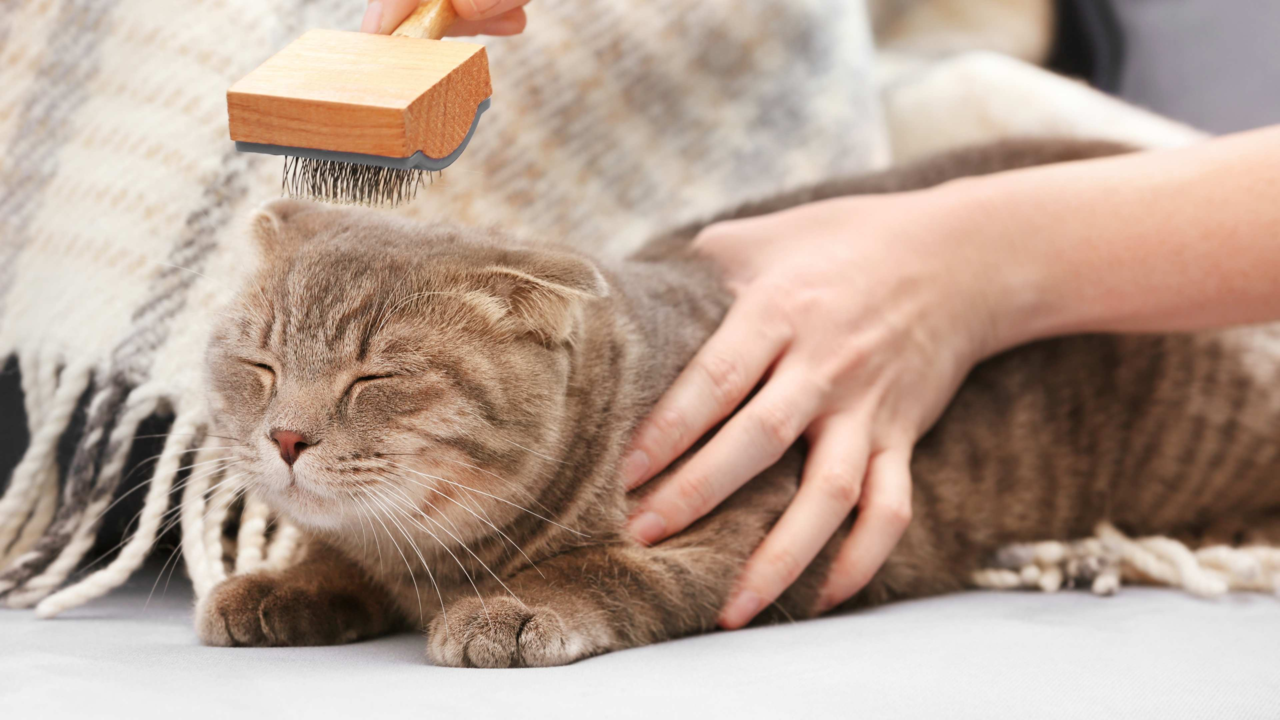
You want your cat to stay clean and healthy, but sometimes they don’t groom themselves enough. This can lead to mats, skin problems, or even discomfort for your furry friend.
If you’re wondering, “How do I get my cat to groom? ” you’re not alone. Understanding why your cat might be avoiding grooming and learning simple ways to encourage it can make a big difference. Keep reading, and you’ll discover easy tips that can help your cat feel better and look great—without stress for either of you.

Credit: www.purina.com
Why Grooming Matters
Grooming is more than just keeping your cat looking good—it plays a key role in their overall wellbeing. When you help your cat groom regularly, you support their health and comfort in ways you might not immediately notice. Understanding why grooming matters can motivate you to make it a part of your daily routine with your furry friend.
Health Benefits For Cats
Grooming helps remove dirt, dead skin, and loose fur from your cat’s coat. This prevents skin irritations and infections that could cause discomfort or more serious health issues.
Regular grooming also improves blood circulation. This promotes healthier skin and a shinier coat, which reflects your cat’s true health status.
Have you noticed how cats often lick themselves to clean? Helping them groom ensures they don’t miss spots, especially in hard-to-reach areas.
Preventing Hairballs And Matting
Hairballs happen when cats swallow loose fur while grooming themselves. Excessive hairballs can lead to digestive problems or blockages that require veterinary care.
By brushing your cat regularly, you reduce the amount of loose fur they ingest. This simple habit can save you from stressful vet visits and keep your cat more comfortable.
Matted fur can pull on the skin and cause painful sores. It also traps dirt and moisture, creating a breeding ground for infections.
Grooming breaks up these mats early and keeps your cat’s coat soft and smooth. Have you checked your cat’s fur for hidden tangles lately?

Credit: services.petsmart.com
Signs Your Cat Needs Grooming Help
Recognizing when your cat needs grooming help is key to keeping them healthy and happy. Cats are usually good at cleaning themselves. Still, some may struggle due to age, illness, or stress. Knowing the signs helps you step in before problems grow.
Behavioral Clues
- Your cat stops grooming or grooms less often.
- They lick certain spots excessively, causing sore skin.
- Your cat hides or avoids touch more than usual.
- They seem restless or uncomfortable when you try to pet them.
- Your cat’s mood changes, becoming more irritable or withdrawn.
Physical Indicators
- Coat looks dull, greasy, or matted in patches.
- Hairballs become more frequent or larger than usual.
- Skin appears dry, flaky, or red under the fur.
- Fur falls out in clumps or shows bald spots.
- Unpleasant odor comes from your cat’s fur or skin.
Creating A Grooming Routine
Creating a grooming routine helps your cat stay clean and healthy. Cats enjoy habits that feel safe and familiar. A steady routine makes grooming less stressful for your cat. It also helps you keep track of your cat’s coat and skin health.
Choosing The Right Tools
Select tools that suit your cat’s fur type and size. Use a soft brush for short-haired cats. Long-haired cats need a comb or a de-shedding tool. Nail clippers designed for cats make trimming safe and easy. Have a soft cloth or grooming wipes for gentle cleaning. Avoid tools with rough edges or sharp points.
Setting A Consistent Schedule
Pick a time of day your cat feels calm and relaxed. Groom your cat daily or several times a week for best results. Short sessions of five to ten minutes work well. Keep sessions positive with gentle strokes and calm voices. Stick to the same place so your cat knows what to expect.
Making Grooming Comfortable
Encourage your cat to groom by creating a calm, quiet space free from distractions. Use gentle strokes with a soft brush to make grooming feel safe and pleasant. Regular, short sessions help build trust and comfort over time.
Making grooming comfortable for your cat can transform what might be a stressful task into a relaxing bonding experience. Cats are naturally clean creatures, but they may need a little help from you to maintain their luxurious fur. By creating a soothing environment and using gentle techniques, you can turn grooming into an enjoyable routine for both you and your feline friend.Using Gentle Techniques
Start by choosing the right tools. A soft-bristled brush is often a good choice for most cats, while a fine-toothed comb can help tackle knots in longer fur. Gently run the brush along the natural direction of your cat’s fur. Keep sessions short to avoid overwhelming your cat. If your cat starts to fidget or seems agitated, it might be a sign to pause. This approach helps build a positive association with grooming.Calming Your Cat During Grooming
Create a serene atmosphere. Playing soft music or using a calming pheromone spray can work wonders. Choose a time when your cat is naturally relaxed, perhaps after a meal or nap. Talk to your cat in a soothing voice. Your calm demeanor can reassure your cat, encouraging them to stay calm as well. Have you ever noticed how your cat purrs when you stroke them gently? Use this to your advantage during grooming. Reward your cat with treats and affection to reinforce positive behavior. What strategies have you found effective in keeping your cat calm during grooming sessions? Engaging with your cat in a patient and loving manner can make all the difference.Encouraging Self-grooming
Encouraging your cat to groom themselves regularly is essential for their health and happiness. Cats naturally clean their fur, but sometimes they need a little motivation or support from you. Helping your cat stay comfortable and interested in grooming can prevent skin issues and keep their coat shiny.
Providing A Clean Environment
Your cat’s surroundings can influence how often they groom. A clean, calm space encourages them to relax and take care of themselves. Make sure their bedding and favorite spots are tidy and free of dirt or debris.
Have you noticed your cat avoiding certain areas? Sometimes, dirty or uncomfortable places make them less inclined to groom. Regularly clean litter boxes and vacuum areas where your cat spends time to reduce dust and allergens that might irritate their skin.
Using Grooming Aids And Toys
Grooming aids and toys can boost your cat’s interest in self-care. Brushes designed for cats not only remove loose fur but also simulate the feeling of a mother cat’s tongue. Try different textures to see what your cat prefers.
Interactive toys that encourage movement can also help your cat reach spots that need grooming. A toy on a string or a laser pointer can get them active, which often leads to more self-grooming afterward.
Have you tried using grooming gloves or soft brushes during playtime? These tools can make grooming a positive experience and build a routine. Keep sessions short and rewarding to maintain your cat’s enthusiasm.

Credit: www.reddit.com
When To Seek Veterinary Advice
Knowing when to seek veterinary advice is key for your cat’s health. Grooming is natural for cats, but changes in grooming habits can signal health problems. Early detection helps prevent serious issues. Watch your cat closely and act if you notice anything unusual.
Signs Of Grooming-related Health Issues
Look for signs that your cat might have grooming problems. These include:
- Bald patches or missing fur
- Red or irritated skin
- Bad smell from the coat
- Excessive scratching or licking
- Mattes or clumps of fur
- Changes in behavior or mood
Such signs could mean infections, allergies, or pain. A vet can diagnose and treat these problems quickly.
Professional Grooming Services
Sometimes, your cat needs more help than home grooming. Professional groomers can handle difficult mats and clean areas your cat cannot reach. They use special tools and techniques to keep your cat comfortable and safe.
Speak with your vet about trusted grooming services. Regular visits to a groomer can support your cat’s health, especially for long-haired breeds or older cats.
Frequently Asked Questions
How Can I Encourage My Cat To Groom Regularly?
Create a calm environment and gently brush your cat daily. Use treats to reward grooming behavior. Regular brushing helps maintain fur health and strengthens your bond.
What Are Signs My Cat Needs Help Grooming?
Look for matted fur, bad odor, or excessive shedding. Cats may also scratch more or show skin irritation. These signs indicate grooming difficulties and need veterinary advice.
Can Diet Affect My Cat’s Grooming Habits?
Yes, a balanced diet rich in omega-3 and omega-6 fatty acids promotes healthy skin and coat. Proper nutrition supports natural grooming and reduces shedding and dry skin.
How Do I Help A Shy Cat Start Grooming?
Be patient and use gentle petting to build trust. Introduce grooming tools slowly, and reward your cat with treats. Consistent positive experiences encourage grooming over time.
Conclusion
Helping your cat groom takes time and patience. Start with gentle brushing and praise. Keep grooming sessions short and calm. Watch your cat’s comfort and adjust as needed. Regular grooming keeps your cat clean and healthy. It also builds trust and strengthens your bond.
Small steps make a big difference over time. Stay consistent and enjoy the quiet moments together. Your cat will thank you with a shiny, soft coat.



Leave a Reply