
Have you ever wondered why some cats have fluffy coats while others are sleek and short-haired? Or why certain cats are calm and cuddly, and others full of energy and curiosity?
Understanding how different breeds of cats differ can help you find the perfect feline friend that fits your lifestyle and personality. You’ll discover the unique traits, behaviors, and appearances that make each cat breed special. Get ready to explore the fascinating world of cat breeds and learn what makes your future pet one of a kind.
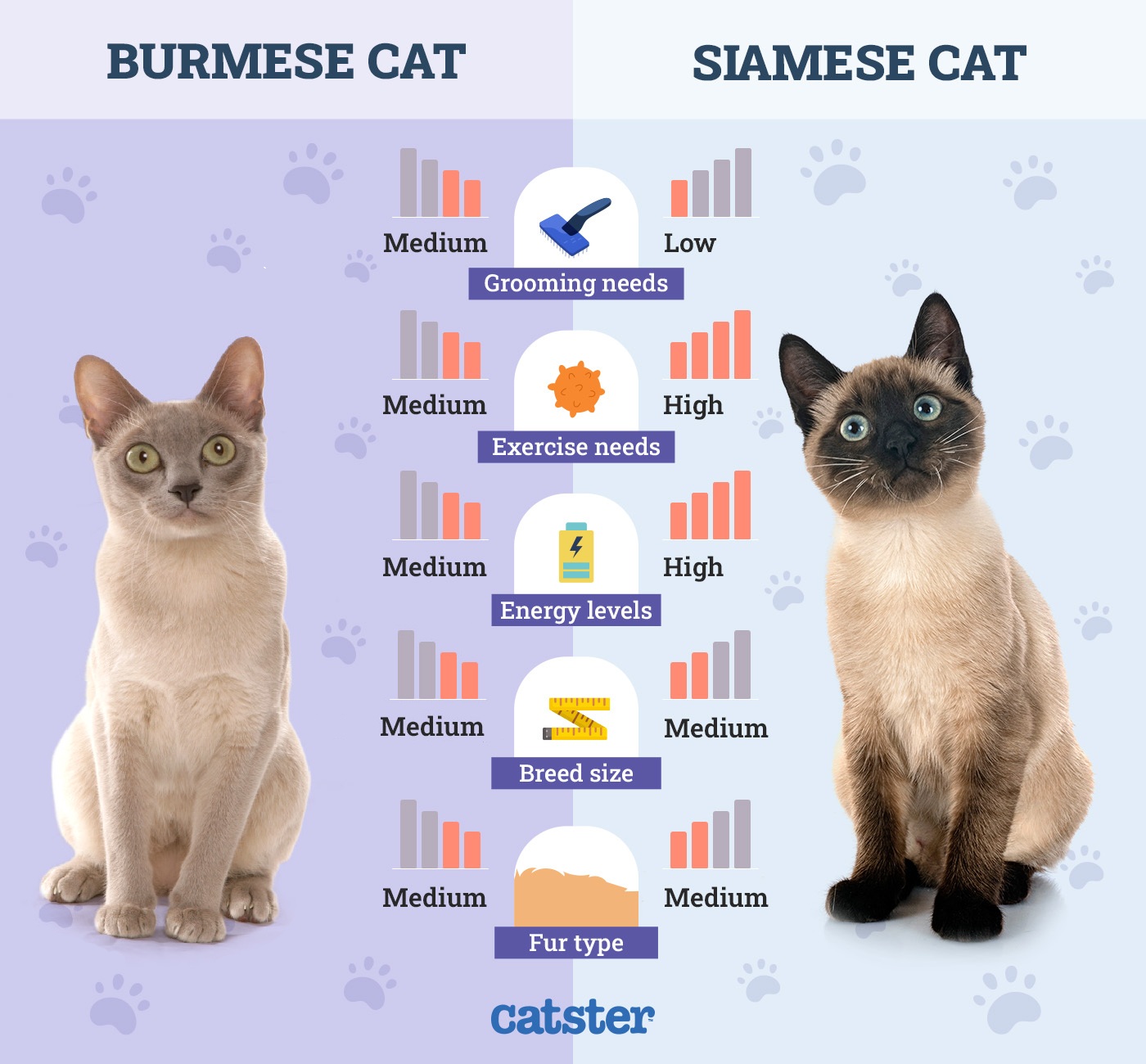
Credit: www.catster.com
Physical Characteristics
Physical characteristics are what often catch your eye first when you meet a cat. These traits vary widely among breeds, shaping their unique looks and sometimes their behavior. Understanding these differences helps you appreciate the diversity and choose a cat that fits your lifestyle and preferences.
Coat Types And Colors
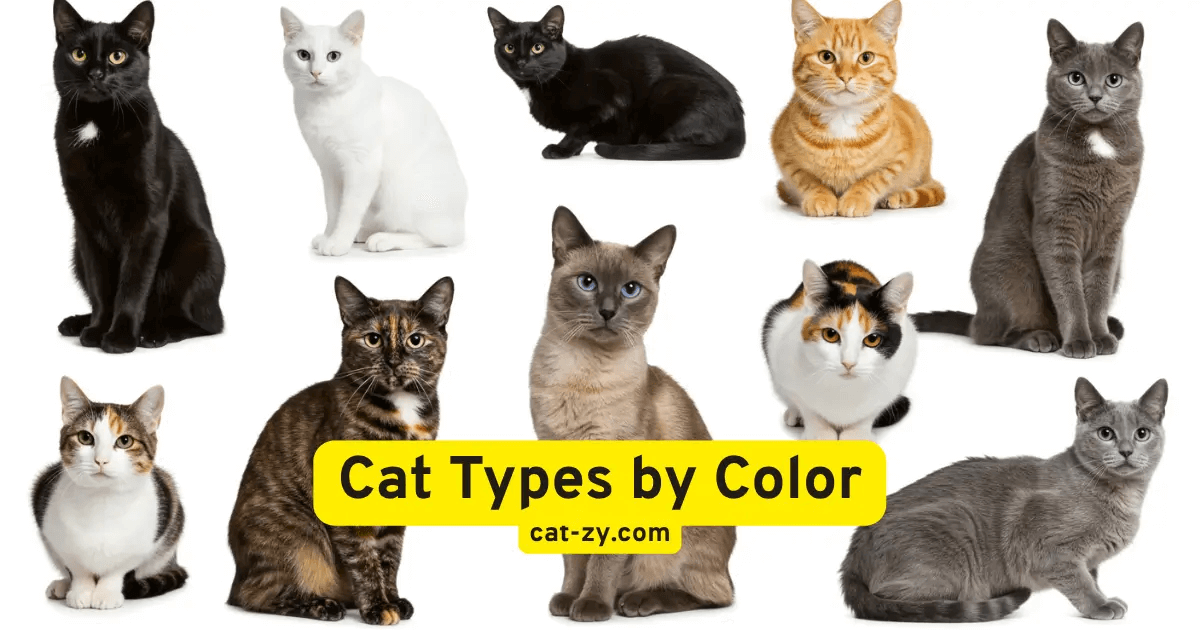
Cat coats come in many textures, from sleek and short to long and fluffy. Some breeds, like the Sphynx, have almost no fur, while the Maine Coon sports a thick, water-resistant coat ideal for cold climates.
Colors and patterns add another layer of variety. You might find solid colors, tabby stripes, spots, or even patches of multiple hues. Did you know that the color of a cat’s coat can sometimes hint at its personality or breed history?
Size And Build Variations
Size differences among cat breeds are striking. The petite Singapura weighs as little as 4 pounds, while the robust Norwegian Forest Cat can reach over 16 pounds.
Build also varies from slender and agile to sturdy and muscular. Think about your living space and activity level—do you want a compact cat who loves to climb or a bigger, mellow companion?
Eye Shapes And Colors
Eye shape can give a cat a distinctive expression. Almond-shaped eyes are common in breeds like the Siamese, while round eyes are typical in British Shorthairs.
Eye colors range from deep amber and green to striking blue. Some cats even have odd-colored eyes, a feature that adds to their charm. How do you think a cat’s gaze influences the bond you form with it?
Personality Traits
Understanding the personality traits of different cat breeds can help you find the perfect feline companion. Each breed brings its unique mix of behaviors and tendencies that shape how they interact with you and their environment. Let’s look closely at key personality aspects to consider.
Social Behavior
Some cat breeds thrive on human interaction and crave attention, while others prefer solitude. For example, Siamese cats often seek companionship and love to be involved in family activities. In contrast, the Russian Blue tends to be more reserved, enjoying quiet moments away from the hustle.
Think about your lifestyle—do you want a cat that greets guests or one that stays in the background? Knowing this can prevent mismatched expectations and strengthen your bond.
Activity Levels
Activity levels vary widely among cat breeds, influencing how much playtime and stimulation they need. Bengals are known for their high energy and enjoy climbing, running, and interactive toys. Meanwhile, Persians usually prefer a more relaxed pace, happy to lounge and observe.
Consider your daily routine and space. Can you provide enough exercise and engagement, or would a calm companion suit your home better? Your cat’s happiness often depends on matching their energy to your lifestyle.
Vocalization Patterns
Some cats are chatty, while others are nearly silent. If you appreciate a talkative pet, the Siamese or Oriental Shorthair may fit well—they often “talk” to express their needs or feelings. On the other hand, breeds like the British Shorthair tend to be quiet and less demanding vocally.
Ask yourself—do you enjoy a feline that communicates vocally, or do you prefer peace and quiet? Your preference can guide you toward a breed whose vocal habits align with your comfort level.
Health And Lifespan
Cat breeds vary in health and lifespan due to genetics and care needs. Understanding these differences helps owners provide better care. Some breeds are prone to specific health problems. Lifespan varies widely among breeds. Preventive care can improve both health and longevity.
Common Genetic Conditions
Many cat breeds carry unique genetic health risks. For example:
- Siamese cats often face respiratory problems.
- Maine Coons may develop heart disease.
- Persians can have kidney issues.
- Bengals might suffer from hip dysplasia.
Regular veterinary checks can catch these conditions early. Knowing breed-specific risks aids in prevention.
Average Lifespan Differences
Cat lifespans vary by breed and genetics. Some live 12 to 15 years. Others can reach 18 or more. Small breeds often live longer than large ones. Mixed-breed cats usually have fewer health problems. Breed traits and lifestyle affect lifespan length.
Preventive Care Needs
Different breeds need tailored preventive care. Vaccinations, dental care, and nutrition are essential. Some breeds need regular heart and kidney screenings. Grooming varies; long-haired cats require more brushing. Exercise and mental stimulation keep cats healthy. Early care reduces disease risk and extends life.

Credit: www.threads.com
Grooming Requirements
Grooming needs vary widely among cat breeds. Some cats have thick, long coats that require daily care. Others have short fur that needs less attention. Knowing these needs helps keep cats healthy and comfortable. Proper grooming also reduces hairballs and shedding around the home.
Shedding Patterns
Shedding depends on the breed and the season. Long-haired breeds like Maine Coons shed heavily in spring and fall. Short-haired cats shed less but still lose fur regularly. Some breeds, such as the Sphynx, shed almost none at all. Shedding can affect allergy sufferers.
Bathing And Brushing Needs
Most cats groom themselves well, but some need extra help. Long-haired cats require daily brushing to avoid mats and tangles. Short-haired cats benefit from weekly brushing to remove loose fur. Bathing is rarely needed but helps for very dirty or oily coats. Use cat-friendly shampoo only.
Special Care Tips
- Persian cats need face cleaning due to tear stains.
- Sphynx cats require regular skin baths to remove oils.
- Regular nail trimming suits all breeds to prevent scratching.
- Check ears and teeth regularly for infections or buildup.
Understanding breed-specific grooming keeps cats happy. It also strengthens the bond between pet and owner.
Suitability For Living Environments
Different cat breeds fit into various living spaces and lifestyles. Their suitability depends on size, activity level, and social needs. Some breeds thrive in small apartments, while others prefer large houses with room to roam. Understanding these traits helps find the right cat for each environment.
Apartment Vs. House
Small apartments limit space for active cats. Breeds like the British Shorthair or Persian enjoy calm, indoor life. They need less room and exercise. Larger houses suit energetic breeds like the Bengal or Maine Coon. These cats need space to climb and explore. Outdoor access benefits some breeds but is risky for others.
Compatibility With Children And Pets
Some cats tolerate children and other pets better. Ragdolls and Siamese cats are often gentle and social. They enjoy playing and company. Shyer breeds like the Russian Blue prefer quiet homes. They might hide from noisy children or other animals. Knowing a cat’s temperament helps create harmony at home.
Adaptability To Climate
Cat breeds differ in how they handle weather. Thick-coated breeds like the Norwegian Forest Cat do well in cold climates. Short-haired cats, such as the Sphynx, need warm indoor temperatures. Indoor cats require controlled environments to stay healthy. Choose a breed that suits your local climate for comfort and safety.
Credit: medium.com
Popular Cat Breeds
Cats have charmed humans for centuries. Each breed offers unique traits. From playful to laid-back, the choices are vast. Let’s explore some popular breeds.
Siamese
Siamese cats are known for their striking blue eyes. They have a sleek, short coat. Their bodies are slim and elegant. Siamese cats are very vocal. They love to interact with humans. These cats form strong bonds with their owners.
Maine Coon
Maine Coons are one of the largest cat breeds. They have long, bushy tails and tufted ears. Their thick fur keeps them warm in cold climates. Maine Coons are gentle and friendly. They are great with children and other pets.
Persian
Persian cats have long, luxurious coats. They have round faces and short noses. Persians are calm and enjoy a relaxed lifestyle. They need regular grooming to maintain their coat. These cats are perfect for quiet homes.
Bengal
Bengal cats have a wild appearance. Their coat is spotted or marbled like a leopard. Bengals are very active and playful. They love climbing and exploring. Bengals have an adventurous spirit, making them fun companions.
Frequently Asked Questions
What Are The Main Differences Between Cat Breeds?
Cat breeds differ in size, coat type, color patterns, and personality traits. Some breeds are more active, while others are laid-back. Health predispositions also vary, influencing care needs. Understanding these differences helps choose a breed that fits your lifestyle and preferences.
How Does Cat Breed Affect Temperament?
Each cat breed has unique temperament traits. For example, Siamese cats are vocal and social. Maine Coons tend to be friendly and gentle. Breed temperament impacts how cats interact with humans and other pets, influencing their suitability for different households.
Do Cat Breeds Have Different Grooming Needs?
Yes, grooming needs vary by breed. Long-haired breeds like Persians require daily brushing to prevent matting. Short-haired breeds need less frequent grooming. Regular grooming maintains coat health, reduces shedding, and helps detect skin issues early.
Are Certain Cat Breeds Prone To Health Issues?
Some breeds have genetic health predispositions. For instance, Scottish Folds may face joint problems, while Siamese cats can have respiratory issues. Knowing breed-specific health risks helps in early detection and better preventive care, ensuring your cat’s well-being.
Conclusion
Different cat breeds have unique looks and personalities. Some cats are calm, while others are very playful. Their fur types and colors also vary a lot. Knowing these differences helps you choose the right cat for your home. Every breed has its own charm and care needs.
Cats bring joy in many ways. Understanding breeds makes caring for them easier and more fun. Choose a cat that matches your lifestyle and enjoy the special bond you will share.


Leave a Reply