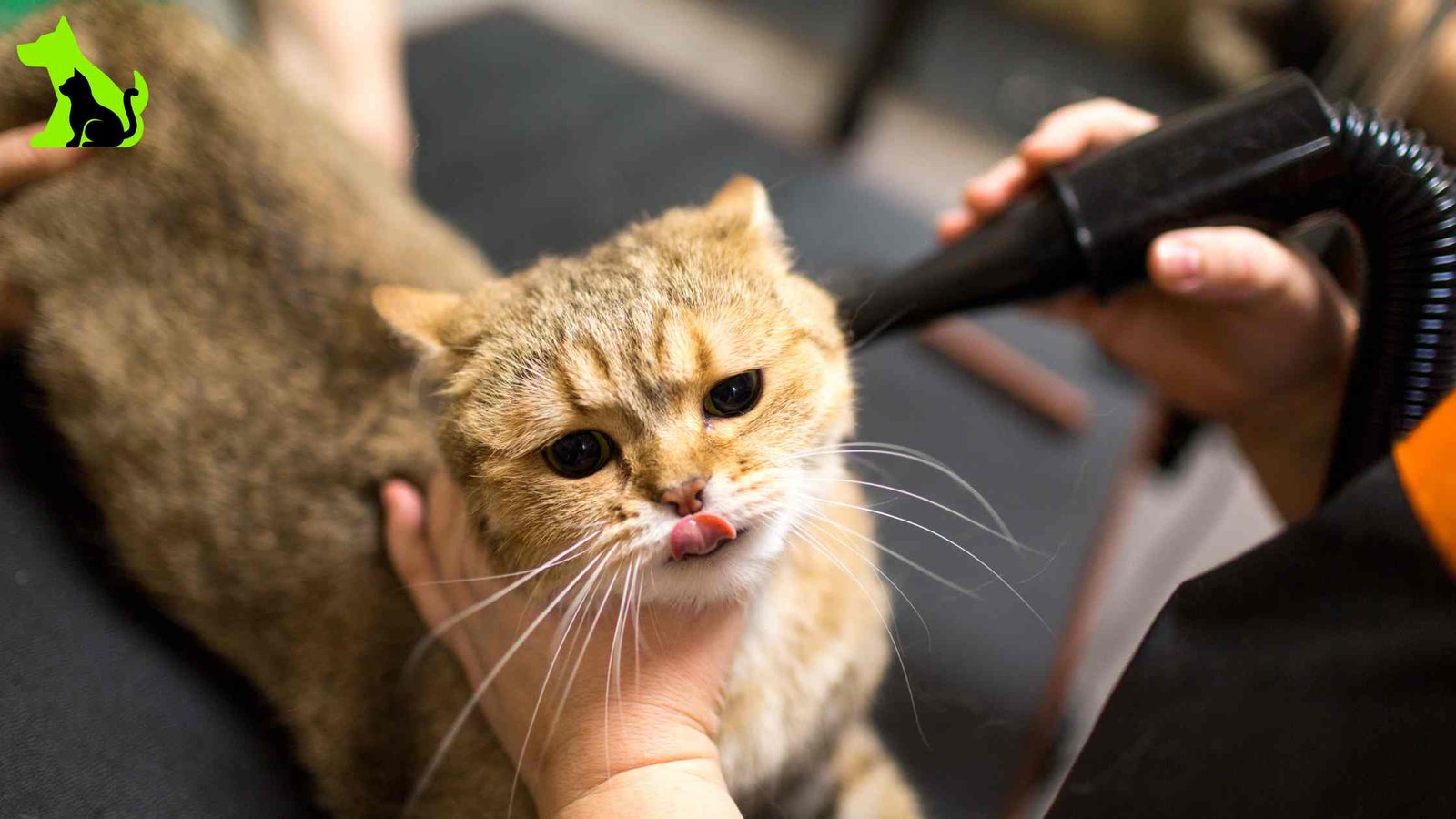
Have you ever wondered if your cat really needs grooming? You might think cats clean themselves well enough, but there’s more to it than just a quick lick.
Grooming your cat can help keep their coat shiny, prevent hairballs, and even spot health issues early. If you want to make sure your furry friend stays happy and healthy, understanding when and how to groom them is key. Keep reading to discover everything you need to know about grooming your cat the right way.
Signs Your Cat Needs Grooming
Knowing when your cat needs grooming is key to keeping them healthy and happy. Cats can hide discomfort well. Watch for clear signs that indicate grooming is necessary. Regular grooming prevents skin problems and reduces hairballs.
Check your cat’s coat and skin often. Notice changes in texture, smell, or appearance. These clues help you decide if grooming is needed soon.
Visible Mats And Tangles
Mats and tangles appear as clumps of fur stuck together. They can pull on the skin and cause pain. Cats with long or thick fur get mats more easily. Mats can trap dirt and moisture, leading to infections. Grooming removes these knots and keeps fur soft.
Excessive Shedding
Shedding is normal but too much can signal a problem. Heavy shedding leaves fur all over the house. It can also mean your cat needs brushing to remove loose hair. Regular grooming cuts down shedding and stops hairballs from forming.
Dry Or Oily Fur
Healthy fur looks shiny and feels smooth. Dry fur is dull and rough to touch. Oily fur looks greasy and sticky. Both can mean poor grooming or health issues. Grooming helps balance your cat’s skin oils and improves coat condition.
Unpleasant Odor
Bad smells from your cat’s coat show dirt or skin problems. Cats usually clean themselves well. A strong odor could mean your cat needs a bath or vet check. Grooming keeps your cat smelling fresh and clean.
Grooming Benefits For Cats
Grooming offers many benefits for cats beyond just looking neat. It helps keep their skin and fur healthy. Regular grooming also supports their overall well-being and happiness. Understanding these benefits can help you decide how often to groom your cat.
Improved Coat Health
Brushing removes dirt and loose fur from your cat’s coat. It stops mats and tangles from forming. A clean coat shines and feels soft. Grooming spreads natural oils, which protect the skin and fur.
Reduced Hairballs
Cats swallow loose fur while cleaning themselves. This can cause hairballs in their stomach. Regular grooming lowers the amount of loose hair they swallow. Fewer hairballs mean less discomfort and fewer trips to the vet.
Early Detection Of Skin Issues
Grooming lets you check your cat’s skin closely. You can spot fleas, ticks, or wounds early. Detecting problems fast helps your cat get treatment sooner. Early care prevents minor issues from becoming serious.
Strengthened Bond With Your Cat
Grooming is a calm, gentle activity. It builds trust between you and your cat. Many cats enjoy being brushed and stroked. This time together can reduce stress and increase affection.
Tools For Effective Grooming
Effective grooming starts with having the right tools at your fingertips. These tools make grooming easier and more comfortable for both you and your cat. Choosing the correct items can turn grooming from a chore into a bonding experience.
Types Of Brushes And Combs
Brushes and combs come in various shapes and sizes designed for different fur types. A slicker brush works well for removing loose fur and preventing mats in long-haired cats.
For short-haired cats, a bristle brush can smooth the coat and distribute natural oils. Combs with wide and narrow teeth help detangle knots and check for fleas or debris.
Have you noticed your cat’s fur shedding more than usual? The right brush might reduce shedding and keep your home cleaner.
Nail Clippers And Trimmers
Keeping your cat’s nails trimmed is essential to avoid scratches and damage to furniture. There are guillotine-style clippers and scissor-style trimmers; choose whichever you feel more comfortable handling.
Try clipping a small bit at a time to avoid cutting the quick, which can cause pain and bleeding. If your cat resists, try trimming after a nap or play session when they are calm.
Do you have a preferred time or method that makes nail trimming easier for your cat?
Shampoos And Wipes
Regular baths aren’t always necessary, but using cat-specific shampoos helps maintain a clean and healthy coat when needed. Avoid human shampoos—they can irritate your cat’s skin.
For quick clean-ups, grooming wipes are a handy alternative. They remove dirt and dander without stressing your cat with a full bath.
Have you tried wipes for those in-between bath moments? They might surprise you with how fresh your cat smells afterward.
Ear And Eye Cleaning Supplies
Clean ears and eyes are vital to your cat’s health. Use gentle, vet-approved ear cleaners and cotton balls or pads to wipe away dirt and wax.
For eyes, damp cotton pads can help remove discharge safely. Avoid using Q-tips or anything that could harm the delicate eye area.
Do you regularly check your cat’s ears and eyes? Early detection of issues can save trips to the vet.

Credit: www.latimes.com
How Often To Groom Your Cat
Knowing how often to groom your cat depends on their coat type and individual needs. Regular grooming keeps their fur healthy and reduces hairballs and mats. It also gives you a chance to check for skin issues or parasites.
Short-haired Cats
Short-haired cats usually need less frequent grooming. Brushing them once a week helps remove loose fur and keeps their coat shiny. If your cat sheds a lot during seasonal changes, increasing brushing to twice a week can help manage shedding.
Keep an eye out for patches of fur loss or dandruff. Grooming sessions also strengthen your bond with your cat, making them more comfortable with handling.
Long-haired Cats
Long-haired cats require more frequent grooming to prevent tangles and mats. Daily brushing is often necessary to keep their fur smooth and free from knots. Mats can cause discomfort and skin problems if left untreated.
Try using a wide-toothed comb followed by a fine brush to gently work through the coat. If you notice stubborn mats, carefully trim them or ask a professional groomer for help.
Senior And Special Needs Cats
Older cats or those with health issues may not groom themselves effectively. You might need to groom them more often, depending on their mobility and coat condition. Check their fur regularly for mats, dirt, or irritation.
Be gentle and patient during grooming, as senior cats can be sensitive to touch. Shorter, more frequent sessions can make grooming less stressful for both of you.
Step-by-step Grooming Routine
Grooming your cat is an essential part of keeping them healthy and happy. While some cats are self-sufficient, regular grooming can help maintain their coat, skin, and overall well-being. Let’s dive into a step-by-step grooming routine that can make the process smoother for both you and your feline friend.
Brushing Techniques
Brushing your cat’s fur can significantly reduce shedding and hairballs. Depending on the length and type of your cat’s coat, you may need different brushes. Long-haired cats benefit from a slicker brush, while short-haired ones might do well with a rubber brush.
Start by gently brushing in the direction of the hair growth. Pay special attention to areas where mats are common, like behind the ears and under the legs. Remember, regular brushing not only keeps the coat shiny but also enhances your bond with your cat.
Bathing Tips
While cats are known for their cleanliness, occasional baths can be necessary. Always use a cat-specific shampoo to avoid skin irritations. Before you start, make sure the water is lukewarm and the room is warm to prevent your cat from getting chilly.
Gently wet your cat, avoiding the head, and apply the shampoo. Rinse thoroughly to ensure no residue is left behind. After bathing, wrap your cat in a towel and allow them to dry in a warm, quiet area.
Nail Trimming Guide
Trimming your cat’s nails can prevent injuries and reduce damage to your furniture. Use a pair of cat nail clippers, and ensure your cat is calm and relaxed. If your cat is new to nail trimming, you might need to get them accustomed to having their paws touched first.
Hold the paw gently and press to extend the nail. Trim just the tip, avoiding the quick, which is the pink part of the nail. If you’re unsure, trim a little at a time and observe your cat’s reaction.
Cleaning Ears And Eyes
Keeping your cat’s ears and eyes clean is crucial in preventing infections. Use a soft cotton ball or a damp cloth to gently wipe around the eyes. For the ears, you can use a vet-approved ear cleaner and a cotton ball.
Be cautious not to insert anything into the ear canal. Regularly check for any signs of redness or unusual discharge. If you notice anything concerning, consult your veterinarian promptly.

Credit: www.latimes.com
Dealing With Grooming Challenges
Grooming your cat can sometimes be tricky. Cats may resist or become anxious during grooming sessions. Handling these challenges well helps keep your cat calm and safe. It also makes grooming easier for both of you.
Handling A Nervous Cat
Some cats feel scared or stressed during grooming. Speak softly and move slowly around your cat. Let your cat sniff the brush or comb first. Take short breaks if your cat seems upset. Patience and calmness help build trust over time.
Preventing Scratches And Bites
Cats may scratch or bite if they feel threatened. Trim your cat’s nails before grooming to reduce scratches. Use a towel to gently wrap your cat if needed. Watch for signs like growling or tail flicking. Stop grooming if your cat becomes aggressive.
When To Seek Professional Help
Some cats need special grooming care. Long-haired cats may develop mats that are hard to remove. Cats with medical conditions might need gentle handling. Professional groomers have tools and experience to handle tough cases. Visit a groomer if grooming at home causes too much stress or injury risk.
Diet And Grooming Connection
Your cat’s diet plays a crucial role in how well their coat looks and feels. Good nutrition supports healthy skin and fur, often reducing the need for extra grooming. Have you noticed that cats eating poorly balanced food tend to shed more or develop dry patches?
Foods For Healthy Fur
High-quality proteins are essential for your cat’s fur health. Look for foods rich in animal-based proteins like chicken, turkey, or fish. These provide the building blocks for strong, shiny hair.
Omega-3 and Omega-6 fatty acids also boost fur quality. Ingredients such as salmon oil or flaxseed are great additions. They help reduce inflammation and keep the skin hydrated.
Beware of fillers like corn or wheat that offer little nutritional value. These can contribute to dull coats and skin irritation. Choosing grain-free options might improve your cat’s grooming needs.
Supplements For Skin And Coat
If your cat’s diet lacks some nutrients, supplements can help fill the gap. Fish oil capsules or liquid supplements are popular choices to add essential fatty acids.
Biotin and vitamin E are also beneficial for skin repair and fur growth. Before starting supplements, check with your vet to avoid overdosing or interactions with other medications.
Many pet owners find that a simple supplement routine reduces shedding and improves softness noticeably within a few weeks. Have you tried supplements to see if your cat’s coat improves?
Hydration’s Role In Grooming
Water intake influences your cat’s skin and fur condition more than you might think. Dehydrated skin becomes dry and flaky, leading to increased grooming or scratching.
Wet cat food can help increase hydration, especially if your cat doesn’t drink much water. Adding water bowls in multiple locations encourages drinking throughout the day.
Consider using a cat fountain to attract your pet’s interest in drinking. Proper hydration complements a good diet to minimize grooming problems naturally.

Credit: tryfurgo.com
Frequently Asked Questions
How Often Should I Groom My Cat?
Most cats benefit from grooming once or twice a week. Long-haired cats may need daily brushing. Regular grooming prevents mats, reduces shedding, and promotes healthy skin.
What Are The Signs My Cat Needs Grooming?
Look for matted fur, excessive shedding, dandruff, or skin irritation. If your cat seems uncomfortable or has dirty fur, grooming is needed.
Can Grooming Improve My Cat’s Health?
Yes, grooming helps remove dirt and loose hair. It also stimulates blood circulation and reduces hairballs, improving overall health.
Is Professional Grooming Necessary For Cats?
Professional grooming is helpful for long-haired or elderly cats. Experts can safely handle difficult mats and provide thorough cleaning.
Conclusion
Cats need grooming for health and comfort. Regular brushing helps remove loose fur and dirt. It also prevents hairballs and matting. Grooming keeps your cat’s skin clean and healthy. Some cats groom themselves well, but others may need help. Long-haired cats often require more attention.
Watch your cat’s behavior for signs of discomfort. A calm grooming routine builds trust and closeness. Taking time for grooming shows you care about your pet. Simple steps make a big difference in your cat’s well-being.




Leave a Reply