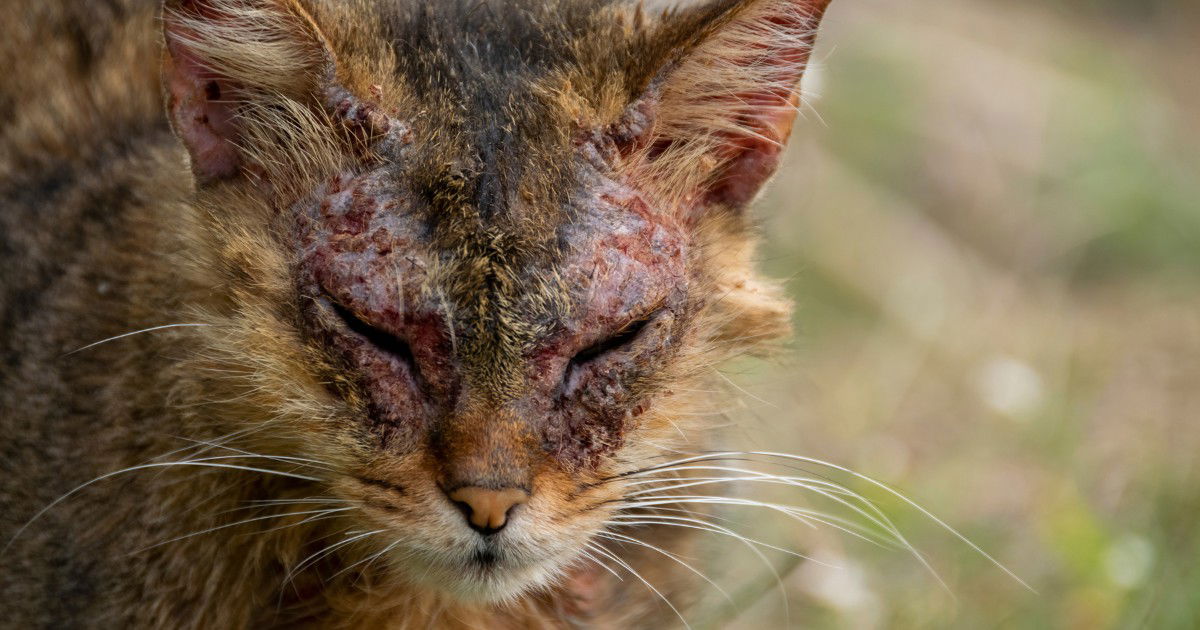
Is your cat scratching more than usual or losing patches of fur? You might be wondering if it’s just excessive grooming or something more serious like mange.
It’s easy to feel worried when you see your furry friend uncomfortable or with irritated skin. But how can you tell the difference? Knowing what to look for can help you act quickly and keep your cat happy and healthy.
Keep reading to discover the key signs that separate normal grooming from a potential skin problem, and learn what steps you should take next.
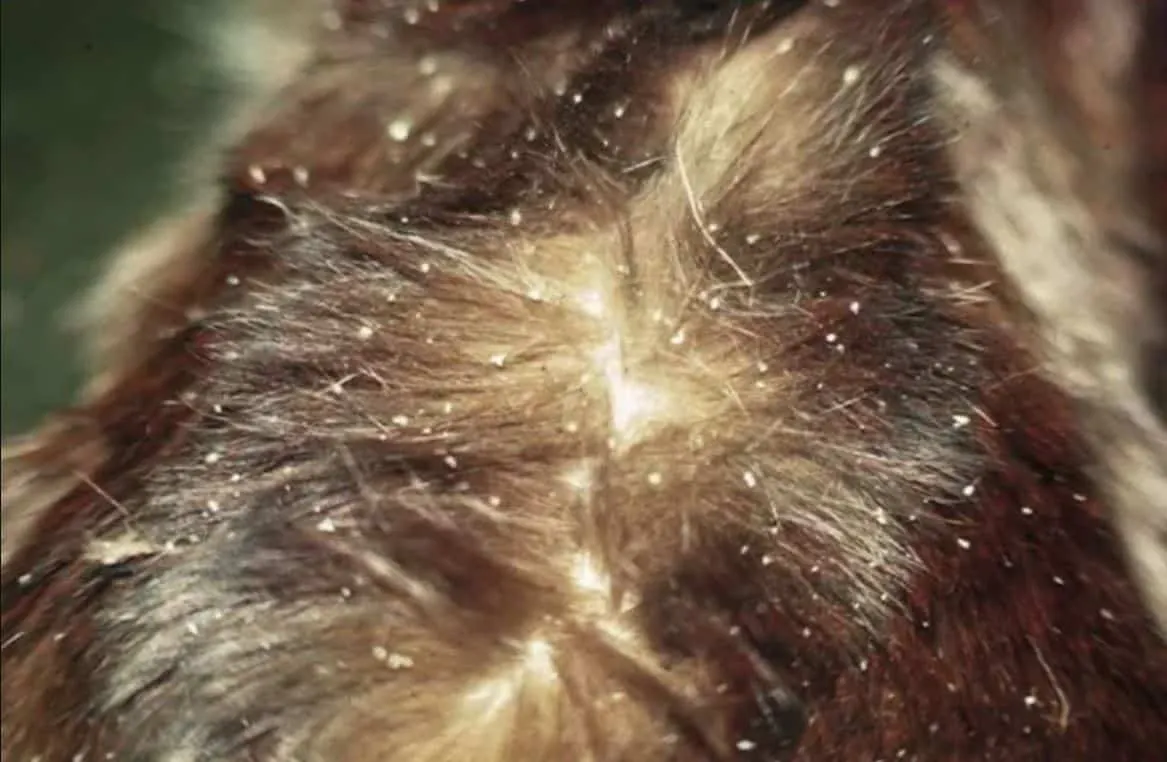
Credit: blog.petloverscentre.com
Signs Of Excessive Grooming
Excessive grooming in cats can be tricky to spot and often gets confused with skin conditions like mange. Knowing the signs helps you decide when to act and when to watch a little longer. Pay attention to how often your cat grooms and what changes you notice in their behavior or skin.
Common Causes
Excessive grooming often stems from stress, allergies, or irritations rather than infections. Cats might lick more if they’re anxious, bored, or reacting to flea bites or food sensitivities. Understanding why your cat grooms excessively helps you address the root problem—not just the symptom.
Behavior Patterns
You might see your cat licking or biting the same spot repeatedly, sometimes until the area looks raw. Notice if grooming happens more during certain times, like when you leave the house or after a stressful event. Does your cat seem restless, pacing, or hiding? These behaviors often accompany excessive grooming caused by emotional distress.
Physical Symptoms
Look for red, inflamed skin, hair thinning, or bald patches where your cat grooms the most. Small scabs or sores can develop if your cat keeps licking too much. Unlike mange, excessive grooming usually doesn’t cause widespread hair loss but focuses on specific areas, often the belly, legs, or tail base.
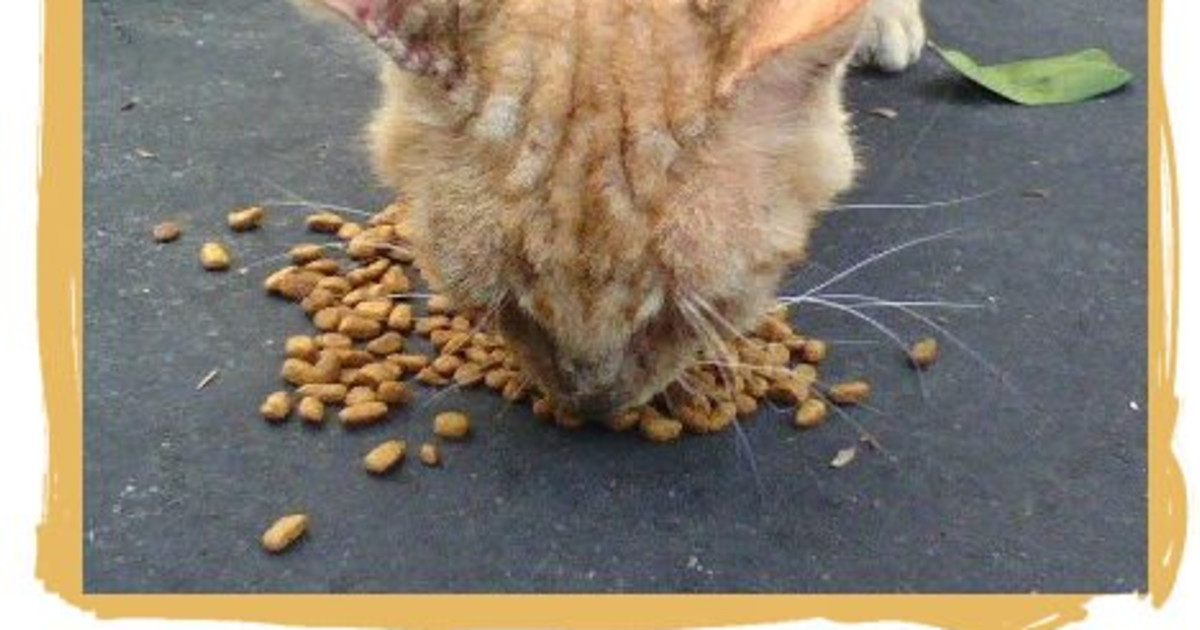
Credit: pethelpful.com
Identifying Mange In Cats
Figuring out whether your cat has mange or is just grooming too much can be tricky. Mange is a skin condition caused by mites, and it can look similar to the effects of excessive licking or scratching. Knowing the signs of mange can help you act quickly and get your cat the right care.
Types Of Mange
There are two main types of mange that affect cats:
- Sarcoptic Mange:Caused by the Sarcoptes scabiei mite, this type is highly contagious and causes intense itching.
- Demodectic Mange:Caused by Demodex mites, this form is less common in cats and often linked to a weakened immune system.
Understanding which type your cat might have can guide treatment and prevent spread to other pets.
Typical Symptoms
Mange symptoms often include:
- Red, inflamed skin
- Hair loss in patches
- Persistent itching and scratching
- Scaly or crusty skin
While excessive grooming can cause some hair loss, mange usually leads to more visible skin damage and discomfort. Have you noticed your cat’s skin looking irritated or flaky, beyond just a few bald spots?
How Mange Affects Skin And Fur
Mites burrow into the skin, causing irritation and inflammation. This leads to thickened, rough patches where fur may fall out. Over time, the skin can become cracked and scabbed, making your cat uncomfortable and more prone to infections.
Unlike simple grooming, mange affects the skin’s health directly. If your cat’s fur looks dull and the skin beneath seems damaged, it’s a strong sign that something more serious than grooming is happening.
Comparing Symptoms Side By Side
Symptoms like hair loss and redness can appear in both mange and excessive grooming. Mange often causes scabs and intense itching, while grooming leads to smoother, less irritated patches. Comparing these signs helps identify the real cause quickly.
Comparing symptoms of mange and excessive grooming can help you identify your cat’s condition. Though similar, they have distinct signs. Understanding these differences aids in proper care.Skin Appearance
Mange often causes red, inflamed skin. Patches may appear scaly or crusty. This skin irritation can be severe and widespread. In contrast, excessive grooming usually leads to smoother skin. The skin might appear pink or slightly irritated, but not inflamed.Itching And Discomfort
Cats with mange show intense itching. They scratch and bite frequently. This constant discomfort can make them restless. With excessive grooming, the cat might over-groom specific areas. Yet, they don’t show the same intense itching. The discomfort is often mild.Location Of Hair Loss
Mange causes hair loss in specific patterns. Often, it starts on the face, ears, or paws. The hair loss can spread across the body. Excessive grooming leads to localized hair loss. Usually, on the belly or inner thighs. The pattern is less uniform compared to mange.
Credit: www.preventivevet.com
When To See A Veterinarian
Knowing when to see a veterinarian can be tricky if your cat is scratching a lot or losing fur. Sometimes, it’s just excessive grooming, but other times, it might be mange, a serious skin condition. If you notice persistent hair loss, scabs, or your cat seems uncomfortable, don’t wait to get professional advice.
Diagnostic Tests
Your vet will likely perform a skin scraping to check for mites under a microscope. This test helps confirm if mange is the cause of your cat’s symptoms.
In some cases, a fungal culture or allergy testing might be needed to rule out other causes.
Blood tests can also reveal underlying health issues that contribute to excessive grooming or skin problems.
Treatment Options
If mange is diagnosed, your vet will recommend treatments such as medicated shampoos, topical ointments, or oral medications to kill the mites.
For excessive grooming without mange, treatments might focus on reducing stress or addressing allergies.
Follow the full course of treatment even if your cat starts to look better quickly—stopping early can cause a relapse.
Preventing Recurrence
Regular flea control is essential since fleas can trigger itching and grooming behavior.
Keep your cat’s living area clean and free from other animals that might carry mites.
Pay attention to any new behavioral changes or skin issues and consult your vet early to avoid future flare-ups.
Home Care Tips For Cats
Home care plays a big role in keeping your cat healthy and happy. It helps manage grooming habits and skin problems. Simple actions at home can reduce stress and improve your cat’s comfort.
Managing Grooming Habits
Watch how often your cat grooms. Over-grooming can cause skin damage. Distract your cat with toys to reduce excessive licking. Regular brushing helps remove loose fur and dirt. This lowers the need to groom too much.
Supporting Skin Health
Keep your cat’s skin clean and moisturized. Use vet-approved shampoos for sensitive skin. A healthy diet with omega-3 fatty acids supports skin repair. Check for signs like redness or scabs. Consult a vet if the skin looks worse.
Environmental Adjustments
Make your cat’s space calm and safe. Stress can lead to over-grooming. Provide cozy beds and quiet corners. Keep litter boxes clean to avoid discomfort. Maintain a stable routine to help your cat feel secure.
Frequently Asked Questions
What Are Common Signs Of Mange In Cats?
Mange causes intense itching, hair loss, redness, and scabs. Cats may also show crusty skin and restlessness. A vet diagnosis is essential to confirm mange and start treatment.
How To Differentiate Excessive Grooming From Mange Symptoms?
Excessive grooming leads to smooth, hairless patches without severe redness or scabs. Mange often causes inflamed, crusty skin with constant scratching. Observation and vet consultation help distinguish the two conditions.
Can Stress Cause My Cat’s Excessive Grooming?
Yes, stress can trigger over-grooming in cats. It often results in hair thinning or bald spots. Managing stressors and providing enrichment can reduce this behavior. A vet can rule out medical causes.
When Should I See A Vet For My Cat’s Skin Issues?
Visit a vet if your cat has persistent itching, hair loss, redness, or scabs. Early diagnosis ensures proper treatment and prevents worsening conditions like mange or infections.
Conclusion
Cats groom themselves often, but too much can signal a problem. Mange causes itching, hair loss, and skin sores. Excessive grooming might also mean allergies or stress. Watch your cat’s skin closely and note changes. A vet can diagnose mange or other issues.
Early care helps your cat feel better fast. Don’t wait if you see signs of trouble. Healthy skin means a happy, comfortable cat. Keep your pet safe with proper attention and care.

Leave a Reply