Have you ever wondered if your cat is grooming you back? You might notice your furry friend licking your skin or nuzzling close, and it can make you ask: does my cat actually groom me?
Understanding this behavior can deepen the bond you share and reveal surprising ways your cat shows affection. Keep reading to discover why your cat might be grooming you and what it really means for your relationship.
Why Cats Groom
Cats spend a lot of time grooming themselves. This behavior is natural and important for many reasons. Understanding why cats groom helps us see their actions clearly. Grooming is not just about cleaning. It also builds bonds and eases stress.
Self-care And Hygiene
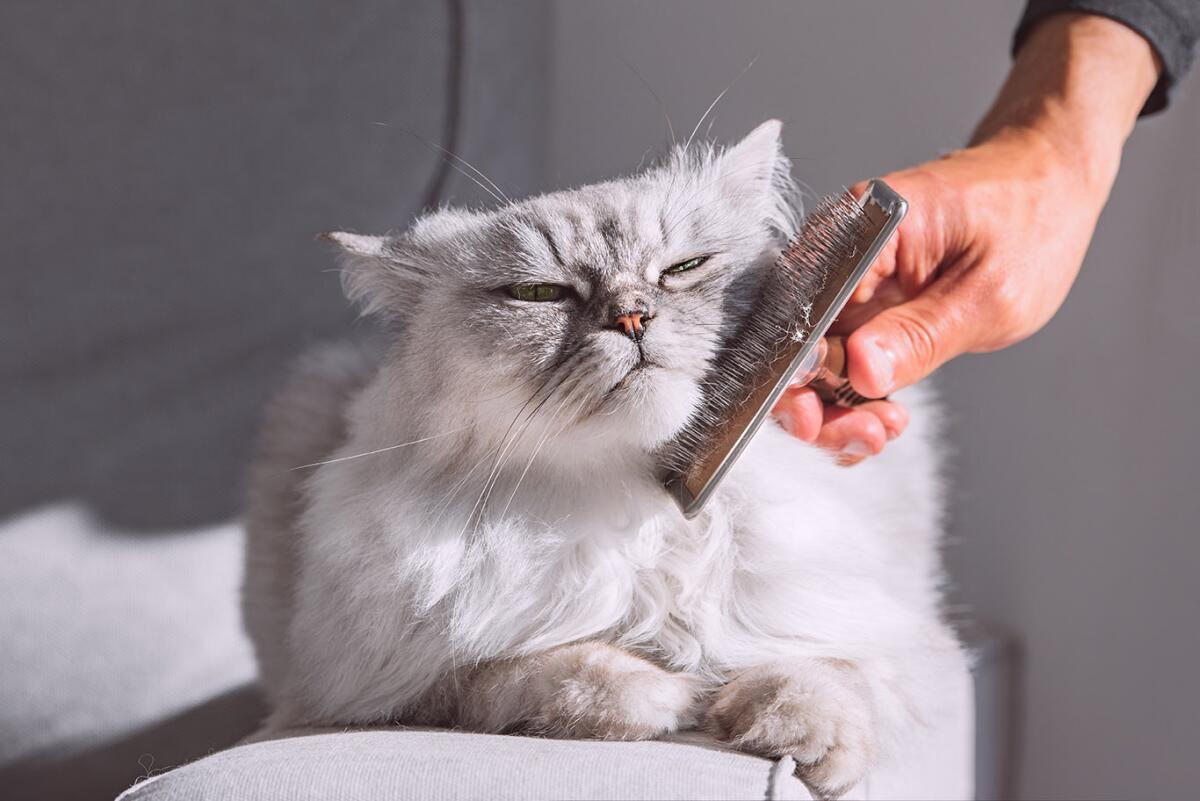
Cats lick their fur to stay clean. This removes dirt, loose hair, and parasites. Grooming helps control body temperature too. Clean fur keeps their skin healthy. It stops infections and skin problems from forming.
Social Bonding
Cats often groom each other or their owners. This shows trust and affection. It helps cats build strong social connections. Grooming strengthens the bond between cats and people. It is a way to say, “You are part of my family.”
Stress Relief
Grooming calms cats down. It lowers anxiety and helps them relax. When cats feel nervous, licking soothes their mind. This behavior can prevent them from feeling scared or upset. Grooming acts like a natural stress ball.
Cats Grooming Humans
Many cat owners wonder if their feline friends actually groom them. Cats grooming humans is a fascinating behavior that goes beyond simple affection. It’s their way of including you in their social circle and showing trust in subtle but meaningful ways.
How Cats Groom People
Cats groom themselves to stay clean, but when they start licking you, it’s a sign they see you as part of their family. They use their tongue to gently lick your skin or hair, mimicking how they would groom another cat. This action helps build a bond and shows that they feel safe and comfortable around you.
Sometimes, cats may even nudge you with their heads or rub their cheeks against you before grooming. These are scent-marking behaviors, meaning they’re tagging you as theirs. Have you ever noticed your cat licking your hand after a long day? That’s their way of saying, “You belong with me.”
Common Grooming Behaviors
- Licking your hands or arms gently
- Nibbling softly on your fingers or hair
- Rubbing their head or cheeks against your skin
- Licking areas around your face or ears
- Pawing softly as if to “comb” your hair
Each of these actions has a different meaning but generally revolves around affection and social bonding. If your cat suddenly starts grooming you more often, it might be their way of seeking comfort or reinforcing your connection.
What It Means When Cats Lick You
Licking is a powerful form of communication for cats. When your cat licks you, it often means they trust you deeply. They might be trying to comfort you or themselves, especially if they sense stress or changes in the environment.
Occasionally, licking can signal that your cat considers you part of their “grooming group,” which is a high compliment in cat language. But if the licking becomes excessive, it might indicate anxiety or health issues, so keep an eye on your cat’s overall behavior.
Next time your cat licks you, ask yourself: Are they trying to tell you something about their feelings? Paying attention to these subtle signals can strengthen your bond in unexpected ways.
Signs Of Cat Affection
Cats show affection in many gentle ways. These signs help you understand your cat’s feelings. Paying attention to these behaviors deepens your bond. Cats may groom you as a sign of love and trust.
Purring And Head Butting
Purring is a clear sign of happiness and comfort. Cats often purr when they feel safe with you. Head butting or gently bumping your head shows trust. It is their way of marking you as part of their family.
Kneading And Slow Blinking
Kneading with their paws is a soothing action. Cats knead to show contentment and affection. Slow blinking means your cat feels relaxed and secure. Returning the slow blink helps build mutual trust.
Following You Around
Cats follow people they like very closely. They want to be near you and share your space. This behavior shows they enjoy your company. It is a silent way to say, “I love you.”
Why Cats Choose To Groom You
Have you ever noticed your cat licking your skin or gently nibbling your hair? This behavior might seem odd at first, but it actually carries deep meaning. Cats don’t groom humans just for fun—they have clear reasons for choosing to groom you.
Marking Territory
Cats have scent glands around their face and body. When your cat licks you, it’s spreading its scent. This act marks you as part of their safe space and family.
Think about it: your cat feels comfortable enough to say, “You belong to me.” It’s their way of claiming you without any aggression.
Trust And Bonding
Grooming is a social activity among cats, reserved for close companions. When your cat grooms you, it shows they trust you deeply.
It’s similar to how cats groom each other to strengthen friendships. If your cat licks your hand or face, they’re bonding with you and reinforcing your relationship.
Seeking Attention
Sometimes, grooming is a clever way for your cat to get your focus. They know that licking or nibbling can make you pause and interact.
Have you noticed your cat starts grooming you right when you’re busy? It’s their subtle way of saying, “Hey, notice me!” Next time this happens, try responding with gentle petting or playtime.
When Grooming Signals Stress
When your cat grooms you, it can be a loving gesture. But sometimes, grooming might indicate stress. Cats often express their anxiety through grooming behaviors. Understanding these signals helps in providing comfort.
Over-grooming Behavior
Over-grooming is a common sign of stress in cats. It means your cat might be licking itself excessively. You may notice bald patches or irritated skin. This behavior is often a coping mechanism for anxiety or boredom. Cats might over-groom in response to changes at home or health issues.
How To Recognize Anxiety
Cats show anxiety through various behaviors. Apart from over-grooming, they might hide more often. Changes in appetite or litter box habits can also signal stress. Watch for signs like excessive meowing or sudden aggression. Recognizing these changes early can help in managing their anxiety.
Helping Your Cat Relax
Create a calm environment for your cat. Provide hiding spots and safe spaces. Regular playtime can reduce stress by keeping them engaged. Use pheromone diffusers to promote a sense of calm. A consistent routine can also help in alleviating anxiety. Ensure your cat receives enough mental and physical stimulation. Your vet can offer guidance if stress persists.
Enhancing Your Bond With Grooming
Grooming is more than just a way for your cat to stay clean; it’s a powerful tool to deepen the connection between you and your feline friend. When your cat licks or nibbles your skin, they may be sharing affection and trust. Understanding how to respond and encourage this behavior can turn grooming moments into meaningful bonding experiences that benefit both of you.
Responding To Grooming
When your cat starts grooming you, try to stay calm and gentle. Avoid sudden movements or pulling away quickly, as this might confuse or upset them. Instead, softly pet or stroke your cat in return to show you appreciate their gesture.
Have you noticed your cat grooming you more when you’re feeling stressed? This behavior often signals comfort and reassurance. Responding with a soothing voice or gentle touch can strengthen this emotional exchange.
Safe Grooming Tips
Keep your skin clean before allowing your cat to groom you. Avoid wearing strong perfumes or lotions that may irritate their sensitive noses. Also, monitor your cat’s claws to prevent accidental scratches during grooming sessions.
- Trim your cat’s nails regularly to reduce the risk of scratches.
- Wash your hands and arms before grooming to remove any harmful substances.
- Watch for signs of overstimulation, such as tail flicking or sudden biting.
Would you consider setting boundaries if your cat’s grooming becomes too intense? It’s important to maintain a balance that feels safe and comfortable for both of you.
Creating Positive Experiences
Make grooming a fun and relaxing routine by choosing quiet times when both you and your cat are calm. Use soft voices and gentle movements to encourage repeated positive interactions. Reward your cat with treats or playtime after grooming sessions to reinforce their behavior.
I once noticed my cat grooming me more after I spent a few minutes softly brushing her fur. That simple act built trust and made her more comfortable with physical contact. Can you think of a small routine that could help your cat feel more connected to you?
Frequently Asked Questions
Does My Cat Really Groom Me Like I Groom Them?
Yes, cats sometimes groom their owners as a sign of affection. This behavior mimics their natural grooming habits within their social groups.
Why Does My Cat Lick My Skin During Grooming?
Cats lick your skin to bond and show trust. Their rough tongue also transfers scents, marking you as part of their family.
Can Cat Grooming Behavior Indicate Stress Or Comfort?
Grooming usually signals comfort and relaxation. However, excessive licking may indicate stress or health issues needing attention.
How Often Do Cats Groom Their Owners?
Cats groom their owners sporadically, mostly during calm and affectionate moments. Frequency varies by cat personality and relationship strength.
Conclusion
Cats show affection in many ways, including grooming you. This behavior means they trust and care for you deeply. It strengthens your bond and makes your relationship special. Remember, cats groom themselves first, then those they feel close to. Enjoy these moments and appreciate your cat’s unique way of saying “I love you.
” Small gestures like this build a happy home for both of you. Keep observing your cat’s habits to understand them better each day. Their quiet love speaks volumes without words.

Leave a Reply