Are you struggling with allergies but don’t want to give up your beloved cat? You might be wondering if cat grooming can actually help reduce your allergy symptoms.
The idea sounds simple—clean your cat, and maybe your sneezing will stop. But is it really that easy? You’ll discover how grooming affects allergens, what steps you can take to make your home more allergy-friendly, and whether regular brushing or baths could be the relief you’re searching for.
Keep reading to find out how you can enjoy your furry friend without constantly battling allergies.
Credit: www.petscare.com
How Cat Allergies Develop
Understanding how cat allergies develop can help you manage your symptoms better and decide if grooming your cat might ease your discomfort. Allergies don’t just appear overnight; they develop through repeated exposure to certain proteins your immune system mistakenly views as harmful. This triggers a chain reaction that leads to the symptoms you experience.
Common Allergens In Cats
The primary allergen in cats is a protein called Fel d 1, which is found in their saliva, skin flakes (dander), and urine. When cats groom themselves, the saliva containing Fel d 1 dries on their fur and skin, spreading allergens around your home. Other allergens include proteins in cat urine and fur, but Fel d 1 is by far the most common culprit.
Interestingly, not all cats produce the same amount of Fel d 1. Some breeds and individual cats produce less, which might reduce allergic reactions. However, even cats with lower allergen levels can trigger symptoms if you’re very sensitive.
Symptoms Triggered By Cat Allergens
Your immune system reacts to the allergens by releasing histamines and other chemicals, causing inflammation. Common symptoms include sneezing, itchy or watery eyes, nasal congestion, coughing, and skin rashes. In more severe cases, allergens can trigger asthma attacks or difficulty breathing.
Have you noticed your symptoms worsen after petting your cat or cleaning its litter box? That’s because direct contact or exposure to airborne allergens increases your body’s immune response. Understanding these symptoms can help you pinpoint how much grooming and cleaning might reduce your allergic reactions.
Role Of Grooming In Allergen Control
Grooming plays a crucial role in managing allergens that come from cats. By regularly caring for your cat’s coat, you can significantly reduce the amount of allergenic particles like dander and saliva that spread around your home. This simple routine can make a noticeable difference in how your allergies react.
Reducing Dander With Regular Brushing
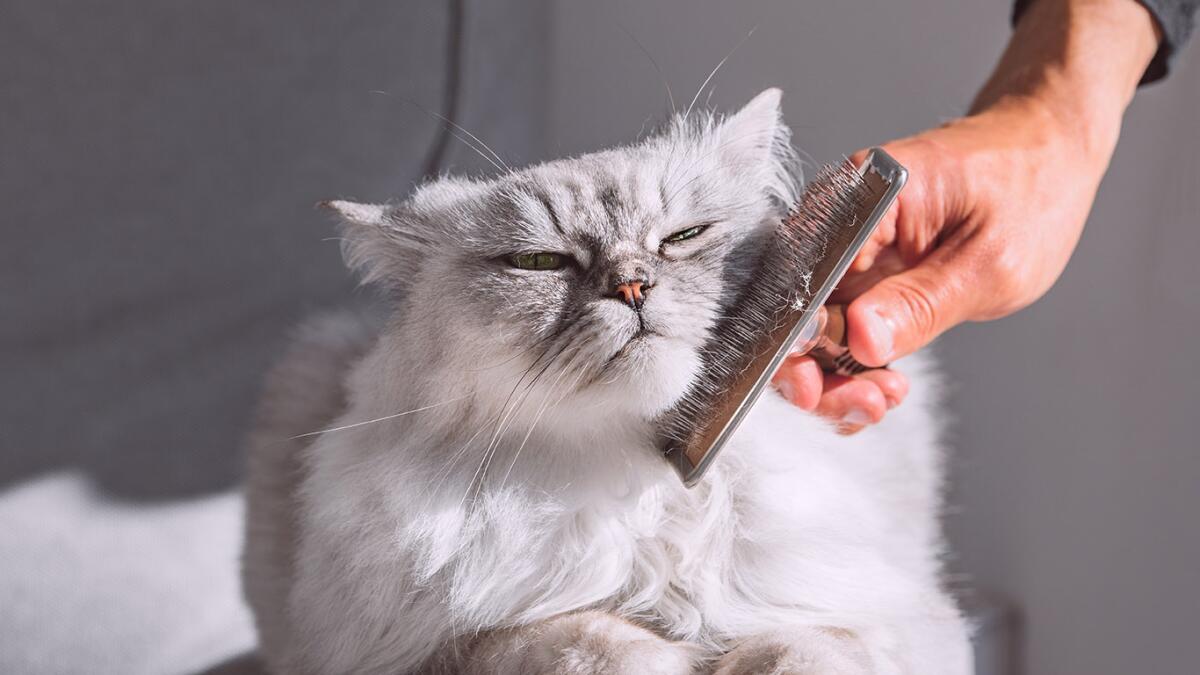
Brushing your cat daily helps remove loose fur and dander before it falls off around your living space. Dander consists of tiny skin flakes that carry proteins triggering allergic reactions in sensitive individuals.
Choosing the right brush is essential. A fine-toothed comb or a rubber grooming glove can capture more dander than coarse brushes. You might notice that after a week of consistent brushing, your sneezing episodes decrease.
Have you tried brushing your cat outdoors to prevent allergens from spreading inside your home? This small change can reduce airborne particles indoors, giving you clearer air to breathe.
Bathing And Its Impact On Allergens
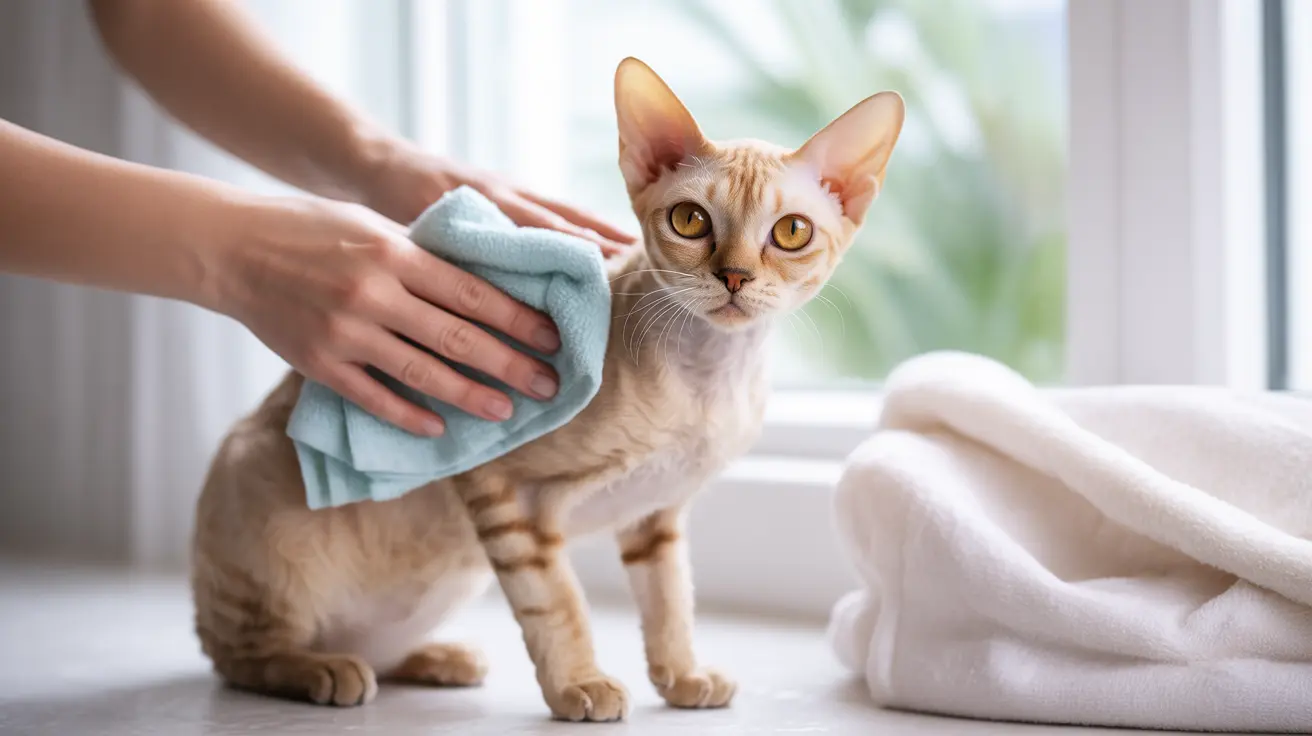
Bathing your cat can wash away allergenic proteins clinging to their fur and skin. However, cats generally dislike water, so gradual introduction and gentle handling are key.
Using hypoallergenic shampoos designed for cats can further reduce allergens without irritating their skin. Regular baths, spaced appropriately, can lower allergen levels on your cat’s body.
Consider how often you bathe your cat. While frequent baths may help, too many can dry out their skin, leading to more dander. Finding a balance that suits your pet and your allergy needs is important.
Benefits Beyond Allergy Relief
Cat grooming offers many benefits beyond reducing allergy symptoms. Regular grooming helps keep your cat healthy and clean. It also deepens the connection between you and your pet. These advantages make grooming an important part of caring for your cat.
Improved Cat Health And Hygiene
Grooming removes dirt, loose fur, and debris from your cat’s coat. It helps prevent matting and skin infections. Brushing also stimulates blood flow, promoting healthier skin. Regular checks during grooming catch issues like fleas or wounds early. Clean ears and trimmed nails reduce discomfort and infections. Overall, grooming supports your cat’s well-being and comfort.
Strengthening The Human-pet Bond
Grooming creates quiet, focused time with your cat. Gentle brushing and touching build trust and calm your pet. Cats often enjoy the attention and may become more affectionate. This shared routine can reduce stress for both of you. Spending quality time helps form a stronger, loving relationship. Grooming is more than care; it’s connection.

Credit: www.latimes.com
Effective Grooming Techniques
Regular cat grooming reduces loose fur and dander, which can lower allergy symptoms. Brushing your cat often keeps their coat clean and helps control allergens. Simple grooming habits make a noticeable difference for allergy sufferers.
Cat grooming is not just about keeping your feline friend looking fabulous. It can also play a significant role in reducing allergens in your home. By adopting effective grooming techniques, you can help minimize the amount of cat dander and hair that triggers allergies. Let’s dive into some practical methods that can make a big difference in managing allergies.Choosing The Right Tools
The first step in effective grooming is selecting the appropriate tools. A high-quality brush designed for your cat’s specific fur type is essential. For short-haired cats, a soft-bristled brush can work wonders in removing loose hair. Long-haired cats, on the other hand, benefit from a slicker brush that can penetrate deeper into their thick coats. Consider adding a grooming glove to your toolkit. It can be particularly effective for cats that are wary of traditional brushes, offering a soothing experience while capturing dander. Regular combs can help with detangling fur, but ensure the teeth are not too sharp to avoid irritating your cat’s skin.Frequency And Timing Of Grooming
How often should you groom your cat to keep allergens at bay? The answer depends on your cat’s breed and coat length. Generally, grooming your cat once or twice a week can significantly reduce shedding and dander. For long-haired breeds, more frequent sessions may be necessary. Timing is crucial too. Groom your cat when they are calm and relaxed, such as after a meal or playtime. This ensures a smoother grooming experience and reduces stress for both you and your pet. Consistent grooming at the right times can make your cat more cooperative and the process more effective. By implementing these effective grooming techniques, you can create a healthier environment for both your cat and allergy-prone family members. Have you tried any of these methods, or do you have additional tips to share? Your insights could be invaluable to fellow cat owners navigating the world of cat allergies.Additional Allergy Management Tips
Managing allergies requires more than just grooming your cat. Small changes at home can reduce allergens effectively. These simple habits can make your environment cleaner and healthier.
Home Cleaning Strategies
Regular cleaning helps remove pet dander and dust. Use a vacuum with a HEPA filter to trap tiny particles. Clean floors, carpets, and furniture often. Wash pet bedding and blankets weekly in hot water. Dust surfaces with a damp cloth to avoid spreading allergens in the air. Keep clutter low to reduce places where dust can collect.
Air Purifiers And Ventilation
Air purifiers with HEPA filters capture airborne allergens. Place them in rooms where your cat spends most time. Open windows to improve airflow and reduce indoor allergens. Use exhaust fans in kitchens and bathrooms to remove moisture and particles. Avoid smoking indoors to keep air quality high. Proper ventilation helps lower allergen levels and freshens the air.
When Grooming Isn’t Enough
Grooming cats can reduce dander and loose fur, which helps ease allergies. Still, grooming alone might not stop allergy symptoms. Allergies often stem from proteins in cat saliva and skin, which regular grooming cannot fully remove.
People with strong allergies may find that pet care is not enough. Persistent sneezing, itchy eyes, or breathing trouble call for extra measures. Understanding other options helps manage symptoms better and keeps living with cats more comfortable.
Medical Treatments For Cat Allergies
Medical treatments can reduce allergic reactions effectively. Antihistamines help control sneezing, itching, and runny noses. Nasal sprays reduce inflammation in airways. In some cases, allergy shots (immunotherapy) train the body to tolerate allergens over time.
Doctors may suggest combination therapies for stronger relief. These treatments do not cure allergies but improve quality of life. Always follow medical advice and report any side effects promptly.
Consulting Allergy Specialists
Allergy specialists diagnose and treat cat allergies precisely. They perform tests to identify specific allergens causing symptoms. Specialists create personalized plans to manage allergies safely.
Visits to allergy experts help explore all treatment options. They can recommend environmental changes, medications, and lifestyle adjustments. Consulting a specialist ensures allergy care is effective and tailored.

Credit: www.manhattanentdoctor.com
Frequently Asked Questions
Does Cat Grooming Reduce Allergy Symptoms?
Regular cat grooming helps remove dander and loose fur, which carry allergens. This can lower airborne allergens and reduce allergy symptoms for sensitive individuals. Grooming also keeps your cat’s coat clean, minimizing allergen spread around the home.
How Often Should I Groom My Cat For Allergies?
Grooming your cat at least twice a week helps control allergens effectively. Frequent brushing removes dander and loose hair that trigger allergies. Consistent grooming is key to maintaining a cleaner environment and reducing allergic reactions.
Can Grooming Sprays Help With Cat Allergies?
Yes, grooming sprays designed to reduce dander can help manage cat allergies. These sprays often contain ingredients that neutralize allergens or soothe your cat’s skin. Always choose pet-safe products and consult your vet before use.
Does Bathing A Cat Reduce Allergy Triggers?
Bathing your cat occasionally can reduce allergens by washing away dander and saliva residues. However, frequent baths may stress your cat and cause skin issues. Use mild shampoos recommended by veterinarians for best results.
Conclusion
Cat grooming can reduce allergens like dander and loose fur. Regular brushing helps keep your home cleaner. Baths also wash away irritants on a cat’s skin. Grooming alone may not stop allergies completely. But it can make symptoms easier to manage.
Try combining grooming with cleaning and air filters. Small steps can lead to big comfort. Caring for your cat helps both of you feel better. Give grooming a try and see the difference.



Leave a Reply