Do you think you know all the popular cat breeds? Think again.
There are some fascinating feline friends out there that might surprise you. Whether you’re a cat lover or just curious, discovering these unique breeds can change the way you see cats forever. Ready to learn about cats that could steal your heart?
Keep reading—you won’t want to miss a single one.
Rare Cat Breeds
Rare cat breeds capture the hearts of those who seek something unique. These cats stand out with their unusual looks and distinct personalities. They offer a special charm that is hard to find in common breeds. Their rarity adds to their appeal and makes them fascinating pets for cat lovers.
Each rare breed has a story and traits that make it special. Discover the secrets behind these uncommon feline friends.
Laperm
The LaPerm is known for its curly fur. Its coat feels soft and springy to touch. This breed is friendly and loves to cuddle. It adapts well to different homes and families. The LaPerm’s unique look makes it a conversation starter.
Kurilian Bobtail
The Kurilian Bobtail has a short, bobbed tail. This tail looks like a pom-pom or a bunny’s tail. It is a strong and active cat with good hunting skills. This breed is playful and intelligent. It bonds closely with its owners and enjoys company.
Peterbald
The Peterbald looks very elegant and slim. It often has little or no fur at all. This breed feels warm and soft like suede. It is curious and loves to explore its surroundings. Peterbald cats are affectionate and enjoy being near people.
Sokoke
The Sokoke is rare and has a wild look. Its coat has a unique patchy pattern like tree bark. This breed is agile and loves to climb. It is independent but can be gentle with family. The Sokoke brings a touch of the wild into your home.
Stunning Cat Appearances
The world of cats is full of surprises, especially when you notice their stunning appearances. Each breed brings something special to the table, from fur to form. You might find yourself staring a little longer, wondering how nature crafts such beauty.
Unique Coat Patterns
Have you ever seen a cat with a coat that looks like a living piece of art? Some breeds, like the Bengal, sport bold spots and rosettes that resemble wild leopards. Others, such as the Siamese, boast striking color points that highlight their ears, face, paws, and tail.
Patterns can range from stripes and spots to marbled swirls. They don’t just add beauty; they tell a story about the breed’s origin and genetics. Next time you meet a cat, take a moment to study their fur — what story do you think it tells?
Eye Colors That Captivate
Cat eyes can hold you spellbound with their unusual colors. Some breeds, like the Russian Blue, often have vivid green eyes that seem to glow. Others, such as the Turkish Van, may have two different colored eyes—a striking trait called heterochromia.
Eye colors can be blue, green, amber, or even copper. What makes your cat’s eyes unique? Notice how their gaze changes with light—that shimmer can reveal a lot about their mood and personality.
Distinctive Body Shapes
Not all cats share the same silhouette. The Sphynx’s hairless, muscular body feels like a warm suede glove, while the Maine Coon is large and fluffy, built for cold climates. Some cats, like the Abyssinian, have lean, athletic frames perfect for agility.
Body shape often hints at a cat’s behavior and needs. Does your cat’s build influence how active or cuddly they are? Observing these differences can help you understand your feline friend better and tailor their care to suit their unique form.
Temperaments Of Rare Cats
Rare cat breeds often surprise owners with unique temperaments that differ significantly from common feline companions. Understanding these temperaments helps you connect better with your rare cat and meet their specific needs. Let’s look at some common personality traits found in these extraordinary cats.
Playful Personalities
Many rare cats are incredibly playful, often retaining kitten-like energy well into adulthood. Breeds like the Bengal or the Serengeti love interactive toys and puzzles that challenge their intelligence.
Engaging your cat with play not only keeps them physically active but also prevents boredom, which can lead to unwanted behaviors. Have you tried introducing new toys or games to see how your rare cat responds?
Affectionate Traits
Some rare cats are surprisingly affectionate and enjoy close contact with their humans. The Scottish Fold, for example, is known to follow their owners around and seek out cuddles.
These cats thrive on attention and can form strong bonds, so don’t hesitate to give them plenty of love. If your rare cat shows affection, returning it can deepen your relationship and build trust.
Independent Spirits
On the other hand, some rare breeds like the Russian Blue or the Chartreux display a more independent nature. They may appreciate affection but also value alone time and space.
Respecting their boundaries helps you avoid stress for your cat and creates a peaceful home environment. How do you balance attention and independence with your cat’s personality?

Credit: www.youtube.com
Care Tips For Uncommon Breeds
Uncommon cat breeds have unique needs that differ from popular breeds. These cats often require special care to stay healthy and happy. Understanding their dietary needs, grooming, and health issues is key to good care.
Dietary Needs
Rare breeds may need specific diets for their energy and health. Some cats need more protein or fat. Others require food that supports sensitive stomachs or skin. Always choose high-quality cat food that matches your cat’s age and lifestyle.
- Feed protein-rich food for active breeds.
- Provide wet food for hydration.
- Avoid fillers and artificial additives.
- Consult a vet for special dietary advice.
Grooming Essentials
Grooming varies by breed coat type. Long-haired cats need daily brushing to prevent tangles. Short-haired cats benefit from weekly grooming to reduce shedding. Bathing is rarely needed but may help some breeds. Check ears, eyes, and nails regularly.
- Brush long coats gently every day.
- Use a soft brush for short hair weekly.
- Trim nails carefully every two weeks.
- Clean ears with a damp cloth if dirty.
Health Considerations
Uncommon breeds can face breed-specific health issues. Some are prone to heart or kidney diseases. Regular vet visits help catch problems early. Vaccinations and parasite control remain essential. Keep an eye on behavior changes and appetite.
| Breed | Common Health Issues | Care Tips |
|---|---|---|
| Sphynx | Skin infections, sensitive to cold | Keep warm, bathe regularly |
| Scottish Fold | Joint problems | Avoid jumping from heights, monitor mobility |
| Singapura | Dental issues | Regular dental checkups |
Finding And Adopting Rare Cats
Discover unique cat breeds that are rare and special. These cats offer different looks and personalities for those ready to adopt. Finding one means bringing home a truly distinctive companion.
Finding and adopting rare cats can be a rewarding journey. Many people seek unique cat breeds for their beauty and charm. Yet, it’s important to approach this journey with care and knowledge. Understanding how to find rare cats helps ensure a positive experience. Here’s how you can go about it.Responsible Breeders
Start by researching responsible breeders. They prioritize the health of their cats. Look for breeders with a good reputation. Visit their facilities if possible. This allows you to see the environment the cats are raised in. Ask about the cat’s health history. A responsible breeder will provide this information willingly. They care about finding good homes for their cats.Rescue Organizations
Consider rescue organizations for adopting rare breeds. Some focus on specific breeds. Others have a variety of cats. Rescues often have cats in need of loving homes. Adopting from a rescue is a noble choice. It gives a cat a second chance. Check their adoption process and requirements. This ensures a smooth adoption experience.Adoption Process
Understand the adoption process before you begin. Each organization or breeder may have different steps. Fill out any necessary applications carefully. Be prepared for a home visit or interview. This ensures the cat goes to a safe environment. Meet the cat before finalizing the adoption. This helps you bond and ensures a good match.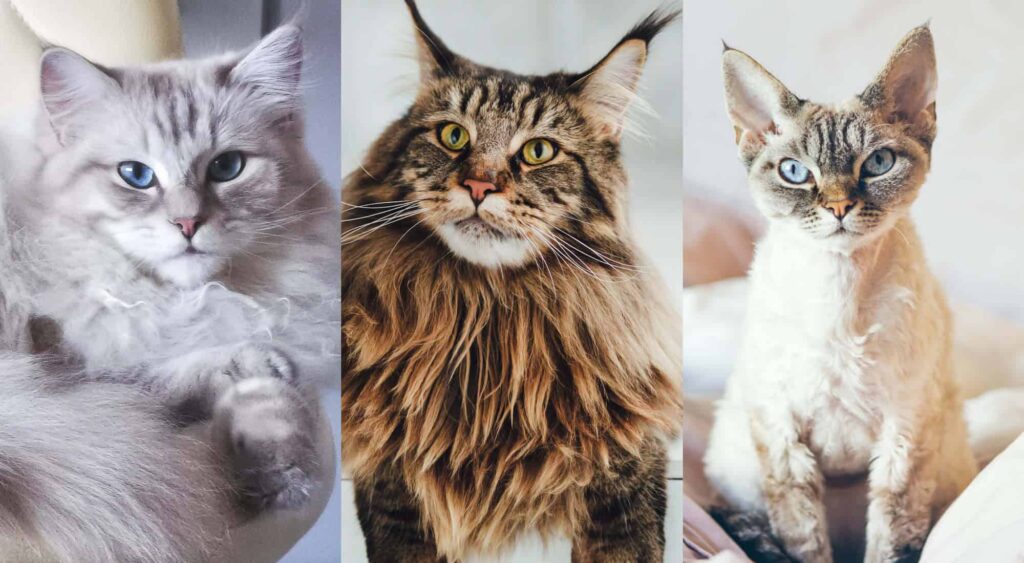
Credit: rawznaturalpetfood.com

Credit: www.amazon.ca
Frequently Asked Questions
What Are The Most Popular Cat Breeds Worldwide?
Popular cat breeds include Siamese, Persian, Maine Coon, Ragdoll, and Bengal. Each breed has unique traits and personalities. Knowing these breeds helps in choosing the right pet. They vary in size, coat, and temperament, catering to different owner preferences and lifestyles.
How Do Cat Breeds Differ In Personality Traits?
Cat breeds differ widely in behavior and social needs. Siamese cats are vocal and affectionate, while Persians are calm and gentle. Maine Coons are playful and friendly. Understanding breed traits helps owners provide better care and build stronger bonds with their cats.
Which Cat Breeds Are Best For Allergy Sufferers?
Siberian, Balinese, and Sphynx cats are known for being hypoallergenic. They produce fewer allergens compared to other breeds. These cats can be a better choice for people with mild allergies. However, individual reactions may vary, so spending time with a breed is recommended before adoption.
What Are The Grooming Needs Of Various Cat Breeds?
Grooming needs depend on the cat’s coat type. Long-haired breeds like Persians require daily brushing to prevent matting. Short-haired cats need less frequent grooming but benefit from regular brushing to reduce shedding. Regular grooming maintains coat health and reduces hairballs.
Conclusion
Cats come in many unique breeds, each with special traits. You now know some popular and rare types. Choosing the right cat depends on your lifestyle and preferences. Every breed has its own charm and care needs. Enjoy learning about cats and maybe find your perfect match.
Keep exploring, and your love for cats will grow.



Leave a Reply