Have you ever noticed your tabby cat spending a lot of time licking its fur? You might be wondering if tabby cats groom more than other cats.
Understanding your cat’s grooming habits can tell you a lot about their health and happiness. You’ll discover surprising facts about tabby cats and their grooming routines that might change how you care for your furry friend. Keep reading to find out if your tabby’s grooming is normal or if there’s something special about those stripes!
Tabby Cat Grooming Habits
Tabby cats have unique grooming habits that keep their coats healthy and shiny. These cats care a lot about their cleanliness. Their grooming routines play a big role in their daily life and well-being.
Frequency Of Grooming Sessions
Tabby cats groom themselves several times a day. They spend about 30 to 50 percent of their waking hours grooming. This helps remove dirt and loose fur. Grooming also cools them down and reduces stress. The exact frequency can vary by age and personality.
Common Grooming Behaviors
Tabby cats use their tongues to clean their fur carefully. Their tongues have tiny, hook-like structures that catch loose hair. They often lick their paws and then rub their faces. This helps clean hard-to-reach areas. Sometimes, they bite small patches of fur to untangle knots. Tail grooming is common too, keeping the fur neat and smooth.
Grooming In Other Cat Breeds
Cat grooming habits differ across breeds. Each breed has unique needs based on its fur type and natural behavior. Understanding these habits helps in proper care and maintenance.
Some cats groom themselves more often, while others need human help. Grooming keeps cats clean, reduces hairballs, and controls shedding.
Short-haired Vs. Long-haired Cats
Short-haired cats groom less frequently than long-haired cats. Their fur is easier to manage and less prone to tangles. These cats usually lick themselves briefly to stay clean.
Long-haired cats spend more time grooming. Their thick fur can trap dirt and debris. They need to untangle knots and prevent mats, which requires more effort.
- Short-haired cats: quick and simple grooming
- Long-haired cats: longer, more thorough grooming sessions
- Long-haired breeds often need owner assistance
Breed-specific Grooming Traits
Certain breeds have special grooming habits. For example, Sphynx cats, with no fur, need skin cleaning instead of fur grooming. They may require regular baths to remove oils.
Siamese cats have fine, short fur and groom often to keep it sleek. Persian cats, with dense coats, struggle more with mats and need daily brushing.
| Breed | Grooming Needs | Common Challenges |
|---|---|---|
| Sphynx | Skin cleaning, baths | Oily skin buildup |
| Siamese | Regular self-grooming | Minimal matting |
| Persian | Daily brushing | Mats and tangles |
Each breed’s grooming style affects how often they clean themselves. Understanding these traits helps owners provide better care.
Factors Influencing Grooming
Grooming habits in cats vary widely due to several factors. These factors influence how often and how thoroughly a cat cleans itself. Tabby cats may not inherently groom more than others, but their grooming can be shaped by their surroundings and health. Understanding these influences helps explain differences in grooming behavior.
Environmental Impact
A cat’s environment plays a big role in its grooming routine. Cats living outdoors or in dusty places tend to groom more to remove dirt. Indoor cats might groom less since they stay cleaner. Temperature also affects grooming. Cats groom to cool down in hot weather and fluff up their fur in cold. Stressful environments can increase grooming as a calming activity. Calm, safe spaces usually lead to normal grooming habits.
Health And Age Considerations
Health strongly affects how often a cat grooms. Cats with skin problems or parasites often groom more to ease irritation. Pain or arthritis can reduce grooming because it hurts to reach certain areas. Older cats might groom less due to reduced flexibility or energy. Young cats and kittens groom frequently to keep clean and learn self-care. Regular vet checks help spot health issues that change grooming patterns.
Why Tabby Patterns Don’t Affect Grooming
Tabby patterns do not influence how often cats groom themselves. Grooming habits depend on personality, health, and environment, not fur markings. All cats clean themselves regularly regardless of their coat pattern.
Why Tabby Patterns Don’t Affect Grooming Tabby cats are undeniably charming with their striking coat patterns. However, the swirling designs on their fur don’t influence their grooming habits. It’s easy to assume that a specific coat pattern might dictate a unique behavior, but grooming is more about genetics and personal traits.Genetics Behind Coat Patterns
The distinctive patterns on a tabby cat’s coat are determined by genetics. These genes control the pigments that create the unique stripes, swirls, and spots. However, they have no role in determining how often or how thoroughly a cat grooms itself. A cat’s grooming frequency is more related to its breed and individual personality. Just like humans, some cats are more meticulous than others, regardless of their fur pattern. You might have noticed how your tabby curls up for a grooming session after every meal, but this is not because of its coat design.Behavioral Traits Linked To Grooming
Behavioral traits play a significant role in how much a cat grooms. Cats groom for several reasons: to clean themselves, to regulate their body temperature, and even to feel secure. Have you ever noticed your tabby grooming more frequently during stressful times? This behavior isn’t about vanity but about comfort and self-soothing. Cats also groom to bond with other cats or even with you. Next time your tabby rubs against you and starts grooming, consider it a sign of affection rather than a need to clean their coat pattern. Ultimately, while tabby patterns make your cat look unique, they don’t dictate grooming habits. It’s all about the individual personality and needs of your feline friend.Common Myths About Tabby Cats
Tabby cats often face many myths about their behavior and grooming habits. These myths can cause confusion about how much they groom compared to other cats. Understanding these common misconceptions helps in appreciating tabby cats better.
Grooming Stereotypes
Many believe tabby cats groom more than other cats. This idea comes from their striking coat patterns. People think their markings need extra care.
In reality, all cats groom themselves regularly. Grooming depends on the cat’s health, age, and personality. Tabby cats do not groom more just because of their stripes or spots.
Some assume tabbies shed less due to their coat pattern. Shedding varies by breed and season, not by tabby markings.
Misconceptions About Temperament
People often say tabby cats have a special temperament. Some think they are friendlier or more playful. Others believe tabbies are shy or aloof.
The truth is temperament varies among all cats. A tabby can be calm, playful, shy, or outgoing. Their pattern does not decide their personality.
Many myths come from stories or cartoons featuring tabby cats. Real tabbies show a wide range of behaviors like any other cat.
Tips For Maintaining Cat Hygiene
Maintaining your cat’s hygiene is key to keeping it healthy and happy. Cats, including tabbies, often groom themselves, but they still need your help to stay clean and comfortable. You might wonder how to make grooming easier and know when your cat might need extra care.
Brushing Techniques
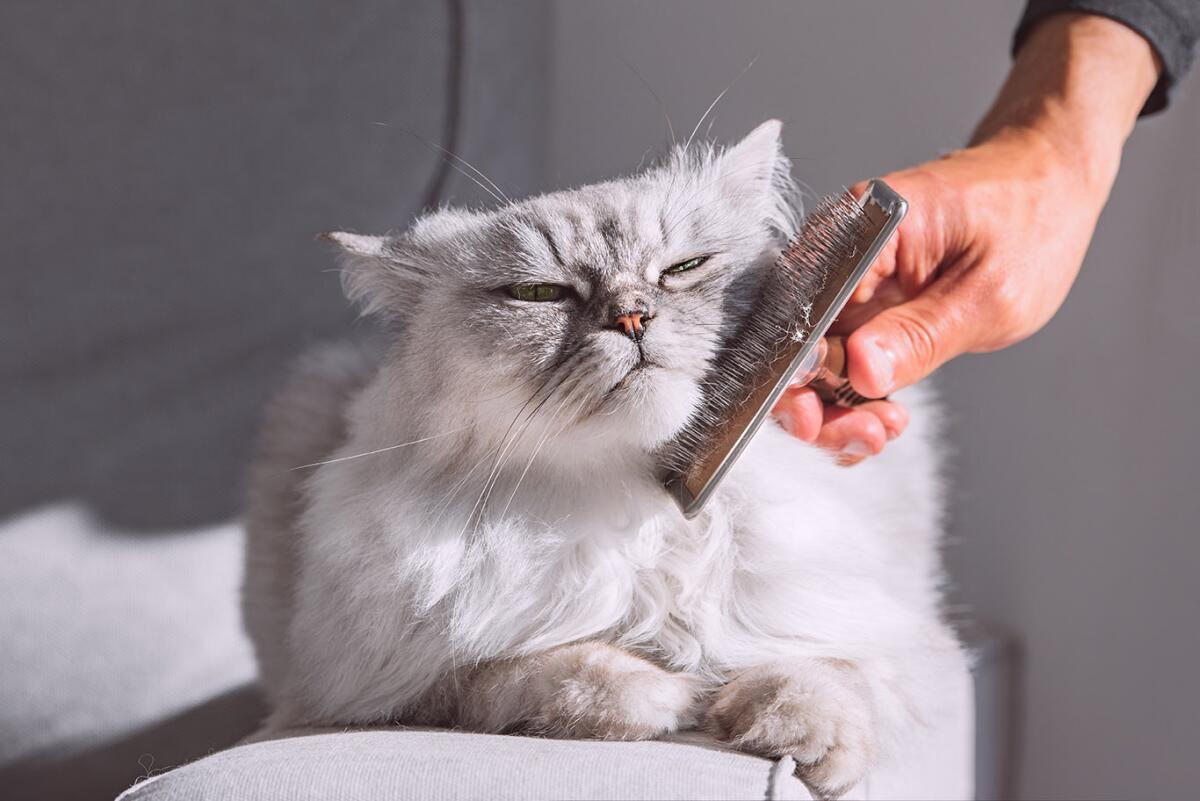
Brushing your cat regularly removes loose fur and prevents mats. Use a brush suited for your cat’s fur type—soft bristles for short-haired cats and a slicker brush for longer fur.
Brush gently in the direction of hair growth to avoid hurting your cat. Pay special attention to areas where mats often form, like behind the ears and under the legs.
Try brushing your cat at the same time each day to build a routine. You might find your cat starts to enjoy this bonding time, making grooming less stressful for both of you.
When To Seek Veterinary Help
If your cat suddenly stops grooming or over-grooms one spot, it could signal health problems. Look for signs like bald patches, redness, or sores on the skin.
Changes in grooming habits might mean your cat is in pain or feeling stressed. Don’t wait—consult your vet if you notice any unusual behavior or skin issues.
Have you ever noticed your cat licking a spot repeatedly? That’s a clear sign to check with your vet. Early action can prevent bigger problems later.
Frequently Asked Questions
Do Tabby Cats Groom More Than Other Cats?
Tabby cats do not groom more than other cats. Grooming habits depend on individual cat behavior, not coat patterns. All cats groom regularly to stay clean and healthy.
Why Do Tabby Cats Groom Themselves Frequently?
Tabby cats groom frequently to remove dirt, loose fur, and parasites. Grooming also helps regulate body temperature and reduce stress.
Is Grooming Behavior Linked To A Cat’s Coat Pattern?
No, grooming behavior is not linked to coat patterns. It varies by personality, health, and environment rather than fur color or pattern.
Can Over-grooming Be A Problem In Tabby Cats?
Yes, over-grooming can indicate stress, allergies, or skin issues. If your tabby grooms excessively, consult a vet for proper diagnosis.
Conclusion
Tabby cats do not groom more than other cats. All cats clean themselves often to stay healthy. Grooming depends on the cat’s personality and health, not its fur pattern. Some cats groom more because they feel stressed or itchy. Others groom less if they are older or sick.
Watching your cat’s grooming habits helps you spot problems early. Keep your cat clean and happy by offering regular care. Each cat is unique in how it grooms daily. Understanding this helps you care for your furry friend better.

Leave a Reply