
Have you ever noticed how some cats carry their tails high while others keep them low? It might seem like a small detail, but your cat’s tail position can say a lot about their mood and even their breed.
If you’ve been wondering whether certain cat breeds tend to keep their tails down more often, you’re about to discover surprising facts that can help you understand your feline friend better. Keep reading to learn what your cat’s tail position really means and why some breeds have their tails in different moods.
This insight could change how you connect with your cat every day.
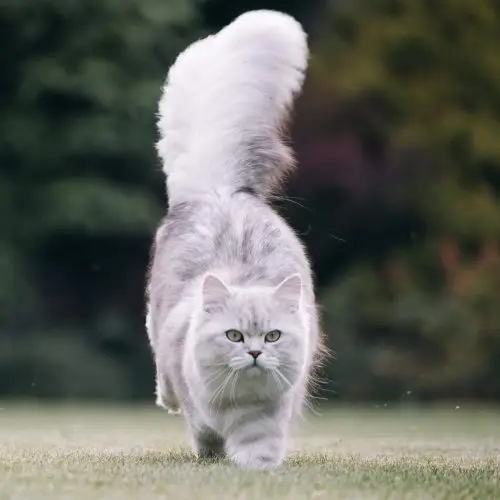
Credit: bowwowinsurance.com.au
Tail Positions In Cats
Cats use their tails to communicate a lot. Tail positions can show how a cat feels. Understanding these can help you read your cat better. Some cat breeds may keep their tails down more often. This might depend on their personality or breed traits. Observing tail movements helps you know your cat’s mood quickly.
Common Tail Movements
- Tail held high: The cat feels happy and confident.
- Tail twitching: The cat is curious or slightly annoyed.
- Tail wrapped around the body: The cat feels relaxed or sleepy.
- Tail flicking: The cat is irritated or focused.
- Tail tucked down: The cat feels scared or submissive.
- Slow tail swaying: The cat is thinking or unsure.
What Tail Positions Mean
A tail held high shows friendliness and confidence. Cats greet friends this way.
A tail down often means fear or insecurity. Some shy breeds keep tails low.
Quick flicks show annoyance or alertness. Watch for signs of stress.
Wrapping the tail around the paws means comfort and trust.
A slow, gentle sway means the cat is calm but alert. It’s not always anger.
Breeds With Low Tail Carriage
Some cat breeds naturally carry their tails lower than others. This trait can reflect their unique body structure or breed history. Cats with low tail carriage often show calm or reserved behavior. Their tail position can also make them stand out visually among other breeds.
Maine Coon
The Maine Coon has a long, bushy tail that usually hangs low. This breed uses its tail for balance but keeps it relaxed near the ground. The tail complements their large, muscular body and thick fur coat. Maine Coons often carry their tails low while walking or resting.
Scottish Fold
Scottish Folds have medium-length tails that tend to stay close to their bodies. Their unique folded ears add to their calm and gentle look. This breed often holds its tail low, matching its quiet and affectionate personality. The tail position can also reflect their alertness or mood.
Manx
Manx cats are famous for their short or missing tails. Some Manx have a small stub, while others have no tail at all. This breed naturally has low tail carriage because of its tail structure. Manx cats rely on strong hind legs for movement and balance instead of a long tail.
Genetic Traits Affecting Tail Posture
Genetic traits play a major role in how cats carry their tails. Some breeds naturally hold their tails down more than others. These traits come from inherited features like tail length, shape, and typical posture. Understanding these traits helps explain why certain cats keep their tails lowered.
Tail Length And Shape
Tail length varies widely among cat breeds. Some cats have long, flexible tails, while others have short or even bobbed tails. The shape of the tail affects how easily it can move and curl.
- Long tails often show more movement and expressiveness.
- Short or stubby tails may stay lowered due to limited flexibility.
- Curved or kinked tails might naturally hang down or bend.
These physical differences affect tail posture and how cats communicate with their tails.
Inherited Posture Tendencies
Cats inherit tail posture habits from their ancestors. Some breeds have a genetic tendency to hold tails low as a sign of calmness or submission. Others raise their tails high to show confidence or friendliness.
- Breeds like the Scottish Fold often keep tails down more.
- Oriental breeds tend to hold tails upright.
- Tail posture can reflect breed-specific behavior patterns.
These tendencies influence how cats use their tails in daily life and social interactions.
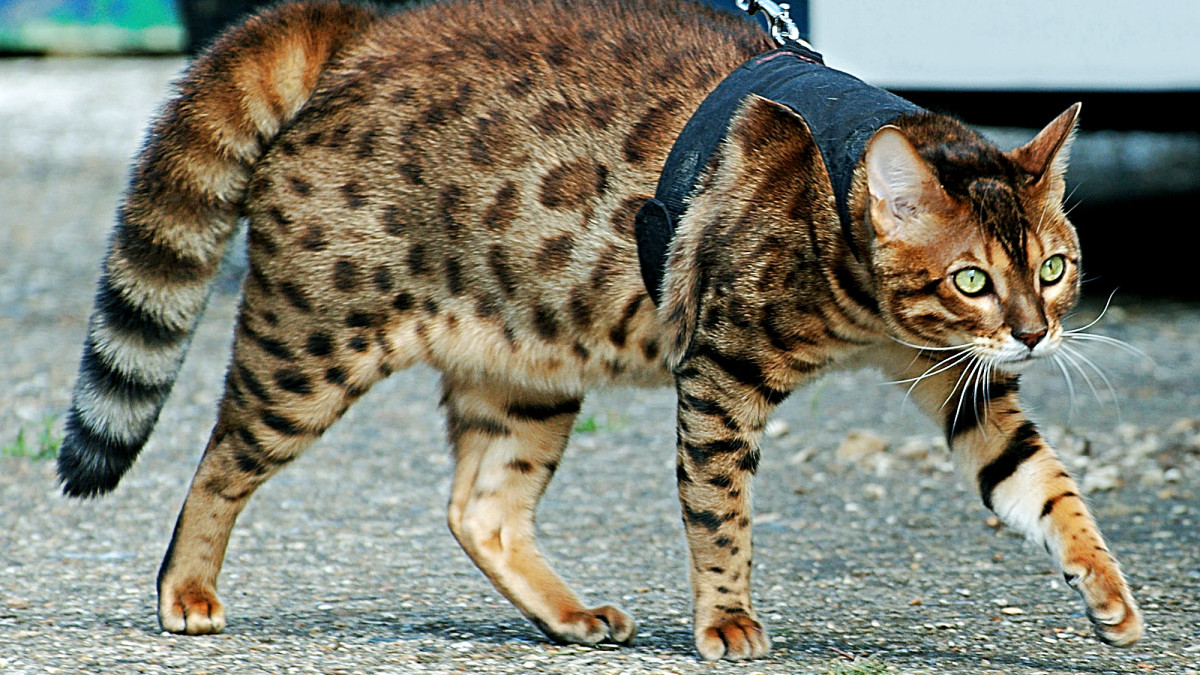
Credit: paradepets.com
Behavioral Reasons For Tail Down
Cats hold their tails down to show fear, stress, or submission. Some breeds naturally keep their tails lower due to temperament. Tail position helps reveal a cat’s mood and feelings.
Cats often communicate through their tails. A tail held down can signal various things. Understanding these signals can help cat owners provide better care. Let’s explore some behavioral reasons for a cat’s tail being down.Stress And Anxiety
Cats can feel stressed by changes in their environment. New pets, loud noises, or moving homes can cause anxiety. A stressed cat might keep its tail down. This position can indicate a need for comfort. Owners should observe changes in behavior. Providing a calm space can help reduce stress.Health Issues
Health problems can affect a cat’s tail position. Pain or injury might make a cat hold its tail down. Cats with arthritis or back pain often show similar signs. Regular vet check-ups can catch health issues early. Observing changes in tail position can alert owners to potential problems.Social Interactions
Social dynamics influence tail behavior. A cat might lower its tail in the presence of a dominant cat. This can signal submission or fear. Cats also use tail positions to communicate with humans. Understanding these cues helps improve human-cat relationships. Observing social interactions can reveal much about a cat’s feelings.Myths About Tail Position And Breed
Many people believe cat breeds have fixed tail positions. Some think certain breeds always keep their tails down. These ideas are widespread but often incorrect. Tail position depends on mood, health, and environment, not breed alone. Understanding these myths helps cat owners better read their pets.
Common Misconceptions
People often say that Siamese cats keep their tails low. Others believe Maine Coons raise their tails constantly. Some think tail position shows breed personality. These beliefs ignore how cats use tails to communicate feelings. Tail position changes with emotions like fear, happiness, or curiosity. No breed keeps its tail in one fixed position all the time.
Scientific Insights
Studies show tail position reflects a cat’s mood, not breed traits. Researchers observe that cats raise tails when confident or friendly. A lowered tail can signal stress, fear, or relaxation. Scientists find no evidence that tail posture depends on breed. Body language experts agree that tail movements are universal among cats. Understanding this helps owners respond to their cat’s needs better.

Credit: www.rd.com
How To Read Your Cat’s Tail Signals
Understanding your cat’s tail signals helps you know their feelings. Cats use their tails to show emotions like happiness, fear, or anger. Reading these signals improves your bond and helps you respond to their needs.
Contextual Clues
Watch your cat’s environment to interpret tail signals correctly. A tail held low might mean submission or fear in a new place. In a familiar room, a low tail could show calmness or relaxation.
Notice what happens around your cat. Loud noises might make the tail puff up. Seeing other pets can cause the tail to twitch or flick quickly. These clues help explain why the tail moves a certain way.
Combining Body Language
Look at the whole body, not just the tail. Ears, eyes, and posture add meaning to tail signals. A tail down with relaxed ears often means the cat feels safe.
If the tail is down but the cat’s body is tense and ears are back, it may feel scared or upset. A high tail with a curved tip usually shows friendliness and confidence.
Use these body parts to understand your cat:
- Ears:Forward means alert; flattened means scared.
- Eyes:Slow blinking shows trust; wide open means surprise or fear.
- Posture:Relaxed body means comfort; crouched means stress.
Frequently Asked Questions
Do Some Cat Breeds Naturally Keep Tails Down?
Yes, certain cat breeds like Scottish Folds and Manx often keep their tails low. This is due to genetics and breed traits.
Why Do Some Cats Hold Tails Down Often?
Cats hold tails down when feeling relaxed, cautious, or submissive. Tail position also reflects mood and breed characteristics.
Can Tail Position Indicate Cat Health Issues?
A consistently lowered or limp tail might signal pain or injury. Always observe behavior and consult a vet if concerned.
Are Tail Positions Breed-specific Or Individual?
Tail position depends on both breed tendencies and individual cat personality. Some breeds show distinct tail postures more often.
Conclusion
Certain cat breeds do tend to keep their tails down more often. This behavior can show how the cat feels or its natural posture. Tail position varies by breed and individual mood. Observing your cat’s tail helps understand its emotions better.
Every cat is unique, so watch closely to learn their signals. Tail positions tell stories without words. Stay patient and enjoy discovering your cat’s language.

Leave a Reply