Have you ever watched your cat grooming and wondered why sometimes it looks so rough or even aggressive? You might ask yourself, “Do some cats groom violently?” Understanding this behavior can help you care for your furry friend better.
You’ll discover the reasons behind intense grooming and what it means for your cat’s health and happiness. Keep reading—you’ll learn how to spot when grooming is normal and when it might be a sign of something more serious. Your cat’s comfort and well-being depend on it.
Credit: www.discovermagazine.com
Signs Of Aggressive Grooming
Not all cat grooming is gentle and calming. Sometimes, grooming can appear rough or even aggressive, signaling discomfort or stress rather than care. Recognizing the signs of aggressive grooming helps you understand your cat’s needs and prevent potential harm.
Physical Indicators
Aggressive grooming often leaves visible marks. Look for red or raw patches on your cat’s skin, which suggest over-grooming or scratching with too much force.
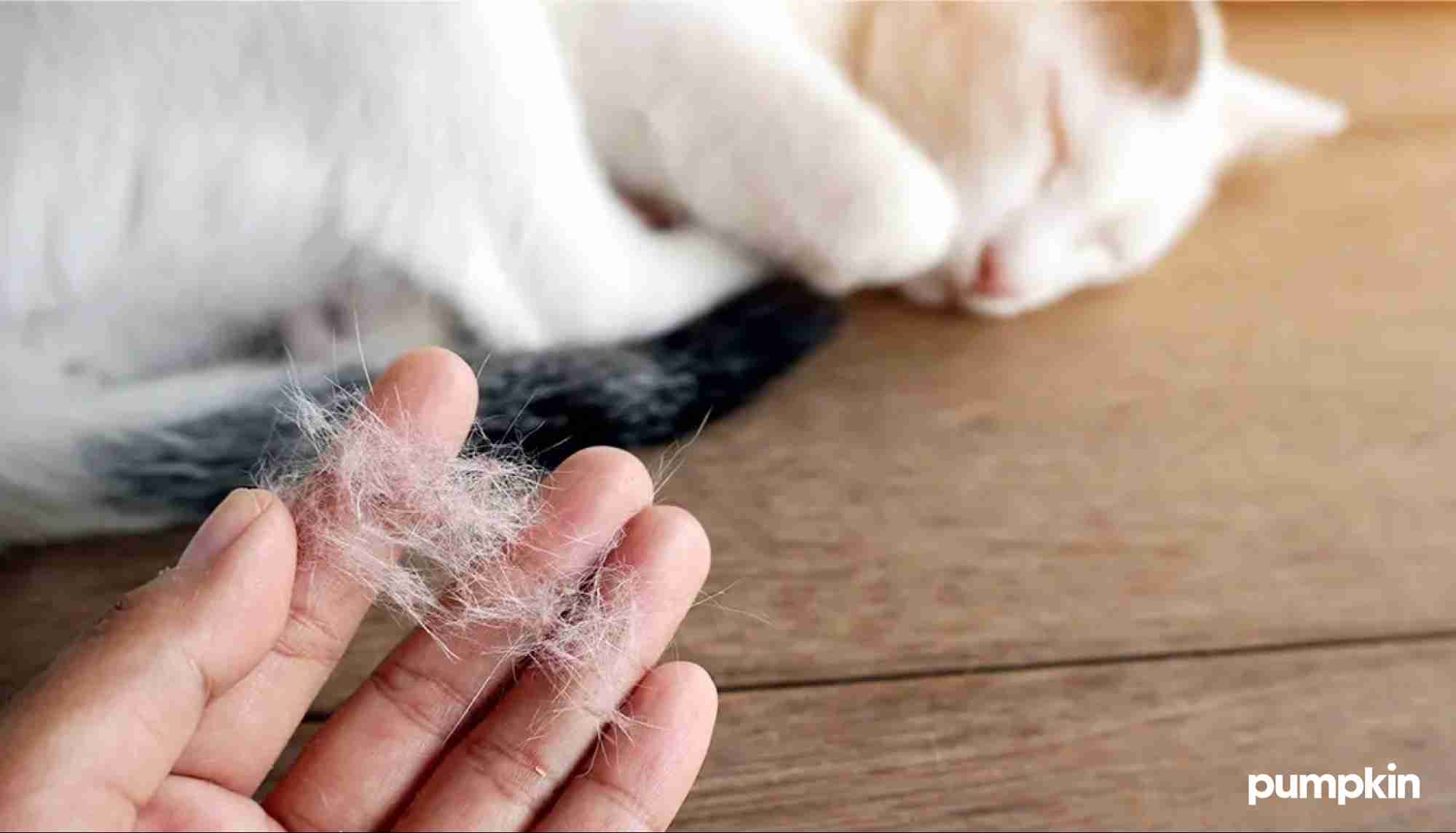
Excessive hair loss in certain spots is another clear sign. These bald patches might surprise you, especially if your cat typically has a thick, shiny coat.
Watch for sudden swelling or irritation around the face, neck, or legs. These areas are common targets when grooming turns rough.
Behavioral Patterns
Your cat’s attitude during grooming reveals a lot. If your cat suddenly becomes restless, tries to escape your touch, or growls, it might be reacting to aggressive grooming.
Notice if your cat grooms obsessively or in a repetitive pattern. This behavior can indicate stress or anxiety causing the roughness.
Have you seen your cat biting or scratching itself hard during grooming? This is not typical and points to discomfort or pain.
How often do you observe these behaviors? Keeping a diary of grooming episodes can help you spot patterns and address underlying issues early.
Common Triggers For Violent Grooming
Violent grooming in cats is often a sign that something is wrong. It is not just random behavior but usually triggered by specific causes. Understanding these triggers helps in managing and reducing this intense behavior.
Stress And Anxiety
Cats feel stress from changes in their environment. Moving to a new home or loud noises can upset them. Stress causes them to groom too hard to calm down. Anxiety makes them focus on grooming as a way to feel safe. This can lead to hair loss or skin damage.
Pain And Discomfort
Pain can make cats groom violently in one spot. They try to soothe an injury or sore area by licking it a lot. Conditions like arthritis or skin infections cause this behavior. Grooming becomes a way to relieve pain, but it can worsen the problem.
Territorial Instincts
Cats are very territorial animals. They may groom aggressively to mark their scent. This shows other cats that this space is theirs. Territorial stress can increase grooming intensity. It acts as both a warning and a comfort to the cat.
Health Issues Behind Aggression
Understanding why some cats groom violently means looking beyond behavior and into potential health issues. Aggression during grooming can often signal discomfort or pain. If your cat suddenly starts biting or scratching during grooming, it might be trying to tell you something important about its health.
Skin Conditions
Skin problems are a common cause of aggressive grooming. Conditions like dermatitis or allergies make your cat’s skin itchy and sensitive.
Imagine trying to brush a sunburned patch—your cat might react with sudden bites or swipes to stop the pain. Check for redness, scabs, or bald spots that could explain this behavior.
Parasites
Fleas, ticks, and mites irritate your cat’s skin and cause intense itching. When these parasites invade, your cat might groom aggressively to try and remove them.
Have you noticed your cat scratching more than usual or shaking its head? These signs often point to parasites. A quick vet visit can confirm the problem and stop the aggressive grooming.
Neurological Problems
Neurological issues can also lead to unusual grooming behavior. Conditions affecting the brain or nerves might cause your cat to groom in a frantic or violent way.
If your cat’s aggression during grooming comes with other odd behaviors—like uncoordinated movements or sudden mood changes—it’s time to consult a vet. Addressing neurological problems early can improve your cat’s comfort and behavior.
Credit: pethelpful.com
Impact Of Environment
Stress and changes in surroundings can cause some cats to groom themselves roughly. This behavior often reflects their discomfort or anxiety. Understanding their environment helps explain why grooming becomes more intense or violent.
The environment plays a crucial role in a cat’s grooming behavior. Cats may groom excessively or violently due to changes in their surroundings. Understanding these factors can help manage their grooming habits better.Changes At Home
Cats are sensitive to changes at home. A move or renovation can upset them. Even rearranging furniture can cause stress. This stress may result in violent grooming. Cats feel safe in familiar settings. They may groom more to comfort themselves when surroundings change. Creating a stable environment helps reduce stress.Presence Of Other Pets
New pets can affect a cat’s grooming behavior. Cats may feel threatened or insecure. They might groom excessively to mark their scent. This behavior helps them feel more secure. The presence of other pets can lead to competition for attention. Cats may groom more to cope with this. Ensuring each pet has its own space can help. This reduces stress and allows each pet to feel safe.How To Calm Your Cat
Calming a cat that grooms violently can be challenging, but understanding how to soothe your feline friend is key. Cats often act out due to stress, anxiety, or discomfort. Helping your cat feel secure and relaxed can reduce these intense grooming episodes.
Creating A Safe Space
Your cat needs a quiet, cozy corner where it feels safe. Choose a low-traffic area with soft bedding and familiar toys. This space should be free from loud noises and sudden movements.
I once noticed my cat’s grooming spikes dropped after I placed a small tent bed in a quiet room. Could your cat benefit from a similar calm retreat?
Using Calming Products
Calming products like pheromone diffusers or sprays can help reduce your cat’s stress levels. These products mimic natural scents that signal safety and comfort to your cat.
Try using a diffuser near your cat’s resting area or apply a calming spray on their bedding. Keep an eye on how your cat responds over a few days to see if their grooming behavior improves.
Behavioral Training
Positive reinforcement can redirect your cat’s energy away from violent grooming. Reward your cat with treats or affection when it engages in calm behaviors or plays with toys.
Setting a regular playtime routine also helps reduce anxiety. Have you noticed how your cat relaxes after a good play session?
Credit: www.pumpkin.care
When To Consult A Vet
Knowing when to consult a vet about your cat’s violent grooming is crucial. Some behaviors might signal underlying health issues that need immediate attention. Ignoring these signs can cause your cat unnecessary pain or stress.
Identifying Serious Symptoms
Watch for constant scratching or biting that leads to open wounds or bald patches. If your cat’s skin looks red, swollen, or has scabs, this is a strong warning sign. Sudden changes in grooming habits, like excessive licking or aggression during grooming, can also indicate discomfort or pain.
Have you noticed your cat hiding more or becoming unusually irritable? These behavioral shifts often accompany physical symptoms. Also, if your cat’s grooming turns violent after introducing a new food or environment, it might be an allergic reaction or stress-related issue.
Preparing For The Visit
Before you go to the vet, observe your cat’s behavior carefully. Note the frequency and intensity of the violent grooming episodes. Jot down any other symptoms like vomiting, lethargy, or changes in appetite.
Bring a sample of your cat’s fur or skin flakes if possible. This can help the vet diagnose issues like parasites or fungal infections. Also, prepare a list of questions or concerns to discuss during the appointment—this ensures you don’t forget important details.
Frequently Asked Questions
Why Do Some Cats Groom Violently?
Some cats groom violently due to stress, anxiety, or skin irritation. It can also be a way to self-soothe or express discomfort. Understanding your cat’s behavior helps address underlying issues and prevent excessive grooming.
Can Violent Grooming Harm My Cat?
Yes, violent grooming can cause skin damage, hair loss, and infections. If your cat grooms too hard, consult a vet to rule out allergies or parasites. Early intervention protects your cat’s skin health.
How To Stop A Cat From Grooming Violently?
Provide a calm environment and regular playtime to reduce stress. Use vet-recommended treatments for skin issues. Distract your cat with toys or gentle petting to redirect grooming behaviors safely.
Is Violent Grooming Linked To Cat Anxiety?
Yes, anxiety can trigger violent grooming as a coping mechanism. Identifying stress triggers and providing comfort or calming aids can reduce this behavior. Consult a vet for anxiety management options.
Conclusion
Some cats groom with more energy than others. This can seem rough but is often normal behavior. Cats may groom fast to clean themselves quickly or show stress. Watch your cat’s skin and fur for signs of harm. If grooming causes wounds or hair loss, ask a vet for help.
Understanding your cat’s habits can improve your care. Every cat is unique in how it grooms itself. Stay patient and gentle while observing your furry friend.



Leave a Reply