Have you ever noticed your cat looking messy or unkempt and wondered, “Do sick cats groom themselves?” Grooming is a big part of a cat’s daily routine, and changes in this behavior can be one of the first signs that something’s wrong. If you want to know how to spot when your furry friend might be feeling unwell, understanding their grooming habits is key.
Keep reading to discover what your cat’s grooming habits can tell you about their health and when you should take action.
Credit: www.petscare.com
Cats And Grooming Habits
Cats are known for their meticulous grooming habits, which help keep their fur clean and skin healthy. Grooming is more than just a routine; it plays a crucial role in a cat’s overall well-being and comfort. Understanding your cat’s grooming behavior can help you spot any changes that might indicate health issues.
Normal Grooming Behavior
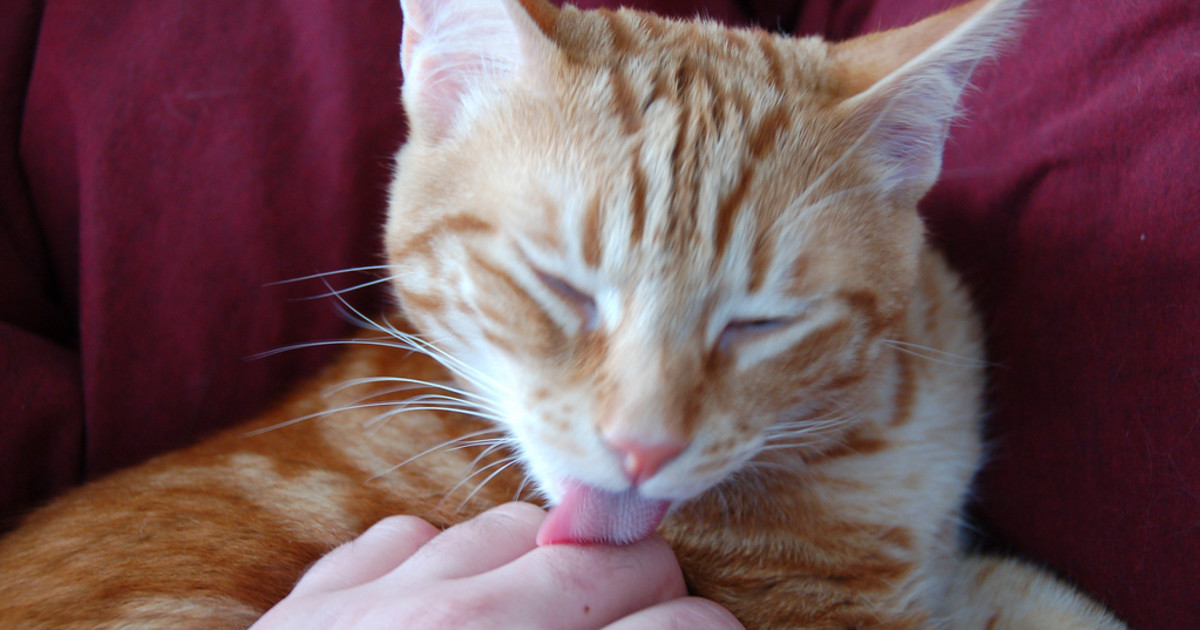
Cats usually spend a significant part of their day grooming themselves. They use their tongues to clean their fur, removing dirt and loose hair. This activity also helps regulate their body temperature and reduce stress.
You might notice your cat licking their paws and then rubbing their face. This is a common grooming pattern that ensures hard-to-reach areas are clean. Some cats even enjoy grooming each other if they live with other cats, strengthening social bonds.
Frequency And Patterns
The frequency of grooming varies from cat to cat but typically occurs several times a day. Younger cats and those with long hair tend to groom more often to prevent mats and tangles. Older cats or cats in pain may groom less, which can be a warning sign.
Have you ever seen your cat suddenly stop grooming or groom excessively? Both can signal health problems like skin infections, parasites, or stress. Keeping an eye on these patterns lets you catch potential issues early and seek veterinary advice if needed.

Credit: catcura.com
How Illness Affects Grooming
Illness can change how cats groom themselves. Grooming is a daily habit for cats, helping them stay clean and healthy. When a cat feels sick, its grooming habits may shift. These changes can signal health issues. Understanding these signs helps pet owners notice problems early.
Reduced Grooming Signs
Sick cats often groom less than usual. Their fur may look dull or messy. You might see:
- Clumps of fur or mats
- Oily or dirty coat
- Strong, unpleasant odor
- Skin flakes or dandruff
- Visible dirt or debris on fur
Less grooming can happen due to pain, weakness, or low energy. Illness can make it hard for cats to reach all parts of their body. Reduced grooming may also lead to skin problems or infections.
Over-grooming Indicators
Some sick cats groom too much. This can cause skin damage. Signs of over-grooming include:
- Red, irritated skin
- Bald patches or thinning fur
- Scabs or sores
- Excessive licking or biting
Over-grooming may result from stress, allergies, or pain. It is a way cats try to soothe themselves. Spotting these signs early can help get your cat proper care quickly.
Common Health Issues Impacting Grooming
Grooming is a natural behavior for cats, but illness can seriously affect your cat’s ability or willingness to keep clean. Understanding common health problems that impact grooming helps you spot when your cat might need extra care or a vet visit. Have you noticed your cat’s coat looking dull or matted lately? That could be a sign of something more than just laziness.
Skin Conditions
Skin problems like allergies, parasites, or infections often make grooming painful or uncomfortable for cats. When your cat’s skin is itchy or sore, they might avoid licking certain areas, leading to patchy or greasy fur. Watch for redness, scabs, or constant scratching—these are signals your cat might be struggling with skin issues.
If you catch these signs early, you can help your cat feel better with vet-prescribed treatments. Have you checked if your cat’s skin feels warm or swollen anywhere?
Pain And Mobility Problems
Arthritis and injuries can make bending and stretching to groom difficult or painful. Older cats, in particular, may skip grooming sessions because moving hurts. You might see matted fur around hard-to-reach spots like the back or belly.
Try gently brushing your cat to help keep their coat clean if you notice they avoid self-grooming. How often do you help your cat with grooming during tough times?
Dental And Oral Issues
When cats have dental pain or mouth infections, grooming with the tongue can become uncomfortable. This can lead to poor coat condition, especially around the face and neck. Bad breath and drooling are signs your cat’s oral health might be affecting their grooming habits.
Regular dental check-ups can prevent these issues from worsening. Have you ever seen your cat avoid cleaning their face because of mouth pain?
Spotting Changes In Grooming
Cats are known for their grooming habits. A change in grooming can indicate health issues. Spotting these changes is crucial for early detection. It helps in understanding your cat’s well-being.
Mattes And Unkempt Fur
Healthy cats have smooth, shiny fur. Sick cats often have matted or tangled hair. Their fur might appear dull or unkempt. They may stop grooming themselves due to discomfort or pain. This neglect leads to fur clumps or matting. Regularly check your cat’s coat for such signs.
Excessive Licking Or Hair Loss
Some cats lick excessively when stressed or unwell. This can lead to bald patches or hair loss. Notice any areas where fur seems thinner. Observe the skin for redness or irritation. Excessive licking might also signal allergies or parasites. Consult a vet if you see these symptoms.
When To Seek Veterinary Care
Knowing when to seek veterinary care is crucial if your cat shows grooming changes. Cats often hide illness well, making it hard to spot problems early. Changes in grooming habits can signal health issues that need prompt attention.
Watching your cat’s grooming behavior closely helps catch problems sooner. Some signs mean a vet visit is necessary to protect your cat’s health. Understanding these signs helps you act quickly and wisely.
Persistent Grooming Changes
Notice if your cat stops grooming for days or weeks. A dirty or matted coat is a red flag. Over-grooming or licking the same spot nonstop also needs attention. These behaviors rarely fix themselves and often show pain or discomfort.
Persistent grooming changes can indicate illness, injury, or stress. Do not wait for the problem to worsen. Early vet care increases chances of effective treatment and recovery.
Additional Symptoms To Watch
Observe your cat for symptoms alongside grooming changes. These include:
- Loss of appetite or weight
- Hiding or unusual lethargy
- Vomiting or diarrhea
- Swelling or wounds on the skin
- Changes in breathing or coughing
These signs often point to serious health issues. A vet can diagnose and treat underlying causes. Prompt care prevents complications and eases your cat’s discomfort.

Credit: walkinpets.com
Supporting Sick Cats With Grooming
Supporting sick cats with grooming is vital for their health and comfort. When cats are unwell, they often stop grooming themselves properly. This can lead to matted fur, skin problems, and discomfort. Helping your cat with grooming keeps them clean and reduces stress. It also strengthens your bond and helps you notice changes in their health early.
Assisted Grooming Tips
- Use a soft brush to gently remove loose fur and dirt.
- Brush in the direction of hair growth to avoid pain.
- Check for mats and carefully loosen them with your fingers or a comb.
- Trim nails carefully to prevent scratching during grooming.
- Keep grooming sessions short and calm to avoid stressing your cat.
- Use a damp cloth to clean areas your cat cannot reach.
- Speak softly and offer treats to comfort your cat during grooming.
Maintaining Comfort And Hygiene
Keep your cat’s bedding clean and dry. Change it often to reduce germs and odors.
Wipe your cat’s eyes and ears gently with a damp cotton ball. This prevents buildup and infections.
Monitor your cat’s skin for redness, sores, or swelling. Report any changes to your vet.
Provide easy access to fresh water and nutritious food to support healing.
Maintain a quiet and warm environment to help your cat relax and recover.
Frequently Asked Questions
Do Sick Cats Stop Grooming Themselves?
Yes, sick cats often reduce or stop grooming. Illness or pain can make grooming uncomfortable or less of a priority. This behavior helps owners recognize health issues early and seek veterinary care promptly.
How Does Illness Affect A Cat’s Grooming Habits?
Illness can cause lethargy, pain, or discomfort, leading to less grooming. Cats may neglect cleaning their fur, resulting in a messy or matted coat. Changes in grooming can be a key sign of underlying health problems.
Can Lack Of Grooming Indicate A Cat’s Health Problem?
Absolutely, when a cat stops grooming, it often signals health issues. This includes infections, arthritis, dental problems, or stress. Monitoring grooming habits helps detect illnesses early and ensures timely veterinary intervention.
Should I Worry If My Cat Grooms Less Than Usual?
Yes, decreased grooming can indicate sickness or discomfort. If your cat suddenly grooms less, observe for other symptoms and consult a vet. Early attention can prevent worsening of health problems.
Conclusion
Sick cats often groom less than healthy ones. This change helps owners notice health problems early. Watching your cat’s grooming habits can show if it feels unwell. Missing grooming may mean your cat needs a vet visit. Always pay attention to sudden changes in behavior.
Caring for your cat means knowing these small signs. Healthy cats keep themselves clean. Sick cats may stop or slow down grooming. Simple observation can protect your cat’s health. Stay alert and act quickly if grooming stops.

Leave a Reply